Adalat
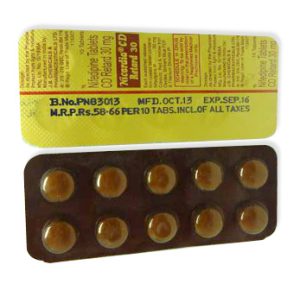
In brief
- Adalat (nifedipine) is a prescription medicine in most countries and is usually dispensed only with a prescription; availability varies by country and some pharmacies or online vendors may sell nifedipine/Adalat without a receipt or prescription, though purchasing without medical oversight is not recommended.
- Adalat is used to treat hypertension and angina (including chronic stable and vasospastic angina). It is a dihydropyridine calcium channel blocker that inhibits L‑type calcium channels in vascular smooth muscle, causing vasodilation and reduced blood pressure and myocardial oxygen demand.
- Typical adult dosing for extended‑release Adalat: start 30 mg once daily, maintenance commonly 60–90 mg once daily (max ~90 mg/day for ER). Immediate‑release forms are lower (e.g., 10–20 mg) and used less commonly for acute situations; pediatric dosing is weight‑based and requires specialist oversight.
- Given orally as tablets or capsules: extended‑release (ER) tablets commonly 30 mg, 60 mg, 90 mg; immediate‑release capsules/tablets 10 mg and 20 mg; modified‑release forms also available in various strengths.
- Onset of effect depends on formulation: immediate‑release nifedipine typically begins working within about 20–30 minutes, while extended‑release formulations generally start to take effect within 1–2 hours.
- Duration of action varies by formulation: immediate‑release effects last roughly 4–6 hours, whereas extended‑release Adalat formulations are designed for once‑daily dosing and generally provide control for about 24 hours.
- Avoid or limit alcohol while taking Adalat, as alcohol can enhance blood‑pressure lowering and dizziness and increase the risk of fainting and other adverse effects; consult your clinician about safe use.
- The most common side effect is headache; other frequent effects include flushing, peripheral edema, dizziness/lightheadedness, fatigue, and nausea.
- Would you like to try adalat without a prescription?
Basic Adalat Information
- INN (International Nonproprietary Name): Nifedipine.
- Brand Names Available In United States: Adalat (brand available internationally), Adalat CC is discontinued in the U.S.; generics of nifedipine ER and Procardia XL are commonly available.
- ATC Code: C08CA05.
- Forms & Dosages: Extended-release tablets 30 mg, 60 mg, 90 mg; immediate-release capsules 10 mg and 20 mg; modified-release tablets 20 mg, 30 mg, 60 mg.
- Manufacturers In United States: Generic manufacturers commonly include Teva, Sandoz/Novartis, Mylan, Actavis, and Apotex.
- Registration Status In United States: Nifedipine first FDA approved Dec 31, 1981; branded Adalat CC discontinued in the U.S. while generics remain available.
- OTC / Rx Classification: Prescription-only medicine (Rx) in virtually all countries.
Important Safety-First Notes (Read Before Any Section)
- Do not start, stop, or change Adalat (nifedipine) without your prescriber’s OK.
- If you feel faint, very dizzy, or have chest pain after a dose, seek urgent care.
- Store Adalat at 68–77°F (20–25°C) in original packaging and out of reach of children.
- Integrate doses into daily routines: use a pillbox, take with breakfast or at bedtime, and set phone reminders.
- Carry a small card listing “Nifedipine (Adalat) — Rx” and your prescriber for emergencies.
- Use a home blood pressure monitor to track effects and bring logs to appointments.
- Emergency signals checklist: sudden fainting, severe dizziness, new chest pain, rapid heartbeat, severe swelling of the legs, or jaundice.
- Daily-dose habits checklist: fixed time each day, keep blister until use, do not crush ER tablets, and note missed doses on your medication card.
Everyday Use & Best Practices
Morning Vs Evening Dosing
Which time of day should I take Adalat to get steady control but keep side effects low?
For most people on extended-release nifedipine (Adalat ER), the usual starting dose is 30 mg once daily.
Maintenance dosing is often 60–90 mg once daily depending on response and tolerance.
Taking Adalat ER at the same time every day helps keep blood levels steady and reduces the chance of missed doses.
If daytime flushing or headache becomes a problem, discuss switching to evening dosing with your prescriber.
Elderly patients often start at lower doses and titrate more slowly because of increased risk of hypotension.
Pros of Morning Dosing: aligns with daily routines, easier monitoring of daytime blood pressure, and straightforward adherence with morning meds.
Cons of Morning Dosing: may cause daytime flushing or headache for some people.
Pros of Evening Dosing: may reduce daytime side effects and improve tolerance for people with morning sensitivity.
Cons of Evening Dosing: makes it harder to track daytime blood pressure response and may cause nocturnal dizziness in some patients.
- Adherence Tips Checklist: keep tablets in original blister until use, use a pillbox, set phone alarms, record doses in a medication card, and bring BP logs to clinic visits.
Taking With Or Without Meals
Can food change how Adalat works?
Extended-release nifedipine tablets can usually be taken with or without food.
Immediate-release forms may have absorption affected by food, so follow the specific product instructions if you are prescribed those.
Keep ER tablets in their original blister until use and avoid crushing or chewing extended-release tablets.
If a specific product leaflet gives different guidance, follow that leaflet and your prescriber.
Safety Priorities
Who Should Avoid It
Is Adalat safe for everyone?
Absolute contraindications include known hypersensitivity to nifedipine or any excipient.
A history of recent myocardial infarction within two weeks, cardiogenic shock, or severe aortic stenosis makes nifedipine unsafe.
Concurrent use of rifampin is effectively a contraindication because it greatly reduces nifedipine levels and efficacy.
Exercise caution and close monitoring if you have severe hypotension, congestive heart failure, impaired hepatic function, or significant valvular disease.
Pregnant or breastfeeding patients should consult their maternal–fetal medicine specialist or pediatrician before use.
Activities To Limit
What things should I avoid while getting used to Adalat?
| Contraindication / Risk | Monitoring Or Action |
|---|---|
| Known hypersensitivity | Avoid use; seek alternative class. |
| Recent myocardial infarction (≤2 weeks) | Do not start nifedipine; follow cardiology guidance. |
| Cardiogenic shock or severe aortic stenosis | Avoid use and refer to specialist. |
| Concurrent rifampin | Do not combine; rifampin reduces drug levels. |
| Severe hypotension, CHF, hepatic impairment | Use caution, start low, monitor BP, and check liver tests. |
- Limit driving, operating heavy machinery, or climbing ladders until you know how dizziness or lightheadedness affects you.
- Avoid alcohol and very hot baths/saunas early in treatment as they increase vasodilation and dizziness risk.
- Assess falls risk in older adults and remove trip hazards at home.
Dosage & Adjustments
General Regimen
What dose do most people start on?
The standard starting dose for hypertension or chronic stable angina is typically a 30 mg extended-release tablet once daily.
Titration is usually to 60–90 mg once daily as needed to reach blood pressure or angina control.
The maximum daily dose for many ER formulations is commonly 90 mg per day.
Immediate-release strengths such as 10 mg and 20 mg exist but are used less outside acute or inpatient settings.
- Dosing Titration Checklist: start 30 mg ER QD, recheck BP after a week or as advised, increase to 60 mg QD if needed, consider 90 mg QD only with clinician review and monitoring.
Special Cases
How do doctors adjust doses for specific patients?
| Population | Adjustment |
|---|---|
| Elderly | Start lower and titrate slowly due to hypotension risk. |
| Liver Impairment | Reduce dose and monitor hepatic function because nifedipine is hepatically metabolized. |
| Kidney Impairment | Usually no major dose change, but monitor BP and renal status. |
| Pediatrics | Specialist-driven dosing (0.25–0.5 mg/kg/day divided); off-label in many cases. |
User Testimonials
Positive Reports
Does it help people feel better day to day?
- Many patients report improved daytime blood pressure control after switching to a once-daily extended-release nifedipine.
- Once-daily dosing often improves convenience and adherence compared with multiple daily pills.
- Some patients note fewer angina episodes and reduced need for nitroglycerin when nifedipine is added to other therapies.
- Short Patient Snippet: “Switched to a 30 mg ER tablet and my BP readings have been steadier most days.”
- Short Patient Snippet: “Once-daily pills fit my routine and I sleep better without midday headaches.”
Common Challenges
What side effects do people commonly report?
- Peripheral edema, especially swollen ankles, is a frequently reported complaint.
- Flushing and mild headaches are common early after starting nifedipine and may fade in 1–2 weeks.
- Lightheadedness on standing and fatigue are noted by some users, particularly during titration.
- Short Patient Snippet: “My feet swelled after two weeks; my doctor added a low-dose diuretic and it improved.”
- Short Patient Snippet: “I had flushing for several days but it settled; I did not need a dose change.”
Buying Guide
Pharmacy Sources
Where can you buy Adalat or nifedipine ER in the U.S.?
Adalat branded products remain widely available in the EU, but Adalat CC as a brand has been discontinued in the United States.
Generic nifedipine extended-release 30 mg, 60 mg, and 90 mg tablets are commonly available through local pharmacies and large chains in the United States.
Reputable online pharmacies may list products as “Nifedipine ER,” “Nifedipine CR,” or Procardia XL equivalents; always use licensed pharmacies and require a valid prescription.
In our online pharmacy, adalat is available without a prescription, with discreet delivery to United States in 5-14 days.
Price Comparison
How much should you expect to pay and how to save?
| Source | Expected Price Range | Savings Tips |
|---|---|---|
| Local Pharmacy (Brand/Generic) | Varies widely by insurance and region. | Use insurance formulary and compare cash price. |
| Large Chain Pharmacy | Often competitive; generic discounts available. | Ask about 90-day supplies and mail-order discounts. |
| Reputable Online Pharmacy | Generics usually lower cost; delivery fees apply. | Confirm pharmacy accreditation and manufacturer savings programs. |
- Compare pharmacy cash prices, manufacturer savings cards, and mail-order 90-day options to reduce out-of-pocket costs.
- Avoid unusually cheap online sellers without accreditation to reduce risk of counterfeit or substandard products.
What’s Inside & How It Works
Ingredients Overview
What is in an Adalat tablet?
The active ingredient is nifedipine, a dihydropyridine calcium channel blocker available in ER strengths of 30 mg, 60 mg, and 90 mg.
Excipients vary by manufacturer; check the product leaflet for specific allergy information.
Bayer AG created the original Adalat brand, and common generic manufacturers include Teva, Sandoz/Novartis, Mylan, Actavis, and Apotex.
Mechanism Basics
How does nifedipine lower blood pressure and reduce angina?
Nifedipine inhibits L-type calcium channels in vascular smooth muscle, causing arterial vasodilation.
This vasodilation lowers systemic vascular resistance and blood pressure and reduces myocardial oxygen demand, which helps in angina.
Extended-release formulations maintain smoother plasma levels and help limit peak-related side effects like sudden flushing or excessive hypotension.
| Active Ingredient | Drug Class | ATC Code |
|---|---|---|
| Nifedipine | Dihydropyridine Calcium Channel Blocker | C08CA05 |
Main Indications
Approved Uses
What conditions is nifedipine approved to treat?
Primary approved indications include hypertension and angina pectoris, including chronic stable and vasospastic angina.
Extended-release nifedipine is commonly used for chronic outpatient management.
Immediate-release nifedipine was historically used in acute care settings but is less favored due to risk of rapid blood pressure drops.
- Hypertension: starting 30 mg ER once daily; maintenance 60–90 mg once daily; typical max 90 mg/day.
- Chronic Stable Angina: 30 mg ER once daily, titrated up to 90 mg if needed.
- Vasospastic Angina: 30 mg ER once daily, titrated as required.
Off-Label Uses
Are there other uses doctors sometimes prescribe nifedipine for?
- Pediatric hypertension in specialist settings, often at 0.25–0.5 mg/kg/day in divided doses under close supervision.
- Some vasospasm disorders and transplant-related hypertension have been managed with nifedipine in specialist care.
- Any off-label use should be confirmed with a specialist and documented with informed consent.
Interaction Warnings
Food Interactions
Can food change how much nifedipine gets into your system?
Regular grapefruit juice intake can increase plasma nifedipine levels and worsen side effects, so avoid or minimize grapefruit products.
Alcohol can increase vasodilation and potentiate dizziness and hypotension; limit intake especially while starting the drug.
Drug Conflicts
Which medications interact significantly with nifedipine?
Strong CYP3A4 inducers like rifampin substantially reduce nifedipine concentrations and are contraindicated.
Strong CYP3A4 inhibitors can increase nifedipine levels and raise side-effect risk; monitor closely if combined.
Caution is needed when combining nifedipine with other antihypertensives, beta-blockers, or nitrates because of additive hypotensive effects.
Always give your prescriber a full medication list, including over‑the‑counter drugs and supplements.
| High-Risk Medication | Interaction |
|---|---|
| Rifampin | Strong CYP3A4 induction; reduces nifedipine efficacy; contraindicated. |
| Strong CYP3A4 inhibitors | Can raise nifedipine levels; increase monitoring for hypotension and side effects. |
| Other Antihypertensives / Nitrates | Additive blood pressure lowering; monitor BP closely. |
Latest Evidence & Insights
What Trials Show (Patient-Focused Summary)
What does the research say about nifedipine ER?
Long-term evidence supports extended-release nifedipine for effective blood pressure control and reducing angina frequency when used appropriately in combination therapy.
ER formulations offer smoother plasma levels and lower the risk of peaks and troughs found with immediate‑release forms.
Comparative trials place nifedipine among established dihydropyridine options, and choice is often guided by half-life, tolerability, and comorbid conditions.
Practical Clinical Takeaways
- Gradual titration helps minimize dizziness and flushing.
- Monitor for peripheral edema; consider dose reduction, adding a diuretic, or switching drug class if edema is problematic.
- Combine with ACE inhibitor, ARB, or diuretic for multi-drug hypertension regimens as clinically appropriate.
- Use lower starting doses and closer follow-up for older adults and patients with hepatic impairment.
Alternative Choices
Comparable Drugs
Which other drugs work like nifedipine?
Other dihydropyridine calcium channel blockers include amlodipine (Norvasc), felodipine, and nicardipine.
Amlodipine has a longer half-life and may cause less reflex tachycardia in some patients.
Choice among drugs depends on tolerability, dosing convenience, comorbid conditions, and formulary coverage.
When To Switch
How do you know if a switch is needed?
Consider switching if edema is intolerable, flushing is severe, or blood pressure is not controlled despite dose optimization.
Switching should be supervised by a clinician; dose changes and tapering may be advised to avoid rebound symptoms.
Discuss cost, insurance formulary options, and pill availability before making a change.
| Drug | Pros | Cons |
|---|---|---|
| Nifedipine ER | Once-daily dosing, proven efficacy. | Can cause peripheral edema and flushing for some people. |
| Amlodipine | Longer half-life, steady control, once daily. | May still cause edema; different side-effect profile for individuals. |
Regulation Snapshot
Approval & Availability
Is Adalat approved and where can it be found?
Nifedipine is classified under ATC code C08CA05 and has been approved since 1981 in many regions.
Branded Adalat remains widely available in the EU and many international markets, while Adalat CC was discontinued in the U.S. though generics remain.
Nifedipine is a prescription-only medicine in virtually all countries.
Packaging & Manufacturers
What packaging sizes and manufacturers are common?
Typical extended-release dosages are 30 mg, 60 mg, and 90 mg in blister packs of 28 or 30 tablets in many markets.
Original brand manufacturer is Bayer AG of Germany.
Common generic manufacturers include Teva, Sandoz/Novartis, Mylan, Actavis, and Apotex.
| Brand | Region | Manufacturer |
|---|---|---|
| Adalat | EU, Asia, South America | Bayer AG (original brand) |
| Procardia XL | United States | Generic manufacturers produce equivalents |
| Nifedipine ER Generics | United States | Teva, Sandoz, Mylan, Actavis, Apotex |
FAQ Section
Quick Answers Patients Ask
Can I stop Adalat suddenly?
No — do not stop suddenly; taper under medical guidance to avoid rebound angina or hypertension.
What if I miss a dose?
Take as soon as you remember unless it is almost time for the next dose; do not double up.
How should I store it?
Store at 68–77°F (20–25°C) in the original packaging and protect from light and moisture.
When To Call A Doctor
- Call your prescriber or seek urgent care for severe dizziness, fainting, rapid heartbeat, or chest pain.
- Contact medical care for severe leg swelling or signs of liver injury such as yellowing of the skin or dark urine.
- Seek immediate attention for suspected overdose; symptoms may include profound hypotension or cardiac disturbances.
- For minor side effects like mild headache or flushing, document them and review at follow-up unless they worsen.
Guidelines For Proper Use
Administration Checklist
- Keep a medication card: “Nifedipine (Adalat) — ER 30/60/90 mg”, dose time, and prescriber contact.
- Swallow extended-release tablets whole; do not crush or chew them.
- Monitor blood pressure and pulse before starting therapy and during any dose titration.
- Only taper or stop under clinician direction.
Follow-Up & Monitoring
- Schedule home BP checks and clinic visits after dose changes to confirm response and safety.
- Check liver function tests if risk factors for hepatic impairment are present.
- If peripheral edema or persistent side effects occur, consider dose reduction, adding a diuretic, or switching drug class after discussion with the prescriber.
- Carry emergency contact information and an up-to-date medication list at all times.
Delivery Across United States
| City | Region | Delivery Time |
|---|---|---|
| New York | Northeast | 5-7 days |
| Los Angeles | West | 5-7 days |
| Chicago | Midwest | 5-7 days |
| Houston | South | 5-7 days |
| Phoenix | West | 5-7 days |
| Philadelphia | Northeast | 5-7 days |
| San Antonio | South | 5-7 days |
| San Diego | West | 5-9 days |
| Dallas | South | 5-9 days |
| San Jose | West | 5-9 days |
| Austin | South | 5-9 days |
| Jacksonville | South | 5-9 days |
| Fort Worth | South | 5-9 days |