
Antibiotics

Amoxicillin
from
Amoxil
from
Ampicillin
from
Augmentin
from
Avelox
from
Azithromycin
from
Bactrim
from
Biaxin
from
Ceftin
from
Cefuroxime
from
Chloromycetin
from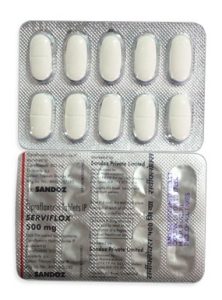
Cipro
from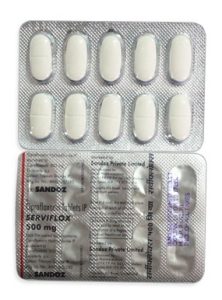
Ciprofloxacin
from
Clarithromycin
from
Cleocin
from
Doxycycline
fromWhat Are Antibiotics and How Do They Work?
Antibiotics are powerful medications designed to fight bacterial infections by either killing bacteria or stopping their growth. These medicines work by targeting specific structures within bacterial cells, such as cell walls, proteins, or DNA, which allows them to eliminate harmful bacteria without significantly damaging human cells. Understanding how antibiotics function is essential for using them safely and effectively. Different classes of antibiotics work in different ways, making some more suitable for certain types of infections than others.
When you take an antibiotic as prescribed, it enters your bloodstream and travels to the infected area, where it begins working to eliminate the bacterial infection. It’s important to note that antibiotics only work against bacteria and cannot treat viral infections like colds or flu. Taking antibiotics when they’re not needed can lead to antibiotic resistance, a serious public health concern. This is why healthcare providers carefully prescribe antibiotics only when bacterial infections are confirmed or strongly suspected.
Common Types of Antibiotics Available in the United States
Penicillins and Cephalosporins
Penicillin-based antibiotics remain among the most commonly prescribed in the United States. Amoxicillin is one of the most popular penicillin antibiotics, used to treat ear infections, strep throat, and urinary tract infections. Ampicillin is another penicillin option prescribed for various bacterial infections. Cephalosporins like Cephalexin (Keflex) and Cefdinir are closely related to penicillins and are often used when patients have certain penicillin sensitivities. These medications are generally well-tolerated and have been used safely for decades.
Fluoroquinolones
Fluoroquinolone antibiotics are broad-spectrum medications effective against many types of bacteria. Ciprofloxacin (Cipro) is commonly prescribed for urinary tract infections, respiratory infections, and bacterial diarrhea. Levofloxacin (Levaquin) treats respiratory tract infections and other bacterial conditions. Moxifloxacin (Avelox) is another fluoroquinolone used for community-acquired pneumonia and sinusitis. These antibiotics are particularly useful for infections caused by gram-negative bacteria.
Macrolides
Macrolide antibiotics include Azithromycin (Z-Pak), which is frequently prescribed for respiratory infections and sexually transmitted infections. Erythromycin is an older macrolide still used for certain infections and sometimes to treat gastrointestinal issues. Clarithromycin (Biaxin) treats respiratory infections and Helicobacter pylori infections. Macrolides are known for their good tissue penetration and relatively few drug interactions compared to some other antibiotics.
Other Important Classes
Tetracyclines like Doxycycline are used for acne, Lyme disease, and respiratory infections. Sulfonamides, including Trimethoprim-Sulfamethoxazole (Bactrim), are effective for urinary tract infections and certain other infections. Aminoglycosides and Glycopeptides are typically reserved for serious infections in hospital settings due to potential side effects.
Common Uses and Indications for Antibiotics
Antibiotics are prescribed for a wide variety of bacterial infections affecting different body systems. Urinary tract infections (UTIs) are among the most common reasons antibiotics are prescribed, with medications like Nitrofurantoin and Cephalexin frequently used for this purpose. Respiratory tract infections, including bronchitis and pneumonia, often require antibiotics such as Amoxicillin or Azithromycin. Skin and soft tissue infections caused by bacteria respond well to antibiotics like Cephalexin or Clindamycin. Ear infections in both children and adults frequently require antibiotic treatment with medications such as Amoxicillin or Cefdinir.
Antibiotics are commonly prescribed for the following conditions:
- Strep throat infections, typically treated with Penicillin or Amoxicillin to prevent serious complications like rheumatic fever
- Sexually transmitted infections including chlamydia and gonorrhea, treated with specific antibiotics prescribed by healthcare providers
- Dental infections and abscesses that often require antibiotics to prevent the spread of infection
- Gastrointestinal infections caused by specific bacteria that may require treatment with Fluoroquinolones or other antibiotics
- Wound infections following surgery or injuries that need prompt antibiotic treatment
- Eye infections and ear infections that can be treated with topical antibiotic solutions or oral medications depending on severity
Healthcare providers carefully consider the type of bacteria suspected, the location of infection, and patient factors when selecting the most appropriate antibiotic.
Side Effects and Precautions
Like all medications, antibiotics can cause side effects ranging from mild to severe. The most common side effects include digestive issues such as nausea, vomiting, and diarrhea, which occur because antibiotics can affect beneficial bacteria in the digestive system. Allergic reactions are an important consideration, particularly with penicillin and cephalosporin antibiotics, ranging from mild rashes to severe anaphylaxis in rare cases. Photosensitivity is a known side effect of tetracycline antibiotics, requiring patients to avoid prolonged sun exposure and use sunscreen. Some antibiotics like Fluoroquinolones can cause tendon problems, particularly in older adults or those taking certain other medications.
Before taking any antibiotic, inform your healthcare provider about any allergies, especially to antibiotics or sulfa drugs. Let them know about other medications you’re taking, as some antibiotics interact with birth control pills, blood thinners, and other drugs. Pregnancy requires special consideration when selecting antibiotics, as some are safer than others during different stages of pregnancy. Liver and kidney function may affect how your body processes certain antibiotics, so pre-existing conditions are important to discuss. Complete the full course of antibiotics even if you feel better, as stopping early can lead to infection recurrence and antibiotic resistance. Taking antibiotics with food can reduce stomach upset for some medications, while others should be taken on an empty stomach for best absorption.
Antibiotic Resistance and Responsible Use
Antibiotic resistance occurs when bacteria evolve and become resistant to antibiotics that previously killed them effectively. This serious public health threat develops when antibiotics are used unnecessarily or incorrectly, allowing resistant bacteria to survive and multiply. Overuse of antibiotics in humans and in agriculture has significantly contributed to the rise of antibiotic-resistant bacteria. Infections caused by resistant bacteria are harder to treat, may require stronger medications, and can lead to serious complications or prolonged illness. Some resistant bacteria, such as methicillin-resistant Staphylococcus aureus (MRSA), can cause life-threatening infections.
Responsible antibiotic use is crucial for preserving their effectiveness for future generations. Never request antibiotics for viral infections like colds or flu, as they won’t work and contribute to resistance development. Take antibiotics exactly as prescribed, at the correct time and dosage, for the complete duration recommended. Don’t share antibiotics with others or use leftover antibiotics from previous infections. Dispose of unused antibiotics properly through pharmacy take-back programs rather than flushing them down toilets. Support infection prevention measures like handwashing, vaccinations, and food safety to reduce infection rates. Healthcare providers are working to prescribe antibiotics more judiciously and are developing new strategies to combat resistance.
Choosing the Right Antibiotic and Consultation
Selecting the appropriate antibiotic depends on several factors that your healthcare provider considers carefully. The specific type of bacteria causing the infection determines which antibiotics are most effective, often confirmed through culture and sensitivity testing. The location of the infection affects antibiotic choice because different medications penetrate different tissues effectively. Your personal medical history, including allergies, kidney function, liver function, and pregnancy status, influences which antibiotics are safe for you. Other medications you take may interact with certain antibiotics, requiring your doctor to select alternatives. Age is a consideration, as some antibiotics are not appropriate for very young children or elderly patients.
When consulting with your healthcare provider about antibiotics, provide comprehensive information to ensure the best treatment decision. Describe your symptoms in detail and mention how long you’ve been ill. Provide a complete list of all current medications and supplements, and report any previous allergic reactions to antibiotics. Discuss your medical conditions, especially kidney disease, liver disease, or pregnancy, as these affect antibiotic selection. Ask about expected improvement timeframe and when you should call if symptoms worsen. Understand the importance of completing the full course even if you feel better before finishing. Request information about potential side effects and what to do if they occur. Clarify whether the antibiotic should be taken with food and any activities to avoid during treatment. Follow up with your healthcare provider if symptoms don’t improve after the expected timeframe or if you experience concerning side effects.