Biaxin
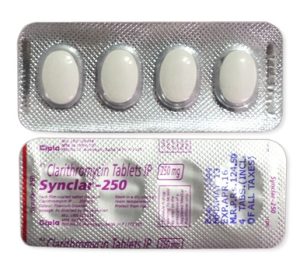
In brief
- Biaxin (clarithromycin) is usually prescription-only and is approved by regulators like the FDA and EMA, but it is widely sold in pharmacies and in some places can be obtained without a prescription or via online vendors (availability and legality vary by country).
- Biaxin is used to treat respiratory tract infections (pneumonia, bronchitis, pharyngitis, sinusitis), skin infections, H. pylori as part of triple therapy, and MAC in HIV; it is a macrolide antibiotic that inhibits bacterial protein synthesis by binding to the 50S ribosomal subunit.
- Usual adult dosing is 250–500 mg every 12 hours for immediate‑release tablets (7–14 days) or 500 mg once daily for extended‑release tablets; for H. pylori and MAC regimens 500 mg twice daily is common; pediatric dosing is approximately 7.5 mg/kg every 12 hours (max 500 mg per dose); adjust dose in severe renal impairment (CrCl <30 mL/min) and in hepatic dysfunction.
- Administered orally as immediate‑release tablets (250 mg, 500 mg), extended‑release tablets (500 mg), or as granules for oral suspension (125 mg/5 mL, 250 mg/5 mL); an IV formulation exists in some markets under other brand names.
- Many patients begin to notice symptomatic improvement within 24–72 hours after starting therapy, though infection-specific response times vary.
- Immediate‑release clarithromycin is typically dosed every 12 hours (about 12 hours of coverage per dose); the extended‑release 500 mg formulation provides once‑daily (approximately 24‑hour) coverage; the drug’s half‑life is roughly 3–7 hours (active metabolite may persist longer).
- Avoid excessive alcohol while taking Biaxin—alcohol can worsen gastrointestinal side effects and may increase liver risk; refrain especially if you have liver disease.
- The most common side effects are gastrointestinal (nausea, diarrhea, abdominal pain) and taste disturbances (metallic or sour taste); other effects include headache, transient elevated liver enzymes, and rash.
- Would you like to try biaxin without a prescription?
Basic Biaxin Information
- INN (International Nonproprietary Name): Clarithromycin.
- Brand Names Available In United States: Biaxin and Biaxin XL are marketed in the United States and Canada.
- ATC Code: J01FA09.
- Forms & Dosages: Immediate-release tablets 250 mg and 500 mg; extended-release tablets 500 mg; granules for oral suspension 125 mg/5 mL and 250 mg/5 mL in bottles for reconstitution (50 mL or 100 mL).
- Manufacturers In United States: AbbVie (original Biaxin) and multiple generic manufacturers.
- Registration Status In United States: Approved by the FDA for multiple indications.
- OTC / Rx Classification: Prescription (Rx Only) in nearly all countries.
Read your prescription and pharmacy label every time you pick up Biaxin or clarithromycin.
Biaxin is prescription-only in the United States, and the label shows your exact dose and duration.
Follow dosing exactly and do not stop early even if you feel better, unless your prescriber instructs you otherwise.
Warning: stop and seek urgent care for signs of allergic reaction such as hives, swelling of the face or throat, or trouble breathing.
Warning: seek urgent care for severe diarrhea, especially if bloody or persistent, because antibiotics can trigger C. difficile infection.
Warning: get immediate help if you notice yellowing of the skin or eyes, or new fainting spells or an irregular heartbeat.
Daily-life integration tip: set phone alarms for evenly spaced doses, for example 12-hour spacing for twice-daily regimens like clarithromycin 250–500 mg.
Daily-life integration tip: take Biaxin XL (clarithromycin 500 mg extended-release) once daily with a meal to ensure absorption.
Daily-life integration tip: keep reconstituted suspension refrigerated and discard after 14 days.
Preferable checklist for emergency signs:
- Hives, facial or throat swelling, difficulty breathing — seek emergency care now.
- Severe or persistent diarrhea, especially with fever or blood — call your doctor urgently.
- Yellowing of skin or eyes, dark urine, or severe abdominal pain — seek urgent evaluation.
- Fainting, lightheadedness, or new palpitations — get immediate medical attention.
Storage and timing bullet list:
- Tablets: store below 25°C (77°F) away from light and moisture.
- Suspension: refrigerate 2–8°C after reconstitution and discard after 14 days.
- Set reminders and use a pillbox for twice-daily dosing or a single daily alarm for XL tablets.
Everyday Use And Best Practices
Morning Vs Evening Dosing
Which time of day should I take Biaxin to fit my routine and still get the right effect?
For immediate-release Biaxin tablets, the typical adult dosing is 250–500 mg every 12 hours, so pick consistent clock times such as 8 AM and 8 PM.
For Biaxin XL extended-release, the usual dose is clarithromycin 500 mg once daily and should be taken with food.
Set phone alarms or use a pillbox with AM/PM compartments to avoid missed or doubled doses.
Finish the full prescribed course, which is usually 7–14 days for common respiratory or skin infections listed on the prescription.
Real data: available formulations include immediate-release tablets (250 mg and 500 mg), extended-release 500 mg tablets, and granules for suspension.
Practical tips:
- Keep to the same times each day to maintain steady dosing for clarithromycin and reduce the chance of missed doses.
- If you take other daily medicines, pair Biaxin doses with a routine activity like breakfast and dinner where appropriate.
- If your prescriber prescribes 500 mg twice daily for an infection such as H. pylori, treat those as 12-hour spaced doses.
Taking With Or Without Meals
Will taking Biaxin with food change how it works or what side effects I feel?
Biaxin immediate-release tablets can be taken with or without food, though taking them with food may help if you experience nausea.
Biaxin XL extended-release tablets should be taken with a meal to ensure proper absorption of the 500 mg ER formulation.
If GI upset occurs, take the dose with food or a light snack to reduce nausea.
Missed-dose handling:
- Take a missed dose as soon as you remember unless it is near the time of your next scheduled dose.
- Do not double up doses to make up for a missed dose.
- If you miss doses frequently, ask your pharmacist for a pillbox and consider setting recurring phone alarms.
Safety Priorities
Who Should Avoid It
Are there people who must not take Biaxin or need extra caution?
Absolute contraindications include known hypersensitivity to clarithromycin or other macrolides such as erythromycin or azithromycin.
Avoid clarithromycin if there is a history of clarithromycin-induced cholestatic jaundice or hepatic dysfunction.
Avoid co-administration with colchicine in patients with significant hepatic or renal impairment because this combination is contraindicated for those risk groups.
Use caution and consult your prescriber if you have severe liver disease, reduced kidney function with estimated CrCl below 30 mL/min, or a history of arrhythmias or QT prolongation.
Real data: classification is ATC J01FA09 and clarithromycin is prescription-only.
Activities To Limit
What activities might be affected while taking clarithromycin?
Do not drive or operate heavy machinery if you experience dizziness, severe nausea, or hearing changes while taking Biaxin.
Limit alcohol if you have elevated liver enzymes or if GI side effects are troublesome, because alcohol may worsen liver strain or upset the stomach more.
Screening checklist before starting clarithromycin:
- Allergies: any known reaction to clarithromycin, erythromycin, azithromycin.
- Current medications: statins (especially simvastatin), warfarin, certain antiarrhythmics, colchicine, benzodiazepines, and drugs that prolong QT.
- Liver disease: history of cholestatic jaundice or severe hepatic dysfunction.
- Kidney disease: poor renal function with CrCl below 30 mL/min.
- Cardiac history: known QT prolongation, arrhythmias, or unexplained fainting.
Dosage And Adjustments
General Regimen
How is clarithromycin dosed for common infections?
Typical adult dosing for immediate-release clarithromycin tablets is 250–500 mg every 12 hours for 7–14 days for most community respiratory and skin infections.
Biaxin XL extended-release tablets are commonly prescribed as clarithromycin 500 mg once daily with food.
Pediatric dosing uses the oral suspension and is generally 7.5 mg/kg every 12 hours, up to a maximum of 500 mg per dose, for 7–14 days depending on the infection and prescriber instructions.
Real data: available forms include IR tablets 250/500 mg, ER 500 mg, and granules for suspension 125/5 mL and 250/5 mL.
Special Cases
How are doses adjusted for kidney problems and specific infections?
For renal impairment with estimated CrCl less than 30 mL/min, halve the normal dose or double the dosing interval unless otherwise instructed by your clinician.
Elderly patients generally follow standard adult dosing unless they have renal or hepatic dysfunction that requires adjustment.
For H. pylori eradication, clarithromycin 500 mg twice daily is commonly used as part of triple therapy with amoxicillin and a proton-pump inhibitor for 7–14 days, although local resistance patterns change success rates.
| Patient Group | Typical Dosing | Notes / Adjustments |
|---|---|---|
| Adult (IR) | 250–500 mg every 12 hours | Course usually 7–14 days for respiratory or skin infections. |
| Adult (XL) | 500 mg once daily | Take with food; 7–14 day typical course depending on indication. |
| Pediatric | 7.5 mg/kg every 12 hours (max 500 mg/dose) | Use reconstituted suspension; dose by weight and age. |
| Renal Impairment (CrCl <30 mL/min) | Half dose or double interval | Monitor for accumulation and side effects. |
User Testimonials
Positive Reports
What do patients commonly say after taking Biaxin?
Many patients report fast symptom relief for sinus infections, bronchitis, and other typical bacterial respiratory infections when clarithromycin is the right choice.
Caregivers often praise the palatable reconstituted suspensions and ease of swallowing tablets for children.
Some patients notice improvement within 48–72 hours for typical bacterial respiratory infections when therapy covers the responsible pathogen.
Common Challenges
What complaints do users report most often?
Frequent side effects include a metallic or sour taste, nausea, diarrhea, and occasional headache.
High doses have been associated with temporary hearing changes in some patients, which usually resolve when the drug is stopped.
Taste disturbance is a distinctive and commonly reported complaint with clarithromycin.
When To Call Your Doctor:
- Fever or symptoms that persist beyond 48–72 hours despite treatment.
- Severe or persistent diarrhea, or any diarrhea with blood.
- Yellowing of the skin or eyes, dark urine, or severe abdominal pain.
- New severe rash, swelling, or breathing difficulty.
Real data: common side effects include gastrointestinal upset, taste disturbance, and elevated liver enzymes.
Buying Guide
Pharmacy Sources
Where can Biaxin and clarithromycin be purchased in the United States?
Biaxin (the AbbVie brand) and multiple generics of clarithromycin are stocked by community pharmacies and online pharmacies that dispense prescription medicines.
Biaxin XL extended-release 500 mg may be stocked less frequently than immediate-release tablets, so ask your pharmacist if it is needed.
Purchase context note: while clarithromycin is prescription-only in most settings, in our online pharmacy, biaxin is available without a prescription with discreet delivery to United States in 5-14 days.
Price Comparison
How much does Biaxin cost out-of-pocket?
Prices vary widely based on brand versus generic, pharmacy, insurance coverage, and pack size.
Generics typically cost less than brand Biaxin or Biaxin XL.
| Product | Typical Packaging | Typical Out-Of-Pocket Price Range | Notes |
|---|---|---|---|
| Biaxin (brand) | IR 14–42 tablets; ER 7–14 tablets | Not specified | Brand may be pricier than generic options. |
| Clarithromycin Generic | IR 14–42 tablets; ER 7–14 tablets | Not specified | Usually the least expensive choice. |
| Pediatric Suspension | Bottles for reconstitution 50–100 mL | Not specified | Reconstituted suspension cost varies by bottle size and brand. |
Prescription-coupon options and insurance formularies often reduce out-of-pocket expense for branded Biaxin or generics, so check with your pharmacist.
What’s Inside And How It Works
Ingredients Overview
What active ingredient is in Biaxin?
The active ingredient is clarithromycin (INN).
Available forms include immediate-release tablets 250 mg and 500 mg, extended-release tablets 500 mg, and granules for oral suspension 125 mg/5 mL and 250 mg/5 mL.
Excipients vary by manufacturer and product; consult the package insert for full ingredient lists if allergies to excipients are a concern.
Mechanism Basics
How does clarithromycin fight infection?
Clarithromycin is a macrolide antibiotic with ATC code J01FA09.
It binds to the 50S ribosomal subunit of susceptible bacteria, inhibiting protein synthesis.
Clarithromycin is generally bacteriostatic but can be bactericidal at higher concentrations against some organisms.
Quick facts:
- INN: clarithromycin.
- ATC: J01FA09.
- Formulations: IR tablets 250/500 mg, ER 500 mg, oral suspension 125/5 mL, 250/5 mL.
- Brand names include Biaxin and Biaxin XL in North America; Klacid and Mavid in other regions.
Main Indications
Approved Uses
What infections is clarithromycin approved to treat?
FDA-approved and commonly used indications include community-acquired pneumonia, acute bacterial exacerbations of bronchitis, pharyngitis and tonsillitis, and certain skin and soft tissue infections.
Clarithromycin is used as part of H. pylori triple therapy with amoxicillin plus a proton-pump inhibitor for 7–14 days for peptic ulcer disease.
Clarithromycin also has an important role in treating Mycobacterium avium complex (MAC) infections in people living with HIV when used in combination regimens.
Typical durations for the common indications are 7–14 days, while MAC regimens are longer per specialist protocols.
Off-Label Uses
Are there other situations where a prescriber might choose clarithromycin?
Off-label or situational uses include coverage for atypical respiratory pathogens and certain ENT infections depending on local resistance patterns and clinical judgment.
Checklist for indication match:
- Symptoms consistent with bacterial respiratory or skin infection.
- Past antibiotic response and documented allergies.
- Prescriber assessment of local resistance and appropriate empiric therapy.
Interaction Warnings
Food Interactions
Are there foods to avoid when taking clarithromycin?
Biaxin XL should be taken with food to ensure absorption.
Avoid grapefruit and grapefruit juice because they can inhibit intestinal CYP3A4 and raise clarithromycin levels, increasing the risk of side effects.
Drug Conflicts
What medicines should not be combined with clarithromycin?
Clarithromycin is a CYP3A4 inhibitor and can interact with many drugs metabolized by this enzyme.
High-risk interactions include statins such as simvastatin, which may raise the risk of severe muscle damage and rhabdomyolysis when combined with clarithromycin.
Co-administration with colchicine is contraindicated in patients with hepatic or renal impairment due to the risk of serious toxicity.
Other important interactions include certain antiarrhythmics, some benzodiazepines, warfarin (where INR may be affected and monitoring is needed), and certain antipsychotics.
Combining clarithromycin with other QT-prolonging drugs increases the risk of cardiac arrhythmias.
High-risk interaction checklist:
- Avoid or substitute simvastatin or monitor closely if alternative cannot be used.
- Avoid colchicine in renal or hepatic impairment when taking clarithromycin.
- Monitor INR and clinical status if on warfarin.
- Review all prescription and over-the-counter medicines, including herbal supplements, for CYP3A4 interactions.
Latest Evidence And Insights
What should patients know about clarithromycin and resistance trends?
Macrolide resistance, including clarithromycin resistance, has increased in some regions for pathogens such as Streptococcus pneumoniae and Helicobacter pylori.
Rising resistance affects eradication success for H. pylori when clarithromycin-based triple therapy is used empirically.
Clinicians increasingly consider local resistance patterns before choosing clarithromycin-based regimens, especially for H. pylori.
Clarithromycin remains a useful option for many community respiratory infections, but antimicrobial stewardship encourages targeted use to limit resistance development.
For MAC infections in people with HIV, clarithromycin remains a mainstay when combined with other agents as part of recommended regimens.
Practice points to discuss with your clinician:
- Ask about local resistance rates for macrolides if you are being treated for H. pylori or community-acquired respiratory infections.
- Disclose prior macrolide antibiotic use, which can affect current treatment choice.
- If treatment fails or symptoms recur, follow up promptly for culture, sensitivity testing, or alternative therapy discussion.
Alternative Choices
What are reasonable alternatives to clarithromycin for similar infections?
Azithromycin (Zithromax) is another macrolide with once-daily dosing for many infections and a different interaction profile.
Erythromycin is an older macrolide that is effective against some of the same organisms but is associated with more gastrointestinal side effects for some patients.
Amoxicillin-clavulanate (Augmentin) provides broader beta-lactam coverage for certain sinus and skin infections when a macrolide is not appropriate.
Fluoroquinolones such as levofloxacin can be alternatives when macrolides are unsuitable, but they have distinct safety considerations.
| Drug | Dosing Convenience | Common Side Effects | Interaction Risk |
|---|---|---|---|
| Azithromycin | Often once-daily dosing | GI upset, possible taste disturbance | Lower CYP3A4 inhibition than clarithromycin but interactions exist |
| Erythromycin | Multiple daily doses | More GI side effects compared with other macrolides | Some CYP interactions; QT risk |
| Amoxicillin-Clavulanate | Usually twice daily | Diarrhea, GI upset | Fewer CYP interactions; consider penicillin allergy |
| Levofloxacin | Once daily | Tendinopathy, CNS effects in some patients | Different interaction and safety profile; use when macrolides unsuitable |
Choosing an alternative depends on allergy history, local resistance, pregnancy status, comorbidities, and drug interactions—discuss options with your prescriber.
Regulation Snapshot
How is clarithromycin regulated and packaged?
Clarithromycin (INN) is approved by regulatory agencies including the FDA in the United States and the EMA in Europe.
The drug is prescription-only in most countries.
Brand names include Biaxin and Biaxin XL in North America, Klacid in Europe, and Mavid in parts of Asia and the Middle East.
Packaging varies by market and formulation: IR tablets 250 mg and 500 mg in blister packs or bottles (14–42 tablets), ER 500 mg tablets in packs of 7–14, and oral suspensions in bottles for reconstitution (50–100 mL) at strengths of 125 mg/5 mL and 250 mg/5 mL.
Storage guidance: tablets should be kept below 25°C (77°F) and protected from light and moisture.
Reconstituted suspension should be refrigerated at 2–8°C and discarded after 14 days.
FAQ Section
Common Quick Questions
Missed dose: take as soon as you remember unless it is near the time for your next dose; do not double-dose.
Overdose: seek immediate medical attention; symptoms may include severe gastrointestinal upset, confusion, or cardiac irregularities and management is supportive and symptomatic.
Pregnancy and breastfeeding: discuss with your clinician because choice of antibiotic in pregnancy depends on the indication and relative risks versus benefits; follow prescriber guidance.
Practical Checklist
How to store reconstituted suspension: refrigerate at 2–8°C and discard any unused suspension after 14 days.
When to expect symptom improvement: many patients with susceptible bacterial respiratory infections notice improvement within 48–72 hours, though full course completion is required.
When to call: worsening symptoms, persistent fever beyond 48–72 hours, severe diarrhea, jaundice, allergic reaction, or signs of serious interaction such as unexplained muscle pain if on statins.
| Question | Short Answer |
|---|---|
| How to store tablets | Below 25°C (77°F), protect from light and moisture. |
| How to store suspension | Refrigerate 2–8°C after reconstitution and discard after 14 days. |
| When to expect relief | Often 48–72 hours for typical bacterial respiratory infections if the pathogen is susceptible. |
Guidelines For Proper Use
Step-by-Step For Patients
1) Confirm the prescription details, including formulation (IR vs XL) and dose shown on the label.
2) Take immediate-release tablets roughly every 12 hours for twice-daily regimens; take extended-release 500 mg once daily with a meal.
3) Use the supplied dosing syringe or calibrated measuring device for oral suspension; shake reconstituted suspension well before use.
4) Refrigerate reconstituted suspension and discard after 14 days.
5) Complete the full course of therapy even if you feel better, unless told otherwise by your prescriber.
6) Do not share medication with others.
When To Seek Medical Help
Seek immediate care for any signs of allergic reaction such as hives, facial swelling, or difficulty breathing.
Seek urgent help for severe diarrhea, especially with blood or high fever, which could indicate C. difficile infection.
Contact your clinician if you notice jaundice, dark urine, palpitations, lightheadedness, or new muscle pain while on clarithromycin and interacting statins.
Printable checklist and emergency contact suggestion: keep your prescriber and pharmacist phone numbers with your medication, and carry brief allergy and medication-info cards if you have complex regimens.
Real data reminders: contraindications include hypersensitivity to clarithromycin or other macrolides and prior clarithromycin-induced cholestatic jaundice.
Delivery Across United States
| City | Region | Delivery time |
|---|---|---|
| New York | New York | 5-7 days |
| Los Angeles | California | 5-7 days |
| Chicago | Illinois | 5-7 days |
| Houston | Texas | 5-7 days |
| Phoenix | Arizona | 5-7 days |
| Philadelphia | Pennsylvania | 5-7 days |
| San Antonio | Texas | 5-9 days |
| San Diego | California | 5-9 days |
| Dallas | Texas | 5-7 days |
| San Jose | California | 5-9 days |
| Austin | Texas | 5-9 days |
| Jacksonville | Florida | 5-9 days |
| Columbus | Ohio | 5-9 days |