
Pain Relief
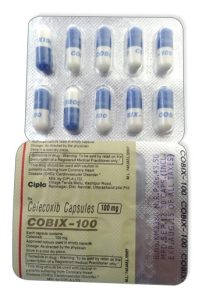
Celebrex
from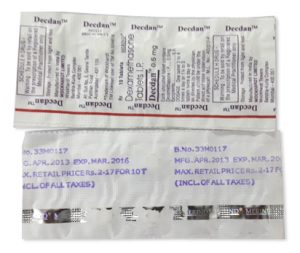
Decadron
from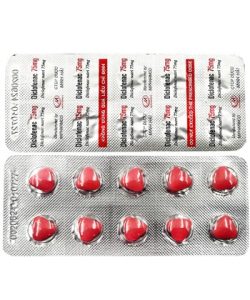
Diclofenac
from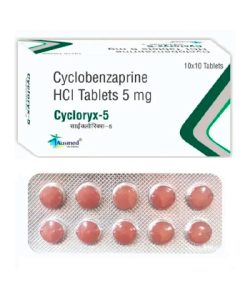
Flexeril
from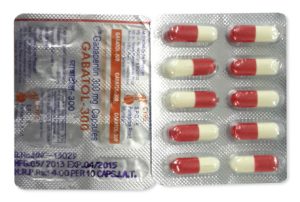
Gabapentin
from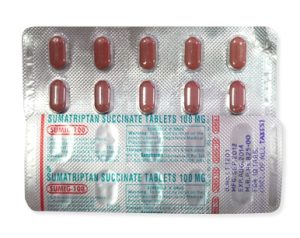
Imitrex
from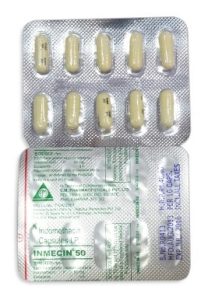
Indocin
from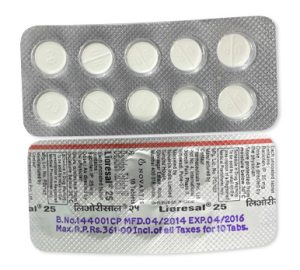
Lioresal
from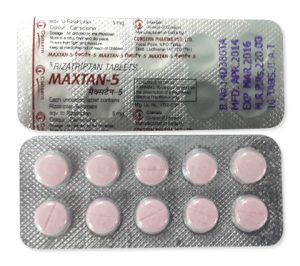
Maxalt
from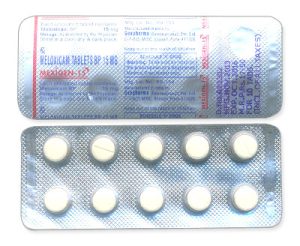
Mobic
from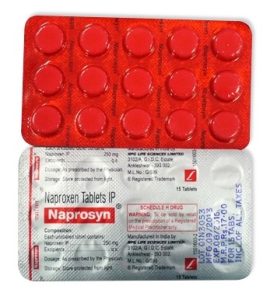
Naprosyn
from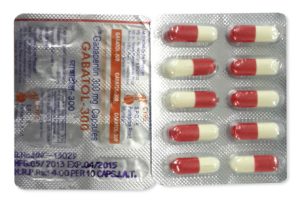
Neurontin
from
Phenazopyridine
from
Pyridium
from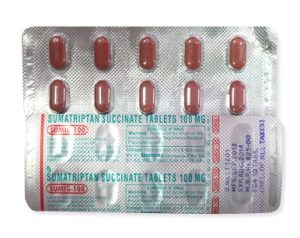
Sumatriptan
from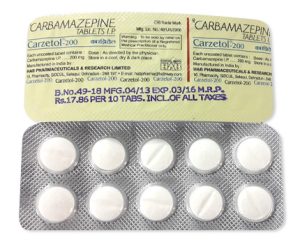
Tegretol
fromOver-the-Counter Pain Relievers
Over-the-counter pain medications are among the most commonly used treatments for managing mild to moderate pain. These medications are easily accessible without a prescription and are effective for headaches, muscle aches, menstrual cramps, and general body pain. The three main types of OTC pain relievers include acetaminophen, ibuprofen, and naproxen sodium, each working differently in the body to reduce pain and inflammation.
Acetaminophen
Acetaminophen is widely available under brand names like Tylenol and is popular for reducing fever and mild to moderate pain. It’s commonly used for headaches, toothaches, and general body aches. Acetaminophen works by reducing pain signals in the brain and is gentle on the stomach for most users. Common dosages range from 325mg to 650mg tablets, with extended-release options available for longer-lasting relief lasting up to eight hours.
Ibuprofen
Ibuprofen products, sold as Advil and Motrin, reduce pain, fever, and inflammation simultaneously. This medication is particularly effective for menstrual cramps, muscle strains, and inflammatory conditions. Ibuprofen tablets typically come in 200mg doses, with some users taking multiple tablets for stronger relief. Regular strength usually provides four to six hours of relief per dose.
Naproxen Sodium
Naproxen sodium, marketed as Aleve, offers longer-lasting pain relief compared to other OTC options, with effects lasting up to twelve hours. This makes it ideal for chronic pain management or situations where frequent dosing isn’t convenient. Naproxen is particularly effective for arthritis pain and muscle soreness.
Prescription Strength Pain Medications
When over-the-counter options aren’t sufficient, prescription pain medications provide stronger relief for moderate to severe pain. These medications are prescribed by healthcare providers for specific conditions and require careful monitoring due to their potency. Prescription pain relievers include stronger NSAIDs, muscle relaxants, and opioid medications prescribed under controlled circumstances.
Prescription NSAIDs
Prescription NSAIDs like Celebrex and Meloxicam offer stronger anti-inflammatory benefits than their OTC counterparts. These medications are commonly prescribed for chronic conditions like arthritis and inflammatory joint pain. Healthcare providers carefully monitor patients on prescription NSAIDs due to potential cardiovascular and gastrointestinal side effects with long-term use.
Muscle Relaxants
Muscle relaxants such as cyclobenzaprine and methocarbamol are prescribed for muscle spasms and acute muscle injuries. These medications work differently than pain relievers by relaxing tense muscles and reducing pain caused by muscle tension. They’re often prescribed following sports injuries or muscle strains.
Opioid Medications
Opioid medications are prescribed for severe pain that doesn’t respond to other treatments. Common options include codeine, hydrocodone, and oxycodone. These powerful medications require careful use, as they carry risks of dependency and side effects. Opioids are typically prescribed for short-term acute pain or cancer-related pain management, always with clear dosing instructions and monitoring from healthcare providers.
Topical Pain Relief Solutions
Topical pain relief products offer localized treatment by applying medication directly to the skin over painful areas. These products work well for arthritis, muscle soreness, strains, and minor injuries without affecting the entire body. Topical options include creams, gels, patches, and ointments containing various active ingredients.
Menthol-Based Products
Menthol-based products like Bengay and Icy Hot create warming or cooling sensations that distract from pain and increase blood flow to affected areas. These rubs are popular for muscle soreness, arthritis pain, and general body aches. The cooling sensation provides immediate relief, while the warming effect encourages healing.
Salicylate Creams
Salicylate creams contain aspirin-like compounds that reduce inflammation directly at the application site. Products containing methyl salicylate are effective for joint pain and muscle aches. These topical solutions penetrate skin layers to reach underlying tissues without systemic side effects.
Capsaicin Cream
Capsaicin cream, derived from chili peppers, blocks pain signals in the skin. This option is increasingly popular for arthritis pain, neuropathic pain, and muscle soreness. Regular application builds effectiveness over time, with users typically experiencing significant relief within one to two weeks.
Pain Relief Patches
Pain relief patches like Salonpas deliver medication through the skin over several hours. These convenient options are ideal for people on the go or those who prefer not to take pills. Patches provide consistent pain relief and are discreet enough to wear under clothing.
Natural and Alternative Pain Management
Many people seek natural alternatives for pain management, using supplements, herbs, and complementary approaches alongside conventional treatments. Natural options often have fewer side effects and align with holistic health philosophies. Common natural pain relief options include herbal supplements, essential oils, and other botanical remedies.
Turmeric and Curcumin
Turmeric and curcumin supplements are popular for managing arthritis and chronic inflammation. The active compound curcumin has been studied extensively for anti-inflammatory properties. Many users combine turmeric supplements with black pepper to enhance absorption and effectiveness.
Ginger Supplements
Ginger supplements have traditional use for pain relief and inflammation reduction. Fresh ginger, ginger capsules, and ginger tea are all available options. Research supports ginger’s effectiveness for muscle pain, menstrual cramps, and joint inflammation.
Glucosamine and Chondroitin
Glucosamine and chondroitin are widely used for joint health and arthritis pain management. These supplements support cartilage health and may reduce pain associated with osteoarthritis. Users typically take these long-term as preventative measures for joint deterioration.
Additional Natural Options
Arnica, available as creams, gels, and supplements, traditionally treats bruises and muscle soreness. Many athletes use arnica products after workouts or injuries for faster recovery. Essential oils like eucalyptus, peppermint, and lavender offer aromatic pain management through massage oils or diffusion. When diluted properly and applied topically, these oils complement other pain management strategies.
Pain Relief for Specific Conditions
Different types of pain require targeted approaches, with specific products designed for particular conditions. Understanding which pain reliever works best for your situation ensures maximum effectiveness and safety. Here are common conditions with their recommended treatments:
- Headaches and Migraines: Respond well to acetaminophen, ibuprofen, or specialized migraine medications. Triptans like sumatriptan provide targeted relief for severe migraines. Over-the-counter combination products containing caffeine enhance pain relief effectiveness for many users.
- Arthritis Pain: Requires long-acting relief, making Aleve or prescription NSAIDs popular choices. Topical creams, glucosamine supplements, and capsaicin products also provide arthritis-specific relief. Many arthritis sufferers use combination approaches for optimal pain management.
- Menstrual Cramps: Respond particularly well to ibuprofen and naproxen sodium taken at the first sign of cramping. These NSAIDs reduce the uterine inflammation causing cramping pain. Prescription options are available for severe dysmenorrhea unresponsive to over-the-counter treatments.
- Back and Muscle Pain: Benefits from topical treatments, muscle relaxants, and anti-inflammatory medications. Heat therapy combined with pain relievers often provides superior results. Prescription muscle relaxants may be necessary for severe acute injuries.
- Dental Pain: Typically responds to acetaminophen or ibuprofen as temporary solutions before dental treatment. Topical anesthetics with benzocaine provide numbing relief for tooth sensitivity and minor oral pain.
Choosing the Right Pain Relief Option
Selecting appropriate pain relief requires considering pain type, severity, duration, and personal health factors. Consulting with pharmacists or healthcare providers ensures safe and effective pain management. Understanding medication interactions and contraindications prevents complications and ensures optimal results.
Assessment starts with identifying pain type and severity. Mild pain responds to OTC options, while moderate to severe pain may require prescription strength. Chronic pain management differs from acute injury treatment, requiring different strategies and medications.
Individual factors including age, existing health conditions, medications, and allergies must be considered. Older adults may require adjusted dosages or alternative medications. Pregnant women need pregnancy-safe pain relief options. Individuals with liver or kidney conditions need careful medication selection.
Duration of use affects medication choices, as some pain relievers are safe for occasional use but problematic for long-term daily use. NSAIDs used long-term carry cardiovascular and gastrointestinal risks. Opioids for extended periods create dependency concerns requiring careful monitoring.
Combination therapy often provides better results than single medications. Combining topical treatments with oral pain relievers, adding heat therapy, or using multiple supplements creates synergistic effects. However, avoiding duplicate medication ingredients prevents overdosing on specific compounds.
Professional consultation with pharmacists, doctors, or pain management specialists guides appropriate selection. Pharmacists can identify potential drug interactions and recommend optimal options for individual situations. Healthcare providers assess underlying conditions requiring specialized treatment approaches beyond simple pain relief.