Phenazopyridine
In brief
- In many pharmacies you can buy phenazopyridine without a prescription for certain OTC products (for example, 95 mg Uristat in the US); higher strengths (100–200 mg) are often prescription-only in many countries. Availability varies by country and retailer (CVS, Walgreens, online pharmacies and generics suppliers); always check local regulations.
- Phenazopyridine is used as a urinary tract analgesic to relieve pain, burning, urgency, and frequency associated with cystitis, urethritis, or prostatitis; it works by a topical/local analgesic effect on the urinary tract mucosa (exact mechanism not fully understood) and is not an antibiotic.
- Usual adult dosage is 100–200 mg orally three times daily after meals (some OTC products are 95 mg three times daily); total daily dose commonly equals about 600 mg. Use should be short-term (generally no more than 2 days when given with antibacterial therapy).
- Administered orally as tablets (including uncoated tablet formulations); no injectable or topical forms are used.
- Onset of symptomatic relief is often rapid—many people notice improvement within about 30 minutes to a few hours after the first dose.
- Duration of action after a dose typically covers several hours (commonly taken three times daily to maintain effect, roughly every 6–8 hours).
- Avoid heavy alcohol consumption and use caution with alcohol—alcohol may increase gastrointestinal upset, dizziness, and may worsen liver-related risks; avoid alcohol especially if you have hepatic impairment or take other hepatotoxic drugs.
- The most common side effect is harmless urine discoloration (orange to red); other common effects include headache and gastrointestinal upset (nausea); rare but serious risks include hemolytic anemia in G6PD deficiency and methemoglobinemia.
- Would you like to try “phenazopyridine” without a prescription?
Basic Phenazopyridine Information
- INN (International Nonproprietary Name): Phenazopyridine
- Brand Names Available In United States: Pyridium (tablets 100 mg, 200 mg), Uristat (uncoated tablets 95 mg OTC), and multiple generics marketed by major manufacturers and distributors.
- ATC Code: G04BX06
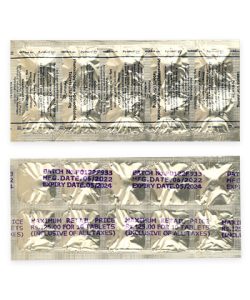
- Forms & Dosages: Oral tablets commonly available as 95 mg uncoated OTC tablets and 100 mg or 200 mg tablets in blister packs or bottles; no injectable, topical, or cream forms documented.
- Manufacturers In United States: Widely available as generics from major suppliers and distributed through retail pharmacy chains such as CVS and Walgreens; global manufacturers in the supply chain include Teva, Cipla, Sun Pharma, Alkem, Zentiva and others.
- Registration Status In United States: FDA-listed products include OTC 95 mg preparations; some branded or stronger formulations remain prescription-only or are supplied as generics. Many legacy brands have been discontinued but OTC and generic supplies persist.
- OTC / Rx Classification: In the United States, 95 mg products (for example, Uristat) are available over the counter; higher strengths (100 mg and 200 mg) are typically prescription-only.
Everyday Use & Best Practices
Morning Vs Evening Dosing
- Phenazopyridine dosing is usually 100–200 mg three times daily after meals for adults, aligning with the standard phenazopyridine dosing regimen.
- Take doses after breakfast, lunch, and dinner to reduce stomach upset and help remember each intake.
- If bladder pain wakes you at night, take the evening dose after dinner rather than adding an extra late-night dose.
- Do not exceed the defined daily dose of 600 mg per day (DDD 0.6 g/day).
- Keep a simple checklist: morning (after breakfast), midday (after lunch), evening (after dinner) — same rhythm each day improves adherence.
Taking With Or Without Meals
- Take phenazopyridine after meals to lower the chance of gastrointestinal side effects.
- Follow product-specific instructions because OTC 95 mg formulations differ from prescription 100–200 mg tablets in labeling and recommended use.
- Drink water as usual; there are no major food restrictions associated with phenazopyridine.
- Do not double a dose if you miss one; take the next scheduled dose when it’s due.
- Important: limit phenazopyridine to short-term use (generally no more than 48 hours) when taking antibiotics to avoid masking a continuing infection.
Safety Priorities
Who Should Avoid It
People with significant kidney disease or renal insufficiency should avoid phenazopyridine because the drug is excreted in urine and can accumulate.
Severe hepatic impairment is listed as an absolute contraindication; avoid use without specialist advice.
Anyone with known G6PD deficiency should not take phenazopyridine due to the risk of hemolytic anemia.
Pediatric use is generally not recommended unless specifically advised by a clinician and documented for a product.
Hypersensitivity to phenazopyridine or related compounds is an absolute contraindication.
Activities To Limit
- Stop And Call Doctor if you experience shortness of breath, unexplained rapid heartbeat, blue-gray skin or lips, persistent dark urine, yellowing of eyes/skin, or severe fatigue — these can signal methemoglobinemia or hemolytic anemia.
- Avoid driving or operating heavy machinery until you know whether phenazopyridine causes dizziness or headache for you.
- Expect orange/red urine; this is harmless but can stain fabric and interfere with urine colorimetric tests.
- Limit reliance on analgesic effects beyond 48 hours when taking antibiotics; phenazopyridine can mask worsening infection.
Dosage & Adjustments
General Regimen
For adults with symptomatic bladder pain, the typical regimen is 100–200 mg orally three times daily after meals.
OTC uncoated tablets in the US are commonly 95 mg (for example, Uristat) and differ from prescription 100–200 mg products in labeling and availability.
The defined daily dose (DDD) for phenazopyridine is 600 mg per day; avoid exceeding this limit.
Maximum recommended duration is usually two days when used with antibacterial therapy to prevent masking of an underlying infection.
Special Cases
| Population | Adjustment / Recommendation |
|---|---|
| Children | Not recommended; use not established. |
| Elderly | Start at lowest effective dose; monitor renal function closely. |
| Renal Impairment | Avoid or contraindicated; risk of accumulation and toxicity. |
| Hepatic Impairment | Insufficient data; avoid unless clearly necessary. |
| Missed Dose / Overdose | Missed: take when remembered unless close to next dose. Overdose: seek immediate medical care (risk of methemoglobinemia, hemolysis). |
User Testimonials
Positive Reports
- Rapid relief of burning and urgency within hours of first dose is commonly reported by users who tried phenazopyridine for UTI pain.
- Many say the evening dose improved sleep because pain and urgency eased.
- Shoppers on weekends note phenazopyridine or Uristat provided comfort while waiting to see a clinician or while starting antibiotics.
- Users praise the simplicity of a three-times-daily Pyridium routine when managing short-term dysuria.
Common Challenges
- Start here: stop and call your provider if you develop breathing difficulties, persistent dark urine, jaundice, or severe weakness — rare but serious signs reported.
- Most common complaints are orange/red urine, mild headache, and stomach upset; these are usually transient.
- Some users overuse phenazopyridine to delay seeking care; regulators limit short-course use (typically ≤2 days with antibiotics) to prevent masking infection.
- Brand context: Uristat OTC is usually 95 mg; Pyridium tablets come in 100–200 mg prescription strengths or generics at varying prices.
Buying Guide
Pharmacy Sources
Phenazopyridine is sold OTC in the United States in 95 mg uncoated tablets such as Uristat, while 100–200 mg tablets are commonly prescription-only.
Major retail pharmacies like CVS and Walgreens, and licensed online pharmacies, stock branded and generic phenazopyridine formulations from established manufacturers.
International brand names include Phenazo and Urobiotic; labels in Spanish- or Portuguese-speaking markets often use “fenazopiridina.”
Always verify the active ingredient and dose on the label before purchase.
Price Comparison
| Brand / Generic | Strength | OTC Or Rx | Typical Cost Notes |
|---|---|---|---|
| Uristat | 95 mg | OTC | Low-cost option for short-term relief; convenient retail packs. |
| Pyridium (brand) | 100 mg / 200 mg | Rx (higher strengths) | Prescription strength tablets may be higher cost; insurance may apply. |
| Generic Phenazopyridine | 95–200 mg | OTC / Rx depending on strength | Generics can be the most affordable option when available. |
Purchase tip: buy from licensed pharmacies to avoid counterfeit products.
What’s Inside & How It Works
Ingredients Overview
The active ingredient is phenazopyridine, a urinary tract analgesic found in tablet formulations.
Common strengths include 95 mg uncoated OTC tablets and 100 mg or 200 mg coated tablets found by prescription or as generics.
Formulations contain inactive binders and coatings; no injectable or topical forms are documented.
Store at room temperature between 15°C and 30°C (59°F–86°F), protecting from moisture and light.
Mechanism Basics
- Active Effect: phenazopyridine provides local topical analgesia to the urinary mucosa after it is excreted into the urine.
- Inactive Effect: it does not have antibacterial action and will not clear a UTI.
- Lab Interference: colored urine (orange/red) can interfere with colorimetric dipstick tests and other urine assays; always tell lab personnel you have taken phenazopyridine.
- Classification: ATC code G04BX06 — an “other urological” agent used for symptomatic relief.
Main Indications
Approved Uses
Phenazopyridine is indicated for short-term symptomatic relief of dysuria — burning, pain, and urgency — associated with cystitis, prostatitis, or urethritis.
It is intended as adjunctive therapy to ease symptoms while appropriate antibacterial therapy treats the underlying infection.
Regulatory guidance commonly restricts duration to two days when coadministered with antibiotics to prevent masking serious disease.
Off-Label Uses
- Some clinicians prescribe phenazopyridine briefly for noninfectious urinary irritation after urological procedures or catheter insertion, but such use should be cautious.
- It should never replace antibiotics when a bacterial infection is suspected or confirmed.
- Always document phenazopyridine use before urine testing to avoid diagnostic confusion.
- Appropriate: short-term relief of dysuria during diagnostic workup. Inappropriate: sole therapy for suspected bacterial UTI.
Interaction Warnings
Food Interactions
No major food interactions are documented for phenazopyridine.
Taking the medication after meals helps minimize GI upset.
Avoid excessive alcohol while taking phenazopyridine if you experience dizziness or nausea.
Drug Conflicts
- Phenazopyridine can alter urine dipstick results for blood, leukocyte esterase, and nitrites — inform clinicians and lab staff.
- Avoid combining with strong oxidizing drugs when G6PD deficiency is a concern because of hemolysis risk.
- Use caution with other renally cleared or nephrotoxic drugs since renal impairment increases phenazopyridine risk.
- When in doubt, consult a pharmacist to check for interactions with current medications.
Latest Evidence & Insights
Clinical Guidance Highlights
Regulatory trends emphasize short-term use of phenazopyridine because it can mask infection and carries nephro- and hepatotoxicity risks when misused.
The FDA allows OTC 95 mg preparations while reserving higher strengths usually for prescription use.
Clinical evidence supports rapid symptomatic benefit within hours but confirms the drug does not clear infection.
Practical Research Takeaways
| Region / Guideline | Position |
|---|---|
| United States (FDA) | OTC 95 mg allowed; restrict duration with antibiotics to ≤2 days; label warnings required. |
| Europe (EMA/Member States) | Variation by country: many require prescription for higher strengths; some legacy OTC availability remains. |
| Canada / Australia / New Zealand | Typically prescription-only due to safety concerns and potential masking of infection. |
Defined daily dose for standardization is 600 mg/day; monitor vulnerable populations closely for rare hematologic events.
Alternative Choices
Symptomatic Alternatives
- For general pain relief consider NSAIDs such as ibuprofen, which help inflammation but do not act locally in the bladder.
- Antispasmodics like flavoxate (Urispas) or hyoscine butylbromide are options in some markets for urgency; availability varies.
- Over-the-counter AZO products may contain phenazopyridine or other active ingredients — always read the label to confirm contents.
Treating The Underlying Cause
- Phenazopyridine is not an antibiotic; treat confirmed bacterial UTIs with appropriate antimicrobials such as nitrofurantoin, fosfomycin, or trimethoprim-sulfamethoxazole.
- Recurrent UTI prevention strategies include behavioral measures, hydration, and in some cases methenamine hippurate under clinician guidance.
- If phenazopyridine is unsuitable because of renal disease, pregnancy, or G6PD deficiency, discuss alternatives with your provider.
Regulation Snapshot
United States Specifics
In the United States, 95 mg phenazopyridine products are available over the counter, while higher strengths (100 mg and 200 mg) are typically available by prescription.
FDA labeling emphasizes warnings about short-term use and urine discoloration to reduce the risk of masking serious infection.
International Variation
| Region | OTC Or Prescription Status |
|---|---|
| United States | 95 mg OTC; 100–200 mg usually Rx |
| European Union / EFTA | Varies by country; often prescription-only |
| Canada, Australia, New Zealand | Primarily prescription-only |
| Romania | Registered; local name “fenazopiridină” with varied OTC/Rx status |
FAQ Section
Will It Cure A UTI?
- No. Phenazopyridine relieves urinary pain but is not an antibiotic and will not cure an infection.
Why Is My Urine Orange?
- Orange or red urine is an expected and harmless effect of phenazopyridine and may stain fabrics or interfere with urine dipstick tests.
- Additional quick answers: maximum short-course use is typically two days with antibiotics; avoid use in kidney disease and G6PD deficiency; OTC options in the US are often 95 mg while 100–200 mg frequently require a prescription.
Guidelines For Proper Use
Step-By-Step Use
- Confirm the indication: symptomatic dysuria with suspected or confirmed infection.
- Choose the appropriate product and dose: 95 mg OTC for short-term relief or 100–200 mg Rx as prescribed when clinically indicated.
- Take after meals three times daily; do not exceed the defined daily dose of 600 mg/day.
- Limit use to 48 hours when coadministered with antibiotics to avoid masking a continuing infection.
- Monitor for signs of worsening infection such as fever or flank pain and stop phenazopyridine if severe symptoms appear.
When To Get Help
- Seek immediate medical attention for shortness of breath, blue-gray skin, rapid heart rate, persistent dark urine, jaundice, or worsening symptoms despite treatment.
- Store medication at room temperature (15–30°C / 59–86°F), protect from moisture and light, and keep it in original packaging.
- Always inform clinicians and labs that you have taken phenazopyridine before urine testing to prevent misinterpretation of results.
Delivery Across United States
| City | Region | Delivery Time |
|---|---|---|
| New York | Northeast | 5-7 days |
| Los Angeles | West | 5-7 days |
| Chicago | Midwest | 5-7 days |
| Houston | South | 5-7 days |
| Phoenix | West | 5-7 days |
| Philadelphia | Northeast | 5-7 days |
| San Antonio | South | 5-9 days |
| San Diego | West | 5-7 days |
| Dallas | South | 5-7 days |
| San Jose | West | 5-9 days |
| Austin | South | 5-9 days |
| Jacksonville | South | 5-9 days |
| Fort Worth | South | 5-9 days |
| Columbus | Midwest | 5-9 days |
Final Notes On Access And Safety
If you need short-term urinary pain relief, our pharmacy offers phenazopyridine without a prescription and discreet delivery across the United States in 5-14 days.
Remember that phenazopyridine is a urinary analgesic, not an antibiotic, and is best used as a brief adjunct while the underlying cause is diagnosed and treated.
When in doubt about dosing, renal or hepatic concerns, pregnancy, or G6PD deficiency, consult your clinician or pharmacist before using phenazopyridine.