
Asthma
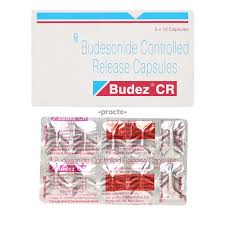
Budesonide Caps
from
Clenbuterol
from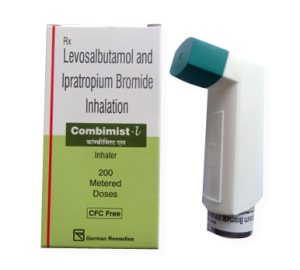
Combivent
from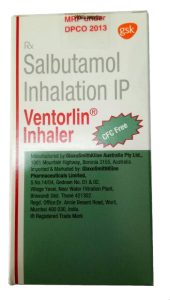
Proventil
from
Rhinocort
from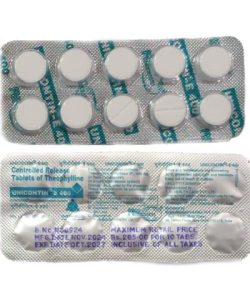
Theophylline
from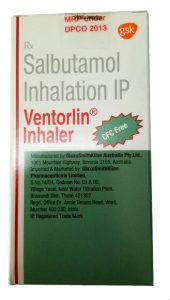
Ventolin Inhaler
fromUnderstanding Asthma: Causes and Symptoms
Asthma is a chronic respiratory condition that affects millions of Americans. It occurs when the airways in your lungs become inflamed and narrow, making it difficult to breathe. The condition can develop at any age, though it often begins in childhood. Common triggers include allergies, exercise, cold air, stress, and respiratory infections.
Symptoms of asthma vary from person to person but typically include shortness of breath, chest tightness, wheezing, and coughing, particularly at night or during physical activity. Some people experience mild symptoms, while others have more severe episodes. If you notice persistent coughing or difficulty breathing, consult your healthcare provider for proper diagnosis and management.
Quick Relief Medications (Rescue Inhalers)
Quick relief medications are designed to provide immediate help during asthma attacks or when symptoms suddenly worsen. These bronchodilators work rapidly to open your airways and restore normal breathing. Most people with asthma carry a rescue inhaler with them at all times.
Albuterol is the most commonly prescribed rescue medication in the United States. Available under brand names like ProAir, Ventolin, and Proventil, albuterol acts within minutes to relieve wheezing and shortness of breath. Levalbuterol, sold as Xopenex, is another option that some patients tolerate better. Both medications are available in inhaler form and should be used as directed by your doctor. Typically, if you need your rescue inhaler more than twice a week, discuss with your healthcare provider about adjusting your treatment plan.
Long-Term Control Medications
Long-term control medications are taken daily to prevent asthma symptoms and reduce inflammation in the airways. These medications are essential for people with persistent asthma and help reduce the frequency and severity of attacks over time.
Inhaled corticosteroids are the most effective long-term asthma controllers. Common options include fluticasone, available as Flovent, and budesonide, marketed as Pulmicort. These medications reduce airway inflammation and prevent symptoms from developing. Combination inhalers like Advair, Symbicort, and Dulera combine corticosteroids with long-acting bronchodilators for enhanced effect. Long-acting beta-agonists such as salmeterol and formoterol are often paired with corticosteroids but should never be used alone as monotherapy. Leukotriene modifiers like montelukast and zafirlukast, including the well-known brand Singulair, are oral medications that help control inflammation and are particularly useful for exercise-induced or allergy-related asthma.
Biologic and Advanced Treatment Options
For patients with moderate to severe asthma that doesn’t respond well to standard medications, biologic therapies offer newer treatment approaches. These medications target specific immune pathways involved in asthma inflammation.
Monoclonal antibodies represent a major advancement in asthma care. Omalizumab, marketed as Xolair, targets IgE antibodies and is used for allergic asthma. Dupilumab, known as Dupixent, addresses type 2 inflammation and has proven effective for moderate to severe eosinophilic asthma. Mepolizumab, available as Nucala, specifically targets eosinophils and benefits patients with eosinophilic asthma. Reslizumab, sold as Cinqair, works similarly for severe eosinophilic asthma. Benralizumab, marketed as Fasenra, is another eosinophil-targeting option. These advanced therapies are typically prescribed by specialists and require careful monitoring, but they significantly improve quality of life for many patients with difficult-to-control asthma.
Managing Asthma Triggers and Prevention
Effective asthma management involves identifying and avoiding triggers that worsen your symptoms. Common triggers include:
- Dust mites and pet dander
- Pollen and mold
- Air pollution and smoke
- Cold air and weather changes
- Exercise and physical exertion
- Stress and strong emotions
- Respiratory infections
Keeping your home clean, using air filters, and maintaining proper humidity levels can help reduce exposure to these irritants. Allergies frequently trigger asthma symptoms, so managing allergies is crucial. If you have allergic asthma, allergy testing and immunotherapy might help. Exercise-induced asthma can be managed by using your rescue inhaler before physical activity or choosing appropriate exercise types.
Maintaining good overall health through regular exercise, a balanced diet, and stress management strengthens your respiratory system. Weather changes, especially cold air, can trigger symptoms, so protect your airways with a scarf in winter. Respiratory infections from colds or flu can worsen asthma, making annual flu vaccinations important. Keep detailed records of when symptoms occur to identify your personal triggers and work with your doctor to create an asthma action plan.
Creating Your Asthma Action Plan and When to Seek Help
An asthma action plan is a written guide developed with your healthcare provider that outlines your daily treatment, how to recognize worsening symptoms, and what to do during an asthma attack. This plan is essential for managing your condition effectively and should be reviewed and updated regularly.
Your action plan should include your daily medications, peak flow readings that indicate good control, warning signs that indicate worsening asthma, steps to take when symptoms appear, and when to contact your doctor or seek emergency care. Know the difference between manageable symptoms and medical emergencies. Seek immediate emergency care if you experience severe shortness of breath, chest pain, confusion, or if your rescue inhaler doesn’t improve your symptoms within 15 to 20 minutes.
Regular check-ups with your healthcare provider help ensure your treatment plan remains effective. Many people successfully control their asthma with proper medication adherence and trigger avoidance, allowing them to live active, normal lives. Don’t hesitate to ask your pharmacist or doctor questions about your medications or symptoms—they’re your partners in managing this condition effectively.