Proventil
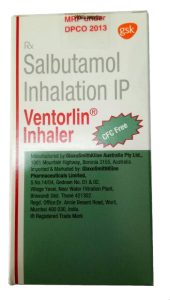
In brief
- Proventil (albuterol) is available in pharmacies and from online suppliers in many countries; while albuterol inhalers are prescription-only in most jurisdictions, some pharmacies or countries allow behind-the-counter or non-prescription sale, and availability of the Proventil brand is discontinued in the USA though generic albuterol inhalers are widely sold.
- Proventil is used as a fast-acting bronchodilator to relieve acute bronchospasm in asthma and other reversible airway diseases; it is a short-acting beta-2 adrenergic agonist that relaxes bronchial smooth muscle.
- Usual inhaler dose for adults and adolescents is 2 inhalations (90 mcg each) every 4–6 hours as needed; for children ≥4 years, 1–2 inhalations as needed. Typical nebulizer dose is ~2.5 mg for adults and 1.25–2.5 mg for children per treatment.
- Administered by metered dose inhaler (HFA) or as a nebulizer solution; less commonly available as oral tablets or syrup in some regions.
- Onset of action is rapid — typically within about 5 minutes after inhalation, with meaningful relief often felt within 5–15 minutes.
- Duration of action is generally 4–6 hours per dose for symptom relief.
- Avoid excessive alcohol around dosing — alcohol can worsen dizziness, tachycardia, and other side effects; use caution rather than consuming large amounts.
- The most common side effect is tremor; other frequent effects include nervousness, headache, throat irritation, cough, and palpitations.
- Would you like to try proventil without a prescription?
Basic Proventil Information
- INN (International Nonproprietary Name): Albuterol (also known internationally as Salbutamol).
- Brand Names Available In United States: Proventil® (brand discontinued in USA); generic albuterol HFA and other brand alternatives such as Ventolin® are available.
- ATC Code: R03AC02
- Forms & Dosages: Metered dose inhaler 90 mcg per actuation (typically 200 actuations/canister); nebulizer solutions commonly 0.083% and 0.5%; oral tablets and syrup (2 mg, 4 mg, 2 mg/5 mL) sold in some countries but are less common.
- Manufacturers In United States: Original U.S. brand by Schering‑Plough (brand discontinued); generic manufacturers include Teva, Sandoz, Mylan and others.
- Registration Status In United States: Proventil HFA formerly approved and now discontinued as a brand; generic albuterol HFA inhalers remain FDA‑approved and available by prescription.
- OTC / Rx Classification: Prescription Only (Rx) in most jurisdictions; some countries allow pharmacy‑level access behind the counter but not true OTC.
Worried about an asthma flare and how to keep your rescue inhaler working for you?
Follow your prescribed rescue plan and carry your inhaler at all times.
Use the lowest effective dose that relieves symptoms.
Historically, Proventil HFA delivered 90 mcg per actuation with about 200 actuations per canister.
The Proventil brand is discontinued in the U.S., but generic albuterol HFA products and equivalents such as Ventolin remain widely available.
If you need your rescue inhaler more than two days per week for regular symptom relief (excluding exercise prophylaxis) that signals poor asthma control.
Call your clinician to reassess controller therapy if rescue use is frequent.
An overdose can be life‑threatening; severe tachycardia, tremor, or chest pain warrant emergency care.
Store inhalers at room temperature, ideally 15–25°C, and do not expose canisters to temperatures above 120°F (49°C).
Do not puncture or incinerate empty canisters.
Everyday integration tips: keep one rescue inhaler at home and one in your bag, use a spacer for easier coordination, and set phone reminders to check the dose counter and refill before the last 20 actuations.
Prefer a small checklist or quick‑reference card in your pocket for fast decisions during symptoms.
Morning Vs Evening Dosing
When should I use a rescue inhaler: at first sign of symptoms, not on a fixed morning schedule.
Albuterol is a rescue bronchodilator intended for as‑needed relief of acute bronchospasm rather than routine maintenance.
Typical rescue dosing for adults and adolescents is two inhalations (90 mcg each) every 4–6 hours as needed.
For exercise‑induced bronchospasm, take two inhalations 15–30 minutes before activity for prevention.
Timing of daily use is dictated by symptoms rather than breakfast or bedtime.
Evening doses deserve caution if tremor or palpitations affect sleep.
If night‑time symptoms force frequent evening doses, contact your clinician about stepping up controller therapy.
Children ≥4 years may use one to two inhalations as needed, following pediatric dosing instructions.
Practical tips: carry an extra canister for travel and use a spacer to improve delivery and coordination.
Keep a dose‑counting sticker or set reminders to replace the inhaler before the last 20 actuations.
Quick reference table: Rescue Dosing — Adults/Adolescents: 2 puffs (90 mcg each) every 4–6 hours PRN; EIB Prophylaxis — 2 puffs 15–30 minutes before exercise.
Taking With Or Without Meals
Does food matter when using an albuterol inhaler? No, inhaled albuterol can be used with or without food.
Oral formulations such as tablets or syrup are less common in the U.S. and may be influenced by stomach tolerance.
Inhaled delivery acts locally in the lungs and bypasses most gastrointestinal effects.
If you use oral albuterol for any reason, follow clinician guidance on timing with meals.
Always carry your rescue inhaler regardless of meal timing; quick access matters more than coordination with food.
For patients who experience tremor or palpitations after dosing, avoid taking doses close to bedtime.
Spacer use reduces oropharyngeal deposition and makes inhalation independent of meal schedules.
Practical daily steps: prepare inhaler and spacer ahead of exercise, prime the inhaler if not used for several days, and rinse mouth only if advised for other medications.
Who Should Avoid It
Do I have to avoid albuterol if I have heart disease? Use caution if you have significant cardiac conditions.
Absolute contraindication is known hypersensitivity to albuterol or to formulation components.
Some inhaler formulations contain lactose; avoid if you have severe hypersensitivity to milk proteins.
Use caution or avoid in patients with cardiac arrhythmias, coronary artery disease, uncontrolled hypertension, or hyperthyroidism.
Exercise extra caution in people with seizure disorders or labile diabetes since beta‑agonists can increase blood glucose.
Pregnancy and lactation require a clinician risk/benefit discussion before use.
Elderly patients often require no formal dose change but merit cardiac monitoring because of increased sensitivity.
If you are on digoxin or diuretics that lower potassium, mention this to your clinician because beta‑agonists can affect potassium levels.
Activities To Limit
Which activities should I avoid after taking albuterol? Avoid driving, operating machinery, or heavy equipment if you develop tremor, dizziness, palpitations, or excessive tachycardia.
Refrain from strenuous competitive exercise until symptoms resolve if you experience significant cardiovascular side effects.
Monitor blood glucose if you have diabetes, as albuterol may transiently raise blood sugar.
Be aware of paradoxical bronchospasm, a rare but serious reaction that causes worsening breathing after use; stop the inhaler and seek care immediately if this happens.
Checklist for avoidance: known hypersensitivity, severe milk‑protein allergy to lactose‑containing inhalers, unstable cardiac disease, uncontrolled hypertension, and significant tremor affecting task performance.
General Regimen
What is the standard rescue regimen? Adults and adolescents typically use two inhalations (90 mcg each) every 4–6 hours as needed for acute bronchospasm.
Children aged four years and older usually use one to two inhalations as needed, per pediatric instruction.
For exercise‑induced bronchospasm, two inhalations 15–30 minutes before exercise are standard.
Nebulizer dosing for adults is commonly 2.5 mg per treatment, and pediatrics 1.25–2.5 mg per treatment.
Always aim for the lowest effective dose that relieves symptoms.
If you need frequent doses, your clinician should reassess controller therapy rather than increasing rescue inhaler frequency.
Keep a symptom diary and track puffs per week; more than two days per week of rescue use (except EIB) signals suboptimal control.
Special Cases
What about children under four, elderly, or organ impairment? Children younger than four should get specialist guidance before using inhaled albuterol.
Elderly patients typically do not require formal dose reductions but should be monitored for cardiac effects.
Renal or hepatic impairment does not have a formal dose adjustment, but careful monitoring is recommended due to possible increased sensitivity.
Pregnancy and lactation require individualized risk/benefit decisions with your clinician.
If you have difficulty coordinating actuation and inhalation, use a spacer or consider nebulized treatment for acute severe episodes.
Checklist for adjustments: pediatric specialist consultation <4 years, cardiac monitoring in elderly or those with heart disease, check potassium in patients on potassium‑lowering drugs.
Positive Reports
What do patients like about albuterol? Many users praise the rapid symptom relief, often within minutes of inhalation.
Patients report quick reduction in wheeze and chest tightness after one or two puffs.
Using a pre‑exercise dose gives confidence to stay active and prevents predictable exercise‑induced bronchospasm.
Users appreciate portable metered dose inhalers and clear dose counters for planning refills.
Testimonials commonly mention that a reliable rescue inhaler reduces anxiety during minor flares.
Common Challenges
What problems do people commonly face? Tremor, jitteriness, and palpitations are frequent side effects that bother some users.
Confusion about brand names is common—Proventil is discontinued in the U.S., but generic albuterol and brands such as Ventolin are equivalent options.
Some patients struggle with coordinating breathing and actuation; a spacer often solves this.
Overuse of rescue inhalers is a common problem; patients sometimes rely on SABAs instead of adjusting controller therapy.
Practical patient tips: keep a symptom diary, count puffs per week, and practice proper technique with a clinician or pharmacist.
When your weekly rescue use exceeds two days, call your clinician for a medication review.
Pharmacy Sources
Where can you buy albuterol? Albuterol inhalers and equivalent products are prescription‑only in most places and are available at retail pharmacies and mail‑order online pharmacies with a valid prescription.
Generics and branded equivalents are made by manufacturers such as Teva, Mylan, Sandoz, and GlaxoSmithKline (Ventolin).
Check your insurer’s formulary to see which generic or brand is preferred to lower out‑of‑pocket costs.
Manufacturer savings programs, copay cards, and pharmacy coupons can reduce the price of branded inhalers.
In our online pharmacy, proventil is available without a prescription, with discreet delivery to United States in 5-14 days.
Price Comparison
How to save: choose generics, compare retail vs mail‑order 90‑day supplies, and check manufacturer assistance programs.
Look up typical packaging: 90 mcg per actuation, commonly 200 actuations per canister.
Compare prices across pharmacies and factor in shipping and wait times for mail‑order options.
Checklist for buying: valid prescription (unless local rules differ), check insurance coverage, use generic substitution where possible, and apply coupons or patient assistance.
Ingredients Overview
What’s inside an albuterol inhaler? The active ingredient is albuterol (salbutamol internationally) as albuterol sulfate in many formulations.
Metered dose inhalers such as Proventil HFA historically used hydrofluoroalkane (HFA) propellants and deliver metered 90 mcg doses per actuation.
Formulations include the active drug plus propellant and excipients; some inhalers contain lactose as a carrier, which is relevant for severe milk‑protein allergy.
Nebulizer solutions are aqueous albuterol sulfate in concentrations such as 0.083% or 0.5%.
Mechanism Basics
How does albuterol work? Albuterol is a short‑acting beta‑2 adrenergic agonist that relaxes bronchial smooth muscle.
It binds beta‑2 receptors in the airways, causing smooth muscle relaxation and bronchodilation within minutes.
Inhaled administration produces local airway effects and reduces systemic exposure compared with oral forms.
Typical mechanism steps: receptor activation → smooth muscle relaxation → airway widening → symptom relief.
Approved Uses
What is albuterol approved for? Albuterol is indicated for relief of acute bronchospasm in reversible obstructive airway diseases such as asthma and COPD.
It is also indicated for prevention and treatment of exercise‑induced bronchospasm.
Standard rescue inhaler dosing is two inhalations (90 mcg each) every 4–6 hours as needed and two inhalations 15–30 minutes before exercise for prophylaxis.
Nebulized albuterol is commonly used for severe exacerbations or when inhaler technique is poor.
Off‑Label Uses
Are there off‑label uses? Short‑term bronchodilation for reversible airway obstruction from other causes may be an adjunctive or temporizing measure while controller therapy is adjusted.
Albuterol is not a long‑term monotherapy for chronic asthma control; frequent reliance on albuterol indicates need for controller therapy.
Food Interactions
Does food interact with albuterol? Inhaled albuterol has no major food interactions.
Oral formulations may cause GI upset for some people and could be timed around meals as advised by a clinician.
Drug Conflicts
Which drugs interact with albuterol? Avoid nonselective beta‑blockers because they can blunt albuterol’s effect and provoke bronchospasm.
Use caution with concurrent sympathomimetics due to additive cardiovascular effects.
MAO inhibitors and tricyclic antidepressants can potentiate cardiac side effects of beta‑agonists.
Diuretics that lower potassium can increase risk of hypokalemia when used with beta‑agonists.
Monitor ECG and potassium in patients with significant cardiac history or those on interacting medicines.
Recent Guideline Takes
What do recent guidelines emphasize? Albuterol remains the cornerstone rescue agent for acute relief and is on the WHO List of Essential Medicines.
Recent asthma guidance stresses minimizing overreliance on short‑acting beta‑agonists and addressing controller therapy when rescue use exceeds two days per week.
Digital inhaler aids, spacers, and patient education are recommended to improve inhaler technique and reduce overuse.
Safety Signals To Watch
What safety warnings are important now? Overdose risks include severe tachycardia, tremor, hypokalemia, and potentially fatal outcomes if extreme.
Paradoxical bronchospasm is a rare but serious adverse event—stop the inhaler and seek immediate care if breathing worsens after use.
Brand landscape note: Proventil is discontinued in the U.S., but generic albuterol HFA alternatives remain effective and available.
Short‑Acting Alternatives
What are other short‑acting bronchodilators? Brand alternatives include Ventolin, Airomir, Salamol, and the R‑isomer levalbuterol (Xopenex).
Levalbuterol may be chosen when clinicians seek to minimize perceived cardiac side effects, although strong evidence of superiority is mixed.
Terbutaline is another SABA available in some regions, generally used according to local practice.
When To Choose A Different Agent
When should you switch? If tremor or palpitations are severe, discuss levalbuterol or dose adjustments with your clinician.
If rescue inhaler use is frequent, step up controller therapy—such as inhaled corticosteroids or combination inhalers—rather than switching rescue agents alone.
Nebulized albuterol is preferred when inhaler technique is poor or during acute severe exacerbations.
U.S. Status
What is Proventil’s status in the U.S.? The Proventil brand is discontinued in the United States but generic albuterol HFA inhalers and other brands like Ventolin remain FDA‑approved and available by prescription.
Typical inhaler strength in the U.S. is 90 mcg per actuation with about 200 actuations per canister.
Global Availability
How common is albuterol worldwide? Albuterol (salbutamol) is widely available globally under many brand names and in multiple forms—MDIs, nebulizer solutions, and in some places oral preparations.
Regulatory access varies by country; most jurisdictions classify albuterol as prescription‑only.
Travelers should carry prescriptions and an inhaler action plan when crossing borders.
Quick Answers
Can I use albuterol more than twice a week? Routine use more than two days per week (excluding exercise prophylaxis) indicates suboptimal asthma control and should prompt clinical review.
Is Proventil still sold in the U.S.? Proventil brand is discontinued in the U.S.; generic albuterol HFA inhalers and Ventolin alternatives are commonly available.
What if I miss a dose? For rescue inhaler use, take as needed; do not double doses.
What about overdose? Overdose can be life‑threatening—seek emergency care for chest pain, severe tachycardia, or extreme tremor.
When To Call Your Clinician Or ER
Call your clinician if you need rescue doses more than two days per week, if symptoms progressively worsen, or if your inhaler provides poor relief.
Go to the emergency room for severe breathlessness, inability to speak due to shortness of breath, fainting, chest pain, or signs of overdose such as severe tachycardia and tremor.
Emergency checklist for your purse or fridge: severe shortness of breath, blue lips or face, fainting or severe dizziness, chest pain, and inability to speak in full sentences.
Step‑By‑Step Inhaler Technique
How do I use a metered dose inhaler correctly? Remove the cap and shake the inhaler well.
Prime the inhaler if it is the first use or after several days without use.
Exhale fully away from the inhaler, place the mouthpiece in your mouth or use a spacer.
Begin a slow, deep inhalation while pressing the canister once to release a puff.
Hold your breath for about 10 seconds, then exhale slowly.
If a second puff is required, wait one minute between puffs.
Spacers improve drug delivery for patients who have trouble coordinating actuation and inhalation.
Maintenance, Refills & Disposal
Track actuations: common canisters provide about 200 actuations; replace the inhaler before the last 20 actuations.
Store at room temperature (15–25°C) and protect from heat above 120°F (49°C).
Do not puncture or incinerate empty canisters.
Dispose according to local hazardous‑waste rules for aerosol cans.
Keep an inhaler action plan with refill reminders and emergency contact numbers.
Delivery Across United States
| City | Region | Delivery Time |
|---|---|---|
| New York | Northeast | 5-7 days |
| Los Angeles | West | 5-7 days |
| Chicago | Midwest | 5-7 days |
| Houston | South | 5-7 days |
| Phoenix | West | 5-7 days |
| Philadelphia | Northeast | 5-7 days |
| San Antonio | South | 5-9 days |
| San Diego | West | 5-9 days |
| Dallas | South | 5-7 days |
| San Jose | West | 5-9 days |
| Austin | South | 5-9 days |
| Jacksonville | South | 5-9 days |
| Fort Worth | South | 5-9 days |
| Columbus | Midwest | 5-9 days |