
Antidepressants
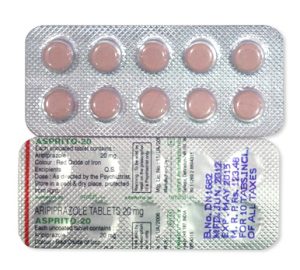
Abilify
from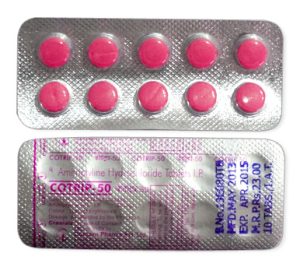
Amitriptyline
from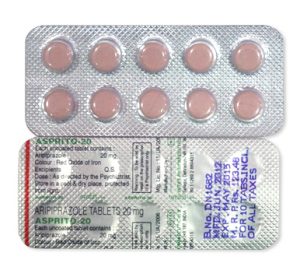
Aripiprazole
from
Bupropion
from
Celexa
from
Citalopram
from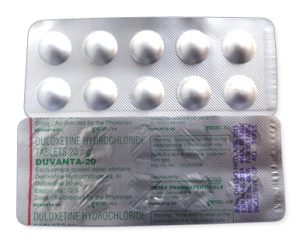
Cymbalta
from
Desyrel
from
Effexor
from
Effexor Xr
from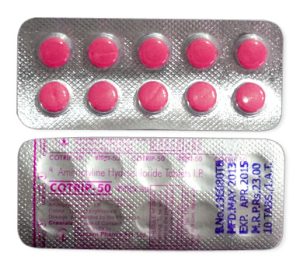
Elavil
from
Escitalopram
from
Fluoxetine
from
Lexapro
from
Lithium
from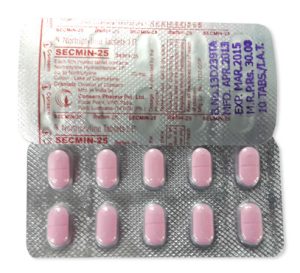
Pamelor
fromUnderstanding Antidepressants: What They Are and How They Work
Antidepressants are medications prescribed to treat depression, anxiety disorders, and other mental health conditions. These drugs work by balancing chemicals in the brain called neurotransmitters, which regulate mood, emotions, and mental well-being. When neurotransmitter levels become imbalanced, it can lead to depression and other psychiatric disorders. Antidepressants help restore this chemical balance, allowing patients to feel more like themselves again.
Different classes of antidepressants work in various ways. Some increase the availability of serotonin, dopamine, or norepinephrine in the brain. Others affect multiple neurotransmitter systems simultaneously. The specific medication prescribed depends on individual symptoms, medical history, and how the body responds to treatment. It’s important to understand that antidepressants don’t work like pain relievers; they typically take two to four weeks to show noticeable effects.
Common Types of Antidepressants Available in the US Market
Selective Serotonin Reuptake Inhibitors (SSRIs)
SSRIs are the most commonly prescribed antidepressants in the United States. They work by increasing serotonin levels in the brain. Popular SSRI medications include Sertraline (Zoloft), Fluoxetine (Prozac), Paroxetine (Paxil), Citalopram (Celexa), and Escitalopram (Lexapro). SSRIs are typically the first choice for treating depression because they have fewer side effects compared to older medications.
Serotonin-Norepinephrine Reuptake Inhibitors (SNRIs)
SNRIs work on two neurotransmitters instead of one. Common SNRIs available in America include Venlafaxine (Effexor XR), Duloxetine (Cymbalta), and Desvenlafaxine (Pristiq). These medications are effective for depression, anxiety disorders, and chronic pain conditions. SNRIs may be recommended when SSRIs haven’t provided adequate relief.
Tricyclic Antidepressants (TCAs)
TCAs are older medications that are still prescribed today. Examples include Amitriptyline (Elavil), Nortriptyline (Pamelor), and Imipramine (Tofranil). Though effective, TCAs often have more side effects than newer medications, so they’re typically prescribed when other treatments haven’t worked.
Monoamine Oxidase Inhibitors (MAOIs)
MAOIs like Phenelzine (Nardil) and Tranylcypromine (Parnate) are powerful antidepressants used when other medications fail. They require dietary restrictions and careful monitoring, so they’re usually prescribed as a last resort.
Conditions Treated with Antidepressants
Antidepressants are prescribed for much more than just depression. Major depressive disorder is the primary condition, characterized by persistent sadness, loss of interest in activities, and difficulty functioning daily. However, these medications also treat generalized anxiety disorder, which involves excessive worry and tension that interferes with daily life.
Antidepressants are effective for treating a wide range of mental health and related conditions:
- Panic disorder and social anxiety disorder
- Obsessive-compulsive disorder (OCD)
- Post-traumatic stress disorder (PTSD)
- Chronic pain conditions, including fibromyalgia and chronic headaches
- Bulimia nervosa and premenstrual dysphoric disorder
- Sleep disorders related to depression or anxiety
- Hot flashes in menopausal women (off-label use)
- Smoking cessation support
Your healthcare provider can determine which condition your antidepressant is intended to address and monitor its effectiveness over time.
Side Effects and Safety Considerations
Like all medications, antidepressants can cause side effects, though many people tolerate them well. Common side effects include nausea, headaches, dry mouth, and sleep disturbances. Some patients experience sexual dysfunction or weight changes. Fortunately, many side effects diminish after the first few weeks as the body adjusts to the medication.
More serious but rare side effects can include increased suicidal thoughts, especially in young adults under twenty-five during the first few weeks of treatment. This is why close monitoring is essential when starting antidepressants. Serotonin syndrome is a rare but serious condition that can occur when antidepressants interact with certain other medications.
It’s crucial to inform your doctor about all medications, supplements, and herbal products you’re taking. Some combinations can be dangerous. Never stop taking antidepressants abruptly without medical guidance, as withdrawal symptoms can occur. Pregnancy and breastfeeding require special consideration, and your doctor should evaluate the risks and benefits carefully.
Regular check-ins with your healthcare provider help monitor effectiveness and manage any side effects. Blood pressure and heart rate monitoring may be necessary with certain medications. Alcohol should be avoided or limited, as it can reduce medication effectiveness and increase side effects.
Finding the Right Antidepressant for You
Finding the ideal antidepressant often requires patience and professional guidance. What works wonderfully for one person may not work for another, or might cause different side effects. Your doctor will consider your specific symptoms, medical history, other medications, and any previous antidepressant experiences when making recommendations.
The trial-and-error process is normal in antidepressant treatment. Your first prescription might need adjustment, or a different medication might work better. Dosages often start low and increase gradually as your body adjusts. It typically takes four to six weeks to fully evaluate whether a medication is working for you.
Communicate openly with your healthcare provider about how you’re feeling. Report both improvements and any concerning side effects. Some patients benefit from combining antidepressants with therapy, such as cognitive behavioral therapy or talk therapy. This combination approach often provides better results than medication alone. Be honest about your lifestyle, stress levels, and any environmental factors affecting your mood.
Lifestyle and Additional Support While Taking Antidepressants
While antidepressants are powerful tools, they work best when combined with healthy lifestyle choices. Regular exercise significantly boosts mood and mental health. Aim for at least thirty minutes of moderate activity most days. Proper nutrition supports brain health, so eat balanced meals with plenty of vegetables, fruits, and omega-3 fatty acids.
Quality sleep is essential for mental health and antidepressant effectiveness. Maintain a consistent sleep schedule and create a relaxing bedtime routine. Limit caffeine and screen time before bed. Stress management techniques like meditation, deep breathing, or yoga can complement your medication treatment.
Professional therapy provides tools for managing negative thoughts and developing coping strategies. Support groups connect you with others experiencing similar challenges. Maintain strong social connections with family and friends who provide encouragement and understanding. Limit alcohol consumption, as it can interfere with medication effectiveness and worsen depression.
Regular medical appointments ensure your treatment remains effective and appropriate. Your doctor may adjust dosages based on your progress or recommend additional interventions if needed. Never hesitate to reach out to your healthcare provider if you have concerns or notice changes in your mental health status. Treatment is an ongoing process, and your medical team is there to support your journey toward improved mental wellness and overall quality of life.