Amitriptyline
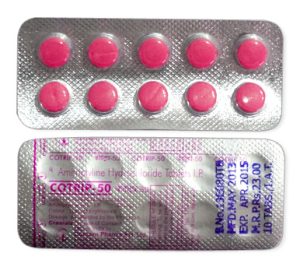
In brief
- You can purchase amitriptyline in many countries only with a prescription (Rx), including the US, EU, India, Australia, and most of South America. It is widely available as a generic medicine under brand names such as Elavil, Endep, Sarotex, and Laroxyl. In some pharmacy settings, it may be obtainable without a prescription, but in most regulated markets it is officially prescription-only.
- Amitriptyline is used to treat depression and is also commonly prescribed at lower doses for neuropathic pain, migraine prevention, fibromyalgia, and sometimes insomnia or other off-label uses. It is a tricyclic antidepressant that works by inhibiting the reuptake of norepinephrine and serotonin in the brain, which helps improve mood and can reduce certain types of pain.
- The usual dose depends on the condition. For depression, adults often start at 25–50 mg/day and may increase to 75–150 mg/day. For neuropathic pain or migraine prevention, a common starting dose is 10–25 mg at bedtime, with typical maintenance doses of 25–75 mg/day. Older adults usually start lower, and dosing should be increased slowly.
- Amitriptyline is available mainly as oral tablets, including 10 mg, 25 mg, 50 mg, 75 mg, and 100 mg strengths. In some markets, it is also available as oral drops and prolonged-release tablets. Injectable forms exist but are rarely used.
- Amitriptyline may begin to cause sedation and pain relief within a few hours, but antidepressant effects usually take about 1–4 weeks to become noticeable, with the full effect often taking 4–8 weeks.
- The duration of action is generally about 24 hours, which is why it is often taken once daily at bedtime. Its clinical benefits for depression or chronic pain can last as long as the medication is taken consistently.
- Avoid alcohol while taking amitriptyline. Alcohol can increase drowsiness, dizziness, impaired coordination, and the risk of dangerous side effects, including worsening sedation and orthostatic hypotension.
- The most common side effects are drowsiness, dry mouth, constipation, dizziness, blurred vision, weight gain, and orthostatic hypotension. Some people may also experience urinary retention, increased appetite, sweating, palpitations, or sexual dysfunction.
- Would you like to try amitriptyline without a prescription?
Basic Amitriptyline Information
- INN (International Nonproprietary Name): Amitriptyline
- Brand names available in United States: Elavil; generic amitriptyline hydrochloride is widely used
- ATC Code: N06AA09
- Forms & dosages: Tablets 10 mg, 25 mg, 50 mg, 75 mg, 100 mg; oral drops in some markets; prolonged-release tablets in some regions
- Manufacturers in United States: Formerly Merck for Elavil; many generic manufacturers; other global suppliers include Lundbeck, Sanofi, Deva, Alphapharm, and East West Pharma
- Registration status in United States: Prescription medicine (Rx)
- OTC / Rx classification: Prescription Only (Rx)
Everyday Use And Best Practices
Morning Vs Evening Dosing
Most people ask the same question on the first night: “Should this be taken now or at bedtime?”
Amitriptyline is often taken at bedtime because drowsiness and sedation are very common.
That timing helps when it is prescribed for pain, migraine prevention, or sleep-related comfort.
Some depression regimens may be split into divided doses, but the prescriber’s timing should be followed exactly, especially if the schedule is being changed from morning to night.
If tonight is your first dose, a simple checklist helps:
- Take it at the exact time written on the label.
- Plan to stay home for the rest of the evening if you have not used it before.
- Set a reminder for the same time each night.
- Tell family members that sleepiness can happen early.
Taking With Or Without Meals
Amitriptyline can usually be taken with or without food.
If it bothers your stomach, taking it with a small snack or after dinner may help.
Tablets are commonly available in the United States as amitriptyline hydrochloride Rx products in 10, 25, 50, 75, and 100 mg strengths, so the label should always be checked carefully before use.
For easier routine use, keep tablets dry at room temperature, roughly 15–30°C, use a pill organizer if the schedule is stable, and pair the dose with a nightly habit such as brushing teeth or turning off the lights.
That routine matters because consistent bedtime dosing is often what makes daily use manageable.
Safety Priorities
Who Should Avoid It
Amitriptyline is not appropriate for everyone, and the biggest safety mistakes usually happen when people assume it is “just a sleep medicine.”
It should not be used in people with hypersensitivity to the drug or related compounds, a recent myocardial infarction, or concurrent MAOI use within 14 days.
Extra caution is needed in people with seizure history, angle-closure glaucoma, urinary retention or prostatic hypertrophy, cardiovascular disease, and suicidal risk because tricyclic antidepressants are highly toxic in overdose.
| Avoid Use | Use Caution |
|---|---|
| Hypersensitivity | Seizure disorders |
| Recent myocardial infarction | Angle-closure glaucoma |
| MAOI use within 14 days | Urinary retention or prostatic hypertrophy |
| Acute recovery phase after heart attack | Cardiovascular disease or conduction defects |
| Very high overdose risk situations | Suicidal risk |
Activities To Limit
Until the effect is known, avoid driving, operating machinery, alcohol-heavy use, and standing up too quickly.
Orthostatic hypotension, blurred vision, and falls are real concerns, especially in older adults.
Family members or caregivers should watch for confusion, extreme sleepiness, palpitations, or a person becoming unusually unsteady.
These are the kinds of amitriptyline side effects that can turn into a bigger problem if ignored.
Dosage And Adjustments
General Regimen
For depression, treatment often starts at 25 to 50 mg per day, either at bedtime or in divided doses.
For neuropathic pain, migraine prevention, and fibromyalgia, many clinicians start lower, usually 10 to 25 mg at bedtime.
Usual maintenance doses are about 75 to 150 mg per day for depression and 25 to 75 mg per day for pain or migraine uses.
The safest approach is still the classic one: start low, go slow.
Special Cases
Older adults are more sensitive, so dosing often starts at 10 to 25 mg at night with slower titration, and the total dose is often capped around 75 mg per day because of side effects and fall risk.
Liver impairment may require dose reduction or avoidance because amitriptyline is extensively metabolized in the liver.
Renal impairment usually does not require a dose change, but monitoring is still wise.
Children are rarely treated, except in select specialist uses such as enuresis or migraine.
- Confirm the exact dose.
- Confirm the bedtime or divided-dose timing.
- Confirm the taper plan before stopping.
User Testimonials
Positive Reports
Real-world patient reports often sound similar, even when the reasons for taking the medicine are different.
People describe better sleep, fewer migraine days, reduced nerve pain, and a calming nighttime effect, especially at low doses.
That is why amitriptyline reviews often mention the same two words: “sleep” and “relief.”
Common Challenges
The tradeoff is that the next morning may not feel as calm.
Week 1 to 4 often brings the following reports:
- Morning grogginess.
- Dry mouth.
- Constipation.
- Weight gain or increased appetite.
- Trouble concentrating.
Symptom tracking helps make sense of the pattern and shows whether sedation is helping at night or becoming a problem during the day.
Buying Guide
Pharmacy Sources
Amitriptyline is prescription-only in nearly all countries, including the United States, and that includes the well-known brand name Elavil.
Generics are widely used and usually more affordable than brand versions.
Shoppers should buy only from licensed pharmacies and verify the tablet strength on the label before taking any dose.
For access questions, note that our online pharmacy is able to provide amitriptyline without a prescription, with discreet delivery to United States in 5-14 days.
Price Comparison
Because this drug is off-patent, pricing can vary a lot by pharmacy and by insurance coverage.
Comparing generic amitriptyline hydrochloride across retail, mail-order, and discount programs usually gives the clearest picture.
| Option | Best For | Common Downside |
|---|---|---|
| Brand Elavil | Familiar labeling | Usually higher cost |
| Generic amitriptyline hydrochloride | Most shoppers | Packaging may vary by maker |
| Insurance pharmacy | Covered prescriptions | Plan limits or prior authorization |
Global context still matters, because Elavil, Endep, Sarotex, Laroxyl, and Redomex are all recognized brand examples in other markets.
What Is Inside And How It Works
Ingredients Overview
The active ingredient is amitriptyline, and in the U.S. it is often listed as amitriptyline hydrochloride.
Common dosage forms include tablets in 10, 25, 50, 75, and 100 mg strengths.
Oral drops exist in some markets, and prolonged-release tablets are used in some regions as well.
In everyday pharmacy language, that is what people mean when they ask about the ingredients in amitriptyline.
Mechanism Basics
Amitriptyline is a first-generation tricyclic antidepressant with a high anticholinergic burden and a sedating effect.
Its ATC code is N06AA09, and it works as a non-selective monoamine reuptake inhibitor.
In plain language, that means it can support mood and also reduce certain pain signals.
- May help with depressive symptoms.
- May help reduce nerve-pain signaling.
- May improve nighttime comfort when sedation is useful.
- May support migraine prevention in some patients.
Main Indications
Approved Uses
The most familiar approved use is major depression.
Sleep-supportive nighttime dosing is also common in practice when a prescriber chooses it for the patient’s symptom pattern.
For depression, full benefit often takes 4 to 8 weeks, and treatment may continue for 6 to 9 months after remission.
Off-Label Uses
Lower-dose amitriptyline is commonly used for neuropathic pain, chronic pain, migraine prophylaxis, and sometimes fibromyalgia.
Those uses often start at 10 to 25 mg at bedtime, with reassessment after a 2 to 4 week trial to make sure the benefit still outweighs the side effects.
| Condition | Starting Dose | Usual Range | Typical Use Duration |
|---|---|---|---|
| Major depression | 25 to 50 mg/day | 75 to 150 mg/day | Months after response |
| Neuropathic pain | 10 to 25 mg at bedtime | 25 to 75 mg/day | 2 to 4 week trial, then ongoing if helpful |
| Migraine prophylaxis | 10 to 25 mg at bedtime | Up to 75 mg/day | 2 to 4 week trial, then ongoing if helpful |
| Fibromyalgia | 10 to 25 mg at bedtime | 25 to 75 mg/day | 2 to 4 week trial, then ongoing if helpful |
Interaction Warnings
Food Interactions
There are no major food restrictions for most people.
Alcohol can worsen sedation, dizziness, and fall risk, so it is best limited or avoided.
If nausea shows up, taking the dose after a small meal may be easier on the stomach.
Drug Conflicts
The highest-risk interaction is with MAOIs, which must be separated by at least 14 days.
Other sedatives, certain heart-rhythm medicines, and drugs that increase anticholinergic effects can also create problems.
Sleep aids, opioids, and antihistamines may add to drowsiness.
A medication list should be brought to every visit so the pharmacist or prescriber can check amitriptyline interactions before a new medicine is added.
- Ask before mixing with MAOIs.
- Ask before combining with alcohol.
- Ask before adding sleep aids or opioids.
- Ask before using anticholinergic medicines.
- Ask before starting any heart-rhythm drug.
Latest Evidence And Insights
What Recent Practice Trends Show
Amitriptyline remains widely used because it is inexpensive, generic, and still effective for certain pain and headache conditions.
Clinicians often choose lower doses for pain than for depression, which is one reason low-dose use is so common in daily practice.
When SSRI options are less helpful, a first-generation TCA may still have a place, especially for the right symptom pattern.
What Matters Most In Daily Care
The practical issue is tolerability.
Sedation can be a benefit at night and a problem in the morning.
Older adults are more sensitive, and liver function matters because the drug is extensively metabolized by the liver.
Those real-world details often matter more than trial jargon when a patient is trying to stay on therapy long enough to benefit.
Alternative Choices
When Another Option May Fit Better
Another medicine may be a better fit when side effects are limiting, overdose risk is high, or a different symptom profile is needed.
Common alternatives include fluoxetine and sertraline among SSRIs, duloxetine and venlafaxine among SNRIs, and gabapentin or pregabalin for neuropathic pain.
Comparable Tricyclic Options
Nortriptyline and imipramine are the closest tricyclic cousins.
They may be considered when amitriptyline is too sedating or too anticholinergic for the person taking it.
| Option | Best Fit | Common Downside |
|---|---|---|
| Fluoxetine | Depression with activating effect | May not help pain as well |
| Sertraline | Depression and anxiety | May not be as sedating at night |
| Duloxetine | Depression with pain | Different side effect profile |
| Pregabalin | Neuropathic pain | Can also cause dizziness or sleepiness |
| Nortriptyline | Need for a less sedating TCA | Still a tricyclic with cautions |
Regulation Snapshot
U.S. And Global Status
Amitriptyline is prescription-only in the United States and most other countries.
It is registered with major regulators such as the FDA, EMA, and TGA.
Travelers should expect different packaging rules depending on the country, but the prescription-only status is the same in nearly all territories.
Naming And Labeling
Amitriptyline is the INN, while U.S. labeling often uses amitriptyline hydrochloride.
Global brand names include Elavil, Endep, Sarotex, Laroxyl, and Redomex.
That naming difference matters when comparing labels, checking a bottle before travel, or matching a refill from a different pharmacy.
Frequently Asked Questions
Common Patient Questions
How long until it works? Sleep effects may show up sooner, while mood benefits can take 4 to 8 weeks.
What if I miss a dose? Take it when remembered unless it is close to the next dose, and do not double up.
Can I stop suddenly? It is better to taper slowly to reduce withdrawal symptoms.
Why am I so sleepy? Drowsiness is very common, especially early on and after dose increases.
Is weight gain common? Weight gain and increased appetite can happen.
Is it safe with alcohol? Alcohol can worsen sedation and dizziness, so it is not a good combination.
When To Call A Clinician
- Severe dizziness or fainting.
- Chest symptoms or palpitations.
- Confusion or extreme sleepiness.
- Suicidal thoughts.
- Urinary retention.
- Eye pain or sudden vision changes.
- Any signs of overdose.
Guidelines For Proper Use
Daily Checklist
Take amitriptyline exactly as prescribed, usually at night.
Keep a symptom diary so sleep, pain, mood, and side effects can be tracked together.
Rise slowly from bed to reduce dizziness.
Hydration, fiber, and routine movement can help with constipation.
Store tablets at room temperature away from light and moisture, and keep the bottle or blister dry.
Tapering And Overdose Response
Tapering should be slow to reduce withdrawal symptoms.
Overdose is a medical emergency because of arrhythmias, seizures, and central nervous system depression.
Call emergency services or poison control immediately if too much is taken.
For travel, keep the medicine in the original packaging and avoid heat or moisture exposure.
That matters whether the trip is across town or across the country.
Delivery Across United States
| City | Region | Delivery time |
|---|---|---|
| New York | Northeast | 5-7 days |
| Los Angeles | West | 5-7 days |
| Chicago | Midwest | 5-7 days |
| Houston | South | 5-7 days |
| Phoenix | West | 5-7 days |
| Philadelphia | Northeast | 5-7 days |
| San Antonio | South | 5-7 days |
| San Diego | West | 5-7 days |
| Dallas | South | 5-7 days |
| San Jose | West | 5-7 days |
| Austin | South | 5-7 days |
| Jacksonville | South | 5-9 days |
| Columbus | Midwest | 5-9 days |
| Fort Worth | South | 5-9 days |
| Charlotte | South | 5-9 days |
Bottom Line On Amitriptyline
Amitriptyline is a time-tested tricyclic antidepressant that still earns its place because it can help mood, pain, migraine prevention, and nighttime comfort.
The key is using the right dose, at the right time, with the right safety checks.
For many patients, the bedtime routine, the low starting dose, and the gradual titration are what make amitriptyline workable in real life.