Effexor
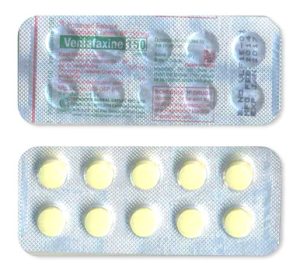
In brief
- In our pharmacy, Effexor is officially a prescription-only medication in all markets and should be obtained with a prescription; some pharmacies or online sellers may claim to sell Effexor without a receipt, but purchasing prescription medicines without proper medical oversight can be unsafe and may be illegal, so consult a healthcare provider for a lawful prescription.
- Effexor (venlafaxine) is used to treat major depressive disorder, generalized anxiety disorder, social anxiety disorder, and panic disorder; it is an SNRI (serotonin–norepinephrine reuptake inhibitor) that increases levels of serotonin and norepinephrine in the brain.
- Usual dosing for adults commonly starts at 75 mg/day (IR divided dosing or XR 75 mg once daily); maintenance is typically 75–225 mg/day, with 225 mg/day a common upper limit (some IR regimens have been used up to 375 mg/day under specialist supervision); dose adjustments are required for liver or renal impairment and for elderly patients.
- Effexor is administered orally as immediate‑release tablets (25, 37.5, 50, 75, 100 mg) or extended‑release capsules/tablets (37.5, 75, 150 mg).
- Some patients may notice improvements in symptoms such as anxiety or energy within 1–2 weeks, but antidepressant effects typically begin in 2–4 weeks with fuller benefit by 6–8 weeks.
- Extended‑release formulations provide roughly 24‑hour coverage for once‑daily dosing; immediate‑release formulations have a shorter half‑life (about 5 hours) and are taken in divided doses; treatment courses for depression/anxiety often last many months, with maintenance typically 6–12 months or longer to prevent relapse.
- Do not drink alcohol while taking Effexor or limit alcohol use—alcohol can increase sedation, worsen depression or anxiety, heighten side effects, and raise seizure risk.
- The most common side effect is nausea; other frequent adverse effects include insomnia or drowsiness, dry mouth, sweating, sexual dysfunction, dizziness, and dose‑related increases in blood pressure.
- Would you like to try effexor without a prescription?
Basic Effexor Information
- INN (International Nonproprietary Name): Venlafaxine
- Brand Names Available In United States: Effexor (tablets 25 mg, 37.5 mg, 50 mg, 75 mg, 100 mg); Effexor XR (extended-release capsules 37.5 mg, 75 mg, 150 mg)
- ATC Code: N06AX16
- Forms & Dosages: Immediate-release tablets 25 mg, 37.5 mg, 50 mg, 75 mg, 100 mg; Extended-release capsules/tablets 37.5 mg, 75 mg, 150 mg
- Manufacturers In United States: Pfizer (originator Effexor/Effexor XR); generics available from Teva, Sandoz, Mylan, Torrent, Aurobindo and others
- Registration Status In United States: FDA-approved for major depressive disorder (MDD), generalized anxiety disorder (GAD), social anxiety disorder, and panic disorder
- OTC / Rx Classification: Prescription (Rx Only) in all markets
Morning Vs Evening Dosing
Are you unsure whether to take effexor in the morning or at night?
Most patients start Effexor XR once daily, commonly in the morning to match daytime activity and reduce the risk of insomnia.
Immediate-release venlafaxine IR tablets are often split into two or three doses across the day; IR strengths include 25–100 mg while XR strengths run 37.5–150 mg.
If a morning dose causes sleepiness, ask your prescriber about moving the dose to the evening rather than changing it on your own.
For patients sensitive to blood pressure changes, morning dosing can make daytime BP monitoring easier and help clinicians interpret readings.
- Morning — Pros: less insomnia risk, fits daytime routines, easier BP monitoring. Cons: may cause daytime nausea or jitteriness for some.
- Evening — Pros: can reduce daytime sleepiness. Cons: may worsen insomnia in others; discuss with your clinician first.
Taking With Or Without Meals
Do you need to eat with your dose?
Effexor XR can be taken with or without food, and taking it with a meal often reduces nausea, which is one of the most common side effects.
For immediate-release tablets taken multiple times a day, space doses evenly throughout waking hours to maintain steady effect.
Store tablets and capsules at 20–25°C (68–77°F) in their original packaging and keep them away from moisture and heat.
| Dosage Form | Timing Tip | Food Tip |
|---|---|---|
| Effexor XR (37.5, 75, 150 mg) | Once daily, usually morning | With food if nausea occurs |
| Venlafaxine IR (25–100 mg) | Two to three divided doses; space evenly | Take with meals to reduce GI upset |
Safety note: do not double a missed dose; if a missed dose is close to the next scheduled dose, skip it and resume the usual schedule.
Discuss any timing changes with your clinician so side effects and blood pressure can be monitored appropriately.
Who Should Avoid It
Are there conditions that make effexor unsafe for some people?
Absolute contraindications include known hypersensitivity to venlafaxine and concurrent or recent monoamine oxidase inhibitor (MAOI) therapy within the past 14 days.
Avoid Effexor if you have uncontrolled narrow-angle glaucoma, which is listed as an absolute contraindication.
Use caution or avoid in patients with recent myocardial infarction, unstable heart disease, a history of mania or bipolar disorder, seizure disorders, severe hyponatremia risk, and active bleeding disorders.
- Red-Flag Conditions To Tell Your Prescriber — Hypersensitivity to venlafaxine.
- Concurrent MAOI use or MAOI stopped within 14 days.
- Uncontrolled narrow-angle glaucoma.
- Recent heart attack or unstable cardiac disease.
- History of bipolar disorder, seizures, severe hyponatremia, or bleeding disorders.
Activities To Limit
What everyday activities should you be careful about while taking effexor?
Until you know how venlafaxine affects you, avoid driving heavy machinery or operating dangerous equipment because dizziness and drowsiness can occur.
Monitor blood pressure regularly since raised blood pressure with venlafaxine is dose-dependent and can be clinically significant.
Limit alcohol intake because it can worsen drowsiness and other side effects, and use caution with high‑risk sports until stabilized on therapy.
- Avoid driving or heavy machinery until you know how you react.
- Check BP at baseline and periodically during treatment.
- Limit alcohol while stabilizing on treatment.
- Be cautious with contact sports or activities with high fall risk early in therapy.
General Regimen
How is effexor typically started and adjusted?
Effexor IR is often started and titrated to about 75 mg/day divided across doses, while Effexor XR commonly starts at 75 mg once daily for major depressive disorder and generalized anxiety disorder.
Maintenance doses typically range from 75–225 mg/day depending on diagnosis and clinical response, with the XR formulation commonly limited to a 225 mg/day maximum.
For panic disorder, XR may be initiated at 37.5 mg once daily then titrated toward 75–225 mg/day as clinically indicated.
Special Cases
What adjustments are needed for seniors, children, or organ impairment?
Elderly patients should start at the lowest effective dose and titrate slowly with close monitoring of blood pressure and sodium levels due to hyponatremia risk.
In hepatic impairment, reduce the venlafaxine dose by approximately 50% and monitor carefully.
For moderate-to-severe renal impairment, reduce the dose to roughly 25–50% of usual dosing depending on severity.
| Condition | Typical Starting Dose | Maintenance | Max |
|---|---|---|---|
| Adult MDD (XR) | 75 mg once daily | 75–225 mg/day | 225 mg/day (XR) |
| Elderly | Lowest effective dose, slower titration | Individualized | Monitor BP and sodium |
| Liver Impairment | Reduce dose by ~50% | Careful monitoring | Depends on tolerance |
| Renal Impairment | Reduce to 25–50% of usual dose | Individualized | Depends on severity |
| Children/Adolescents | Not FDA-approved under 18 | Not recommended | Not applicable |
Overdose can produce tachycardia, seizures, marked drowsiness, and vomiting; seek emergency care immediately.
Positive Reports
What benefits do patients commonly notice on effexor?
Many patients report improved energy, reduced anxiety, and a better ability to engage socially after several weeks on Effexor XR.
Clinicians frequently choose venlafaxine after SSRI failure because its SNRI action can help mixed anxiety‑depressive presentations and may improve motivation and energy.
- “I felt less anxious in social situations after a few weeks.” — Theme: reduced social anxiety and panic.
- “My energy and concentration improved compared with prior medications.” — Theme: better motivation.
- “After SSRI didn’t work, venlafaxine helped reduce panic attacks.” — Theme: effective after SSRI failure.
Common Challenges
What problems do users often report?
Initial side effects commonly include nausea, sleep disturbances (insomnia or sleepiness), increased sweating, dry mouth, and sexual dysfunction.
Some users experience discontinuation symptoms if the medication is missed or stopped abruptly, so planned tapering with the prescriber is important.
- When To Call Your Clinician: severe allergic reactions, new or worsening mood changes or suicidal thoughts, seizure, very high blood pressure, or severe bleeding.
- BP monitoring is common because dose-related increases in blood pressure are reported.
Pharmacy Sources
Where should you buy effexor safely?
Effexor and Effexor XR are prescription-only in the US and should be purchased through licensed pharmacies with a valid prescription.
Generic venlafaxine by manufacturers such as Teva, Sandoz, and Mylan offers cost savings and wide availability.
When using online pharmacies, verify accreditation and that a prescription is required before purchase.
- Checklist To Verify A Legitimate Online Pharmacy: requires prescription, displays physical US address, licensed pharmacist contact, NABP/VIPPS accreditation or similar, secure payment and privacy policy.
Price Comparison
How do brand and generic prices compare?
Effexor XR (branded) is typically more expensive than generic venlafaxine formulations, and XR strengths are available as 37.5 mg, 75 mg, and 150 mg.
| Product | Typical Price Range | Available Strengths |
|---|---|---|
| Effexor XR (branded) | Higher (varies by pharmacy) | 37.5, 75, 150 mg |
| Venlafaxine (generic) | Lower; cost-saving options (Teva, Sandoz, Mylan) | 25–100 mg IR; 37.5, 75, 150 mg XR |
Use pharmacy discount cards, manufacturer coupons, or compare per-tablet prices across retailers and pharmacy benefit managers to lower out‑of‑pocket cost.
In our online pharmacy, effexor is available without a prescription, with discreet delivery to United States in 5-14 days.
Ingredients Overview
What exactly is inside these capsules and tablets?
The active ingredient is venlafaxine (INN). Both immediate-release tablets and extended-release capsules/tablets are available per product labeling.
| Form | Strengths | Common Manufacturers |
|---|---|---|
| Immediate-Release Tablets | 25 mg, 37.5 mg, 50 mg, 75 mg, 100 mg | Pfizer (historical), Teva, Sandoz, Mylan, others |
| Extended-Release Capsules/Tablets | 37.5 mg, 75 mg, 150 mg | Pfizer (Effexor XR), generics from multiple manufacturers |
Inactive ingredients vary by manufacturer; check packaging if you have known allergies or excipient sensitivities.
Mechanism Basics
How does venlafaxine help mood and anxiety?
Venlafaxine is a serotonin‑norepinephrine reuptake inhibitor (SNRI) that blocks reabsorption of serotonin and norepinephrine, boosting signaling and helping to restore chemical balance related to mood and anxiety symptoms.
Clinical effects are commonly seen in 2–6 weeks, with full benefit sometimes taking longer depending on diagnosis and dose.
- SNRI action increases serotonin and norepinephrine levels.
- May improve energy, motivation, and reduce anxiety symptoms.
- Expect gradual onset of effect; monitor for dose-dependent blood pressure changes.
Approved Uses
What conditions is effexor FDA-approved to treat?
Venlafaxine is FDA-approved in adults for major depressive disorder (MDD), generalized anxiety disorder (GAD), social anxiety disorder, and panic disorder.
- MDD — Typical initiation: IR 75 mg/day divided or XR 75 mg once daily; maintenance up to 225 mg/day.
- GAD — XR 75 mg once daily; maintenance 75–225 mg/day.
- Social Anxiety Disorder — XR 75 mg once daily; maintenance commonly 75 mg/day.
- Panic Disorder — XR often starts at 37.5 mg once daily, titrating to 75–225 mg/day.
Off-Label Uses
Do clinicians ever prescribe venlafaxine for other problems?
Some clinicians prescribe venlafaxine off-label for neuropathic pain or other anxiety-spectrum issues when potential benefits outweigh risks, but evidence strength varies by indication.
- Questions To Ask Your Prescriber About Off-Label Use: What evidence supports this use? What monitoring will be done? Are safer or more approved alternatives available?
Food Interactions
Are there foods to avoid while taking venlafaxine?
There are no major food restrictions for venlafaxine, but alcohol should be limited or avoided because it can increase drowsiness and other adverse effects.
Grapefruit is not prominently implicated for venlafaxine, though patients should always check product-specific labeling for manufacturer notes.
- Take with food if nausea occurs; otherwise food is optional.
- Avoid heavy drinking while stabilizing on treatment.
Drug Conflicts
Which medicines should not be combined with venlafaxine?
Do not combine venlafaxine with MAOIs or start it within 14 days of stopping an MAOI because of serotonin syndrome risk.
Caution is required with other serotonergic drugs (SSRIs, triptans), anticoagulants/antiplatelets (increased bleeding risk), and drugs that affect blood pressure.
| Drug Class | Interaction Risk | Action To Take |
|---|---|---|
| MAOIs | Serotonin syndrome; contraindicated within 14 days | Avoid; ensure appropriate washout period |
| SSRIs/Other Serotonergic Agents | Increased serotonin syndrome risk | Use caution; monitor closely |
| Anticoagulants/Antiplatelets | Increased bleeding risk | Monitor bleeding signs; adjust therapy if needed |
| BP-Altering Drugs | Potential additive BP effects | Monitor BP regularly |
Inform prescribers about herbal supplements like St. John’s wort due to additive serotonergic effects.
Recent Studies
What does current evidence tell patients and clinicians?
Recent meta-analyses and comparative research generally support the use of SNRIs such as venlafaxine for depressive and anxiety presentations, and venlafaxine is commonly used in practice when SSRIs are insufficient.
Comparisons with SSRIs often show similar efficacy for many patients but a distinct side-effect profile for venlafaxine, notably dose-dependent increases in blood pressure and discontinuation symptoms.
- Top Findings: SNRIs effective for mixed anxiety‑depressive symptoms; watch for BP elevation; discontinuation symptoms can be significant and require careful tapering.
- Ongoing Research Areas: long-term cardiovascular effects and strategies to reduce withdrawal risk.
Practical Takeaways
How should monitoring and follow-up look in the real world?
Consider venlafaxine when SSRIs fail or when norepinephrine activity may help energy and motivation, but monitor blood pressure and sexual side effects closely.
- Monitoring Timeline: baseline BP and periodic checks at 1–2 weeks after dose changes, then monthly initially.
- Taper slowly for discontinuation to reduce withdrawal symptoms.
- Adjust dosing for liver and renal impairment per product guidance.
Other Antidepressants To Consider
What are reasonable alternatives if venlafaxine isn’t suitable?
Alternatives include other SNRIs such as duloxetine and desvenlafaxine, and SSRIs like sertraline, paroxetine, and escitalopram, each with different indications and side-effect profiles.
Duloxetine has evidence for certain pain conditions, which may make it preferable when comorbid pain is present.
How To Choose
How do clinicians and patients decide among options?
Choice depends on symptom profile (fatigue vs insomnia), comorbid conditions (pain, anxiety spectrum disorders), side-effect tolerance, potential drug interactions, and cost.
- Factors To Weigh: efficacy for your symptoms, safety profile, tolerability, cost and access (generics may lower cost), and required monitoring.
Approval Status By Region
Is venlafaxine approved worldwide for the same uses?
Venlafaxine (INN) is FDA-approved in the United States for MDD, GAD, social anxiety disorder, and panic disorder, and it is authorized under various brands and registrations across the EU and other regions.
Brand names and spellings vary internationally (for example, Efexor in some countries), so check packaging when traveling.
Packaging & Labeling Notes
What should you look for on the box or bottle?
Effexor tablets are sold in immediate-release 25–100 mg tablets and Effexor XR in extended-release 37.5, 75, and 150 mg capsules; generics are produced by several manufacturers including Teva, Sandoz, Mylan, Torrent, and Aurobindo.
| Country/Region | Brand Names | Common Pack Strengths |
|---|---|---|
| United States | Effexor, Effexor XR | IR 25–100 mg; XR 37.5, 75, 150 mg |
| European Union | Efexor, Trevilor, Viepax | Similar dose ranges |
Common Patient Questions
What do patients most often want to know about effexor?
Q: How long until Effexor works? A: Many patients see initial benefit in 2–6 weeks; full response can take longer depending on diagnosis and dose.
Q: Can I stop suddenly? A: No; abrupt stopping risks discontinuation symptoms—taper under medical supervision.
Q: Will it raise my blood pressure? A: It can; dose-dependent increases in BP occur so regular monitoring is recommended.
Practical Answers
Are generics equivalent to brand-name effexor and is alcohol allowed?
Q: Is generic as good as brand? A: Generics contain venlafaxine and are FDA-approved equivalents; differences are limited to excipients and price.
Q: Can I drink alcohol? A: Limit or avoid alcohol while stabilizing because of additive drowsiness and risk of worsening side effects.
- Emergency Signs Requiring Immediate Care: suicidal thoughts, severe chest pain, seizure, severe allergic reaction.
Prescriber Steps
What should clinicians do before and after starting venlafaxine?
Before starting: obtain a full medication history, establish baseline blood pressure, review liver and renal function, screen for bipolar disorder, and check for MAOI use in the prior 14 days.
Start at recommended initial doses per indication and schedule follow-ups for BP and symptom checks within 1–4 weeks after initiation or dose changes.
- Pre-Start Checklist For Clinicians: med list for interactions, baseline BP, labs for liver/renal function, bipolar screening, and patient counseling on side effects and discontinuation risk.
Patient Steps
What should patients do to use effexor safely and effectively?
Take the medication exactly as prescribed and report new mood changes, suicidal thoughts, or severe side effects immediately.
If a dose is missed, take it when remembered unless it is close to the next dose—do not double doses.
| Patient Action | Timeline |
|---|---|
| Baseline assessment (BP, med review) | Before starting |
| First follow-up (BP and side-effect check) | 1–2 weeks |
| Monthly monitoring | First 3 months or as directed |
| Taper planning | Before stopping |
Store the medicine at 20–25°C (68–77°F) in its original packaging and keep it out of the reach of children.
Delivery Across United States
| City | Region | Delivery Time |
|---|---|---|
| New York | Northeast | 5-7 days |
| Los Angeles | West | 5-7 days |
| Chicago | Midwest | 5-7 days |
| Houston | South | 5-7 days |
| Phoenix | West | 5-7 days |
| Philadelphia | Northeast | 5-7 days |
| San Antonio | South | 5-7 days |
| San Diego | West | 5-7 days |
| Dallas | South | 5-7 days |
| San Jose | West | 5-7 days |
| Austin | South | 5-9 days |
| Jacksonville | South | 5-9 days |
| Fort Worth | South | 5-9 days |
| Columbus | Midwest | 5-9 days |
| Charlotte | South | 5-9 days |