Lithium
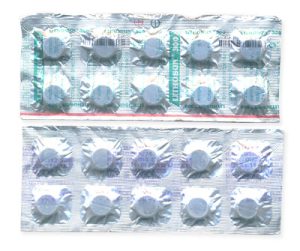
In brief
- Lithium is a prescription medication in most countries and is typically purchased from licensed pharmacies; however, availability without a prescription may exist in some pharmacy settings or regions. It is not an over-the-counter medicine in major markets.
- Lithium is used to treat bipolar disorder, especially acute mania and for maintenance mood stabilization, and it is also used as an augmentation option in treatment-resistant depression. Its exact mechanism is not fully understood, but it is believed to modulate neurotransmission, including effects on second-messenger systems and mood-regulating pathways in the brain.
- The usual adult dose for acute mania is about 600–900 mg per day in divided doses, with maintenance often around 900–1200 mg per day, adjusted to blood levels. Dosing must be individualized based on serum lithium concentration, kidney function, age, and clinical response.
- Lithium is available as tablets, capsules, prolonged-release or controlled-release tablets, and oral solutions; in some markets, effervescent tablets or oral drops are also available.
- Lithium usually begins to show clinical benefit within several days to 1–2 weeks, although full mood-stabilizing effects may take longer. Blood levels can be reached sooner, but symptom improvement is gradual.
- The duration of action depends on the formulation, but lithium is generally dosed once or multiple times daily because it requires ongoing treatment to maintain stable blood levels; for recurrent mood disorders, treatment may be long-term or even lifelong.
- Alcohol should be avoided or used with great caution, because it can worsen drowsiness, impair judgment, and increase the risk of dehydration, which may raise lithium levels and lead to toxicity.
- The most common side effects are nausea, diarrhea, tremor, increased urination, increased thirst, fatigue, and weight gain; long-term use can also affect the thyroid and kidneys.
- Would you like to try lithium without a prescription?
Basic Lithium Information
- INN (International Nonproprietary Name): Lithium
- Brand names available in United States: Lithium is prescription-only in the U.S., and generic products are commonly identified as lithium carbonate or lithium citrate rather than by a single brand name.
- ATC Code: N05AN01
- Forms & dosages: Tablets, capsules, prolonged-release tablets, and oral solutions; common strengths include 150 mg, 200 mg, 250 mg, 300 mg, 400 mg, and 450 mg, with oral solutions typically around 8 mmol/5 mL in some markets.
- Manufacturers in United States: Major suppliers and finished-product manufacturers include Merck, Livent Corporation, Albemarle Corporation, American Elements, Globe Química, Apotex, Noven Therap, Alembic, Glenmark, Pfizer, Sun Pharma, Hikma, Ani Pharmaceuticals, and Hetero Labs.
- Registration status in United States: Prescription-only, with multiple FDA-approved generics.
- OTC / Rx classification: Prescription (Rx) medication in all major markets.
Thinking about lithium and wondering how it fits into a normal day?
For many people, the biggest challenge is not the pill itself but building a steady lithium routine that supports mood stability and keeps safety front and center.
Lithium carbonate is usually taken once daily or in divided doses, depending on the prescription and whether the product is immediate-release or extended-release.
Extended-release lithium carbonate tablet products are often easier to tolerate when taken at the same time each day.
Taking lithium with food or milk may help reduce nausea, which is a common early complaint with lithium medication.
Just as important, fluid and salt intake should stay steady from day to day, especially during hot weather, exercise, or illness.
- Do: Set phone reminders so lithium pills are taken on time.
- Do: Keep the same pharmacy label and review the exact formulation at each refill.
- Do: Check with a clinician before switching brands, strengths, or release types.
- Don’t: Change your salt intake suddenly.
- Don’t: Skip hydration during heat, workouts, or a stomach bug.
Safety Priorities
Who should avoid lithium, and what makes it risky even when it is prescribed correctly?
Lithium is a prescription medication and is not appropriate for people with severe kidney impairment, dehydration, sodium depletion, a known allergy to lithium salts, Addison’s disease, or Brugada syndrome.
Extra caution is needed during pregnancy, breastfeeding, older age, and cardiovascular disease because lithium side effects and toxicity risk can become harder to manage.
Dehydration is one of the most important triggers to avoid, so overheating, long sauna sessions, and sudden heavy exercise without a hydration plan are poor matches for lithium safety.
NSAIDs, ACE inhibitors, and diuretics can raise lithium levels, so these medicines should always be reviewed before starting or changing treatment.
- Watch for early lithium toxicity: worsening tremor.
- Watch for early lithium toxicity: vomiting or diarrhea.
- Watch for early lithium toxicity: confusion or unusual drowsiness.
- Watch for early lithium toxicity: unsteady walking or poor coordination.
- Watch for early lithium toxicity: marked sleepiness or feeling “foggy.”
These warning signs deserve prompt medical attention, because lithium toxicity can progress quickly if the dose is too high or the body is losing fluid.
Dosage & Adjustments
How much lithium is usually taken, and why does the answer depend on the person?
For acute mania, adult lithium dosage often starts around 600 to 900 mg per day in divided doses.
For maintenance, the typical range is often 900 to 1200 mg per day, then adjusted to serum levels and response.
Most patients are treated toward a therapeutic lithium serum level of 0.6 to 1.2 mmol/L, with the final goal set by the prescriber.
Children usually need specialist oversight and weight-based dosing, while older adults often start at about 50% to 75% of the adult dose because renal clearance is lower.
Significant kidney dysfunction is a major concern and may mean avoidance or very close supervision.
Dose changes should follow blood tests, not symptoms alone, because lithium levels can drift even when the person feels “about the same.”
| Population | Typical Approach | Key Caution |
|---|---|---|
| Adults with acute mania | Often 600 to 900 mg/day in divided doses | Check serum lithium and renal function |
| Maintenance treatment | Often 900 to 1200 mg/day, individualized | Target serum levels usually 0.6 to 1.2 mmol/L |
| Children | Specialist-guided, weight-based dosing | Not first-line in many cases |
| Older adults | Often 50% to 75% of adult dose | Lower renal clearance increases risk |
| Kidney dysfunction | Avoid or monitor very closely | Major safety concern |
User Testimonials
What do patients often say after starting lithium for bipolar disorder?
Comments from patients are not proof, but they do show what the day-to-day experience can feel like.
- Common benefits: fewer manic swings.
- Common benefits: steadier mood and less emotional whiplash.
- Common benefits: improved day-to-day function when monitoring is consistent.
- Common challenges: thirst.
- Common challenges: tremor or shaky hands.
- Common challenges: nausea and the inconvenience of lab work.
Some people say the routine is easier when dosing is linked to meals or a bedtime habit, especially with lithium medication that needs to be taken on schedule.
That kind of structure can make lithium treatment feel less like a chore and more like part of the day.
Buying Guide
Where do people buy lithium, and what should they compare before ordering?
Lithium is not an over-the-counter product in major markets, including the United States, so a lithium prescription is normally required.
Common brand and regional names include Lithobid, Eskalith, Eskalith-CR, Lithonate, Apo-Lithium Carbonate, Camcolit, Alkalith-CR, and Trilith SR, along with generic lithium carbonate tablets.
When comparing prices, it helps to look beyond brand name and compare the salt, release type, and pack size.
Packaging may differ by region, including blister packs, strip packs, bottles, or ampoules for oral solution.
In our online pharmacy, lithium is available without a prescription, with discreet delivery to United States in 5-14 days.
| Brand | Form | Packaging Example |
|---|---|---|
| Lithobid | Extended-release tablets | Tablets in branded packaging |
| Eskalith | Tablets | Bottles or blister packs |
| Eskalith-CR | Controlled-release tablets | Boxed blister |
| Lithonate | Tablets | Region-dependent packaging |
| Apo-Lithium Carbonate | Tablets | Blister or strip packs |
What Is Inside And How It Works
What exactly is lithium, and why do clinicians keep using it after all these years?
The active ingredient is lithium, usually used therapeutically as lithium carbonate or lithium citrate.
Available forms include tablets, capsules, controlled-release tablets, and oral solutions such as 8 mmol/5 mL in some markets.
Lithium helps stabilize mood, especially in bipolar disorder, although the exact mechanism is not fully understood.
What matters most in practice is that the medicine can reduce mood swings and support steadier functioning when it is monitored properly.
- Immediate-release tablets: often used in divided doses.
- Prolonged-release tablets: may be easier for some patients to tolerate.
- Oral solution: useful when swallowing tablets is difficult.
- Common strengths: 150 mg, 200 mg, 250 mg, 300 mg, 400 mg, and 450 mg.
Formulation matters because immediate-release and prolonged-release products can feel different in tolerability and dosing schedules.
Main Indications
What is lithium used for, and when does it make the most sense?
The main use is bipolar disorder, including acute mania and long-term maintenance treatment.
It is also used for mood stabilization and relapse prevention when a clinician wants a well-established mood stabilizer.
- Approved uses: bipolar disorder, acute mania, and maintenance therapy.
- Approved uses: mood stabilization and relapse prevention.
- Off-label use: augmentation in treatment-resistant depression under specialist care.
Searches like “lithium treatment for bipolar disorder” or “what is Camcolit used for?” usually point to the same core idea: this is a prescription mood stabilizer, not a general-purpose psychiatric medicine.
Interaction Warnings
Is there a forbidden food list with lithium, or is the bigger issue something else?
The bigger issue is steady sodium and fluid intake, because dehydration can make lithium build up faster than people expect.
Vomiting, diarrhea, heavy sweating, fever, and plain old not drinking enough water can all push lithium levels upward.
Many medicines can interact because lithium has a narrow therapeutic index, so even modest changes can matter.
NSAIDs, ACE inhibitors, and diuretics are especially important to review because they can increase lithium levels.
That is why any new prescription, OTC medicine, or supplement should be checked with a clinician or pharmacist before it is added.
| Interaction Type | Examples | Why It Matters |
|---|---|---|
| NSAIDs | Ibuprofen, naproxen | Can raise lithium levels |
| ACE inhibitors | Lisinopril, enalapril | Can increase toxicity risk |
| Diuretics | Hydrochlorothiazide, furosemide | May change lithium handling by the kidneys |
| Fluid loss | Vomiting, diarrhea, heavy sweating, fever | Can cause lithium buildup |
Latest Evidence & Insights
Is lithium still relevant when newer bipolar disorder treatments are available?
Yes, lithium remains a core, well-established treatment with strong real-world and guideline support for bipolar disorder and mood stabilization.
What still matters most today is kidney and thyroid monitoring, because long-term safety depends on staying ahead of changes rather than reacting late.
- What matters most today: regular lithium monitoring.
- What matters most today: kidney and thyroid checks.
- What matters most today: dose individualization based on blood levels.
- What matters most today: attention to hydration and interactions.
For everyday users, the biggest update is not a rapid product change, but a consistent plan for follow-up and dose adjustment.
Alternative Choices
What if lithium is not the best fit because of kidney disease, dehydration risk, pregnancy concerns, or tolerability issues?
Then a clinician may consider another mood stabilizer or an antipsychotic based on the person’s diagnosis and history.
| Option | Common Use | Key Caution |
|---|---|---|
| Valproate | Bipolar disorder | Requires careful individualized prescribing |
| Lamotrigine | Maintenance and bipolar depression | Not a simple substitute for every patient |
| Carbamazepine | Bipolar disorder | Has its own interaction profile |
| Quetiapine | Bipolar disorder | May cause sedation and metabolic effects |
| Olanzapine | Bipolar disorder | Metabolic monitoring matters |
Any switch should be individualized and gradual under medical supervision, especially when lithium has been helping with relapse prevention.
Regulation Snapshot
Is lithium prescription-only, and how is it classified?
Yes, lithium is prescription-only in major markets and is not available over the counter.
In the United States, multiple generics are FDA approved, and in the European Union it is labeled for mood stabilization, usually for bipolar disorder.
The ATC code is N05AN01, and packaging or formulation can vary by country and manufacturer.
Names such as A-Lith, Carbolith, Granions de Lithium, Litarex, Quilonorm 8.1 mmol, Calith, Camcolit, and Apo-Lithium Carbonate may represent local equivalents when people are checking product names across borders.
Frequently Asked Questions
What do people usually ask before starting lithium?
- What is lithium used for? It is mainly used for bipolar disorder, including mania and maintenance treatment.
- Can I take lithium with food? Yes, and food or milk may help reduce nausea.
- What if I miss a dose? Take it when remembered unless it is close to the next dose; do not double up.
- What are signs of overdose? Severe tremor, vomiting, diarrhea, confusion, drowsiness, poor coordination, or fainting need urgent care.
Overdose is a medical emergency and may require hospital care or dialysis, so it should never be managed at home.
Guidelines For Proper Use
What does safe, everyday lithium use look like in real life?
Take lithium exactly as prescribed.
Keep fluid intake steady.
Avoid major salt changes.
Attend all blood tests for lithium, kidney function, and thyroid function.
Store the medicine around 25°C (77°F), with allowed excursions from 15 to 30°C (59 to 86°F), and protect it from moisture and heat.
When traveling, keep it in the original labeled packaging so it stays clearly identified as a prescription medicine.
- Seek urgent care: severe vomiting.
- Seek urgent care: confusion or fainting.
- Seek urgent care: severe tremor.
- Seek urgent care: trouble walking or major unsteadiness.
- Seek prompt medical advice: any illness causing dehydration.
Delivery Across United States
| City | Region | Delivery Time |
|---|---|---|
| New York | Northeast | 5-7 days |
| Los Angeles | West | 5-7 days |
| Chicago | Midwest | 5-7 days |
| Houston | South | 5-7 days |
| Phoenix | West | 5-7 days |
| Philadelphia | Northeast | 5-7 days |
| San Antonio | South | 5-7 days |
| San Diego | West | 5-7 days |
| Dallas | South | 5-7 days |
| San Jose | West | 5-7 days |
| Austin | South | 5-7 days |
| Jacksonville | South | 5-9 days |
| Fort Worth | South | 5-9 days |
| Columbus | Midwest | 5-9 days |
| Charlotte | South | 5-9 days |
Need-to-Know Recap
Lithium is a prescription mood stabilizer that is most often used for bipolar disorder, and it works best when dosing, blood tests, hydration, and interaction checks are handled consistently.
That simple approach is what keeps lithium therapy practical, safer, and more predictable over time.