Decadron
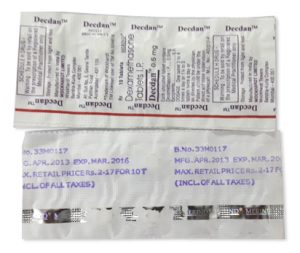
In brief
- Decadron (dexamethasone) is a prescription medicine in most countries, but it is commonly stocked in pharmacies in tablet, liquid, injectable and ophthalmic forms and in some places may be sold without a prescription; availability and legal requirements depend on local regulation and pharmacy policy.
- Decadron is used to treat inflammation, allergic reactions, certain autoimmune disorders, cerebral edema, some cancer protocols, and as an antiemetic adjunct; it is a potent glucocorticoid that binds the glucocorticoid receptor to alter gene transcription and suppress inflammation and immune responses.
- Usual adult doses vary by indication: typical oral ranges 0.5–9 mg/day (split doses) with severe cases up to 24–40 mg/day; cerebral edema often 10 mg IV then 4 mg IV/IM every 6 hours; antiemetic/chemo adjunct 8–12 mg once; COVID‑19 severe disease 6 mg daily for up to 10 days; pediatric dosing is weight‑based (≈0.02–0.3 mg/kg/day) and oncology doses follow specific protocols—longer courses require tapering.
- Forms of administration include oral tablets and solutions, intramuscular or intravenous injection, ophthalmic drops, intravitreal implants, and pre-set oral taper packs.
- Onset: IV effects can begin within minutes; oral systemic effects typically start within 30–60 minutes, while noticeable anti‑inflammatory effects may take several hours to a few days depending on the condition.
- Duration of action is long compared with many steroids—biological effects commonly persist for 36–72 hours after a dose (single‑dose effects may last 1–3 days); cumulative effects occur with repeated dosing.
- Avoid heavy alcohol use while taking dexamethasone; alcohol can worsen gastrointestinal irritation, increase risk of bleeding or ulcers, aggravate mood changes, and compound immune suppression or blood‑sugar effects—limit or stop alcohol and discuss with your provider.
- The most common side effect is insomnia (others include mood changes, increased appetite/weight gain, heartburn, and elevated blood glucose).
- Would you like to try “decadron” without a prescription?
Basic Decadron Information
- INN (International Nonproprietary Name): Dexamethasone
- Brand Names Available In United States: Decadron; Baycadron Elixer; DexPak (6-, 10-, 13-day) and DexPak Jr; Dexamethasone Intensol; Dekpak 13 Day Taperpak; Zema-Pak
- ATC Code: H02AB02
- Forms & Dosages: Tablets (0.5 mg, 0.75 mg, 1 mg, 2 mg, 4 mg, 6 mg, 8 mg); Oral solution (0.5 mg/5 mL, 1 mg/mL, 4 mg/mL); Injectable solution (4 mg/mL, 10 mg/mL); Eye drops (0.1%); Taper packs (DexPak 6-, 10-, 13-day); Ophthalmic implant (Ozurdex 700 mcg)
- Manufacturers In United States: Multiple suppliers including Merck & Co. (MSD), Mylan, Novartis, Aspen, Pfizer, Sandoz and generic suppliers such as Teva and other global manufacturers
- Registration Status In United States: FDA-approved since 1958; prescription (Rx) only for systemic and many local formulations
- OTC / Rx Classification: Prescription (Rx) only in most jurisdictions
Everyday Use & Best Practices
Morning Vs Evening Dosing
Patients often ask whether to take decadron in the morning or at night.
When a single daily dose is used, take it in the morning to align with the body’s cortisol rhythm and to reduce the chance of insomnia.
If your prescriber orders split doses, the larger dose should be given in the morning and smaller doses later in the day when needed.
Avoid taking late-evening doses for short courses to prevent sleep disruption.
Short courses like a DexPak taper are usually scheduled so doses fall earlier in the day.
Taking With Or Without Meals
Take dexamethasone with food to reduce stomach upset and heartburn, which are common mild side effects.
For liquid forms, use the supplied measured dropper to ensure dosing accuracy, especially for children.
Follow the blister order exactly for DexPak 6-, 10-, or 13-day taper packs, and never double a missed dose.
For pediatric patients, doses are calculated by weight (commonly 0.02–0.3 mg/kg/day) and the oral solution provides the most accurate dosing option.
Store tablets and liquids at room temperature below 25°C, protected from light and out of reach of children.
- Daily Rules: Take exactly as prescribed.
- Daily Rules: Prefer morning dosing for single daily doses.
- Daily Rules: Take with food to limit GI upset.
- Daily Rules: Use supplied dropper for liquids; follow DexPak blister order.
- Daily Rules: Do not double missed doses; consult provider for chronic therapy changes.
Printable Checklist For Home Storage And Dose Timing:
- Confirm product form and strength (Decadron tablet vs dexamethasone oral solution).
- Set morning alarm for daily dose and mark DexPak blister order if on taper.
- Keep medication below 25°C and away from direct light and children.
Safety Priorities
Who Should Avoid It
Decadron is contraindicated in anyone with known hypersensitivity to dexamethasone or its excipients.
Systemic fungal infections are an absolute contraindication to systemic corticosteroids.
Live vaccines should not be given during dexamethasone therapy and for a period afterward as advised by your clinician.
Relative contraindications requiring close monitoring include diabetes, peptic ulcer disease or active GI bleeding, osteoporosis, uncontrolled infections, psychiatric illness, glaucoma or cataracts, and significant renal or hepatic impairment.
People with diabetes should arrange glucose monitoring because dexamethasone can raise blood sugar.
Activities To Limit
Avoid close contact with people who have contagious illnesses while on systemic steroid therapy because infection risk is increased.
Postpone live vaccinations until steroid therapy is stopped and recovery of immune function is confirmed.
Be cautious with strenuous activity if steroid-related myopathy or fracture risk is present.
If you notice severe mood changes, hallucinations, signs of infection, or vision changes, contact your provider immediately.
For injectable forms, ensure sterile administration and safe disposal of needles and vials.
Contraindications Checklist
- Known hypersensitivity to dexamethasone or excipients.
- Systemic fungal infections.
- Planned live vaccines during therapy.
- Discuss with provider if you have diabetes, peptic ulcer disease, osteoporosis, psychiatric illness, glaucoma, or organ impairment.
| Test/Parameter | Baseline | Monitoring Frequency |
|---|---|---|
| Blood Glucose (Diabetic Patients) | Obtain baseline fasting glucose/HbA1c | Daily home checks while on high-dose or long-term therapy |
| Blood Pressure | Baseline BP | Check weekly for high-risk patients |
| Bone Density | Baseline DEXA if long-term use anticipated | Repeat per osteoporosis guidance (usually yearly) |
Dosage & Adjustments
General Regimen
Typical adult oral dosing for inflammatory and allergic conditions ranges from 0.5–9 mg per day, which may be given as split doses depending on the condition.
Severe inflammatory states may require higher specialist-guided doses of 24–40 mg per day in select situations.
Short courses of 3–10 days often do not require tapering, while therapy longer than two weeks generally needs a taper to avoid adrenal insufficiency.
Pediatric dosing is weight-based, typically 0.02–0.3 mg/kg/day, and children must be monitored for growth suppression.
Special Cases
Cerebral edema is commonly treated with an initial 10 mg IV dose followed by 4 mg IV or IM every 6 hours.
Chemo-related nausea prevention often uses 8–12 mg orally or IV for 1–4 days as part of an antiemetic regimen.
In hospitalized patients with severe COVID-19 respiratory disease, a regimen of 6 mg once daily for up to 10 days has been widely used.
Reduce starting doses for elderly patients and those with hepatic or renal impairment, and titrate carefully while monitoring for toxicity.
| Indication | Typical Adult Dose | Pediatric Note |
|---|---|---|
| Inflammation / Allergy | 0.5–9 mg/day oral (split doses) | 0.02–0.3 mg/kg/day |
| Cerebral Edema | 10 mg IV then 4 mg IV/IM Q6H | Lower per age/weight |
| Chemo-Induced Nausea | 8–12 mg oral or IV for 1–4 days | Dosed by weight |
| Severe COVID-19 | 6 mg once daily up to 10 days | Adjust in pediatrics |
Taper Steps And Dose Adjustments Checklist
- For therapy >2 weeks, plan a taper under medical supervision to avoid adrenal insufficiency.
- Reduce dose slowly, monitor for fatigue, nausea, or hypotension during taper.
- When switching steroids, have clinician calculate equivalent potency and adjust taper accordingly.
User Testimonials
Positive Reports
Many patients report rapid relief of swelling and allergic symptoms within hours to days after starting Decadron tablets or injections.
Cancer patients frequently note better control of nausea when dexamethasone is included in antiemetic regimens.
Patients appreciate DexPak pre-set taper packs for short systemic courses because they simplify dosing and reduce confusion.
Common Challenges
Common side effects reported by users include insomnia, mood swings, increased appetite and weight gain.
People with diabetes often experience elevated blood sugar while taking systemic steroids and may need medication adjustments.
Longer-term users may notice bone and joint issues, delayed wound healing, edema, and Cushingoid features.
- Pros: Fast symptom relief; effective in cerebral edema, allergy, and antiemetic protocols; DexPak convenience.
- Cons: Insomnia, mood changes, hyperglycemia, weight gain, delayed healing with prolonged use.
Short Checklist: When To Contact Your Provider
- Severe mood changes or hallucinations.
- High or uncontrolled blood glucose readings.
- New fever, persistent infection signs, or vision changes.
Buying Guide
Pharmacy Sources
Decadron (dexamethasone) is prescription-only in the United States and is available from community and hospital pharmacies and licensed online pharmacies with a valid prescription.
Common retail options include Decadron brand tablets, DexPak 6-, 10-, and 13-day taper packs, DexPak Jr, and generic dexamethasone tablets or oral solution.
Check packaging and strength carefully: tablets commonly come in 0.5–8 mg strengths, oral solutions from 0.5 mg/5 mL up to 4 mg/mL, and injectables at 4 mg/mL and 10 mg/mL.
To save money, compare generics from established manufacturers and check insurance formularies and manufacturer coupons.
Note: avoid unverified international sellers for injectables or ophthalmic implants such as Ozurdex due to sterility and authenticity risks.
In our online pharmacy, decadron is available without a prescription, with discreet delivery to United States in 5-14 days.
Price Comparison
| Form | Typical Strength | Price Per Unit (Approx.) |
|---|---|---|
| Tablets | 4 mg | Varies by brand/generic; compare Decadron vs generic |
| Oral Solution | 1 mg/mL | Price per mL varies; generics often cheaper |
| Injectable | 4 mg/mL | Higher cost; pharmacy handling and sterile supplies factor in |
| DexPak Taper | 6-, 10-, 13-day | Pack pricing vs per-tablet generic pricing |
Checklist To Verify Before Purchase:
- Valid prescription when required.
- Manufacturer and concentration clearly listed on the label.
- Storage instructions included (store below 25°C).
What’s Inside & How It Works
Ingredients Overview
Active ingredient: dexamethasone, often formulated as dexamethasone sodium phosphate or dexamethasone acetate depending on formulation.
Excipients vary by manufacturer and product; check labels for alcohol, preservatives, or sugars in oral liquids if allergies or diabetes are a concern.
Commercial strengths commonly include tablets 0.5–8 mg, oral solutions 0.5 mg/5 mL to 4 mg/mL, injectables at 4 mg/mL and 10 mg/mL, and the Ozurdex ophthalmic implant delivering 700 mcg locally.
Mechanism Basics
Dexamethasone is a potent systemic glucocorticoid that binds glucocorticoid receptors to suppress inflammatory gene transcription and reduce cytokine production.
It stabilizes cell membranes and reduces immune-mediated swelling, which explains its effectiveness in inflammatory disease, cerebral edema, and as part of antiemetic routines in oncology.
Local formulations like eye drops or implants reduce systemic exposure and therefore may have different side-effect profiles than systemic tablets or injectables.
| Form | Common Strengths | Main Excipients / Notes |
|---|---|---|
| Tablets | 0.5–8 mg | Check tablet fillers and coating ingredients on label |
| Oral Solution | 0.5 mg/5 mL, 1 mg/mL, 4 mg/mL | May contain sugar or preservatives; use supplied measured dropper |
| Injectable | 4 mg/mL, 10 mg/mL | Often supplied as sodium phosphate or acetate salts; sterile vials |
| Ophthalmic Implant | 700 mcg (Ozurdex) | Delivers local corticosteroid to the eye; different systemic exposure |
Main Indications
Approved Uses
Approved systemic and local uses include treatment of inflammatory, allergic, and certain autoimmune conditions, management of cerebral edema, and use in oncology protocols.
Typical adult ranges for inflammation are 0.5–9 mg/day, while severe cerebral edema protocols often begin with 10 mg IV followed by 4 mg IV/IM every 6 hours.
The Ozurdex ophthalmic implant (700 mcg) is approved for macular edema and provides a localized ocular corticosteroid option.
Off-Label Uses
Off-label uses include antiemetic support in chemotherapy (commonly 8–12 mg) and perioperative nausea prevention.
In severe COVID-19 respiratory disease, randomized trials supported the use of 6 mg daily for up to 10 days in hospitalized patients needing oxygen or mechanical ventilation.
Always confirm indication, dose, and duration with the prescribing clinician and use the lowest effective dose for the shortest necessary duration.
Interaction Warnings
Food Interactions
There are minimal direct food interactions with dexamethasone, but taking it with food reduces gastrointestinal upset.
Avoid grapefruit juice when taking strong CYP3A4 inhibitors concurrently as interactions may alter steroid exposure.
Drug Conflicts
Dexamethasone can interact with warfarin and may change INR; close monitoring is required when starting or stopping steroid therapy.
It raises blood glucose and may necessitate adjustments to diabetic medications.
As a CYP3A4 inducer, dexamethasone can lower levels of drugs metabolized by CYP3A4 such as certain statins and antivirals.
CYP3A4 inhibitors can increase steroid exposure and risk of systemic side effects.
Combining dexamethasone with NSAIDs or anticoagulants raises gastrointestinal bleeding risk, and concurrent diuretic use can increase hypokalemia risk.
| Drug | Interaction | Monitoring Action |
|---|---|---|
| Warfarin | Steroids can alter INR | Frequent INR checks when starting/stopping dexamethasone |
| Oral Hypoglycemics / Insulin | Steroid-induced hyperglycemia | Monitor glucose closely; adjust diabetic meds |
| NSAIDs / Anticoagulants | Increased GI bleeding risk | Consider gastroprotection and monitor for bleeding |
| CYP3A4 Substrates | Reduced levels when dexamethasone induces CYP3A4 | Assess efficacy of co-medications and adjust as needed |
Always share a complete medication list with the prescriber and pharmacist before starting dexamethasone.
Latest Evidence & Insights
Key Trials
Randomized trials during the COVID-19 pandemic demonstrated that dexamethasone 6 mg daily reduced mortality in hospitalized patients requiring oxygen or ventilation, influencing practice guidelines.
Decades of clinical data support dexamethasone’s role in chemo antiemetic regimens at doses commonly between 8–12 mg.
Dexamethasone is listed on the WHO Essential Medicines List and has been FDA-approved since 1958, reflecting long-standing clinical utility.
Practice Implications
Use the lowest effective dose for the shortest duration to limit systemic side effects.
New delivery systems such as Ozurdex expand options for localized therapy and reduce systemic exposure when appropriate.
Ongoing research focuses on steroid-sparing strategies and optimizing dosing in pediatric and elderly populations.
- Takeaway: 6 mg daily reduced mortality in severe COVID-19 requiring oxygen or ventilation.
- Takeaway: Established antiemetic roles at 8–12 mg in oncology.
- Takeaway: Prioritize monitoring (glucose, BP, bone health) for long-term users.
Alternative Choices
Comparable Steroids
Alternatives include prednisone, methylprednisolone (Solu‑Medrol), hydrocortisone, and betamethasone.
Dexamethasone is more potent per milligram and longer acting than prednisone, so any switch requires clinician-guided conversion and tapering.
Non-Steroid Alternatives
Non-steroidal options include NSAIDs for pain/inflammation, topical corticosteroids for localized skin disease, DMARDs and biologics for autoimmune disease, and antihistamines or inhaled steroids for allergic conditions to limit systemic exposure.
In chemotherapy-related nausea, multi-drug antiemetic regimens can reduce the required steroid dose.
| Agent | Typical Use | Notes |
|---|---|---|
| Prednisone | Systemic anti-inflammatory | Shorter acting than dexamethasone; dose conversions required |
| Methylprednisolone | IV pulse therapy | Used for severe flares; clinician-directed dosing |
| NSAIDs / DMARDs | Inflammation control, steroid-sparing | Consider when long-term steroid side effects are a concern |
Checklist For Switching Steroids:
- Confirm indication and required potency.
- Have clinician calculate equivalent dosing and a taper plan.
- Monitor clinically during and after change.
Regulation Snapshot
Approval & Status
Dexamethasone has broad regulatory approval; FDA approval dates back to 1958 and the drug appears on the WHO Essential Medicines List.
Brand names and marketing vary by country and vendor; common US brand names include Decadron, DexPak, and Baycadron Elixer.
Prescription Rules
In the US and most other jurisdictions, dexamethasone is prescription-only for systemic use, and dispensers will ask for a valid prescription and follow storage and transport guidance.
| Region | Approval Status | Common Brands / Forms |
|---|---|---|
| United States | FDA-approved; Rx only | Decadron tablets; DexPak tapers; injectable vials |
| European Union | EMA-approved for various indications | Decadron; Ozurdex implant |
| Romania | Registered with ANMDMR | Decadron by Merck Sharp & Dohme; tablets and injectables |
FAQ Section
Common Questions
Is Decadron the same as dexamethasone?
Yes; Decadron is a brand name and the INN is dexamethasone (ATC H02AB02).
Can I stop suddenly?
Do not stop abruptly after more than two weeks of therapy; a supervised taper is necessary to avoid adrenal insufficiency.
How is dosing determined?
Dosing is set by indication, age, weight in pediatrics (0.02–0.3 mg/kg/day), and severity; examples include 10 mg IV then 4 mg Q6H for cerebral edema and 6 mg daily up to 10 days for severe COVID-19.
Is it safe with diabetes?
Use caution; monitor blood glucose closely and coordinate diabetes medication adjustments with your healthcare team.
Where to buy?
Decadron and dexamethasone products are available by prescription from licensed pharmacies; DexPak taper packs and generics are widely stocked.
- Quick-reference Checklist: Brand, dose, taper instructions, monitoring needs, and emergency contact for side effects.
Guidelines For Proper Use
Administration Checklist
Before starting, confirm the indication and screen for absolute contraindications like hypersensitivity, systemic fungal infection, and planned live vaccines.
Review current medications for interactions and verify the formulation and strength printed on the label.
Take single daily doses in the morning when possible and with food to reduce GI upset.
Follow DexPak blister order exactly for tapers and use the supplied dropper for liquid dosing accuracy.
Monitoring & Follow-Up
Check blood glucose regularly if diabetic, monitor blood pressure, watch for infection signs, and track mood and psychiatric symptoms.
Arrange bone density testing and osteoporosis prevention strategies for long-term users.
Never abruptly stop therapy after more than two weeks without medical supervision.
Store below 25°C, keep out of reach of children, and follow safe disposal practices for injectables.
- Printable Administration Checklist: Confirm Rx, verify product form and strength, set morning dosing reminder, follow taper order.
- Follow-Up Schedule: Baseline glucose/BP, recheck glucose weekly while on high-dose therapy, bone health screening if long-term use is planned.
Delivery Across United States
| City | Region | Delivery Time |
|---|---|---|
| New York | Northeast | 5-7 days |
| Los Angeles | West | 5-7 days |
| Chicago | Midwest | 5-7 days |
| Houston | South | 5-7 days |
| Phoenix | West | 5-7 days |
| Philadelphia | Northeast | 5-7 days |
| San Antonio | South | 5-9 days |
| San Diego | West | 5-7 days |
| Dallas | South | 5-7 days |
| San Jose | West | 5-7 days |
| Austin | South | 5-9 days |
| Jacksonville | South | 5-9 days |
| Fort Worth | South | 5-9 days |
| Columbus | Midwest | 5-9 days |