Mobic
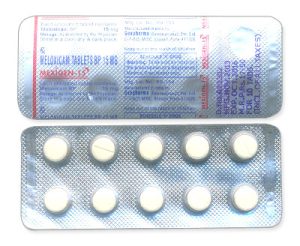
In brief
- In most countries Mobic (meloxicam) is a prescription-only medicine, but it is commonly dispensed in pharmacies worldwide and in some places can be obtained without a prescription or receipt; online suppliers and local pharmacies may offer delivery or sale without strict prescription checks depending on local regulations.
- Mobic is used to treat osteoarthritis, rheumatoid arthritis, juvenile rheumatoid arthritis (in children ≥2 years), and moderate-to-severe acute pain; it is a nonsteroidal anti-inflammatory drug (NSAID) that inhibits cyclooxygenase (COX) enzymes, reducing prostaglandin synthesis and inflammation.
- Usual adult oral dosing is 7.5–15 mg once daily (start at the lowest effective dose, typically 7.5 mg); pediatric dosing (≥2 years, USA) is about 0.125 mg/kg once daily up to 7.5 mg; for acute moderate-to-severe pain an IV single dose of 30 mg is used in adults.
- Forms of administration include oral tablets (7.5 mg, 15 mg), oral suspension (7.5 mg/5 mL), capsules, orally disintegrating tablets, and an IV solution (single-use vials for parenteral use).
- Analgesic effects typically begin within about 30–60 minutes after oral dosing for pain relief; anti-inflammatory benefits may take several days of regular dosing.
- Duration of action is long—meloxicam has an approximate plasma half-life of ~20 hours, allowing once-daily dosing and effects that generally last around 24 hours.
- Do not consume alcohol or limit alcohol intake while taking Mobic, as alcohol increases the risk of gastrointestinal bleeding and may worsen liver toxicity and other side effects.
- The most common side effects are gastrointestinal complaints such as dyspepsia (indigestion), nausea, abdominal pain, and diarrhea; other common effects include headache, dizziness, and rash.
- Would you like to try Mobic without a prescription?
Basic Mobic Information
- INN (International Nonproprietary Name): Meloxicam.
- Brand Names Available In United States: Mobic, Anjeso, Vivlodex, Qmiiz ODT, Xifyrm, Qamzova; Mobic is discontinued in the United States and FDA‑approved generics are widely available.
- ATC Code: M01AC06.
- Forms & Dosages: Oral tablets 7.5 mg and 15 mg; oral suspension 7.5 mg/5 mL; capsules 5 mg and 10 mg; IV solution 30 mg/mL or 30 mg/1 mL; orally disintegrating tablets 7.5 mg and 15 mg.
- Manufacturers In United States: Original developer Boehringer Ingelheim and multiple generic suppliers and brands active in the US market.
- Registration Status In United States: Mobic brand discontinued; FDA‑approved generics remain available.
- OTC / Rx Classification: Prescription-only (Rx) in major markets.
Everyday Use & Best Practices
Morning Vs Evening Dosing
Are you wondering whether to take meloxicam in the morning or at night?
Meloxicam has a long plasma half‑life of approximately 20 hours, which supports once‑daily dosing.
For chronic osteoarthritis or rheumatoid arthritis, most people start at 7.5 mg once daily and may increase to 15 mg if needed under medical supervision.
Patients are advised to take meloxicam at roughly the same time every day to keep blood levels steady and symptoms controlled.
Elderly patients usually remain on the lower 7.5 mg dose unless their clinician recommends otherwise.
A common practical approach is to match dosing to the time of day when symptoms are worst or when it is easiest to remember the medication.
If morning stiffness is your main problem, taking meloxicam in the evening or at bedtime can provide steady relief the next morning.
If daytime pain limits activity, a morning dose may be preferred.
Taking With Or Without Meals
Do I need to take meloxicam with food?
To reduce stomach upset, take meloxicam with food, a snack, or a full glass of water.
Oral suspension should be shaken well before use and measured with an accurate dosing device.
Store meloxicam products at 68–77°F (20–25°C) and keep them away from moisture and light.
If you miss a dose, take it when you remember unless it is close to the next dose.
Do not double up to make up for a missed meloxicam dose.
Dosing Checklist And Quick Reminders
- Start with 7.5 mg once daily for most adults with osteoarthritis or rheumatoid arthritis.
- Increase to 15 mg once daily only under medical supervision if needed for symptom control.
- Elderly patients generally stay at 7.5 mg once daily unless directed otherwise by a clinician.
- Take at the same time every day for consistent effect.
- Take with food or a glass of water to reduce stomach upset.
- Shake oral suspension well and store at 68–77°F (20–25°C).
- If you miss a dose, take it when remembered unless it is near the next scheduled dose; do not double up.
Safety Priorities
Who Should Avoid It
Which patients should not use meloxicam?
Do not use meloxicam in anyone with a known hypersensitivity to meloxicam or other NSAIDs such as aspirin or ibuprofen.
Avoid meloxicam in patients with a history of asthma, urticaria, or other allergic-type reactions after NSAID use.
Meloxicam is contraindicated in patients with active or previous NSAID-related gastrointestinal bleeding or perforation.
Do not use meloxicam for pain management directly after coronary artery bypass graft (CABG) surgery.
Avoid meloxicam in severe hepatic or renal failure.
Use caution when prescribing meloxicam to people with cardiovascular disease or high cardiovascular risk; regular assessment is advised.
Activities To Limit
What activities should be limited while taking meloxicam?
Avoid heavy alcohol consumption while taking meloxicam because alcohol increases the risk of gastrointestinal bleeding.
If meloxicam causes dizziness or drowsiness, do not drive or operate heavy machinery until you know how it affects you.
Monitor weight and swelling while on meloxicam.
If you develop edema or worsening heart failure, limit strenuous exertion until you have been assessed by a clinician.
When meloxicam is used with anticoagulants or antiplatelet agents, avoid high‑bleeding‑risk activities and follow clinician guidance closely.
Do Not Use / Limit Checklist And Clinician Prompts
- Do not use if known NSAID allergy or prior NSAID‑related GI bleeding.
- Limit alcohol intake and avoid binge drinking while on therapy.
- Pause strenuous activity and seek assessment if sudden swelling or weight gain occurs.
- Reevaluate treatment if patient has uncontrolled hypertension, recent MI, or stroke risk.
- Clinician prompt: review anticoagulant status and consider gastroprotection if long‑term NSAID therapy is needed.
Dosage & Adjustments
General Regimen
What is the usual adult dosing for meloxicam?
Standard adult dosing for osteoarthritis and rheumatoid arthritis is 7.5–15 mg orally once daily.
Start with the lowest effective dose and increase only if needed under medical supervision.
Intravenous meloxicam (30 mg) is used as a single dose for acute moderate‑to‑severe pain in adults.
Although the Mobic brand is discontinued in the United States, generic meloxicam formulations are FDA‑approved and widely used.
Special Cases
How do you adjust meloxicam for children, elderly, liver, and kidney impairment?
Children aged 2 years and older with juvenile rheumatoid arthritis may receive 0.125 mg/kg once daily, with a maximum of 7.5 mg once daily.
Elderly patients should start at 7.5 mg per day and use the lowest effective dose.
Use meloxicam with caution in patients with liver impairment; consider dose reduction and monitoring for moderate or severe disease.
Avoid meloxicam in severe renal impairment and do not use in patients on hemodialysis.
Dose Comparison Table
| Age Or Condition | Typical Dose | Notes |
|---|---|---|
| Adults (OA/RA) | 7.5–15 mg once daily | Start low; raise to 15 mg only if necessary under supervision. |
| Children (≥2 years, juvenile RA) | 0.125 mg/kg once daily (max 7.5 mg) | Weight‑based dosing; pediatric guidance required. |
| Elderly (≥65 years) | Start 7.5 mg once daily | Monitor renal and GI risks closely. |
| IV For Acute Pain (Adults) | 30 mg IV single dose | Hospital use; not for chronic therapy. |
| Liver Impairment | Use Caution | Consider dose reduction and laboratory monitoring. |
| Severe Renal Impairment | Avoid | Do not use in patients on hemodialysis. |
User Testimonials
Positive Reports
What do patients say about meloxicam?
Many patients report effective once‑daily relief for chronic joint pain due to meloxicam’s long half‑life and steady symptom control.
Users commonly cite decreased morning stiffness and improved mobility with once‑daily dosing.
Caregivers and patients who have difficulty swallowing tablets often report that oral suspension improves adherence and convenience.
Some patients prefer meloxicam over shorter‑acting NSAIDs because it requires fewer daily doses.
Common Challenges
What side effects or problems do users commonly report?
Common complaints include dyspepsia, nausea, occasional headaches, or mild dizziness.
Some long‑term users require a proton pump inhibitor for gastroprotection when GI risk is elevated.
Others switch to topical NSAIDs when gastrointestinal or cardiovascular risk makes systemic therapy less desirable.
Remember that these are anecdotal experiences and individual response varies; discuss options with your prescriber.
What Patients Say — Pros And Cons
- Pros: once‑daily dosing, steady pain control, improved morning function, availability of oral suspension for swallowing issues.
- Cons: potential for stomach upset, occasional dizziness, need for gastroprotection in some long‑term users, and monitoring for CV/renal risks.
Buying Guide
Pharmacy Sources
Where can you get meloxicam in the United States?
Meloxicam is a prescription‑only medicine in most markets according to registration guidance, but generic meloxicam formulations are FDA‑approved and available at retail and mail‑order pharmacies in the United States.
The original developer was Boehringer Ingelheim, and a range of generics and local brands are available globally.
In our online pharmacy, mobic is available without a prescription, with discreet delivery to United States in 5-14 days.
Price Comparison
How do prices compare between brand and generic meloxicam?
Prices can vary widely by supplier, dose, formulation, and insurance coverage.
Brand pricing, capsule versus tablet, and suspension versus tablet packaging all influence out‑of‑pocket cost.
Simple Price Comparison Table
| Product | Form | Availability | Typical Cost (US) |
|---|---|---|---|
| Mobic (brand) | Tablets, Suspension | Discontinued in US; may be available in some markets | Not specified |
| Generic Meloxicam | Tablets, Suspension, Capsules | Widely available at retail and mail‑order pharmacies | Not specified |
| IV Meloxicam | 30 mg IV vial | Typically hospital use | Not specified |
Insurance And Savings Checklist
- Check your insurance formulary to see if generic meloxicam is covered and at what tier.
- Ask your pharmacist about manufacturer coupons, discount cards, or pharmacy savings programs.
- Compare retail, mail‑order, and clinic pharmacy pricing for larger supplies.
- Remember that inpatient or IV administration is billed differently from outpatient prescriptions.
What’s Inside & How It Works
Ingredients Overview
What are the formulations and strengths available for meloxicam?
The active ingredient in all products is meloxicam (INN).
Available strengths and forms include oral tablets (7.5 mg, 15 mg), oral suspension (7.5 mg/5 mL), capsules (5 mg, 10 mg), and IV solution (30 mg/mL or 30 mg/1 mL).
Inactive ingredients vary by manufacturer; check product labeling if you have known excipient allergies.
Mechanism Basics
How does meloxicam relieve pain?
Meloxicam is an oxicam NSAID classified under ATC code M01AC06.
It preferentially inhibits cyclooxygenase‑2 (COX‑2) compared with COX‑1 relative to nonselective NSAIDs, reducing prostaglandin‑mediated pain and inflammation.
Some COX‑1 activity remains, so gastrointestinal and cardiovascular risks associated with NSAIDs still apply.
Its long half‑life of around 20 hours supports convenient once‑daily dosing.
Forms, Strengths, And Mechanism At A Glance
- Tablet: 7.5 mg and 15 mg.
- Suspension: 7.5 mg per 5 mL.
- Capsules: 5 mg and 10 mg.
- IV: 30 mg single‑use vial or 30 mg/mL concentration.
- Mechanism: Oxicam NSAID with preferential COX‑2 inhibition and long half‑life (~20 hours).
Main Indications
Approved Uses
What conditions is meloxicam approved to treat?
Meloxicam is approved for adult osteoarthritis and rheumatoid arthritis, typically dosed 7.5–15 mg once daily.
In the United States, juvenile rheumatoid arthritis (juvenile idiopathic arthritis) dosing applies for children aged 2 years and older at 0.125 mg/kg up to a maximum of 7.5 mg once daily.
For acute moderate‑to‑severe pain in adults, IV meloxicam 30 mg is approved as a single dose.
Off‑Label Uses
Are there off‑label uses for meloxicam?
Clinicians sometimes use meloxicam off‑label for other chronic musculoskeletal pains where NSAID therapy is appropriate.
Off‑label decisions should always weigh gastrointestinal and cardiovascular risks and consider alternatives such as topical NSAIDs and nonpharmacologic care.
Approved Versus Off‑Label Summary
- Approved: Osteoarthritis and rheumatoid arthritis in adults; juvenile rheumatoid arthritis (≥2 years) at weight‑based dosing; single IV dose for acute adult pain.
- Off‑Label: Other chronic musculoskeletal pain treated at clinician discretion with risk assessment.
- Duration Notes: Chronic therapy requires periodic reassessment; IV dosing is single use for acute pain.
Interaction Warnings
Food Interactions
Are there food interactions to worry about?
There are no major food interactions with meloxicam documented in the product information.
Avoid excessive alcohol while taking meloxicam because it increases the risk of gastrointestinal bleeding.
Remember to shake oral suspension well and follow storage guidance of 20–25°C (68–77°F).
Drug Conflicts
Which drugs interact significantly with meloxicam?
Avoid concurrent use of other NSAIDs because the combined use increases gastrointestinal and cardiovascular risk.
Use caution and monitor if co‑prescribing anticoagulants or antiplatelets because bleeding risk is increased.
ACE inhibitors, angiotensin receptor blockers, and diuretics can interact to reduce renal function; monitor renal labs when these drugs are combined with meloxicam.
SSRIs and other drugs that affect platelet function may further increase bleeding risk when used with meloxicam.
Lithium and methotrexate may have increased serum levels or toxicity when used concurrently with NSAIDs; monitor levels closely.
Corticosteroids with meloxicam raise the risk of gastrointestinal ulcers and bleeding.
Major Interaction Checklist
- Bleeding Risk Group: Anticoagulants, antiplatelets, SSRIs — increased bleeding.
- Renal Risk Group: ACE inhibitors, ARBs, diuretics — monitor renal function closely.
- CNS/Other: Lithium, methotrexate — monitor for increased levels/toxicity.
- Avoid combining with other NSAIDs or COX inhibitors.
Latest Evidence & Insights
What Recent Guidance Says
What do current clinical guidelines recommend about NSAID use like meloxicam?
Guidance commonly recommends using the lowest effective NSAID dose for the shortest necessary duration to balance pain control against gastrointestinal and cardiovascular risks.
Meloxicam is often favored when once‑daily dosing and a long duration of action are desirable for osteoarthritis or rheumatoid arthritis.
Regular risk assessment — including blood pressure, renal function, and gastrointestinal history — is essential when a patient is on chronic NSAID therapy.
Research Updates And Practical Takeaways
What practical points come from recent research and product information?
Evidence highlights meloxicam’s preferential COX‑2 activity and long half‑life, factors that contribute to once‑daily dosing convenience.
Comparative safety versus other NSAIDs depends on dose and the individual patient’s cardiovascular and gastrointestinal risk profile.
For chronic therapy, consider gastroprotection with a proton pump inhibitor in patients with prior GI ulcer or bleeding.
Monitor renal and hepatic labs periodically during long‑term treatment.
Top Evidence Points And Clinical Actions
- Use lowest effective dose and regularly reassess need for continued NSAID therapy.
- Consider PPI gastroprotection for patients with GI risk factors on long‑term therapy.
- Monitor blood pressure and renal function during chronic use.
- Balance the convenience of once‑daily meloxicam against individual CV/GI risk factors when choosing therapy.
Alternative Choices
Other NSAIDs And Options
What are common alternatives to meloxicam?
Celecoxib is a COX‑2 selective NSAID with greater COX‑2 selectivity than meloxicam and may be preferred in some patients.
Diclofenac and ibuprofen are other NSAID options; ibuprofen is more suitable for short‑term acute pain due to its shorter half‑life.
Piroxicam is another oxicam with a long half‑life but carries a higher gastrointestinal risk profile.
Non‑NSAID options include acetaminophen for milder pain, topical NSAIDs for localized osteoarthritis, physical therapy, intra‑articular injections, or short opioid courses for selected severe acute pain under close supervision.
When To Switch
When should clinicians consider switching therapies?
Switch therapy when pain control is inadequate, side effects are intolerable, or the patient’s cardiovascular or gastrointestinal risk profile changes.
Consider dose reduction, switching to an NSAID with a different risk profile, topical therapies, or nonpharmacologic measures before escalating systemic therapy.
Always coordinate changes with the patient’s prescriber and review the full medication list for interactions and overlapping risks.
Comparison Table — Efficacy Versus GI/CV Risk
| Drug | Relative Efficacy | GI Risk | CV Risk |
|---|---|---|---|
| Meloxicam | Effective for OA/RA with once‑daily dosing | Moderate | Moderate |
| Celecoxib | Effective; COX‑2 selective | Lower GI risk vs nonselective NSAIDs in some settings | Potential CV risk at higher doses |
| Ibuprofen | Good for acute pain | Lower with short courses | Lower with short courses |
| Topical NSAIDs | Effective for localized OA | Low systemic GI risk | Low systemic CV risk |
Regulation Snapshot
Approval Status
Is meloxicam prescription or over the counter?
Meloxicam is prescription‑only in major markets.
In the United States the branded Mobic is discontinued, but FDA‑approved generics remain available.
Meloxicam is registered across the European Union under brand names such as Mobic and Meloxicamum and is listed as prescription in many countries including Japan, Australia, and Canada.
Packaging & Labeling Differences By Market
What packaging and form differences should consumers expect internationally?
Available forms include tablets (7.5 mg, 15 mg), oral suspension (7.5 mg/5 mL), capsules (5 mg, 10 mg), and IV vials (30 mg/mL).
Packaging and brand names vary by country — common brands include Mobic, Movalis, Mobec, and local generics.
Always check local labeling for excipients, storage, and dosing instructions specific to the product you receive.
Regulatory Summary By Region
| Region | Approval Status | Common Forms |
|---|---|---|
| United States | Mobic brand discontinued; generics FDA‑approved | Tablets, Suspension, IV (various brands) |
| European Union | Registered in most countries (Mobic/Meloxicamum) | Tablets, Suspension |
| International | Prescription in most jurisdictions | Tablets, Suspension, IV where approved |
FAQ Section
Common Questions
- Can I take meloxicam daily? Yes, if prescribed; use the lowest effective dose and have regular monitoring for long‑term use.
- Can I take ibuprofen with meloxicam? No, avoid concurrent NSAIDs because of increased GI and CV risk.
- What if I miss a dose? Take it when remembered unless it is close to the next dose; do not double up.
- Is meloxicam safe for elderly patients? Start at 7.5 mg and monitor renal function, blood pressure, and GI signs.
Quick Practical Tips
- Store meloxicam at 68–77°F and in a dry place away from light.
- Shake the oral suspension well before each use and measure carefully.
- Watch for signs of GI bleeding such as black or tarry stools, and seek medical help if observed.
- Check with your prescriber before taking meloxicam if pregnant or breastfeeding.
- Report any rash, jaundice, chest pain, or severe abdominal pain immediately.
Guidelines For Proper Use
Monitoring And Follow‑Up
What baseline and follow‑up checks should be done on chronic therapy?
Before starting long‑term meloxicam, obtain baseline renal function (creatinine, electrolytes), liver enzymes, blood pressure, and hemoglobin/hematocrit if GI bleeding is a concern.
Recheck blood pressure and renal function periodically during chronic therapy.
Assess pain control and side effects at regular intervals and consider gastroprotection with a proton pump inhibitor for patients with prior peptic ulcer disease or GI bleeding.
Red Flags And When To Seek Help
Which symptoms warrant immediate medical attention?
Stop meloxicam and seek urgent care if you experience black or tarry stools, vomiting blood, new or worsening chest pain, or new severe shortness of breath.
Seek immediate care for jaundice, severe rash, or severe abdominal pain.
Watch for signs of acute kidney injury, such as reduced urine output or sudden swelling, and get prompt assessment.
For suspected overdose symptoms like pronounced drowsiness, severe vomiting, difficulty breathing, or loss of consciousness, seek emergency care immediately.
Baseline Labs And Follow‑Up Schedule
- Baseline: creatinine, electrolytes, liver enzymes, blood pressure, and hemoglobin if indicated.
- Follow‑up: repeat renal function and blood pressure checks within weeks of starting, then periodically based on risk.
- Consider liver enzyme monitoring for patients with preexisting liver disease or symptoms suggestive of hepatic injury.
- Red‑Flag Card: black/tarry stools, vomiting blood, chest pain, severe shortness of breath, jaundice, severe rash, markedly reduced urine output.
Delivery Across United States
| City | Region | Delivery Time |
|---|---|---|
| New York | Northeast | 5-7 days |
| Los Angeles | West | 5-7 days |
| Chicago | Midwest | 5-7 days |
| Houston | South | 5-7 days |
| Phoenix | West | 5-7 days |
| Philadelphia | Northeast | 5-7 days |
| San Antonio | South | 5-9 days |
| San Diego | West | 5-7 days |
| Dallas | South | 5-7 days |
| San Jose | West | 5-7 days |
| Austin | South | 5-9 days |
| Jacksonville | South | 5-9 days |
| Columbus | Midwest | 5-9 days |
Final Notes And Practical Tips
If you are considering meloxicam, talk with your prescriber about your full medical history and current medications to assess safety and interactions.
Use the lowest effective dose for as short a time as is needed to control symptoms, and schedule periodic follow‑up to reassess benefit versus risk.
If you experience worrying side effects such as severe abdominal pain, black stools, shortness of breath, chest pain, jaundice, or sudden swelling, stop the drug and seek immediate medical attention.
Your pharmacist can help with adherence tips, measuring oral suspension, and finding cost‑saving options such as generics, coupons, or formulary alternatives.
For hospital or acute settings, note that IV meloxicam 30 mg is used as a single dose for moderate‑to‑severe pain and is typically administered by trained staff.
Keep meloxicam and all medications out of reach of children and discard expired products according to local guidelines.