
Arthritis
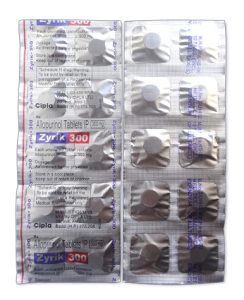
Allopurinol
from
Arcoxia
from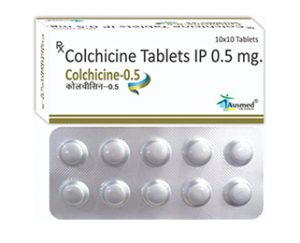
Colchicine
from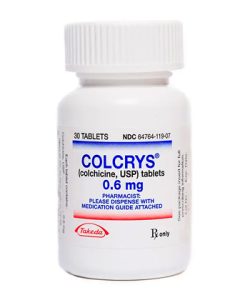
Colcrys
from
Feldene
from
Indocin
from
Mobic
from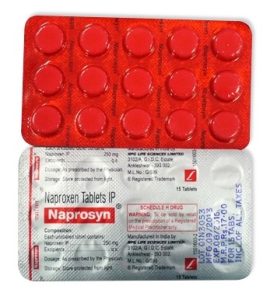
Naprosyn
from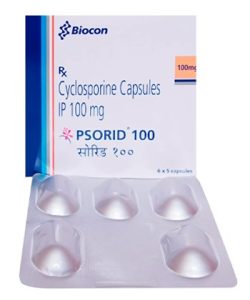
Neoral
from
Zyloprim
fromUnderstanding Arthritis: Types and Causes
Arthritis is a common condition affecting millions of Americans, characterized by inflammation in one or more joints. The two most prevalent types are osteoarthritis and rheumatoid arthritis. Osteoarthritis develops when protective cartilage breaks down over time, typically affecting people as they age. Rheumatoid arthritis is an autoimmune disease where the body attacks joint tissue, causing inflammation and pain.
Understanding your arthritis type is crucial for proper treatment. Risk factors include age, family history, previous joint injuries, and certain lifestyle habits. Both types can cause pain, swelling, stiffness, and reduced mobility. Early diagnosis helps prevent further joint damage and improves quality of life. Many people experience symptoms that worsen with activity or improve with rest. Seeking medical evaluation when you notice joint pain is important for getting appropriate care and relief.
Over-the-Counter Pain Relief Options
Over-the-counter medications provide accessible relief for many arthritis sufferers. These commonly available options can help manage mild to moderate symptoms effectively:
- Ibuprofen (Advil, Motrin) reduces inflammation and pain effectively
- Naproxen sodium (Aleve) offers longer-lasting relief with fewer daily doses needed
- Acetaminophen (Tylenol) helps with pain but doesn’t reduce inflammation
- Topical creams like Bengay and Icy Hot provide localized relief when applied directly to affected joints
- Aspirin can help manage arthritis symptoms and may provide additional cardiovascular benefits
Topical products contain menthol, capsaicin, or salicylates that create warming or cooling sensations. Many people combine OTC medications with other treatments for better results. It’s important to follow package directions and consult your pharmacist about potential interactions with other medications. Over-the-counter options work well for mild to moderate symptoms but may not be sufficient for severe arthritis. Regular use should be discussed with healthcare providers to ensure safety.
Prescription Medications and Advanced Treatments
Prescription arthritis medications offer stronger relief for moderate to severe cases. Nonsteroidal anti-inflammatory drugs like meloxicam and indomethacin provide potent inflammation reduction. Corticosteroids such as prednisone reduce immune response and inflammation but are typically used short-term.
Disease-modifying antirheumatic drugs, or DMARDs, including methotrexate and sulfasalazine, slow disease progression in rheumatoid arthritis. Biologic medications like adalimumab, etanercept, and infliximab target specific immune system components causing inflammation. TNF inhibitors represent a major advancement in rheumatoid arthritis treatment. Janus kinase inhibitors, such as baricitinib, offer newer treatment options.
Additional prescription approaches include hyaluronic acid injections that provide temporary relief by lubricating joints and corticosteroid joint injections that deliver medication directly to affected areas. Your rheumatologist will determine the best medication based on your specific condition and medical history. Many prescription options require regular monitoring through blood tests. These medications significantly improve symptoms and slow disease progression when used appropriately.
Natural Supplements and Alternative Therapies
Many arthritis patients explore natural supplements alongside conventional treatments. Popular options that people consider include glucosamine and chondroitin, believed to support joint health and cartilage maintenance. Omega-3 fatty acids from fish oil reduce inflammation and joint pain naturally. Turmeric containing curcumin has anti-inflammatory properties supported by research studies. Ginger supplements may help reduce inflammation and improve mobility.
Additional natural remedies include Boswellia extract, which shows promise in reducing joint inflammation and improving function, and methylsulfonylmethane (MSM), used by many seeking natural pain relief. Green tea contains antioxidants that may protect joints from further damage. Vitamin D supports bone health and may reduce inflammation. Probiotics promote gut health, which some research links to reduced arthritis symptoms. Devil’s claw and cat’s claw are herbal remedies used traditionally for joint pain.
Always consult your pharmacist before starting supplements, as they may interact with medications. Natural doesn’t always mean safe, and quality varies among brands significantly. Your pharmacy team can help you choose high-quality supplements and ensure they won’t interfere with your current treatment plan.
Lifestyle Changes and Complementary Approaches
Managing arthritis effectively combines medication with lifestyle modifications. Regular exercise strengthens muscles around joints and maintains flexibility. Low-impact activities like swimming, walking, and yoga are particularly beneficial for people with arthritis. Weight management reduces stress on joints, especially hips, knees, and ankles. Proper nutrition including anti-inflammatory foods supports overall joint health.
Physical therapies and comfort measures play important roles in daily management. Heat therapy using warm baths or heating pads eases stiffness and pain, while cold therapy with ice packs reduces swelling during flare-ups. Physical therapy teaches proper movement techniques and exercises tailored to your condition. Occupational therapy helps adapt daily activities to protect joints and maintain independence.
Mental and emotional wellness also impacts arthritis management. Stress reduction through meditation and relaxation techniques may improve symptoms. Adequate sleep supports healing and reduces inflammation throughout your body. Maintaining a consistent sleep schedule helps regulate pain levels. Social support from family, friends, or support groups improves emotional wellbeing. Avoiding smoking and limiting alcohol protects joints from additional damage. These complementary approaches work best alongside medical treatments prescribed by your healthcare provider.
When to See a Doctor and Getting the Right Care
Recognizing when professional medical care is needed is essential for arthritis management. Contact your doctor if you experience joint pain lasting more than two weeks. Seek immediate care if joints become severely swollen, red, or warm to touch. Sudden inability to move a joint warrants urgent medical attention.
Rheumatologists specialize in diagnosing and treating arthritis conditions and can provide expert guidance. Your primary care doctor can provide initial evaluation and referrals to specialists. Regular check-ups help monitor disease progression and medication effectiveness. Blood tests and imaging help confirm diagnosis and track inflammation levels. Treatment plans should be personalized based on your specific condition and medical history.
Don’t hesitate to discuss all symptoms with your healthcare provider. Ask about medication side effects and management strategies. Work with your pharmacy team to ensure proper medication use and timing. Many arthritis resources and support networks are available nationwide to help you manage your condition. Early intervention and proper medical management significantly improve long-term outcomes. Taking an active role in your care leads to better symptom control and quality of life.