Feldene
In brief
- Feldene (piroxicam) is generally a prescription medicine in regulated jurisdictions (US, EU, UK); however availability varies and some pharmacies or online sellers may offer it without a prescription or receipt—check local law and the vendor’s requirements before purchase.
- Feldene is used to treat pain, inflammation, and rheumatic conditions (osteoarthritis, rheumatoid arthritis) and is an NSAID (oxicam derivative) that works by inhibiting cyclooxygenase (COX) enzymes, reducing prostaglandin synthesis.
- Usual adult dose is 20 mg once daily (maximum 20 mg/day); some patients respond to 10 mg/day and in rheumatoid arthritis the 20 mg may be split as 2 × 10 mg to reduce gastrointestinal side effects.
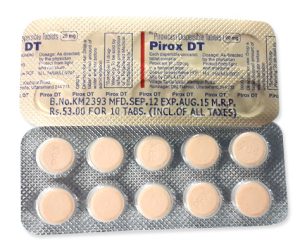
- Forms of administration include oral capsules and tablets (10 mg, 20 mg), dispersible 20 mg tablets, and topical gel/cream (0.5%–1%) where available.
- Onset of effect is typically within about 30–60 minutes for oral formulations, though individual response may vary.
- Duration of action supports once-daily dosing; clinical effects last about 24 hours while the elimination half-life is long (~50 hours), so effects and adverse events may persist or accumulate.
- Avoid or minimize alcohol while taking feldene, as alcohol increases the risk of gastrointestinal bleeding and may compound liver or stomach irritation.
- The most common side effect is gastrointestinal upset (nausea, abdominal pain, dyspepsia); other common adverse effects include headache, dizziness, rash, edema, and increased blood pressure.
- Would you like to try “feldene” without a prescription?
Basic Feldene Information
- INN (International Nonproprietary Name): Piroxicam
- Brand Names Available In United States: Feldene — capsules 10 mg and 20 mg (blister packs, bottles); also marketed globally as Brexin, Felden, Piroxicam HEXAL and others depending on country and supplier.
- ATC Code: M01AC01
- Forms & Dosages: Capsules 10 mg and 20 mg; tablets 10 mg and 20 mg; dispersible tablets 20 mg; topical gel/cream 0.5%–1% in some markets.
- Manufacturers In United States: International suppliers listed in product information include Pfizer, Sandoz, Hexal, Teva, and Mylan; local generics and distributors vary by market.
- Registration Status In United States: Prescription-only (Rx) according to FDA records (original NDA 018147) — check official sources for current labeling and availability.
- OTC / Rx Classification: Prescription-only (Rx) in the jurisdictions reviewed.
Everyday Use & Best Practices
Morning Vs Evening Dosing
Are you wondering whether to take Feldene in the morning or at night?
Feldene (piroxicam) is usually taken once daily because it has a long half-life of about 50 hours, which supports once-daily dosing.
If your prescriber orders 20 mg once daily, pick a consistent time each day to improve adherence.
Morning dosing may suit people who have overnight stiffness and want pain control for daytime activities.
Evening dosing can help control pain that peaks at night and may improve sleep for some patients.
Because piroxicam is long-acting, missed doses should not be doubled.
If you miss a dose, take it as soon as you remember unless it is almost time for your next dose.
Pair dosing with a daily routine such as toothbrushing or breakfast to reduce missed doses and improve adherence.
Taking With Or Without Meals
Do you have a sensitive stomach and want to reduce upset?
Best practice is to take Feldene with food or a glass of milk if you experience GI discomfort.
Some users tolerate piroxicam on an empty stomach, but gastrointestinal side effects are common with NSAIDs.
For patients at higher GI risk, clinicians often advise taking Feldene with food and may consider adding a proton pump inhibitor for gastroprotection.
Storage note: keep capsules at 25°C (77°F), with permitted excursions to 15–30°C, and store in original packaging away from moisture and sunlight.
- Quick Pros/Cons — Morning: May reduce daytime stiffness; fits breakfast routine; may affect alertness less for some people.
- Quick Pros/Cons — Evening: Helps nighttime pain; convenient for once-daily regimens; side effects may affect sleep for some.
- Missed Dose Checklist: If remembered soon after the missed time, take it; if near the next dose, skip the missed dose; never double up.
Safety Priorities
Who Should Avoid It
Who should not use Feldene?
Feldene (piroxicam) is prescription-only in the United States and many countries.
Absolute contraindications include known hypersensitivity to piroxicam or other NSAIDs.
Avoid piroxicam in patients with active peptic ulcer disease or any current gastrointestinal bleeding.
Patients with severe heart failure or severe hepatic or renal impairment should not take Feldene.
Use after coronary artery bypass graft (CABG) surgery is contraindicated.
Pregnancy — especially the third trimester — is a contraindication to NSAID use, including piroxicam.
Elderly patients require extra caution because of higher risks of GI bleeding, renal dysfunction, and cardiovascular events; use the lowest effective dose.
If you have hypertension, heart disease, or take anticoagulants or antiplatelet drugs, notify your prescriber before starting Feldene.
Activities To Limit
Will Feldene affect your daily activities?
Avoid heavy alcohol use while taking Feldene because alcohol increases the risk of gastrointestinal bleeding.
Be cautious with tasks requiring full alertness until you know how Feldene affects you, since dizziness and drowsiness are possible.
If you do sports or labor-intensive work, watch for fluid retention or increases in blood pressure that can affect performance and safety.
- Pre-Start Screening Items: Confirm NSAID allergies, list all medications (especially blood thinners), review heart and kidney history, and discuss prior ulcers or GI bleeding.
- High-Risk Activities To Avoid: Heavy alcohol use, operating heavy machinery while drowsy, and intense exertion if fluid retention or elevated blood pressure occurs.
Dosage & Adjustments
General Regimen
How is Feldene typically dosed for arthritis pain?
The standard adult dose for osteoarthritis and rheumatoid arthritis is 20 mg once daily, with some patients responding to 10 mg per day.
Because piroxicam has a half-life of approximately 50 hours, once-daily dosing is common.
The maximum recommended daily dose is 20 mg.
To reduce gastrointestinal upset, prescribers may split the daily dose into two 10 mg doses.
Missed-dose rule: if you miss a dose, take it when remembered unless it is almost time for your next dose; do not double up.
Special Cases
Are there populations that need dose changes or extra monitoring?
| Indication/Population | Dosing | Max Dose / Notes |
|---|---|---|
| Osteoarthritis | 20 mg once daily (some respond to 10 mg) | 20 mg/day; review every 2–3 months |
| Rheumatoid Arthritis | 20 mg once daily; may split to 2 × 10 mg | 20 mg/day; monitor GI symptoms |
| Children | Not generally recommended | Safety and efficacy not established |
| Elderly | Start at lowest effective dose | Monitor renal, hepatic, cardiovascular status |
| Renal / Hepatic Impairment | Avoid or use extreme caution | Elimination may be prolonged; regular labs recommended |
User Testimonials
Positive Reports
What do patients say about Feldene?
Many patient reports highlight improved mobility and sustained pain relief thanks to piroxicam’s long half-life.
People with chronic arthritis often appreciate once-daily dosing compared with short-acting NSAIDs.
Feldene capsules in 10 mg and 20 mg strengths are frequently mentioned for convenient once-a-day control and relief that can last into the next day.
A common real-world tip is combining medication with light exercise and weight management for better long-term results.
Common Challenges
What problems do users commonly report?
Gastrointestinal upset—nausea, dyspepsia, and gastritis—is the most common complaint and a reason some discontinue therapy.
Dizziness, skin rash, and elevated blood pressure are also reported by some users.
Because Feldene’s effects persist, adverse events can last longer and may require medical evaluation.
- Pros: Sustained pain relief, fewer daily doses, improved daytime function.
- Cons: GI side effects, dizziness, potential blood pressure changes, longer duration of side effects.
- Red-Flag Symptoms To Report: Black stools, severe abdominal pain, unexplained swelling, sudden shortness of breath, or severe rash.
Buying Guide
Pharmacy Sources
Where can you get Feldene in the United States?
Feldene (piroxicam) is prescription-only in the US, and a valid prescription is typically required at pharmacies.
Brand and generic suppliers globally include Pfizer, Sandoz, Hexal, Teva, and Mylan, with local generic manufacturers in various markets.
Packaging commonly includes 10 mg and 20 mg capsules and tablets, as well as 20 mg dispersible tablets in some regions.
In our online pharmacy, feldene is available without a prescription, with discreet delivery to United States in 5-14 days.
Price Comparison
How can you save when buying piroxicam?
Compare prices across local pharmacies and check your insurer’s preferred generics list to reduce cost.
Look for manufacturer coupons, generic piroxicam options, or mail-order discounts where allowed.
| Brand | Country/Region | Common Pack Sizes | Price-Saving Options |
|---|---|---|---|
| Feldene | US, UK, EU | 10 mg, 20 mg capsules (blister, bottle) | Generic piroxicam, coupons, insurer preferred lists |
| Brexin | Europe | 20 mg tablets | Compare local generics, look for bulk pricing |
| Piroxicam HEXAL | Germany, Austria | 20 mg tablets | Local generics and pharmacy discount programs |
What’s Inside & How It Works
Ingredients Overview
What is Feldene made of?
The active ingredient is piroxicam, an oxicam derivative NSAID used for musculoskeletal pain and rheumatic diseases.
Common formulations include capsules and tablets in 10 mg and 20 mg strengths and dispersible 20 mg tablets.
Topical gel or cream formulations (0.5%–1%) exist in some markets; inactive ingredients vary by manufacturer, so check the package leaflet if you have excipient sensitivities.
Mechanism Basics
How does piroxicam relieve pain?
Piroxicam inhibits cyclooxygenase (COX) enzymes, lowering prostaglandin production that contributes to pain and inflammation.
The long half-life of about 50 hours allows once-daily dosing but also increases the window during which adverse effects can occur or accumulate.
- Active Component: Piroxicam (NSAID, oxicam class).
- Inactive Components: Vary by brand — always check the leaflet for lactose, dyes, or other excipients.
- Mechanism: COX inhibition → decreased prostaglandins → reduced inflammation and pain.
Main Indications
Approved Uses
What conditions is Feldene approved to treat?
Primary approvals include treatment of pain and inflammation in osteoarthritis and rheumatoid arthritis in adults.
The typical adult dosing for these indications is 20 mg once daily, with some patients responding to 10 mg daily.
Therapy is usually reviewed every 2–3 months for chronic use, and NSAID exposure should be minimized consistent with symptom control.
Off-Label Uses
Are there other uses for piroxicam?
Occasional off-label uses include physician-directed short courses for acute gout flares, ankylosing spondylitis, or certain postoperative pains.
Because of piroxicam’s long half-life and risk profile, off-label use should be prescribed with caution and close monitoring for GI, renal, and cardiovascular risks.
| Use | Approved / Off-Label | Monitoring Required |
|---|---|---|
| Osteoarthritis | Approved | Review every 2–3 months; monitor GI/renal/CV risk |
| Rheumatoid Arthritis | Approved | Monitor disease activity and adverse effects |
| Acute Gout | Off-Label (short course) | Physician-directed; monitor renal function |
Interaction Warnings
Food Interactions
Does food change how Feldene works?
Food does not significantly change piroxicam’s pharmacologic classification, but taking Feldene with food or milk often reduces gastrointestinal upset.
Avoid excessive alcohol since it raises the risk of GI bleeding when combined with NSAIDs.
- Foods/Drinks To Avoid Or Limit: Heavy alcohol intake; large fatty meals are not required to be avoided but may delay absorption in some people.
- Tips To Reduce GI Irritation: Take with a meal, consider a PPI if at high GI risk, and avoid concurrent NSAID use.
Drug Conflicts
What drugs should not be combined with Feldene?
Major interactions include anticoagulants and antiplatelets, which increase bleeding risk when combined with piroxicam.
Concomitant corticosteroids also increase GI bleeding risk.
Diuretics, ACE inhibitors, and ARBs can have reduced effectiveness or increased renal risk when used with NSAIDs.
Certain SSRIs may increase bleeding risk when combined with piroxicam.
- High-Risk Drug Classes: Anticoagulants/antiplatelets, corticosteroids, diuretics, ACE inhibitors/ARBs, SSRIs.
- Suggested Monitoring: Check renal function and blood pressure when adding piroxicam to these regimens; monitor for signs of bleeding.
Latest Evidence & Insights
Current Clinical Takeaways
What should patients know from recent practice guidance?
Guidance emphasizes minimizing NSAID exposure and using the lowest effective dose for the shortest duration consistent with symptom control.
Feldene’s long half-life provides durable symptom control but increases the potential for accumulation and prolonged adverse events.
Routine review every 2–3 months is recommended for chronic indications, with ongoing assessment of GI, renal, and cardiovascular risk.
Research Updates Patients Should Know
Are there comparative safety messages to consider?
Comparative evidence often focuses on balancing efficacy versus GI and cardiovascular risks among NSAIDs.
Alternatives such as meloxicam may offer lower GI risk for some patients, while ibuprofen and naproxen have different half-lives and dosing schedules.
Combination strategies of an NSAID plus a PPI are supported for high-GI-risk patients to reduce upper GI complications.
- Key Practice Points: Use lowest effective dose; reassess benefit vs risk each 2–3 months; consider PPI for GI protection if indicated.
- Questions To Discuss At Follow-Up: Blood pressure changes, renal function trends, GI symptoms, and need to continue therapy.
Alternative Choices
Safer NSAID Alternatives
Which alternatives can be considered if piroxicam is unsuitable?
Other NSAIDs include ibuprofen (OTC in lower doses), naproxen, diclofenac, and meloxicam.
Meloxicam is often used once daily and may carry a lower GI risk profile for some patients.
Ibuprofen has a shorter half-life and may be preferred for intermittent pain control.
| Drug | Pros | Cons |
|---|---|---|
| Ibuprofen | OTC options; shorter half-life for intermittent use | Requires more frequent dosing; GI/CV risks remain |
| Meloxicam | Once-daily dosing; may have lower GI risk | Still an NSAID with renal/CV concerns |
| Naproxen | Longer than ibuprofen; effective for musculoskeletal pain | Twice-daily dosing; GI/CV risks similar to other NSAIDs |
Non-Drug Approaches
What non-pharmacologic measures help arthritis pain?
Physical therapy, weight loss, joint-supportive exercises, and topical NSAID gels can meaningfully reduce pain and reliance on systemic NSAIDs.
Acetaminophen may be used for mild pain, though it has limits for inflammatory pain control.
- Non-Drug Checklist: Physical therapy, targeted exercise, weight management, heat/cold therapy, topical agents for local pain.
Regulation Snapshot
Approval And Prescription Status
What is Feldene’s regulatory status?
Feldene (piroxicam) is prescription-only in the United States under the original NDA 018147.
It is approved in many European Union member states and is registered with national medicines agencies in those jurisdictions.
Local prescribing labels and SmPCs vary by country; consult national regulators for current product information.
Packaging & Manufacturer Notes
What packaging and manufacturers should you expect?
Common packaging includes capsules and tablets in 10 mg and 20 mg strengths, dispersible 20 mg tablets, and topical gels (0.5%–1%) in some markets.
Major suppliers include Pfizer, Sandoz, Hexal, Teva, and Mylan, with many local generics worldwide.
| Country/Region | Brand | Available Forms / Pack Sizes |
|---|---|---|
| United States | Feldene | Capsules 10 mg, 20 mg (blister, bottle) |
| Germany / Austria | Piroxicam HEXAL | Tablets 20 mg |
| Italy | Flogofort | Tablets/capsules 20 mg |
FAQ Section
Common Patient Questions
Is Feldene safe long-term?
It can be used chronically under medical supervision with reviews every 2–3 months while using the lowest effective dose and monitoring for GI, renal, and cardiovascular issues.
Can I take other NSAIDs with Feldene?
Generally avoid combining NSAIDs because of additive gastrointestinal, renal, and cardiovascular risks.
What if I’m pregnant?
Avoid piroxicam in pregnancy, especially in the third trimester, due to known risks associated with NSAID use.
Quick Answers For Emergencies
What should I do in case of overdose or severe side effects?
If you suspect an overdose, seek immediate medical help; symptoms may include severe GI bleeding, vomiting, drowsiness, or coma, and treatment is symptomatic.
Red flags requiring urgent contact with your prescriber or emergency services include black stools, severe stomach pain, sudden shortness of breath, swelling of the face or limbs, jaundice, or a widespread rash.
- Immediate Steps For Overdose/Severe Side Effects: Call emergency services, do not induce vomiting unless instructed, bring medication packaging to the hospital, and report recent doses.
- Quick Q&A: If breast-feeding or pregnant, do not take; if on blood thinners, consult prescriber before starting; do not double missed doses.
Guidelines For Proper Use
Practical Start-Up Checklist
Are you ready to start Feldene?
- Confirm you have a valid prescription and understand the prescribed dose and schedule.
- Review allergies, especially to NSAIDs or aspirin.
- List all current medications — include anticoagulants, corticosteroids, SSRIs, ACE inhibitors, ARBs, and diuretics.
- Assess gastrointestinal, renal, and cardiac history; note any prior ulcers or bleeding.
- Plan baseline labs if indicated (renal function, liver tests, blood pressure check).
- Store Feldene at recommended temperature (25°C / 77°F; excursions 15–30°C) in original packaging away from moisture.
Ongoing Monitoring & When To Stop
How should you monitor therapy and when should you stop?
| Timepoint | Monitoring |
|---|---|
| Baseline | BP check, renal and liver function tests if risk factors present, assess GI history |
| 1–3 Months | Reassess pain control, check BP, renal function if on interacting meds, review side effects |
| Ongoing Periodic | Every 2–3 months for chronic therapy or sooner if symptoms occur |
Stop and seek medical care for severe abdominal pain, black or bloody stools, jaundice, sudden shortness of breath, new significant swelling, or severe rash.
Delivery Across United States
| City | Region | Delivery Time |
|---|---|---|
| New York | Northeast | 5-7 days |
| Los Angeles | West | 5-7 days |
| Chicago | Midwest | 5-7 days |
| Houston | South | 5-7 days |
| Phoenix | West | 5-7 days |
| Philadelphia | Northeast | 5-7 days |
| San Antonio | South | 5-9 days |
| San Diego | West | 5-9 days |
| Dallas | South | 5-7 days |
| San Jose | West | 5-9 days |
| Austin | South | 5-9 days |
| Jacksonville | South | 5-9 days |
| Fort Worth | South | 5-9 days |
| Columbus | Midwest | 5-9 days |