Zyloprim
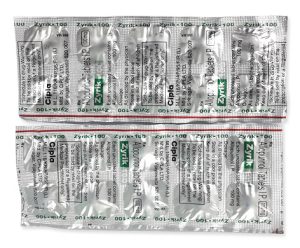
In brief
- Zyloprim (allopurinol) is a prescription medication in most countries (FDA/EMA/MHRA/ANMDMR). Some local pharmacies or online vendors may offer it without a prescription, but this is not recommended—use under medical supervision is advised.
- Zyloprim is used to treat gout and chronic hyperuricemia, prevent uric acid kidney stones, and manage tumor lysis–related hyperuricemia; it works as a xanthine oxidase inhibitor, reducing production of uric acid.
- Typical adult dosing starts at 100 mg once daily, increasing by 100 mg weekly to effect; common maintenance is 200–300 mg/day, with a maximum of 800 mg/day (split doses if >300 mg). For tumor lysis or severe hyperuricemia short courses of 600–800 mg/day may be used. Pediatric dosing is about 10–20 mg/kg/day (max ~400 mg/day).
- Administered orally as scored tablets (100 mg and 300 mg) or intravenously as a powder for injection (500 mg vial in some brands).
- Zyloprim begins to lower serum uric acid within days, but clinical improvement in gout symptoms may take weeks to months; it should not be started to treat an acute gout attack.
- The drug’s effect is sustained with once-daily dosing due to the long‑acting active metabolite oxypurinol, providing coverage over 24 hours while on therapy.
- Avoid heavy alcohol consumption (especially beer and spirits) because alcohol can raise uric acid and trigger gout flares; reduce or stop alcohol during treatment.
- The most common side effects are skin rash and gastrointestinal upset (nausea, vomiting, diarrhea); rare but serious reactions include severe hypersensitivity (DRESS, SJS/TEN), so stop and seek urgent care for severe rash or systemic symptoms.
- Would you like to try zyloprim without a prescription?
Basic Zyloprim Information
- INN (International Nonproprietary Name): Allopurinol.
- Brand Names Available In United States: Zyloprim, Lopurin, Aloprim; tablets 100 mg and 300 mg; injection 500 mg vial (Aloprim).
- ATC Code: M04AA01 (Musculo-Skeletal System › Antigout Preparations › Preparations Inhibiting Uric Acid Production › Allopurinol).
- Forms & Dosages: Oral tablets 100 mg (scored) and 300 mg (scored, peach for Zyloprim US); powder for injection 500 mg vial (Aloprim).
- Manufacturers In United States: Prometheus Labs (Zyloprim) and various generics; global suppliers include Sandoz, Teva, Mylan, Zentiva, Accord.
- Registration Status In United States: FDA-approved prescription drug (NDA 016084 for Zyloprim).
- OTC / Rx Classification: Prescription (Rx-only) in the United States; not available over the counter.
Instructions, Warnings & Daily-Life Integration
Quick Safety Rules And Warnings
If your prescriber starts you on Zyloprim (allopurinol), follow the exact dose and monitoring plan provided.
Do not begin allopurinol during an acute gout flare; starting therapy during a flare is discouraged.
If you are already taking allopurinol and develop a gout flare, continue the medication unless your clinician tells you to stop.
Stop the medicine and seek urgent care for any new rash, blistering, or fever because these may be the first signs of serious reactions such as Stevens-Johnson syndrome or toxic epidermal necrolysis.
Discuss HLA-B*5801 testing with your clinician if you have ancestry from certain Asian populations because this allele raises risk for severe hypersensitivity.
Store tablets at 20–25°C (68–77°F) and protect them from moisture and excessive heat during transport.
Everyday Integration Tips
Want to make taking Zyloprim part of your daily routine without fuss?
- Sync your dose to a habit you already do every day, like brushing your teeth or breakfast.
- Pick morning or evening dosing based on what you will actually remember, and keep the timing consistent.
- Stay well hydrated each day to help lower the risk of uric acid kidney stones; follow fluid goals set by your provider.
- Carry a medication list that includes brand names (Zyloprim, Lopurin, Aloprim), tablet strengths (100 mg, 300 mg), and prescriber contact details.
- Use a pill organizer and smartphone reminders to support adherence to allopurinol tablets.
Everyday Use & Best Practices
Morning Vs Evening Dosing
Which is better, morning or evening dosing for Zyloprim?
Consistent timing matters more than the exact hour, so choose the time that fits your routine and stick with it.
Many clinicians start adults at 100 mg once daily and increase by about 100 mg weekly until the target serum uric acid is reached.
Maintenance doses vary and the maximum daily dose can reach 800 mg, with doses above 300 mg often split into two administrations.
Choose morning dosing if taking medication with breakfast helps you remember, or evening dosing if that is when you are most reliable.
For short-term high-dose use such as tumor lysis syndrome, follow the specific timing and monitoring instructions given by the oncology team.
Taking With Or Without Meals
Food does not significantly reduce the urate-lowering effect of allopurinol, so it is acceptable to take tablets with a meal to reduce nausea.
If you experience mild gastrointestinal upset, take the tablet with food to improve tolerance.
Avoid abruptly stopping allopurinol during a gout flare if you are already on therapy because continuation is generally recommended unless told otherwise by your prescriber.
Use a pill organizer and set smartphone reminders to maintain consistent daily dosing of Zyloprim 100 mg or Zyloprim 300 mg tablets.
| Phase | Typical Starting Dose | Notes |
|---|---|---|
| Start | 100 mg/day | Increase ~100 mg weekly to effect for gout |
| Maintenance | Variable | Target serum uric acid guides dose; may split >300 mg/day |
| TLS / Short-Term High Dose | 600–800 mg/day | Use under close supervision for tumor lysis syndrome |
Safety Priorities
Who Should Avoid It
Allopurinol is absolutely contraindicated in anyone with a known hypersensitivity to the drug or any excipient in the tablet or injection.
Do not start allopurinol during an acute gout attack, though patients already taking it should usually continue.
Use specialist supervision for severe hepatic or renal impairment before initiating therapy.
Patients with a prior history of severe skin reactions, hematologic disorders, or hypersensitivity syndromes require close monitoring.
Consider testing for HLA-B*5801 in patients with ancestry from certain Asian populations because carriers face higher risk of severe hypersensitivity reactions.
Activities To Limit
Which activities should you be cautious about while starting or adjusting Zyloprim?
- Avoid strenuous, dehydration-inducing activities until hydration is stable, since good fluid intake reduces kidney stone risk.
- Limit heavy alcohol intake while titrating allopurinol because alcohol raises uric acid and can provoke flares.
- Do not drive or operate heavy machinery if you experience dizziness or drowsiness after starting therapy.
- Before starting new prescription or over-the-counter medicines, check for interactions with allopurinol such as azathioprine or mercaptopurine.
If you notice new rash, blistering, fever, or significant changes in urine output, stop the medication and contact your clinician immediately.
Dosage & Adjustments
General Regimen
Standard adult starting dose for gout is 100 mg orally once daily, with gradual increases of about 100 mg weekly until the target serum uric acid is reached.
Maintenance doses depend on uric acid goals and tolerance, and maximum total daily dosing can reach 800 mg with higher doses often split into two administrations.
For recurrent calcium oxalate stones, a usual dose is 200–300 mg daily.
In cancer-associated hyperuricemia or tumor lysis syndrome, short-term doses of 600–800 mg daily may be used under close supervision for a few days before switching back to maintenance.
Special Cases (Renal, Elderly, Pediatric, TLS)
Renal impairment requires dose adjustment, and patients with creatinine clearance under 10 mL/min are often started on ≤100 mg/day or given extended dosing intervals.
Elderly patients should start low and titrate carefully while taking renal function into account.
Children may receive 10–20 mg/kg/day divided into three doses for rare indications, with a maximum of 400 mg/day in pediatric use.
TLS dosing is higher (600–800 mg/day) and closely monitored in the inpatient or oncology setting until uric acid normalizes.
| Population | Initial Dose | Monitoring |
|---|---|---|
| Adults With Gout | 100 mg/day | Uric acid levels, renal/liver function |
| Renal Impairment <10 mL/min | ≤100 mg/day or extended interval | Frequent renal monitoring |
| Children | 10–20 mg/kg/day (max 400 mg) | Specialist supervision |
| TLS | 600–800 mg/day short-term | Inpatient monitoring |
User Testimonials
Positive Reports (What Patients Say Helps)
Many patients report fewer gout flares and less joint pain after reaching a stable serum uric acid on allopurinol therapy.
Patients commonly say combining daily allopurinol with hydration and reduced intake of purine-rich foods improves outcomes.
Brand switches between Zyloprim and generics (100 mg and 300 mg tablets) rarely change the clinical benefit if adherence remains steady.
One patient noted that pairing Zyloprim 300 mg with a morning routine and a weekly pillbox prevented missed doses and improved flare control.
Common Challenges (What Patients Report)
Initial weeks on allopurinol can be frustrating because gout flares sometimes occur early in titration, and many clinicians prescribe prophylactic colchicine or NSAIDs during that period.
Mild gastrointestinal upset, drowsiness, or rash are reported by some; severe skin reactions are rare but serious and require immediate care.
Cost and sourcing can be a barrier for chronic therapy, but generics from manufacturers like Sandoz, Teva, and Mylan often provide savings.
- Pros: Fewer flares long-term, widely available generics, clear dosing paths.
- Cons: Early flares possible, rare severe skin reactions, need for ongoing lab monitoring.
Call your clinician if you develop widespread rash, fever, or new kidney or liver symptoms while on allopurinol.
Buying Guide
Pharmacy Sources (Brand Vs Generic)
Zyloprim and multiple generics are prescription medications in the United States, with Zyloprim and Lopurin as common brand names and Aloprim available as an injectable vial.
Oral tablets commonly come in 100 mg and 300 mg scored forms that match typical prescriptions for gout management.
Buy from local retail chains, independent pharmacies, or legitimate online pharmacies that require a prescription upload and display proper licensing.
For inpatient or urgent tumor lysis needs, Aloprim IV 500 mg vials are typically supplied by hospital pharmacies.
Price Comparison Tips
Generics usually cost less than brand Zyloprim; manufacturers such as Sandoz, Teva, and Mylan often offer affordable allopurinol tablets.
Look into pharmacy discount programs, manufacturer coupons, patient assistance programs, and 90-day supplies to lower per-dose cost for chronic therapy.
Verify pack sizes (30 vs 60) and strengths (100 mg vs 300 mg) to match the prescribed dose and avoid paying for unused tablets.
| Source | Tip |
|---|---|
| Retail Pharmacy | Ask about 90-day fills and in-store savings programs |
| Independent Pharmacy | Compare prices and ask about generic equivalents |
| Online Pharmacy | Confirm license and prescription upload requirement before ordering |
In our online pharmacy, zyloprim is available without a prescription, with discreet delivery to United States in 5-14 days.
What’s Inside & How It Works
Ingredients Overview (Tablet And IV)
The active ingredient is allopurinol, the international nonproprietary name for the drug marketed as Zyloprim.
Oral tablet strengths commonly available are 100 mg (scored) and 300 mg (scored and peach-colored for Zyloprim in the US).
An injectable powder form for reconstitution is supplied as a 500 mg vial under the Aloprim brand for use in some markets and hospital settings.
Inactive ingredients vary by manufacturer, so check the package insert if you have known excipient allergies.
Mechanism Basics (Xanthine Oxidase Inhibition)
Allopurinol is a xanthine oxidase inhibitor that reduces the production of uric acid by blocking the enzyme responsible for converting hypoxanthine and xanthine into uric acid.
The drug is metabolized to oxypurinol, an active metabolite that contributes to a prolonged urate-lowering effect.
Lowering serum uric acid over time helps prevent gout flares, reduce urate crystal deposition, and lower the risk of uric acid kidney stones.
| Form | Strength/Use |
|---|---|
| Oral Tablet | 100 mg / 300 mg — chronic gout, stones |
| IV Powder (Aloprim) | 500 mg vial — inpatient TLS or rapid uric acid control |
Main Indications
Approved Uses
Zyloprim (allopurinol) is FDA-approved and is first-line therapy for chronic gout and hyperuricemia to prevent flares and urate crystal deposition.
It is indicated to prevent uric acid nephropathy and to reduce uric acid in patients at risk during cancer chemotherapy and tumor lysis syndrome.
Typical doses differ by indication, such as 100 mg/day initiation for gout and short-term 600–800 mg/day for TLS under supervision.
Off-Label Uses & Special Situations
Clinicians sometimes use allopurinol in recurrent kidney stones where uric acid contributes, and in specific pediatric metabolic conditions under specialist care.
Pediatric dosing for rare overproduction syndromes is 10–20 mg/kg/day divided into three doses, up to a 400 mg/day maximum.
Decisions about off-label use should be individualized and made with specialist input in cases of complex renal or hepatic impairment.
Interaction Warnings
Food Interactions
There are no major food interactions that reduce the efficacy of allopurinol, so taking it with meals to reduce nausea is acceptable.
Alcohol and high-purine foods can raise uric acid levels and work against treatment goals, so moderation is advised.
Maintain hydration as a food-and-fluid-related measure to reduce the risk of uric acid kidney stones.
Drug Conflicts & Monitoring
Allopurinol can cause severe interactions with azathioprine and mercaptopurine, which may require dose reductions or avoidance of those agents.
Coadministration with certain thiazide diuretics may increase hypersensitivity risk, and combining with febuxostat should be reviewed by a specialist.
Routine monitoring while on allopurinol includes serum uric acid, liver function tests, renal function, and complete blood counts.
| Drug | Concern |
|---|---|
| Azathioprine / Mercaptopurine | Risk of severe toxicity; avoid or reduce dose |
| Thiazide Diuretics | May increase hypersensitivity risk |
| Febuxostat | Specialist review recommended for combination or switch |
Latest Evidence & Insights
Recent Trial Highlights & Practical Takeaways
Current evidence continues to support allopurinol as first-line urate-lowering therapy for chronic gout and hyperuricemia.
Comparative studies with febuxostat guide choices where allopurinol is not tolerated or contraindicated.
Carefully titrated higher doses up to 800 mg/day can be effective for patients who need more aggressive urate lowering, with close monitoring.
HLA-B*5801 screening in high-risk populations remains an important preventive measure to reduce the risk of severe hypersensitivity.
What Patients Should Ask Their Clinician
Bring these questions to your next appointment to get the most from therapy.
- What is my target serum uric acid and how often will it be checked?
- Do I need HLA-B*5801 testing based on my ancestry before starting allopurinol?
- What is the planned titration schedule and will I receive flare prophylaxis during initiation?
- Should I consider brand versus generic options like Zyloprim versus a Sandoz or Teva generic?
Alternative Choices
When To Consider Switching
Consider switching off allopurinol when intolerable side effects occur, such as severe rash or hypersensitivity, or if urate goals are not met despite escalation.
A positive HLA-B*5801 result or dangerous drug interactions that prevent safe use are additional reasons to consider alternatives.
Alternatives & Comparative Notes
Febuxostat is an alternative xanthine oxidase inhibitor used when allopurinol is contraindicated or not tolerated, and cardiovascular risk should be discussed with a clinician.
Uricosuric agents like probenecid increase uric acid excretion and may be useful for underexcretors with adequate renal function.
Enzyme therapies such as pegloticase or rasburicase are reserved for refractory or severe cases and have higher monitoring and cost profiles.
| Alternative | When Used | Monitoring |
|---|---|---|
| Febuxostat | Allopurinol intolerance or contraindication | Cardiovascular review and uric acid monitoring |
| Probenecid | Underexcretors with good renal function | Renal function and uric acid checks |
| Pegloticase / Rasburicase | Severe refractory gout or rapid uric acid lowering | Specialist care and infusion monitoring |
Regulation Snapshot
Approval & Prescription Status
Zyloprim (allopurinol) is an FDA-approved prescription medication in the United States under NDA 016084.
The medication is Rx-only across markets and is not available over the counter.
Allopurinol products are centrally or nationally registered in other regions such as the EU and licensed by the MHRA in the UK.
Manufacturer & Packaging Notes
In the United States, brand names include Zyloprim and Lopurin for oral tablets and Aloprim as an injectable 500 mg vial in some settings.
Zyloprim oral tablets commonly come in 100 mg (white, scored) and 300 mg (peach, scored) presentations.
Global manufacturers and generics include Sandoz, Teva, Zentiva, Mylan, and others with diverse packaging by country.
FAQ Section
Common Patient Questions (Quick Answers)
Can I stop allopurinol during a flare?
No; if you are already taking allopurinol, generally continue it, and do not start treatment during an acute gout attack.
How long until I see benefit?
It commonly takes months to stabilize serum uric acid and reduce flare frequency after reaching target levels.
Can I drink alcohol?
Moderation or avoidance is recommended because alcohol increases uric acid production and can trigger flares.
How should I store Zyloprim?
Store at 20–25°C (68–77°F) and protect from moisture and excessive heat.
When To Contact Your Provider (Red Flags)
- New widespread rash, blisters, fever, or swelling — stop the medicine and seek urgent care.
- Signs of liver or kidney dysfunction such as jaundice, reduced urine output, or severe fatigue.
- Severe gastrointestinal symptoms, suspected overdose, or sudden neurologic changes.
Guidelines For Proper Use
Monitoring Schedule & Lab Checks
Baseline tests should include serum uric acid, renal function (creatinine), liver function tests, and a complete blood count.
During dose titration, clinicians will repeat uric acid and renal/liver labs at intervals tailored to the patient’s condition and dosing changes.
For high-dose or TLS use, inpatient monitoring is standard and more frequent labs are required.
HLA-B*5801 testing is recommended when ancestry indicates higher risk for severe hypersensitivity reactions.
Practical Checklist For Starting And Maintaining Therapy
- Confirm prescription and indication, and note tablet strength (100 mg or 300 mg) or IV form (Aloprim 500 mg vial).
- Obtain baseline labs and perform HLA-B*5801 testing when appropriate.
- Start at a low dose (typically 100 mg/day) and plan gradual titration with prophylaxis for early flares as advised.
- Schedule follow-up lab checks and monitor symptoms; keep hydrated and avoid abrupt discontinuation without clinical advice.
- Keep an updated medication list and use adherence tools like a pillbox or smartphone reminders.
Delivery Across United States
| City | Region | Delivery Time |
|---|---|---|
| New York | Northeast | 5-7 days |
| Los Angeles | West | 5-7 days |
| Chicago | Midwest | 5-7 days |
| Houston | South | 5-7 days |
| Phoenix | West | 5-7 days |
| Philadelphia | Northeast | 5-7 days |
| San Antonio | South | 5-9 days |
| San Diego | West | 5-7 days |
| Dallas | South | 5-7 days |
| San Jose | West | 5-7 days |
| Austin | South | 5-7 days |
| Jacksonville | Southeast | 5-9 days |
| Columbus | Midwest | 5-9 days |
| Fort Worth | South | 5-9 days |