Ampicillin
In brief
- Ampicillin is a prescription-only antibiotic in regulated markets such as the US, EU, and Romania, but it may sometimes be available through certain pharmacies or suppliers without a prescription depending on local rules. It is sold as generic ampicillin and under brand names such as Penbritin, Principen, Totacillin, Unicillin, and Standacillin.
- Ampicillin is used to treat susceptible bacterial infections, including respiratory and urinary tract infections, some gastrointestinal and biliary infections, meningitis, sepsis, and gonorrhea. It is a beta-lactam antibiotic that works by inhibiting bacterial cell-wall synthesis, leading to bacterial death.
- The usual adult dose is 250–500 mg orally every 6 hours for mild to moderate infections, or 1–2 g IV every 4–6 hours for severe infections. For uncomplicated gonorrhea, a single 3.5 g oral dose may be used with probenecid, and dosing in children is weight-based.
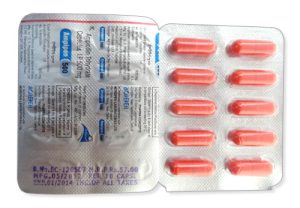
- It is available as capsules or tablets, oral suspension, and dry powder for injection. Administration routes include oral, intravenous (IV), and intramuscular (IM).
- Ampicillin usually starts working within about 30–60 minutes after oral dosing, while IV administration begins to act faster, often within minutes.
- The duration of action is about 4–6 hours, which is why it is commonly dosed multiple times per day.
- Do not drink alcohol while taking ampicillin if you can avoid it, as alcohol may worsen stomach upset and can interfere with recovery from infection.
- The most common side effects are nausea, diarrhea, vomiting, mild skin rash, and oral or vaginal yeast infection.
- Would you like to try ampicillin without a prescription?
Basic Ampicillin Information
- INN (International Nonproprietary Name): Ampicillin
- Brand names available in United States: Totacillin, Principen, generic ampicillin
- ATC Code: J01CA01; J01CR01; J01CR50
- Forms & dosages: Capsules / tablets 250mg, 500mg; oral suspension 125mg/5mL, 250mg/5mL; dry powder for injection 250mg, 500mg, 1g, 2g
- Manufacturers in United States: Sandoz, Pfizer, GlaxoSmithKline, Aurobindo, Hikma
- Registration status in United States: Rx, FDA-approved
- OTC / Rx classification: Prescription only (Rx) in all regulated markets globally
Everyday Use And Best Practices
Do you ever wonder why one antibiotic works better when the schedule is followed exactly?
With ampicillin, the answer is usually timing and consistency.
Oral ampicillin is often prescribed every 6 hours, and it is usually taken 30 to 60 minutes before meals for better absorption.
That matters with an ampicillin oral tablet or capsule because food can lower how much medicine gets into your system.
If your day is packed, connect each dose to a routine cue, like waking up, lunch prep, dinner cleanup, and a bedtime alarm.
For many patients, that simple structure is the difference between missed doses and steady improvement on Principen for infection.
- Set a dosing routine that matches your day.
- Keep the bottle together with water and a reminder note.
- Use empty-stomach timing when possible for oral ampicillin.
- Ask before changing the schedule if stomach upset becomes a problem.
- Do not skip doses just because meals are inconvenient.
If nausea makes the schedule hard to follow, a pharmacist or prescriber can help you adjust the plan safely instead of losing adherence.
That practical approach is especially useful with ampicillin 500mg, where the dose may look simple but the timing still drives results.
Keeping the medicine near a toothbrush or phone charger is a small trick that helps people stick with oral ampicillin long enough to finish the course.
Safety Priorities
Before starting ampicillin, the biggest question is whether it is safe for your allergy history.
Do not use this ampicillin antibiotic if you have a known penicillin allergy or a history of severe beta-lactam allergy such as anaphylaxis or Stevens-Johnson syndrome.
Extra caution is also warranted if you have eczema, atopic disease, or mononucleosis, because the rash risk is higher in those settings.
This is prescription-only therapy in the United States, and it should be used under medical guidance even when the infection seems straightforward.
- Stop and seek urgent help for swelling, hives, trouble breathing, or sudden severe rash.
- Avoid driving if you feel dizzy, weak, or unwell after a dose.
- Tell every clinician you are taking ampicillin before new medicines, urgent care, or surgery.
- Keep your medication list updated so allergy warnings are not missed.
Most ampicillin side effects are digestive or skin-related, but severe reactions can happen quickly and need emergency care.
That is why the allergy warning matters more than convenience, especially for people who have reacted to other beta-lactam antibiotic products in the past.
Dosage And Adjustments
How much ampicillin is used depends on the infection, the route, and the patient’s age and kidney function.
For mild to moderate respiratory or urinary infections, typical adult oral dosing is 250 to 500 mg every 6 hours.
Severe infections may require 1 to 2 g IV every 4 to 6 hours in the hospital, and ampicillin sulbactam may be considered in some settings when a broader spectrum is needed.
For uncomplicated gonorrhea in selected cases, a single oral dose of 3.5 g with ampicillin probenecid may be used.
Treatment duration commonly runs 5 to 7 days for uncomplicated infections and 10 days for streptococcal pharyngitis.
| Condition | Typical Adult Dose | Notes |
|---|---|---|
| Respiratory or urinary infection | 250-500 mg every 6 hours orally | Mild to moderate cases |
| Severe infection | 1-2 g IV every 4-6 hours | Hospital use only |
| Uncomplicated gonorrhea | 3.5 g orally once with probenecid | Selected cases only |
| Meningitis | 1.5-2 g IV every 4-6 hours | With other agents and supportive care |
Children need weight-based dosing, with neonates and infants often receiving 50 to 200 mg/kg/day in divided doses and older children 50 to 100 mg/kg/day divided every 6 hours.
Older adults usually do not need a special dose reduction unless renal function is impaired.
In renal impairment, the dosing interval often needs to be extended, while pregnancy and lactation decisions should be individualized.
User Experiences
Patients usually like ampicillin when the bug is susceptible and the schedule makes sense.
Many people notice fever, throat pain, or urinary symptoms easing once treatment starts, and hospital teams value its role in inpatient IV therapy for susceptible Enterococcus and Streptococcus infections.
That is one reason Principen and the generic ampicillin capsule still come up often in real-world treatment discussions.
- “My fever dropped after the first day.”
- “The every-6-hour schedule was the hardest part.”
- “The pill worked, but my stomach felt off for a while.”
- “Phone alarms made it much easier to stay on track.”
The most common complaints are GI upset, rash concerns, and the inconvenience of frequent dosing.
Those frustrations are real, but stopping early can let the infection return or worsen, so side effects should be reported to the prescriber rather than ignored.
Some users also call it the old-school Omnipen antibiotic because it has been around so long, yet its usefulness remains when the organism is sensitive.
Buying Guide
Need to know where ampicillin comes from and what to compare before ordering?
In the United States, ampicillin is prescription-only and should be obtained through a licensed pharmacy or hospital supply chain.
When someone asks about buy ampicillin online, the safest answer is to use a verifiable pharmacy that requires a prescription and clearly lists its credentials.
Our online pharmacy is one access option, and ampicillin is available without a prescription, with discreet delivery to United States in 5-14 days.
Price can vary a lot depending on whether you need capsules, suspension, or injection powder, so the formulation matters as much as the strength.
| Form | Common Strength | Route | Typical Use |
|---|---|---|---|
| Capsules / tablets | 250mg, 500mg | Oral | Community infections |
| Oral suspension | 125mg/5mL, 250mg/5mL | Oral | Patients who cannot swallow capsules |
| Dry powder for injection | 500mg, 1g, 2g | IV/IM | Hospital treatment |
Generic ampicillin is usually more practical than brand-name products, especially when comparing an ampicillin 500mg oral product with a 1g vial for injection.
Be cautious with sellers that do not request a prescription or do not identify a licensed pharmacy.
If you are buying oral suspension, remember that it is a reconstituted product with limited refrigerator life after mixing.
What Is Inside And How It Works
What exactly is in the bottle, and why does ampicillin work only for certain infections?
The active ingredient is ampicillin itself, a penicillin-class antibiotic.
It is classified as ATC J01CA01 when used as a single substance and J01CR01 in combinations such as ampicillin sulbactam.
International brand examples include Principen, Totacillin, Penbritin, Unicillin, and Standacillin depending on the market.
Ampicillin works by inhibiting bacterial cell-wall synthesis, which stops susceptible bacteria from multiplying.
That makes it useful for bacterial infections, but not for colds, flu, or other viral illnesses.
- Active ingredient: ampicillin
- Drug class: extended-spectrum penicillin
- Common dosage forms: capsules, oral suspension, injection powder
- Core action: blocks cell-wall synthesis
Patients do not need to memorize the chemistry, but they do need to take the medicine on time and finish the full course.
That practical focus matters more than the label on the box, whether it says ampicillin pill or another familiar brand name.
Main Indications
When is ampicillin actually the right choice?
It is used for susceptible bacterial infections, including some respiratory and urinary tract infections, and for more serious infections that require IV therapy in the hospital.
In selected cases, it is also used for uncomplicated gonorrhea with probenecid.
Hospital clinicians may choose it for infections involving susceptible Enterococcus or Streptococcus, and sometimes for meningitis or endocarditis as part of a broader regimen.
- Approved and common uses: respiratory infections, urinary infections, selected gonorrhea cases, inpatient IV therapy.
- Hospital-based uses: severe infection control, meningitis, endocarditis, susceptible Enterococcus and Streptococcus infections.
- Culture-guided use: treatment based on susceptibility results and local resistance patterns.
For oral community treatment, ampicillin for UTI may come up when the organism is known to be sensitive.
Because resistance trends change, the most practical rule is to use this antibiotic only when a clinician confirms it is a good fit.
That is also why terms like Principen for infection and Unasyn ampicillin sulbactam are often discussed together in clinical settings.
Interaction Warnings
Could food or another medicine change how ampicillin works?
Yes, and timing is a big part of that story.
Oral ampicillin is usually taken 30 to 60 minutes before meals because food can reduce absorption.
If nausea makes empty-stomach dosing difficult, a pharmacist can help you think through the schedule before you change it on your own.
Do not use alcohol as a workaround for stomach discomfort.
| Interaction | What Can Happen | What To Do |
|---|---|---|
| Food | Reduced absorption | Take 30-60 minutes before meals |
| Probenecid | Intentional increase in drug levels in selected cases | Use only when prescribed |
| Other antibiotics or blood thinners | Possible conflict or monitoring issue | Tell your clinician about all medicines |
| Kidney disease medicines | Elimination may change | Renal dosing interval may need adjustment |
Because ampicillin probenecid is sometimes used on purpose, that combination should not be changed casually.
Any history of severe drug reactions should be mentioned before treatment starts, and people with reduced kidney function may need longer dosing intervals.
Latest Evidence And Insights
What current practice really emphasizes is simple: match the drug to a confirmed susceptible organism and screen carefully for allergy.
Modern ampicillin use is shaped by resistance trends, hospital stewardship, and the need to keep therapy precise.
It remains important in inpatient IV care, especially when the organism is known to respond.
- Culture-guided selection is preferred when possible.
- Allergy screening matters before the first dose.
- Complete the course even if symptoms improve early.
- Ampicillin sulbactam is often discussed when broader coverage is needed.
For patients, the takeaway is straightforward: this ampicillin antibiotic still has a role, but it works best when used exactly as directed.
That means no early stopping, no self-switching, and no guessing if a culture result or prescriber instruction is available.
Alternative Choices
What if ampicillin is not the easiest or best option?
Then another beta-lactam may be more practical, depending on the infection site and allergy history.
Amoxicillin is often easier to take because it is better absorbed orally and has a wider everyday outpatient role.
Amoxicillin/clavulanate is used when beta-lactamase coverage is needed, and piperacillin/tazobactam is reserved for more severe hospital infections.
| Option | Route | Main Strength | Typical Use |
|---|---|---|---|
| Amoxicillin | Oral | Better oral absorption | Common outpatient infections |
| Amoxicillin/clavulanate | Oral | Beta-lactamase coverage | Selected community infections |
| Piperacillin/tazobactam | IV | Severe hospital coverage | Inpatient infections |
| Penicillin V or G | Oral or IV | Different penicillin use patterns | Specific infections |
The best ampicillin vs amoxicillin choice depends on culture data, infection site, and whether oral or IV therapy is needed.
People should avoid self-switching between antibiotics without medical direction, even when the medicines look similar on the shelf.
Regulation Snapshot
Why does regulation matter to a patient?
Because it affects labeling, access, stock, and what strengths are commonly available.
In the United States, ampicillin is FDA-approved and prescription-only.
In the European Union, it is also prescription-only and available as original products or generics.
Brand availability changes by country, with examples such as Principen, Totacillin, Penbritin, Unicillin, and Standacillin.
- United States: FDA-approved, Rx only
- European Union: approved, Rx only
- Form variations: capsules, oral suspension, injection powder
- Packaging: oral bottles, blister packs, dry vials
If you travel or move between countries, the same INN may appear under different package styles or brand names.
That is normal for a generic antibiotic with a long global history and broad hospital use.
Frequently Asked Questions
These are the questions people ask most often at pickup or before ordering.
- Can I take ampicillin with food? It is usually best taken 30 to 60 minutes before meals.
- What if I miss a dose? Take it when you remember unless the next dose is close; do not double up.
- How should I store it? Keep capsules and dry vials at 15 to 25°C, protected from light and moisture.
- What about reconstituted suspension? Refrigerate it at 2 to 8°C and use it within the labeled time window, often 7 to 14 days.
- What are emergency warning signs? Trouble breathing, swelling, severe rash, or signs of anaphylaxis need urgent care.
- Is it the same as amoxicillin? No, both are aminopenicillins, but amoxicillin is usually better absorbed orally.
If you are unsure whether a symptom is a side effect or an allergy, contact a clinician right away instead of waiting it out.
Guidelines For Proper Use
How do you keep ampicillin working the way it should?
Take it exactly as prescribed and finish the full course unless your prescriber tells you to stop.
Set reminders, keep the doses evenly spaced, and watch for worsening symptoms or no improvement.
For oral suspension, shake well if instructed, measure carefully, and refrigerate after reconstitution.
For injectable forms, use only as directed in a medical setting.
- Watch for diarrhea, rash, yeast symptoms, or allergy signs.
- Tell your clinician about pregnancy, breastfeeding, or drug allergies.
- Store dry products away from moisture and heat.
- Never use expired reconstituted suspension.
- Adjust dosing intervals if kidney function is reduced.
Most problems with ampicillin come from missed doses, poor timing, or stopping too early, not from the medicine itself.
That is why adherence and proper storage matter as much as the strength on the label.
Delivery Across United States
| City | Region | Delivery time |
|---|---|---|
| New York | Northeast | 5-7 days |
| Los Angeles | West | 5-7 days |
| Chicago | Midwest | 5-7 days |
| Houston | South | 5-7 days |
| Phoenix | West | 5-7 days |
| Philadelphia | Northeast | 5-7 days |
| San Antonio | South | 5-7 days |
| San Diego | West | 5-7 days |
| Dallas | South | 5-7 days |
| San Jose | West | 5-7 days |
| Austin | South | 5-7 days |
| Jacksonville | South | 5-9 days |
| Columbus | Midwest | 5-9 days |
| Fort Worth | South | 5-9 days |
| Charlotte | South | 5-9 days |