Clarithromycin
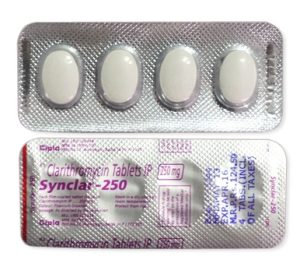
In brief
- Clarithromycin is prescription-only (Rx) in most countries (including the EU, UK, Canada, Australia, and the US); while some pharmacies or online sellers may claim to supply it without a prescription, that practice can be illegal and unsafe—check local regulations and consult a healthcare professional.
- Clarithromycin is used for respiratory tract infections, skin and soft‑tissue infections, H. pylori eradication (as part of combination regimens), and some mycobacterial infections. It is a macrolide antibiotic that inhibits bacterial protein synthesis by binding to the 50S ribosomal subunit and blocking translocation.
- Usual adult dosing is 250–500 mg every 12 hours (many regimens use 500 mg twice daily for H. pylori); pediatric dosing is about 7.5 mg/kg twice daily (up to 500 mg per dose); reduce dose by ~50% if creatinine clearance is <30 mL/min and use caution in hepatic impairment.
- Oral administration only: film‑coated tablets (250 mg, 500 mg), extended‑release tablets (500 mg), powders/granules for oral suspension and pediatric suspensions (commonly 125 mg/5 mL and 250 mg/5 mL).
- Plasma concentrations for immediate‑release formulations peak in about 2–3 hours; clinical symptom improvement is often noticed within 24–48 hours of starting therapy for susceptible infections.
- Immediate‑release dosing is typically given every 12 hours (providing ~12 hours of coverage); extended‑release formulations are designed for once‑daily coverage (~24 hours); the elimination half‑life is roughly 3–7 hours depending on formulation and patient factors.
- Avoid heavy alcohol use while taking clarithromycin—alcohol can worsen gastrointestinal and central nervous system side effects and may increase liver strain; discuss any alcohol use with your prescriber.
- The most common side effects are gastrointestinal (nausea, vomiting, diarrhea), metallic or altered taste, abdominal pain, headache, rash, and transient elevations in liver enzymes.
- Would you like to try Clarithromycin without a prescription? Please note clarithromycin is prescription‑only in most jurisdictions and obtaining or using antibiotics without a clinician’s guidance is unsafe—consult a healthcare provider for proper evaluation and a lawful prescription.
Everyday Use & Best Practices
Basic Clarithromycin Information
- INN (International Nonproprietary Name): Clarithromycin. Its INN-latin is Clarithromycinum; in Spanish Claritromicina; in French Clarithromycine.
- Brand Names Available In United States: Biaxin and Biaxin XL are the most recognized brands in North America; multiple generics are available from major manufacturers.
- ATC Code: J01FA09.
- Forms & Dosages: Film-coated tablets 250 mg and 500 mg; extended-release 500 mg tablets; powder/granules for oral suspension 125 mg/5 mL and 250 mg/5 mL; pediatric suspension in 125 mg/5 mL and 250 mg/5 mL strengths.
- Manufacturers In United States: Common global manufacturers include Abbott/AbbVie (Biaxin), Sandoz, Pfizer, and many generics producers; specific US license holders vary by product and time.
- Registration Status In United States: Available as branded and generic products post-patent expiry (~2005 in EU/US); specific FDA registration details not specified in the provided dataset.
- OTC / Rx Classification: Prescription-only (Rx) in all referenced markets.
Worried about timing or missing doses?
For most adult regimens take clarithromycin 250–500 mg every 12 hours or the extended-release 500 mg once daily when prescribed.
Align doses with daily anchors such as breakfast and dinner to preserve roughly 12-hour spacing.
For Helicobacter pylori protocols, 500 mg twice daily is standard as part of combination therapy.
Pediatric dosing uses the weight-based suspension at 7.5 mg/kg twice daily with a maximum single dose of 500 mg.
If a dose is missed, take it as soon as remembered unless the next scheduled dose is near and do not double up.
Shake reconstituted Biaxin oral suspension well and measure with an oral syringe for accuracy.
Set phone alarms, use a pillbox, and keep a daily medication checklist to support adherence to the dosing schedule.
Safety Priorities
Should I be worried about interactions or liver problems?
Do not use clarithromycin if there is a known allergy to macrolides or a prior history of cholestatic jaundice or hepatic dysfunction attributed to clarithromycin.
Concomitant use with drugs that are strong CYP3A4 substrates and contraindicated—such as cisapride, pimozide, or ergot derivatives—must be avoided.
Exercise caution in patients with severe hepatic impairment and avoid extended-release formulations in that setting.
Reduce the clarithromycin dose by about 50% when creatinine clearance is below 30 mL/min due to renal impairment.
Pregnancy and breastfeeding require specialist advice before starting clarithromycin.
Avoid driving or operating heavy machinery until you know how clarithromycin affects you, as dizziness or lightheadedness can occur.
Limit alcohol if you have liver concerns or significant gastrointestinal upset while taking clarithromycin.
- Absolute contraindications: macrolide allergy, prior clarithromycin-related cholestatic jaundice, use with cisapride/pimozide/ergot derivatives.
- Relative precautions: severe hepatic or renal impairment, QT prolongation risk, electrolyte disturbances.
Dosage & Adjustments
How should dosing change for kids, elders, or kidney trouble?
Standard adult dosing for many respiratory and skin infections is 250–500 mg every 12 hours, with typical courses lasting between 5 and 14 days depending on severity.
For H. pylori eradication, clarithromycin is commonly dosed at 500 mg twice daily as part of combination therapy for 7–14 days depending on the protocol.
Extended-release tablets (Biaxin XL / Klacid XL formulations) are available as 500 mg once-daily options where indicated.
Pediatric dosing favors oral suspension at 7.5 mg/kg twice daily, with a single-dose maximum of 500 mg; suspension formulations include 125 mg/5 mL and 250 mg/5 mL.
In renal impairment with creatinine clearance below 30 mL/min, reduce the usual dose by half.
Avoid ER formulations in severe hepatic dysfunction and monitor elderly patients for renal or hepatic changes and drug interactions.
For mycobacterial infections, longer specialist-directed regimens often use 500 mg twice daily and require specialist monitoring.
| Population | Typical Dose | Notes |
|---|---|---|
| Adult Respiratory/Skin | 250–500 mg every 12 hours | Course 5–14 days |
| H. pylori (Combination) | 500 mg twice daily | Use only where resistance low or susceptibility confirmed |
| Pediatrics | 7.5 mg/kg twice daily (max 500 mg/dose) | Use suspension; measure with oral syringe |
| Renal Impairment (CrCl <30 mL/min) | Reduce dose by 50% | Monitor renal function |
User Testimonials
Will clarithromycin work quickly and be tolerable for my child or adult?
Many patients report meaningful symptom relief within 48–72 hours for sinus and other respiratory infections when clarithromycin is an appropriate choice.
Parents often praise the pediatric suspension for easier administration and acceptable taste when given with food.
Patients treating skin infections commonly report good clearance with 250–500 mg twice-daily regimens over several days to a couple of weeks.
Common positive points mentioned include an easy twice-daily schedule, the availability of clarithromycin 250 mg and clarithromycin 500 mg tablets, and recognizable brands such as Biaxin and Klacid.
Common challenges reported include gastrointestinal upset like nausea or diarrhea, metallic taste, mild headache, and occasional transient elevation of liver enzymes.
Some patients have experienced unexpected drug interactions, for example changes in statin-related muscle symptoms or alterations in warfarin INR, underscoring the need to share a complete medication list with prescribers.
- Pros: quick symptom relief, pediatric suspension convenience, manageable dosing schedule.
- Cons: GI upset, metallic taste, potential liver enzyme elevation, drug interaction surprises.
Buying Guide
Where can clarithromycin be obtained and how do prices compare?
Clarithromycin is prescription-only in referenced markets, and in the United States it is typically obtained through a prescriber and community or mail-order pharmacies.
Recognizable brand names include Biaxin and Biaxin XL, while many generics are available in tablet and suspension forms.
Common forms to look for are clarithromycin 250 mg and clarithromycin 500 mg tablets, ER 500 mg tablets, and pediatric suspensions such as 125 mg/5 mL and 250 mg/5 mL.
Generics are generally less expensive than branded Biaxin or Klacid products, and price varies by pharmacy, insurance coverage, and whether manufacturer coupons are available.
Use pharmacy price-comparison tools and check insurance formularies to find the best cost for clarithromycin tablet or suspension formats.
Only buy from licensed pharmacies and beware of online sellers offering prescription drugs without a legitimate prescription.
In our online pharmacy, Clarithromycin is available without a prescription, with discreet delivery to United States in 5-14 days.
| Formulation | Typical Cost Range | Where To Buy |
|---|---|---|
| Clarithromycin 250 mg Tablet (Generic) | Lower cost | Local pharmacy, mail-order, insured copay |
| Biaxin 250/500 mg | Higher cost (branded) | Community pharmacy, manufacturer coupons may apply |
| Pediatric Suspension (125/250 mg per 5 mL) | Moderate cost | Community pharmacy, requires prescription |
What’s Inside & How It Works
What is clarithromycin made of and how does it fight bacteria?
The active ingredient is clarithromycin (INN: Clarithromycin; Latin: Clarithromycinum).
Available formulations include film-coated tablets (250 mg, 500 mg), extended-release 500 mg tablets, and oral suspensions or granules at 125 mg/5 mL and 250 mg/5 mL strengths.
Excipients and preservatives vary by manufacturer, so check the product leaflet if there are dye or preservative allergies.
Clarithromycin belongs to the macrolide class (ATC J01FA09) and works by binding to the 50S bacterial ribosomal subunit to inhibit protein synthesis.
Its action is generally bacteriostatic, though it can be bactericidal against certain organisms at higher concentrations.
Clarithromycin is active against common respiratory pathogens and atypical organisms and is used in combination regimens for H. pylori as well as for certain mycobacterial infections under specialist care.
- Active vs Excipients: active clarithromycinum plus manufacturer-specific fillers, coatings, and flavoring in suspensions.
- Mechanism: binds 50S ribosomal subunit → blocks protein synthesis → inhibits bacterial growth.
Main Indications
What infections is clarithromycin approved to treat?
Approved indications include respiratory tract infections such as sinusitis, bronchitis, and community-acquired pneumonia.
Clarithromycin is also indicated for skin and soft-tissue infections and for Helicobacter pylori eradication as part of combination therapy, typically at 500 mg twice daily.
Certain mycobacterial infections may be treated with clarithromycin, often at 500 mg twice daily, under specialist supervision.
Pediatric use is via suspension with weight-based dosing at 7.5 mg/kg twice daily for most common indications.
Off-label uses can include some chronic bronchitis exacerbations or atypical mycobacterial prevention or treatment, but these are guided by specialist recommendations and local susceptibility.
| Indication | Standard Adult Dose | Typical Duration |
|---|---|---|
| Respiratory Tract Infections | 250–500 mg every 12 hours | 5–14 days |
| H. pylori (Combination) | 500 mg twice daily | 7–14 days |
| Skin/Soft-Tissue | 250–500 mg every 12 hours | 5–14 days |
Interaction Warnings
Which foods and medicines should be avoided while taking clarithromycin?
Food generally does not prevent absorption, but taking clarithromycin with a meal often reduces nausea and the metallic taste.
Extended-release formulations may have specific instructions to take with food—always check the patient leaflet and follow brand guidance.
Avoid grapefruit and grapefruit juice because they can inhibit intestinal CYP3A4 and raise clarithromycin levels, potentially increasing adverse effects.
Clarithromycin is a CYP3A4 inhibitor and can interact with many drugs.
It is contraindicated with cisapride, pimozide, and ergot derivatives due to risk of serious cardiac or vascular events.
Exercise caution with statins like simvastatin or lovastatin due to increased risk of myopathy, with warfarin (monitor INR), and with QT-prolonging agents and certain antiarrhythmics.
- High-risk interactions: cisapride, pimozide, ergot derivatives, simvastatin/lovastatin, certain benzodiazepines, antiarrhythmics.
- Tell Your Doctor: all prescription meds, OTCs, herbal products, and supplements such as St. John’s Wort or grapefruit juice.
Latest Evidence & Insights
Is clarithromycin still recommended in modern guidelines?
Current guidance emphasizes antibiotic stewardship and avoiding antibiotics for likely viral infections.
Clarithromycin resistance has increased in some regions, reducing the effectiveness of clarithromycin-containing regimens for H. pylori and certain respiratory pathogens.
For H. pylori, triple therapy including clarithromycin should be used only where local resistance rates are low or susceptibility has been confirmed.
Newer recommendations favor tailoring therapy to local resistance patterns and minimizing use where safer or more effective alternatives exist.
Macrolide-associated cardiac risks and drug interactions remain under scrutiny, and clinicians are advised to assess QT risk and concomitant medications before prescribing.
For mycobacterial infections, clarithromycin retains utility but requires specialist oversight and long-term monitoring for adverse effects.
Consult guideline sources such as infectious disease society recommendations and local antibiograms for current practice.
Alternative Choices
What are reasonable antibiotic alternatives if clarithromycin is unsuitable?
Choice of an alternative depends on the infection, likely pathogen, allergy status, local resistance patterns, and drug interaction concerns.
Azithromycin is a related macrolide often dosed once daily with a shorter course and sometimes better gastrointestinal tolerability.
Doxycycline or amoxicillin (with or without clavulanate) are alternatives for many respiratory infections depending on susceptibility and allergy status.
For H. pylori where clarithromycin resistance is high, metronidazole- or levofloxacin-based regimens may be used under guidance.
| Drug | Typical Dose | Pros / When To Avoid |
|---|---|---|
| Azithromycin | 500 mg once daily (varies) | Once-daily dosing, fewer GI effects; avoid in some macrolide-allergic patients |
| Doxycycline | 100 mg twice daily | Good alternative for respiratory infections; avoid in pregnancy and young children |
| Amoxicillin | 500–1000 mg three times daily | Often well tolerated, effective for many infections; consider allergy and resistance |
Regulation Snapshot
How is clarithromycin regulated and where is it authorized?
Clarithromycin is classified under ATC code J01FA09 as a macrolide antibiotic.
It is prescription-only (Rx) across the referenced markets in the provided dataset.
The product has national registrations across many countries and is available both as branded products like Biaxin, Klacid, and Fromilid and as multiple generics following patent expiry around 2005 in EU/US.
Regulatory authorities cited in the dataset include MHRA (UK), TGA (Australia), Health Canada, ANSM (France), BfArM (Germany), AEMPS (Spain), and national agencies across the EU and Eastern Europe.
Packaging, brand names, and specific formulations vary by country, so consult the local regulatory database or prescribing information for up-to-date details.
| Regulator | Example Brands | Typical Forms |
|---|---|---|
| Health Canada | Biaxin, Biaxin XL | Tabs, ER tabs, suspension |
| MHRA (UK) | Klaricid, Klaricid XL | Tabs, ER tabs, suspension |
| TGA (Australia) | Klacid, Clarithromycin Sandoz | Tabs, suspension |
FAQ Section
Can I stop early once I feel better?
No.
Complete the full prescribed course unless instructed otherwise to reduce the risk of relapse and antibiotic resistance.
What if I miss a dose?
Take the missed dose as soon as you remember unless the next dose is near; do not double up doses.
Is clarithromycin safe in pregnancy or while breastfeeding?
Consult a clinician; use in pregnancy is generally cautioned and breastfeeding guidance varies by situation and local guidance.
How should clarithromycin be stored?
Store tablets below 25°C in a dry place and protect from light and moisture.
Reconstituted suspension should be used within 14 days and should not be frozen.
Can children take clarithromycin?
Yes—use pediatric suspension and follow weight-based dosing at 7.5 mg/kg twice daily with a maximum of 500 mg per dose.
Ask your prescriber about allergies, all current medications, pregnancy/breastfeeding status, and history of heart rhythm problems such as QT prolongation.
Guidelines For Proper Use
What monitoring and follow-up are recommended while on clarithromycin?
Before starting, document allergies and current medications and consider baseline labs for long-term use such as liver function tests.
Monitor liver enzymes if symptoms suggest hepatic involvement or during prolonged therapy, and check renal function to guide dose adjustments when creatinine clearance is low.
Consider an ECG for patients with a history of arrhythmia or who are taking other QT-prolonging drugs.
Patients on warfarin should have INR monitored closely while taking clarithromycin.
For prolonged mycobacterial therapy, schedule specialist follow-up and baseline and periodic labs as advised by the treating specialist.
Disposal and storage steps:
- Store tablets below 25°C in a dry place and retain original packaging until therapy is complete.
- Use reconstituted suspensions within 14 days, store per label instructions, and do not freeze.
- Dispose of unused or expired medicines via pharmacy take-back programs—do not flush down the toilet.
Delivery Across United States
| City | Region | Delivery Time |
|---|---|---|
| New York | Northeast | 5-7 days |
| Los Angeles | West | 5-7 days |
| Chicago | Midwest | 5-7 days |
| Houston | South | 5-7 days |
| Phoenix | West | 5-7 days |
| Philadelphia | Northeast | 5-7 days |
| San Antonio | South | 5-7 days |
| San Diego | West | 5-7 days |
| Dallas | South | 5-7 days |
| San Jose | West | 5-7 days |
| Austin | South | 5-7 days |
| Jacksonville | South | 5-9 days |
| San Francisco | West | 5-7 days |
| Columbus | Midwest | 5-9 days |
| Fort Worth | South | 5-9 days |