Amoxicillin
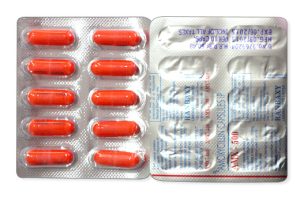
In brief
- Amoxicillin is available in many countries through pharmacies and online pharmacies; however, in most markets it is prescription-only (Rx). Some pharmacies may offer it without a prescription, depending on local regulations.
- Amoxicillin is used to treat a variety of bacterial infections, including ear infections, sinusitis, bronchitis, pneumonia, urinary tract infections, and strep throat. It is a penicillin-type beta-lactam antibiotic that works by inhibiting bacterial cell wall synthesis.
- The usual adult dose is 250 mg to 875 mg every 8 to 12 hours, depending on the infection. Pediatric dosing is commonly 20 to 50 mg/kg/day divided into 2 to 3 doses, adjusted by weight and indication.
- The form of administration includes oral tablets, capsules, chewable tablets, dispersible tablets, oral suspension powder, sachets/granules, and in some markets intravenous formulations.
- Amoxicillin usually starts working within 1 to 2 hours after a dose, although symptom improvement may take 24 to 72 hours as the infection begins to clear.
- The duration of action is typically about 8 to 12 hours, which is why it is often taken 2 to 3 times daily depending on the prescribed regimen.
- Alcohol is not strictly contraindicated with amoxicillin, but it may worsen stomach upset, dizziness, or dehydration, so it is best to limit or avoid alcohol while taking it.
- The most common side effects are diarrhea, nausea, vomiting, rash, and stomach upset; headache and taste changes can also occur.
- Would you like to try amoxicillin without a prescription?
Basic Amoxicillin Information
- INN (International Nonproprietary Name): Amoxicillin
- Brand names available in United States: Amoxil
- ATC Code: J01CA04
- Forms & dosages: Oral capsule/tablet 250 mg, 500 mg, 875 mg; oral suspension powder 125 mg/5 mL, 250 mg/5 mL, 400 mg/5 mL; dispersible tablet 250 mg, 500 mg; chewable tablet 125 mg, 250 mg; sachet (granules) 1 g; intravenous forms in some markets 500 mg, 1 g
- Manufacturers in United States: GlaxoSmithKline, Sandoz, Mylan, Sun Pharma
- Registration status in United States: Approved by FDA
- OTC / Rx classification: Prescription-only (Rx)
Everyday Use And Best Practices
Morning Vs. Evening Dosing
Can you fit amoxicillin into a normal day without forgetting a dose?
Take amoxicillin exactly as prescribed, at evenly spaced times, and finish the full course even if you start feeling better.
A simple routine works best for most people.
Set phone alarms, pair doses with breakfast and bedtime, and use a pill organizer or a marked medication chart if that helps you stay on track.
Adults may receive an amoxicillin tablet, amoxicillin capsule, or amoxicillin 500 mg strength, while children may use amoxicillin suspension or amoxicillin chewable forms.
For kids under 10 years, the oral suspension is often preferred because it is easier to swallow and measure accurately.
The goal is steady spacing, not perfect meal timing.
Taking With Or Without Meals
Some people take amoxicillin with food to reduce stomach upset, while others can take it without meals if their prescriber or the label allows.
That flexibility is one reason this Rx antibiotic is easy to work into daily life.
If breakfast is the easiest anchor, use breakfast.
If bedtime is the easiest anchor, use bedtime.
What matters most is staying consistent from dose to dose.
Safety Priorities
Who Should Avoid It
Who should not take amoxicillin?
People with a known allergy to amoxicillin, penicillins, or other beta-lactam antibiotics should avoid it, especially if they have ever had anaphylaxis.
That is the most important safety cutoff.
Use extra caution if there is a history of mononucleosis, asthma, other allergies, renal impairment, or severe liver disease.
Those situations do not always mean “never use,” but they do mean closer monitoring and a careful prescriber review.
Activities To Limit
Most people tolerate amoxicillin well, but daily life can change if side effects show up.
Dizziness is uncommon, yet it can happen, so some patients may want to avoid driving or operating machinery until they know how they react.
Watch closely for red-flag symptoms and get urgent care if they appear.
- Rash or hives
- Swelling of the face, lips, or throat
- Trouble breathing
- Severe diarrhea
Mild GI upset, nausea, vomiting, headache, taste changes, and amoxicillin rash are among the more common adverse effects.
Dosage And Adjustments
General Regimen
How much amoxicillin is usually taken?
The exact amoxicillin dosage depends on the infection, age, and kidney function, so the prescription always comes first.
| Group | Common Regimen | Notes |
|---|---|---|
| Adults | 500 mg to 875 mg every 8 to 12 hours | Used for respiratory infections, sinusitis, and otitis |
| Strep throat | 500 mg every 12 hours | Commonly continued for 10 days |
| UTI | 500 mg every 8 to 12 hours | Duration and choice depend on the organism |
| Children | 20 to 40 mg/kg/day or 25 to 50 mg/kg/day in divided doses | Weight-based dosing is standard |
Simple infections are often treated for 5 to 7 days, strep pharyngitis for 10 days, and complicated infections for up to 14 days.
Because pediatric amoxicillin syrup doses are based on weight, the suspension is often the easiest form for children under 10 years.
Special Cases
Elderly patients usually start with standard adult dosing, but renal monitoring matters more as kidney function changes with age.
If GFR is below 30 mL/min, dosing intervals may be extended to every 12 to 24 hours instead of every 8 hours.
Liver impairment calls for caution as well, even though a routine absolute dose reduction is not defined unless the disease is severe.
That is why amoxicillin regimen decisions should be individualized, not copied from a friend or a previous infection.
User Testimonials
Positive Reports
What do patients usually like about amoxicillin reviews?
Many people say the oral suspension is easier for children to take than tablets or capsules.
Others like the simple twice-daily routine for conditions such as strep throat.
Common real-world positives include symptom relief when the medicine is taken on schedule and less stress when the dosing plan is straightforward.
- “The suspension made it much easier for my child to finish treatment.”
- “Once we used alarms, the twice-daily routine was easy to follow.”
Common Challenges
The most common amoxicillin side effects people mention are nausea, diarrhea, and occasional stomach upset.
Another frequent issue is medication adherence, especially when symptoms improve before the course is done.
Missed doses and confusion about treatment length can turn a simple infection into a messy follow-up call.
That is why clear instructions matter from the first dose to the last.
Buying Guide
Pharmacy Sources
How do you buy amoxicillin safely in the United States?
In almost all U.S. markets, amoxicillin is prescription-only, so the safest route is a licensed pharmacy filling a valid prescription.
Check the exact strength, form, and quantity before you leave the counter or place an online order.
Packaging may vary by manufacturer, but the active ingredient should still be amoxicillin, the INN sold globally under brand names like Amoxil.
Our online pharmacy is able to offer amoxicillin without a prescription, with discreet delivery to the United States in 5-14 days.
That said, patients should still make sure the product is appropriate for their infection and use it only as directed by a clinician.
Price Comparison
Shopping smart means comparing cash prices, pharmacy discount programs, and insurer preferred pharmacies.
Also compare the dosage form, because an amoxicillin tablet, amoxicillin capsule, chewable tablet, or amoxicillin suspension may be priced differently.
| Option | What To Compare | Best For |
|---|---|---|
| Licensed local pharmacy | Copay, refill convenience, counseling | Most patients |
| Discount program | Cash price and participating stores | Uninsured or high-deductible plans |
| Online refill service | Shipping time, packaging, exact form | Routine maintenance and convenience |
Never buy from unverified online sellers.
What’s Inside And How It Works
Ingredients Overview
Amoxicillin is the INN for an antibiotic sold in many countries under brand names such as Amoxil, Clamoxyl, and Amoxicilline Biogaran.
It belongs to ATC code J01CA04, which places it in the penicillin family of systemic antibacterials with extended spectrum activity.
- What it is: A penicillin antibiotic
- What it is not: A treatment for colds or flu
Mechanism Basics
In plain language, amoxicillin mechanism means it interferes with bacterial cell-wall building.
That weakens susceptible bacteria and helps stop them from growing.
Because it only works on bacteria, it does not treat viral illnesses such as the common cold or influenza.
Main Indications
Approved Uses
When do clinicians choose amoxicillin for sinusitis, strep throat, or a urinary infection?
The answer depends on the infection site and whether the suspected bacteria are likely to be susceptible.
Amoxicillin is commonly used for upper and lower respiratory infections, otitis, sinusitis, streptococcal tonsillitis/pharyngitis, urinary tract infections, and as part of H. pylori eradication regimens.
Local resistance patterns matter, so the same prescription may be a good fit in one setting and a poor fit in another.
| Indication | Common Adult Dose | Duration |
|---|---|---|
| Respiratory infections, otitis, sinusitis | 500 mg to 875 mg every 8 to 12 hours | 5 to 7 days |
| Strep throat | 500 mg every 12 hours | 10 days |
| UTI | 500 mg every 8 to 12 hours | 5 to 14 days |
| H. pylori regimens | Up to 1 g every 12 hours | Part of combination therapy |
Off-Label Uses
Some clinicians may consider amoxicillin for other bacterial infections, but that decision belongs to the prescriber.
Off-label use should stay cautious and guided by local standards, not by social media or old leftovers in the medicine cabinet.
Interaction Warnings
Food Interactions
Food is usually not the big issue with amoxicillin interactions.
Taking it with food can help some people tolerate it better, but timing around meals is usually less important than getting the right interval between doses.
Drug Conflicts
The bigger concern is medication conflicts and allergy-related reactions.
Tell your prescriber if you use other antibiotics, anticoagulants, or any medication that has caused a beta-lactam reaction before.
- Other antibiotics
- Anticoagulants
- Any history of penicillin or beta-lactam allergy
- Combination products such as amoxicillin clavulanate, Augmentin, or other branded regimens
Combination products can have different side effects and dosing, so plain amoxicillin and amoxicillin clavulanate should not be treated as interchangeable.
Latest Evidence And Insights
What Current Guidance Emphasizes
Amoxicillin remains a widely used and well-established antibiotic, approved by major regulators such as the FDA and EMA.
Current guidance still emphasizes stewardship because unnecessary antibiotic use can drive resistance.
That is why clinicians choose it when susceptible bacteria are likely and avoid it for viral illnesses.
- Use only when prescribed.
- Complete the course.
- Do not use it for colds or flu.
Practical Takeaways For Patients
The core safety principles are the same across local labels, even when packaging or national wording changes.
For most straightforward infections, treatment lasts 5 to 7 days, while strep throat often requires 10 days.
Following the prescription exactly is still the simplest way to get the best result.
Alternative Choices
When Amoxicillin May Not Be The Best Fit
Sometimes amoxicillin alternatives are a better match because of allergy status, infection type, or resistance concerns.
“Better” does not mean stronger.
It means better matched to the suspected bacteria.
Common Alternatives
| Option | How It Compares | Typical Use |
|---|---|---|
| Ampicillin | Similar spectrum, less bioavailable orally | Selected bacterial infections |
| Cephalexin | Cephalosporin option in some cases | Common skin and respiratory uses |
| Amoxicillin-clavulanate | Broader beta-lactamase coverage | When resistant organisms are a concern |
| Prevpac or Omeclamox-Pak | Combination regimens that include amoxicillin | H. pylori treatment |
Amoxicillin-clavulanate, often known as Augmentin, may be chosen when extra beta-lactamase coverage is needed.
Regulation Snapshot
U.S. And Global Status
Amoxicillin is prescription-only in almost all markets and is approved by the FDA in the U.S. and the EMA in Europe.
National labeling can vary, but the basic prescription status stays the same in most places.
In some countries, local brands such as Aclam, Clamoxyl, Amoxicilline Biogaran, or Acamantine may be sold under the same INN.
Labeling And Packaging
| Region | Common Packaging | Notes |
|---|---|---|
| United States | Tablets, capsules, powder for oral suspension | Prescription-only |
| European Union | Blister packs, bottles for suspension | Harmonized labeling with national variations |
| Other countries | Tablets, capsules, powder, oral drops | Packaging depends on manufacturer |
Frequently Asked Questions
Common Patient Questions
Can I take amoxicillin with food? Yes, if needed for stomach comfort.
What happens if I miss a dose? Take it when remembered unless it is close to the next dose, and do not double up.
How long does treatment usually last? Many simple infections are treated for 5 to 7 days, while strep throat is commonly treated for 10 days.
Is the suspension better for children? Often yes, because pediatric amoxicillin syrup is easier to swallow and dose by weight.
When should I call the doctor? Call for rash, hives, swelling, breathing trouble, or severe diarrhea.
Quick Answers
What about overdose? Seek medical advice right away.
Symptoms may include GI upset and crystalluria, and hydration matters during evaluation.
Should treatment stop when symptoms improve? No, finish the full course unless the prescriber tells you otherwise.
Guidelines For Proper Use
Storage And Transport
How should amoxicillin storage be handled at home and on the road?
Tablets and capsules should be stored below 25°C, or 77°F, and kept dry.
Oral suspension should be refrigerated after reconstitution and discarded after 7 to 14 days, following the local label.
Protect the medicine from light and freezing, and keep it out of children’s reach.
- Keep tablets and capsules in the original container.
- Do not freeze the suspension.
- Pack medicine where it will stay dry during travel.
- Carry it in a place that stays out of children’s reach.
When To Seek Help
Call for help right away if any of these happen.
- Severe allergy symptoms
- Breathing trouble
- Swelling of the face, lips, or throat
- Severe diarrhea
- Symptoms that worsen instead of improving
If the medicine is not helping, or if a rash appears after starting treatment, the prescriber should be notified promptly.
Delivery Across United States
| City | Region | Delivery time |
|---|---|---|
| New York | Northeast | 5-7 days |
| Los Angeles | West | 5-7 days |
| Chicago | Midwest | 5-7 days |
| Houston | South | 5-7 days |
| Phoenix | West | 5-7 days |
| Philadelphia | Northeast | 5-7 days |
| San Antonio | South | 5-9 days |
| San Diego | West | 5-7 days |
| Dallas | South | 5-7 days |
| San Jose | West | 5-9 days |
| Austin | South | 5-7 days |
| Jacksonville | South | 5-9 days |
| Fort Worth | South | 5-9 days |
| Columbus | Midwest | 5-9 days |
| Charlotte | South | 5-9 days |