Medroxyprogesterone
In brief
- Medroxyprogesterone can be purchased from pharmacies and medical suppliers in many countries, including under brand names such as Depo-Provera, Provera, and Depo-SubQ Provera 104. It is usually prescription-only in most markets, but in some pharmacy settings it may be available without a prescription depending on local rules and the seller.
- Medroxyprogesterone is used for contraception, abnormal uterine bleeding, endometriosis, secondary amenorrhea, and some hormone-sensitive cancers. It is a progestin that works by mimicking progesterone, suppressing ovulation, thickening cervical mucus, and helping stabilize the uterine lining.
- The usual dose depends on the condition: 150 mg by intramuscular injection every 3 months or 104 mg by subcutaneous injection every 3 months for contraception; 5–10 mg orally daily for 5–10 days for menstrual or bleeding disorders; and higher individualized doses such as 200–400 mg weekly by injection for some cancer indications.
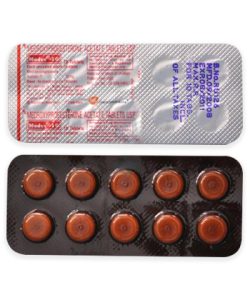
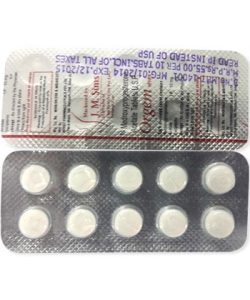
- Medroxyprogesterone is available as oral tablets, intramuscular suspension injections, and subcutaneous injections. Common strengths include 2.5 mg, 5 mg, and 10 mg tablets; 150 mg/mL IM suspension; and 104 mg/0.65 mL subcutaneous injection.
- When taken by mouth, it usually starts working within a few hours, while the contraceptive injection begins working over the first several days depending on when it is given in the cycle. For cycle control or bleeding treatment, changes may be noticed after a few days of treatment.
- The duration of action is about 3 months for the injectable forms, while oral tablets work for the dosing period prescribed, usually 5–10 days per cycle for gynecologic use.
- Alcohol is not strictly contraindicated, but heavy drinking is not recommended because it may worsen dizziness, mood changes, or liver-related side effects. If you have liver disease or are using medroxyprogesterone for a long period, it is best to avoid alcohol or ask a clinician first.
- The most common side effects are menstrual changes or amenorrhea, weight gain, headache, abdominal bloating or pain, dizziness, mood changes or depression, acne, hair loss, and decreased libido.
- Would you like to try medroxyprogesterone without a prescription?
Basic Medroxyprogesterone Information
- INN (International Nonproprietary Name): Medroxyprogesterone
- Brand Names Available in United States: Depo-Provera, Provera, Depo-SubQ Provera 104, Prempro, Premphase
- ATC Code: G03AC06, L02AB02, G03DA02; some combination products may also use G03AA08 or G03FA12
- Forms & Dosages: Oral tablet 2.5 mg, 5 mg, 10 mg; IM suspension 150 mg/mL; subcutaneous injection 104 mg/0.65 mL; other combined products vary
- Manufacturers in United States: Pfizer, Pharmacia & Upjohn, Teva, Mylan, Sandoz
- Registration Status in United States: FDA approved since 1959
- OTC / Rx Classification: Prescription only (Rx)
Everyday Use And Best Practices
Morning Versus Evening Dosing
Trying to build a medroxyprogesterone routine without missing doses?
For oral Provera tablets, taking the dose at the same time each day helps make the habit stick, and the best time is usually the one that fits real life.
Morning works well for people who connect medication with breakfast or tooth-brushing, while evening may be a better fit if nausea is easier to manage at night.
For Depo-Provera shot scheduling, the clock matters less than the date.
The important part is keeping the next birth control shot on time, usually every 12 to 13 weeks.
A simple dosing routine can be as basic as pairing the tablet with coffee, a phone alarm, or a pill organizer on the kitchen counter.
That kind of daily-life integration is often what keeps medication reminders working after the first week.
Taking With Or Without Meals
Medroxyprogesterone tablets may be taken with or without food.
If stomach upset shows up, a small meal or snack can make the dose easier to tolerate.
Injection timing does not depend on meals, but it does depend on keeping appointments, so set reminders before leaving the clinic.
If a tablet dose is missed, take it when remembered unless it is almost time for the next dose, and never double up.
Do not split, double, or try to “make up” a late Depo-Provera shot on your own.
Call a clinician if an injection is late so the next steps can be decided safely.
- Take oral tablets at the same time each day.
- Use breakfast, brushing teeth, or bedtime as a cue.
- Set a phone reminder for the next injection before you leave the visit.
- Keep a backup note in a calendar app or paper planner.
Safety Priorities
Who Should Avoid It
Is medroxyprogesterone safe for everyone?
The short answer is no, and the biggest safety priority is screening for conditions where it should not be used.
Do not use it if pregnancy is known or suspected.
It should also be avoided in active thromboembolic disease, unexplained vaginal bleeding, known or suspected breast or genital cancer, severe liver disease, or allergy to the product or its excipients.
Extra caution is needed if there is a history of depression, diabetes, hypertension, migraine, hyperlipidemia, or osteoporosis risk, especially with long-term injectable use.
Activities To Limit
Dizziness or mood changes can happen, so driving and tasks that need full attention should be limited until the response is clear.
Long-term users of injectable forms may need bone-health monitoring because bone loss is a known concern with extended DMPA use.
Discuss calcium, vitamin D, and weight-bearing activity with a clinician if the shot is being used for months or years.
- Do not use: pregnancy, active clotting disorder, unexplained bleeding, breast or genital cancer, severe liver disease, allergy.
- Use caution: depression, diabetes, hypertension, migraine, high lipids, osteoporosis risk.
- Limit until stable: driving, machinery, and other focus-heavy tasks if dizziness or mood changes appear.
Dosage And Adjustments
General Regimen
How much medroxyprogesterone is used depends on why it is being prescribed.
For contraception, the standard IM dose is 150 mg every three months, and the SubQ version is 104 mg every three months.
For endometriosis, uterine bleeding, or secondary amenorrhea, oral tablets are often used at 5 to 10 mg daily for 5 to 10 days in a cyclic schedule.
For cancer therapy, doses are individualized and may be much higher under specialist care.
Special Cases
Children, older adults, and people with liver or kidney impairment need specialist oversight because dosing may not follow the usual pattern.
Tablets are available in 2.5 mg, 5 mg, and 10 mg strengths, while injectable forms are 150 mg/mL and 104 mg/0.65 mL.
In severe liver disease, use is contraindicated, and dose adjustment may be needed only in carefully selected situations under medical guidance.
| Indication | Dose And Route | Typical Regimen |
|---|---|---|
| Contraception | 150 mg IM | Every 3 months |
| Contraception | 104 mg SC | Every 3 months |
| Endometriosis or uterine bleeding | 5 to 10 mg oral daily | 5 to 10 days, cyclic |
| Secondary amenorrhea | 5 to 10 mg oral daily | 5 to 10 days, repeated as needed |
| Endometrial or renal carcinoma | 200 to 400 mg IM weekly | Individualized specialist therapy |
User Testimonials
Positive Reports
What do people usually like about the medroxyprogesterone shot?
Many users say the biggest advantage is convenience, especially with one injection every 12 to 13 weeks.
That low-maintenance schedule can feel easier than remembering a pill every day.
Tablet users often like the short-course structure for cycle control, since it can be easier to plan around a few days of treatment than a long daily routine.
Common Challenges
The most common complaints are irregular bleeding, weight gain, mood changes, and the hassle of tracking appointment dates.
Patient-centered advice is simple: keep a quick note of bleeding patterns, mood, headaches, weight changes, and anything new that seems off.
A phone note or paper calendar is often enough to catch trends before they become a bigger problem.
- “The shot fit my schedule.” Convenience is a major reason people stay on it.
- “Bleeding was unpredictable at first.” Irregular bleeding is a common early concern.
- “The reminder app saved me.” Adherence often improves when the next visit is logged immediately.
Buying Guide
Pharmacy Sources
In the United States, medroxyprogesterone is prescription only, so a clinician’s order is needed for legal dispensing.
Common product names include Depo-Provera, Provera, and Depo-SubQ Provera 104.
Typical suppliers and manufacturers include Pfizer, Teva, Mylan, and Sandoz, along with local generics where approved.
For access and delivery, some online pharmacy services can arrange discreet shipping to the United States in 5 to 14 days, but the product still has to match the prescribed form and strength.
Price Comparison
Comparing price means more than the sticker amount.
Look at cash price, insurance coverage, injection administration fees, and whether a generic tablet fits the indication better than a branded option.
Ask whether the product comes as a pre-filled syringe, a vial, or a blister pack, because packaging affects both convenience and handling.
| Product | Form | Packaging |
|---|---|---|
| Depo-Provera | Injection | Single-use vial or pre-filled syringe |
| Provera | Oral tablet | Blister packs |
| Depo-SubQ Provera 104 | Subcutaneous injection | Prefilled syringe |
| Generic medroxyprogesterone | Tablet or injection | Varies by supplier |
What Is Inside And How It Works
Ingredients Overview
The active ingredient is medroxyprogesterone, also called medroxyprogesterone acetate in many products.
Brand examples include Depo-Provera, Provera, Depo-SubQ Provera 104, Prempro, and Premphase.
Mechanism Basics
Medroxyprogesterone is a progestogen used systemically.
In contraception, it helps suppress ovulation.
In gynecologic and oncology settings, it affects the uterine lining and hormone signaling.
That is why the same ingredient can show up in injectable birth control, oral tablet treatment, and certain hormone therapy products.
- ATC G03AC06: systemic progestogens for contraception.
- ATC L02AB02: progestogens in endocrine therapy for cancer care.
- ATC G03DA02: reproductive hormone use.
- MPA: common shorthand for medroxyprogesterone acetate.
Main Indications
Approved Uses
What is medroxyprogesterone actually used for?
The approved uses include contraception by IM or subcutaneous injection, endometriosis, uterine bleeding, secondary amenorrhea, and individualized treatment for endometrial or renal carcinoma.
That range makes it a common choice in both gynecology and oncology.
Off-Label Uses
Off-label use may happen in clinical practice, but patients should never assume it is right for their situation.
The treatment goal should be clear before starting: birth control, cycle control, bleeding management, or cancer therapy.
A quick example is a patient who asks for Provera because of irregular periods; the right dose and schedule depend on the exact diagnosis, not just the symptom.
| Use Area | Examples | Key Point |
|---|---|---|
| Contraceptive | Depo-Provera shot, Depo-SubQ Provera 104 | Fixed injection schedule |
| Gynecologic | Endometriosis, uterine bleeding, secondary amenorrhea | Often short oral courses |
| Oncology | Endometrial or renal carcinoma | Specialist-directed dosing |
Interaction Warnings
Food Interactions
No major food interaction is usually emphasized for tablets.
Even so, taking the dose with food can help if stomach upset is a problem.
Food should not be used to change the dose or to compensate for a missed tablet.
Drug Conflicts
Tell the clinician about every medicine being used, especially products that affect liver metabolism, hormone therapy, anticoagulants, or other contraceptives.
Combination products such as Prempro and Premphase need extra attention because they include estrogen.
That matters when hormone therapy interactions are being reviewed and when a medication list is checked at every visit.
- Ask about blood thinners and clotting history.
- Review all hormonal products, including contraceptives and HRT.
- Mention liver-related medicines and supplements.
- Bring an updated medication list to every appointment.
Latest Evidence And Insights
What Current Guidance Emphasizes
Medroxyprogesterone remains a long-established option for contraception and certain gynecologic conditions.
Current practice focuses on balancing convenience with side effects such as bleeding changes, mood symptoms, and bone health during long-term injectable use.
The FDA approval history goes back to 1959, so there is a long track record behind the medicine.
Practical Takeaways From Evidence
The real-world question is whether the form fits the person.
Tablet courses often make sense for cyclic therapy, while injections fit low-maintenance contraception.
For many patients, the best choice comes down to adherence, bleeding goals, and how comfortable they are with follow-up visits.
That is the main takeaway from current medroxyprogesterone evidence and DMPA research.
- What this means for patients: convenience is useful, but side effects still need monitoring.
- What this means for long-term users: bone health deserves attention with injectable use.
- What this means for short-course therapy: oral tablets can be a practical fit for cycle management.
Alternative Choices
Comparable Options
Looking at Depo-Provera alternatives can help when the shot schedule does not fit real life.
Common options include norethisterone, levonorgestrel, desogestrel, dienogest, and combined estrogen/progestin contraceptives.
Some of these are better for endometriosis, while others are better for people who want a pill, patch, or ring instead of an injection.
When Alternatives May Fit Better
Alternatives may be a better fit if a different bleeding pattern is wanted, injections are not practical, or a method tailored more closely to contraception preferences is needed.
For some patients, the choice comes down to oral contraceptives versus an implant, patch, or ring.
For others, the decision is about side effects, convenience, and whether a progestogen-only or combined method makes more sense.
| Option | Typical Use | Possible Reason To Choose It |
|---|---|---|
| Norethisterone | Cycle control | Oral option |
| Levonorgestrel | Contraception | Oral or implant forms |
| Desogestrel | Contraception | Different progestogen profile |
| Dienogest | Endometriosis | Often used for endometriosis progestin therapy |
| Combined estrogen/progestin contraceptives | Birth control | Pill, patch, or ring preference |
Regulation Snapshot
Approval And Status
In the United States, medroxyprogesterone is Rx only and FDA approved.
In Europe, it has multiple approvals through regional and national systems.
Brand names and packaging can change from country to country, so the exact product must always be verified before dispensing or use.
What To Verify Locally
Check the exact product, strength, and route: IM, subcutaneous, or oral.
Also confirm whether the local version is a national generic or a branded product.
| Country | Brand | Available Form |
|---|---|---|
| United States | Depo-Provera, Provera, Depo-SubQ Provera 104 | Injection and tablets |
| United Kingdom | Depo-Provera | Injection |
| European Union | Provera, Depo-Provera | Tablets and injection |
| Australia | Provera | Tablets |
| Italy | Farlutal, Farlutale | Oral and injectable regimens |
Frequently Asked Questions
Common Patient Questions
How often is the shot given?
Usually every 12 to 13 weeks.
Can a tablet dose be missed?
Take it when remembered unless it is close to the next dose, and do not double it.
What happens if the injection is late?
If more than 14 weeks have passed, use backup contraception and ask about pregnancy testing.
Does storage matter?
Yes, store at room temperature, protect from light, and do not freeze it.
Quick Reassurance Points
Irregular bleeding is common, especially early on.
Mood changes and weight changes should be discussed early instead of being ignored.
For storage and transport, medroxyprogesterone should stay at room temperature between 15 and 25 degrees Celsius, away from light and freezing conditions.
- Missed shot: if more than 14 weeks have passed, contact a clinician.
- Missed tablet: take it when remembered unless the next dose is close.
- Storage: room temperature, protect from light, do not freeze.
Guidelines For Proper Use
Instructions And Warnings
Use medroxyprogesterone exactly as prescribed and never share it with anyone else.
Keep injection visits on time, and take tablets on the same daily schedule.
If pregnancy is possible, tell the clinician before starting or continuing treatment.
Seek prompt care for chest pain, leg swelling, severe headache, heavy bleeding, or signs of allergy.
Daily-Life Integration
Adding injection dates to a phone calendar before leaving the clinic prevents a lot of late-dose problems.
Tablets should be kept in one visible, dry place away from heat and moisture.
A simple symptom log can track bleeding, mood, headache, and weight changes without making daily life complicated.
- Set the next shot reminder at the same visit.
- Store tablets in a dry, easy-to-see spot.
- Use a note app or paper log for symptoms.
- Get help quickly if warning signs appear.
Delivery Across United States
| City | Region | Delivery time |
|---|---|---|
| New York | Northeast | 5-7 days |
| Los Angeles | West | 5-7 days |
| Chicago | Midwest | 5-7 days |
| Houston | South | 5-7 days |
| Phoenix | West | 5-7 days |
| Philadelphia | Northeast | 5-7 days |
| San Antonio | South | 5-7 days |
| San Diego | West | 5-7 days |
| Dallas | South | 5-7 days |
| San Jose | West | 5-7 days |
| Austin | South | 5-7 days |
| Jacksonville | South | 5-9 days |
| Columbus | Midwest | 5-7 days |
| Charlotte | South | 5-7 days |
| Indianapolis | Midwest | 5-9 days |