Minoxidil
In brief
- In many countries, topical minoxidil can be purchased over the counter without a prescription, including in pharmacies and online stores; common strengths such as 2% and 5% are widely available. Oral minoxidil is prescription-only.
- Minoxidil is used mainly for androgenetic alopecia (hair loss) and, in oral form, for severe hypertension. It works by widening blood vessels and, on the scalp, helping prolong the hair growth phase and increase hair follicle activity.
- The usual dose for hair loss is 1 mL of topical solution or foam applied to the scalp 1–2 times daily; men commonly use 5%, while women often use 2% or sometimes 5%. Oral doses for hypertension are typically 2.5–10 mg as prescribed by a clinician.
- It is available as topical solution, foam, lotion, gel, and oral tablets. Topical products are commonly sold in 60 mL bottles or foam canisters.
- Minoxidil does not work immediately; initial improvement usually begins in about 2–4 months, with some users noticing early shedding first. Maximum visible benefit may take up to 12 months.
- For hair loss, minoxidil must be used continuously to maintain results. If stopped, new hair growth is gradually lost over weeks to months.
- There is no specific alcohol interaction for topical minoxidil, but alcohol can increase dizziness or low blood pressure risk with oral minoxidil. It is best to avoid or limit alcohol, especially if you use the oral form.
- The most common side effects are scalp irritation, itching, dryness, flaking, and temporary increased hair shedding at the start of treatment. Some people may also develop unwanted body hair growth.
- Would you like to try minoxidil without a prescription?
Basic Minoxidil Information
- INN (International Nonproprietary Name): Minoxidil
- Brand Names Available in United States: Rogaine, Kirkland
- ATC Code: D11AX01
- Forms & Dosages: Topical solution/foam 2%, 3%, 5%, 7.5%; oral tablets 2.5 mg, 5 mg, 10 mg; topical gel/lotion 5%, 10%
- Manufacturers in United States: Upjohn (Pfizer/Kenvue for Rogaine), Perrigo, Watson Labs, Bausch & Lomb, Apotex, Teva, Hikma, Taro, Aurobindo Pharma, and others
- Registration Status in United States: Widely registered as a topical solution or foam for hair loss; oral minoxidil is prescription only and approved for severe hypertension
- OTC / Rx Classification: Topical minoxidil is OTC in the United States and Canada; oral minoxidil is Rx only
- Typical Use: Androgenetic alopecia in men and women; oral use for hair loss is off-label and should not be self-started
Everyday Use And Best Practices
Trying to fit minoxidil into a busy day usually comes down to one question: morning, evening, or both?
For most people, the answer is the schedule that you can keep consistently.
Minoxidil topical solution and minoxidil foam are usually applied directly to the scalp, not taken with meals.
Many people choose a routine around brushing teeth, showering, or getting ready for bed.
Common retail packs are 60 mL bottles or 60 g foam cans, which helps set expectations for refill timing.
Rogaine, Regaine, and similar products may be labeled as men’s minoxidil or women’s minoxidil, with different strengths or directions by market.
Results usually require continuous use, with early changes often seen in 2 to 4 months and the strongest effect by about 12 months.
- Apply to a dry scalp.
- Wash hands after use.
- Let it dry before styling or going to bed.
- Keep it away from children.
- Store topical solution safely, since it is flammable and should be kept away from heat.
Oral minoxidil is prescription-only and should always follow the prescriber’s directions exactly.
Safety Priorities
Before starting hair loss treatment, safety has to come first.
Some people should avoid minoxidil completely, while others need closer monitoring from a clinician.
- Avoid topical minoxidil if there is known hypersensitivity to minoxidil or the excipients.
- Avoid topical use on scalp dermatoses such as severe eczema or psoriasis when the skin is irritated or inflamed.
- Avoid oral minoxidil in pheochromocytoma or severe heart disease.
- Use extra caution during pregnancy, breastfeeding, cardiovascular disease, renal or hepatic dysfunction, in elderly patients, and in children.
- Do not apply to broken, scraped, or otherwise irritated skin.
- Avoid mixing with harsh hair treatments unless a clinician says it is safe.
- Watch for dizziness before driving if oral minoxidil has been prescribed.
People sometimes worry when they notice more hair falling out early in treatment.
That can happen with minoxidil and is usually a temporary shedding phase tied to the growth cycle.
Stop and seek care right away for chest pain, fainting, swelling, or a rapid heartbeat.
Those are the warning signs that deserve prompt medical attention.
Dosage And Adjustments
How much minoxidil should be used depends on the form and the reason for treatment.
For scalp hair loss, topical therapy is the standard approach.
| Condition | Form | Typical Dose | Frequency |
|---|---|---|---|
| Androgenetic alopecia in men | Topical 5% solution or foam | 1 mL | Twice daily |
| Androgenetic alopecia in women | Topical 2% solution or foam, sometimes 5% | As directed by label | Once or twice daily |
| Hypertension | Oral tablets | 2.5 mg, 5 mg, or 10 mg | Once or twice daily per prescription |
Oral tablets are mainly used for hypertension and are used off-label for hair loss only in selected cases under specialist guidance.
Children under 18 are not recommended for hair loss treatment with minoxidil.
Elderly patients usually need closer monitoring if oral treatment is used.
People with liver or kidney impairment may have a higher risk of side effects or systemic absorption.
Treatment is usually ongoing, and stopping it can allow hair loss to return.
- Missed dose: Apply the next dose when remembered.
- Near the next dose: Skip the missed dose.
- Never double up: That does not speed results and may raise the risk of side effects.
User Testimonials
What do people usually notice first when minoxidil starts fitting into real life?
The most common feedback is practical, not dramatic.
- “The routine was easy to keep.” Many users like that a daily scalp step can be added to a shower or bedtime routine.
- “I started seeing baby hairs.” Early visible changes are often described as fine new growth, not a full transformation overnight.
- “My scalp looked fuller.” Better coverage is a frequent report when treatment is used consistently for months.
- “I felt more confident.” Hair regrowth can make a real difference in day-to-day confidence.
- “The foam felt cleaner.” Some users prefer minoxidil topical foam because it feels less greasy than solution.
Common complaints include scalp irritation, dryness, flaking, initial shedding, or unwanted body hair growth.
Reviews are usually more positive when expectations are set around 2 to 4 month early changes and 12 month peak response.
Buying Guide
When shoppers compare minoxidil, the smartest comparison is usually not the brand name alone.
It is better to compare concentration, dosage form, and monthly cost.
| Option | What To Expect | Buying Tip |
|---|---|---|
| Solution | Easy to measure, may feel more liquid | Good if precise dosing matters |
| Foam | Often less greasy and less drippy | Good if scalp feel is the priority |
| 2% | Commonly used in women | Check label directions before buying |
| 5% | Commonly used in men and sometimes women | Compare monthly cost, not just the bottle price |
- Buy from reputable pharmacies or verified online sellers.
- Watch for counterfeit or unusually cheap products.
- Check packaging sizes such as 60 mL bottles or foam cans.
- Compare generic and branded options like Rogaine, Kirkland, and other pharmacy labels.
In our online pharmacy, minoxidil is available without a prescription, with discreet delivery to the United States in 5-14 days.
What Is Inside And How It Works
The active ingredient is minoxidil, listed under ATC code D11AX01.
It appears in products such as solution, foam, lotion, gel, and tablets depending on the market and the indication.
The U.S. and many other countries offer both branded and generic versions.
On the scalp, minoxidil helps hair stay in the growth phase longer and may improve follicle activity over time.
That is why it is used as a hair regrowth treatment minoxidil product in androgenetic alopecia.
- Best evidence: androgenetic alopecia.
- Best-known forms: minoxidil topical solution and minoxidil topical foam.
- Patent history: the patent expired, which is why many generics exist globally.
The science is straightforward for patients: more consistent follicle support over time can translate into better visible coverage.
Main Indications
The main approved use for minoxidil topical is androgenetic alopecia in men and women.
Topical therapy is the standard first-line option for scalp hair loss.
Sex-specific labeling varies by country, but 2% is often used in women and 5% is commonly used in men.
Oral minoxidil is approved for severe hypertension, not routine hair loss self-treatment.
People looking at hair regrowth often compare it with finasteride, dutasteride, or spironolactone, but those are different medicines with different risks and prescription rules.
| Use | Form | Status | Practical Note |
|---|---|---|---|
| Hair loss | Topical solution or foam | Approved and common | Often used as men’s minoxidil or women’s minoxidil depending on label |
| Blood pressure | Oral tablets | Prescription only | Used for severe hypertension |
Interaction Warnings
Can minoxidil be taken with food?
That question mostly matters only for oral treatment.
Topical minoxidil has no meaningful food interactions because it is applied to the scalp.
Oral minoxidil interactions matter more, especially when blood pressure is already a concern.
- Other blood-pressure medicines may increase dizziness or hypotension risk with oral minoxidil.
- Swelling-causing medicines or products may need careful review with a clinician.
- Rapid-heart-rate symptoms should be reported if oral minoxidil is used.
- Supplements and hair-loss products should be disclosed to the prescriber.
If oral minoxidil is part of the plan, blood pressure monitoring may be needed.
Consistency matters, and the best timing is usually the same time each day if the prescriber gives a schedule.
Latest Evidence And Insights
Minoxidil has one of the strongest evidence bases in over-the-counter hair regrowth care.
It has 36 NDAs in the United States, 62 registered clinical trials, and ongoing generic production globally.
That is a strong signal that this is not a trendy one-product story.
It is a long-established therapy with broad use across pharmacies, e-shops, and hair clinics.
- Consistency beats brand switching: results depend more on daily use than on changing from one label to another.
- Foam vs solution: choice often comes down to scalp tolerance and convenience.
- Topical use: many people prefer it to avoid systemic exposure seen with oral tablets.
- First-line role: minoxidil remains the most widely recommended first-line therapy for androgenetic alopecia.
That evidence does not promise a miracle, but it does support steady, realistic use.
Alternative Choices
When minoxidil does not give enough improvement, people often ask what else is available.
The next step depends on the type of hair loss, sex, overall health, and whether prescription therapy is appropriate.
| Option | How It Differs | When To Ask A Doctor |
|---|---|---|
| Topical minoxidil | OTC in the U.S. and common for scalp hair loss | If irritation, shedding, or poor response continues |
| Oral minoxidil | Prescription only and primarily for hypertension | Never self-start for hair loss |
| Finasteride | Prescription oral anti-androgen used for hair loss | Men considering a prescription alternative |
| Dutasteride or spironolactone | Different prescription options, often clinician-directed | Women or patients needing a broader treatment plan |
Alternatives to minoxidil may help some patients, but they are not automatic substitutes.
Minoxidil is still often the easiest over-the-counter hair regrowth option in the United States.
Regulation Snapshot
Minoxidil’s legal status is one reason it is so widely used.
In the United States and Canada, topical minoxidil is OTC and oral minoxidil is Rx only.
In the EU, topical products are often pharmacy or OTC, while oral minoxidil remains prescription only.
According to public ANMDMR data, topical minoxidil 2% and 5% is registered as a non-prescription medicinal product for androgenetic alopecia in Romania.
| Market | Topical Minoxidil | Oral Minoxidil |
|---|---|---|
| United States | OTC | Rx only |
| Canada | OTC | Rx only |
| EU | Pharmacy or OTC | Rx only |
| Romania | OTC | Rx only |
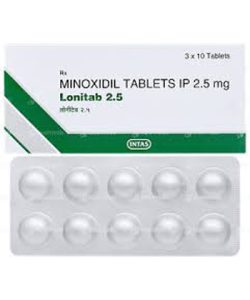
Common product examples include Rogaine or Regaine in solution or foam, Kirkland 5% 60 mL bottles, and oral tablets such as Lonitab or Lonit in some markets.
Faq Section
How long does minoxidil take to work? Early results are usually seen in 2 to 4 months, with the best effect by 12 months.
Should I use foam or solution? Foam is often preferred for less dripping, while solution can feel easier to measure.
What happens if I miss a dose? Apply it when remembered, skip it if the next dose is close, and never double up.
Can women use 5% minoxidil? Yes, some labels allow it, but the exact product and direction should match the label or clinician advice.
Is shedding normal at first? Yes, temporary shedding can happen early and may look alarming even though it is part of the growth cycle.
Can I stop once I see new growth? Stopping may reverse gains, so treatment is usually ongoing.
What about men’s and women’s versions? Rogaine and similar products may be labeled differently for men and women, so the package directions matter.
Guidelines For Proper Use
What does a safe daily minoxidil routine actually look like?
It is usually simple, but simple only works when it is done the same way every day.
- Start with a dry scalp.
- Measure the correct dose from the bottle, foam can, or prescribed package.
- Apply gently to the thinning area, not the hair shaft alone.
- Wash hands after use.
- Let it dry completely before styling, lying down, or putting on a hat.
- Store at room temperature, between 15 and 30°C, away from heat, moisture, and light.
- Keep the bottle tightly closed because topical solutions are flammable.
Help is needed if irritation becomes severe, if swelling or rapid heartbeat occurs, or if oral minoxidil causes dizziness or fainting.
Do not double doses.
Topical overdose should be washed off with water, and oral overdose is an urgent medical issue.
Delivery Across United States
| City | Region | Delivery time |
|---|---|---|
| New York | Northeast | 5-7 days |
| Los Angeles | West | 5-7 days |
| Chicago | Midwest | 5-7 days |
| Houston | South | 5-7 days |
| Phoenix | West | 5-7 days |
| Philadelphia | Northeast | 5-7 days |
| San Antonio | South | 5-7 days |
| San Diego | West | 5-7 days |
| Dallas | South | 5-7 days |
| San Jose | West | 5-7 days |
| Austin | South | 5-7 days |
| Jacksonville | South | 5-9 days |
| Columbus | Midwest | 5-9 days |
| Charlotte | South | 5-9 days |