Retin-a Cream
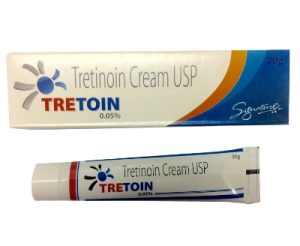
In brief
- In many countries Retin‑A cream (tretinoin) is sold by prescription only, but some pharmacies or online sellers may supply it without a prescription — availability varies by jurisdiction and buying without a prescription may be unregulated or unsafe.
- Retin‑A (tretinoin) is used to treat acne vulgaris and, off‑label, photoaging; it is a topical retinoid that binds retinoic acid receptors to increase skin cell turnover, clear comedones, reduce inflammation, and stimulate collagen remodeling.
- Usual dosages for topical tretinoin are 0.025%–0.1% for acne (commonly applied once nightly); for photoaging many use 0.05% once nightly; a pea‑sized amount for the whole face is typical and lower concentrations or less frequent use may be used for sensitive skin or adolescents.
- Administration is topical only — cream, gel, emulsion, or solution applied as a thin layer to clean, dry skin, avoiding eyes, lips, and mucous membranes.
- Initial visible improvement often begins in about 2–3 weeks, though some irritation may occur first.
- Full effects typically develop over 6–12 weeks, and many patients continue maintenance use at reduced frequency after clearance.
- Avoid using alcohol‑based astringents, toners, or harsh soaps with tretinoin because they increase irritation; topical gels may contain alcohol and be more drying — systemic alcohol consumption does not directly interact with topical tretinoin.
- The most common side effects are local skin irritation, redness, burning/stinging, peeling, dryness, and temporary worsening of acne (purging); increased photosensitivity also occurs, so use broad‑spectrum sunscreen.
- Would you like to try “retin-a cream” without a prescription?
Basic Retin-A Cream Information
- INN (International Nonproprietary Name): Tretinoin (also known as all-trans-retinoic acid).
- Brand Names Available In United States: Retin-A, Altreno, Atralin, Avita, Refissa, Renova — typically supplied in tubes (15g, 20g, 45g) as topical creams, gels, solutions, or emulsions with strengths of 0.01%, 0.025%, 0.05%, and 0.1%.
- ATC Code: D10AD01.
- Forms & Dosages: Creams commonly come in 0.025%, 0.05%, and 0.1% (15g–45g tubes) and use hydrophilic vehicles.
- Gel Forms: Available in 0.01% and 0.025% (15g–30g) and may include alcohol or cellulose components that can cause pilling.
- Solution & Emulsion: Solutions and 0.05% emulsions are supplied (30mL–50mL or 30g–50g) and emulsions are often easier on sensitive skin.
- Manufacturers In United States: Janssen, Valeant, Galderma, OrthoDerm, Pierre Fabre, Meda are among companies associated with tretinoin products marketed in the US.
- Registration Status In United States: Prescription only (Rx); tretinoin products are approved by the FDA for acne and used off-label for photoaging.
- OTC / Rx Classification: Prescription only (Rx) in the United States and most other jurisdictions due to side effects and teratogenicity concerns.
- Standard Dosages Per Condition: For acne vulgaris, creams/gels 0.025%–0.1% applied once nightly as a thin layer over affected areas. For photoaging, a 0.05% cream or emulsion is commonly used once nightly per product labeling.
- Dosage Adjustments: Not recommended under 12 years except where safety is established for adolescents 12 and older; elderly or sensitive patients should start at lower strengths or reduced frequency.
- Treatment Timeline: Initial visible improvement often in 2–3 weeks with fuller effects by 6–12 weeks; maintenance use may continue at reduced frequency.
- Storage: Store below 25°C (77°F), protect from heat, light, and moisture, keep out of reach of children, and do not freeze gels or creams.
- Absolute Contraindications: Known hypersensitivity to tretinoin or excipients, pregnancy, and eczema or acute skin inflammation at the intended application site.
Everyday Use & Best Practices
Morning Vs Evening Dosing
People ask whether Retin-A belongs in a morning routine or a night routine.
Use tretinoin cream at night only to reduce UV breakdown and irritation.
Standard guidance is a single thin layer of a tretinoin product once daily after cleansing and drying the skin.
Typical directions note once nightly for acne with strengths between 0.025% and 0.1% and a 0.05% emulsion often used for photoaging.
Night use reduces photodegradation of tretinoin and lowers immediate photosensitivity risk.
If irritation is intense, consider switching to every-other-night application or a short-contact protocol of 10–20 minutes under clinician guidance.
Simple Checklist Before Application:
- Cleanse the skin with a gentle, non‑alkaline cleanser.
- Dry the skin completely.
- Apply a pea‑sized amount for the whole face.
- Wait 20 minutes if using moisturizer before application to reduce irritation.
- Apply a very thin layer of tretinoin to targeted areas, avoiding eyes, nostrils, and lips.
Taking With Or Without Meals
Many patients wonder whether eating affects topical tretinoin.
Topical tretinoin absorption is not affected by meals, so apply it to clean, dry skin regardless of food timing.
Oral retinoids are different and may require dietary guidance, but topical Retin‑A does not.
If you are combining tretinoin with oral medications, check with your clinician for safety advice.
Routine Steps And Timing:
- Evening: Cleanse, dry, optionally moisturize, then apply a pea‑sized amount of retin-a cream to the face.
- Morning: Apply broad‑spectrum SPF and avoid direct sun exposure.
- If irritation appears, reduce frequency first, then consider lower strength or different vehicle.
Safety Priorities
Who Should Avoid It
Patients frequently ask who must not use tretinoin at all.
Absolute contraindications include known hypersensitivity to tretinoin and pregnancy; topical tretinoin should not be used during pregnancy or breastfeeding.
Avoid application on areas with active eczema, severe sunburn, or open wounds.
Exercise caution in patients with photosensitivity disorders and those taking systemic photosensitizing drugs such as tetracyclines.
For children under 12, tretinoin is generally not recommended; safety and efficacy are established for adolescents 12 and older for acne use.
| Contraindications | Precautions |
|---|---|
| Known hypersensitivity to tretinoin or excipients. | History of significant sensitivity to retinoids. |
| Pregnancy or planning pregnancy. | Photosensitivity disorders; use of photosensitizing drugs. |
| Active eczema or acute skin inflammation at application site. | Rosacea, perioral dermatitis, or recent severe sunburn. |
Activities To Limit
Tretinoin users often want to know what to avoid while on therapy.
Limit sun exposure and stop tanning bed use because tretinoin increases risk of sunburn.
Avoid waxing or chemical peels on treated areas until your skin tolerance is established.
Steer clear of abrasive scrubs, strong glycolic/BHA/AHA peels, and alcohol-based toners that dry or irritate the skin.
Avoid Checklist:
- Direct prolonged sunlight and tanning beds.
- Waxing, strong chemical peels, and laser procedures until skin comfort is confirmed.
- Aggressive exfoliants and alcohol-heavy toners.
- Concurrent unapproved topical retinoids without clinician approval.
Dosage & Adjustments
General Regimen
One common patient question is which strength to start with.
Standard dosages for topical tretinoin creams and gels are 0.025% to 0.1% applied once nightly.
For photoaging, clinicians commonly prescribe a 0.05% cream or emulsion used at night per the product insert.
Apply a pea‑sized amount for the entire face and avoid contact with the eyes, nostrils, and mouth.
Expect some initial irritation, with visible improvement often in 2–3 weeks and fuller benefits by 6–12 weeks.
| Strength | Typical Use |
|---|---|
| 0.01%–0.025% | Milder acne, sensitive skin, initiation for adolescents. |
| 0.05% (Cream/Emulsion) | Photoaging, moderate acne, balance of efficacy and tolerability. |
| 0.1% | More resistant acne, usually under clinician supervision. |
Special Cases
Sensitive patients and elderly users need special attention.
Start sensitive skin users on the lowest strength or alternate nights and consider emulsions or creams rather than gels to reduce irritation.
Adolescents 12 and older may use lower concentrations; tretinoin is not recommended for children under 12.
If irritation occurs, reduce frequency, incorporate a fragrance‑free moisturizer, or switch vehicle.
Overdose from topical application causes increased local irritation rather than systemic toxicity; stop or reduce frequency if severe irritation appears.
- Begin with 0.01% or 0.025% for sensitive skin or elderly patients.
- If redness or peeling is severe, pause for a few days and restart every other night.
- Buffering technique: apply moisturizer before or after tretinoin to lessen stinging.
- Switch from gel to cream/emulsion if pilling or excessive dryness occurs.
User Testimonials
Positive Reports
Readers ask what real patients notice first when using Retin‑A.
Many patients report clearer skin, fewer clogged pores, and gradual smoothing of fine lines when using tretinoin consistently.
Brands often named include Retin‑A, Altreno, and Stieva‑A for reliable results.
Typical positive timeline begins with early shedding or purging and moves to reduced lesion count by 6–12 weeks.
- Fewer whiteheads and blackheads after consistent nightly use.
- Improved skin texture and beginning reduction in fine lines over months.
- Less frequent eruptive acne after the initial purging phase.
Common Challenges
The most common complaints are predictable and manageable.
Initial redness, peeling, stinging, and temporary acne worsening (purging) are common in the first 2–4 weeks.
Gel vehicles can pill with some moisturizers, which prompts switching to a cream or emulsion.
Many users manage dryness by buffering—applying moisturizer before or after tretinoin—and by reducing application frequency.
Troubleshooting Checklist:
- Reduce frequency to every other night if irritation begins.
- Introduce a gentle, fragrance‑free moisturizer to the routine.
- Switch from gel to cream or emulsion if pilling or excess drying occurs.
- Contact the prescriber if blistering, severe swelling, or intense pain occurs.
Buying Guide
Pharmacy Sources
Patients often ask where to get Retin‑A or tretinoin products in the US.
Retin‑A and other tretinoin brands are prescription‑only in the United States and require a prescription from a dermatologist, primary care clinician, or licensed telemedicine provider.
Available US brands include Retin‑A, Altreno, Atralin, Avita, Refissa, and Renova supplied in tubes of 15g–45g and strengths from 0.01% to 0.1%.
Pharmacies may stock brand or generic tretinoin, and compounding pharmacies can prepare specific vehicles if needed.
| Brand | Availability |
|---|---|
| Retin‑A | Tubes 15g–45g; strengths 0.01%–0.1%; prescription required. |
| Altreno / Atralin / Avita | Various topical formulations; prescription required. |
| Refissa / Renova | Cream/emulsion options; often used for photoaging; prescription required. |
Price Comparison
Cost varies with brand, strength, and whether insurance covers the prescription.
Generic tretinoin products are typically cheaper than brand names.
Consider prescription discount programs, mail‑order pharmacies, or manufacturer coupons for branded products such as Retin‑A or Renova.
- Ask your prescriber about generic tretinoin cream equivalents to save cost.
- Use insurer formularies and prior authorization support if needed for branded products.
- Look for pharmacy discount cards or manufacturer coupons for savings on brand names.
In our online pharmacy, retin-a cream is available without a prescription, with discreet delivery to United States in 5-14 days.
What’s Inside & How It Works
Ingredients Overview
The active ingredient across all these products is tretinoin, which is all‑trans‑retinoic acid.
Vehicles vary between cream, gel, solution, and emulsion with common strengths ranging from 0.01% to 0.1% and package sizes from 15g to 50mL.
Creams are hydrophilic and often gentler on dry or sensitive skin.
Gels may contain alcohol or cellulose components and can cause pilling with incompatible moisturizers.
| Form | Strengths | Pros / Cons |
|---|---|---|
| Cream | 0.025%, 0.05%, 0.1% | Gentler, good for sensitive/dry skin; less pilling. |
| Gel | 0.01%, 0.025% | Lightweight, may sting or pill with some moisturizers. |
| Emulsion | 0.05% | Designed for sensitive skin; balanced tolerability. |
Mechanism Basics
Tretinoin works locally in the skin to speed cell turnover and normalize follicular epithelial desquamation.
It helps unclog pores, reduce comedone formation, and stimulates collagen remodeling, which benefits both acne and photoaging over time.
Because systemic absorption from topical use is minimal, systemic side effects are uncommon compared with oral retinoids.
- Increases cell turnover.
- Unclogs follicles and reduces comedones.
- Stimulates collagen remodeling to improve texture and fine lines.
Main Indications
Approved Uses
Topical tretinoin is FDA‑approved in the United States for the treatment of acne vulgaris.
Approved topical strengths range from 0.025% to 0.1%, typically for once‑daily nighttime application.
| Strength | On‑Label Use |
|---|---|
| 0.025%–0.1% | Acne vulgaris, applied nightly as directed. |
| 0.05% Emulsion | Often used for photoaging though labeled indications vary by product. |
Off‑Label Uses
Clinicians commonly prescribe tretinoin off‑label for photoaging to improve fine lines, pigmentation, and texture.
Other off‑label uses can include keratosis pilaris and other textural skin concerns under clinician guidance.
Oral tretinoin formulations such as Vesanoid are reserved for oncology and are not a substitute for topical dermatologic therapy.
- Photoaging improvements usually require months for visible collagen and texture changes.
- Off‑label use should be supervised because irritation risk is higher with increased frequency or strength.
Interaction Warnings
Food Interactions
Topical tretinoin has no meaningful interactions with food.
Oral retinoids are separate and can have dietary considerations, but topical Retin‑A does not.
Avoid using tretinoin at the same time as other strong topical irritants unless advised by your clinician.
Drug Conflicts
Some topical and systemic therapies can interact or increase adverse effects when combined with tretinoin.
| Do Not Combine | May Combine With Caution |
|---|---|
| Other topical retinoids without clinician direction (adapalene, tazarotene). | Benzoyl peroxide in specific prescribed formulations or timing strategies. |
| High‑strength AHAs/BHAs or aggressive chemical peels. | Azelaic acid or topical antibiotics when prescribed carefully. |
| Concurrent photosensitizing systemic drugs without sun‑safety measures. | Systemic antibiotics like doxycycline with strict sun protection and clinician guidance. |
Latest Evidence & Insights
Practical clinical evidence supports topical tretinoin as well‑studied for acne and photoaging with early improvements in weeks and maximal benefit by three months or more.
Comparative trials show tretinoin is effective but can be more irritating than newer adapalene products, prompting innovations in emulsions and microsphere gels to improve tolerability.
For everyday patients, evidence supports starting low and titrating frequency to find a tolerable regimen that preserves efficacy.
- Expect initial flaking as keratin turnover increases.
- Newer vehicles aim to balance clinical effect with reduced irritation.
- Follow‑up at 6–12 weeks gives a good sense of response and tolerability.
Alternative Choices
Less Irritating Options
Adapalene is generally less irritating and is available OTC in some markets, making it a good alternative when tretinoin intolerance persists.
Lower concentrations of tretinoin or emulsion vehicles also reduce irritation for sensitive patients.
| Product | Typical Strengths | Tolerability |
|---|---|---|
| Adapalene (Differin) | 0.1% OTC, prescription forms available | Usually less irritating than tretinoin. |
| Tretinoin (Retin‑A) | 0.01%–0.1% | Effective but may be more irritating; choose cream/emulsion if sensitive. |
| Tazarotene (Tazorac) | 0.05%–0.1% | Stronger, often more irritating; used when more potency is required. |
Stronger Or Other Options
Tazarotene is a stronger topical retinoid used for photoaging or psoriasis but tends to cause more irritation.
Oral isotretinoin is reserved for severe nodulocystic acne and requires specialist oversight due to systemic effects and teratogenicity risk.
- Consider escalating to tazarotene or oral isotretinoin only under dermatologist direction.
- If topical tretinoin fails after adequate trial and tolerance, consult a dermatologist for next steps.
Regulation Snapshot
Prescription Status By Region
Tretinoin is prescription‑only (Rx) in the United States and most countries.
US brands include Retin‑A, Altreno, Atralin, Avita, Refissa, and Renova available in various tube sizes and strengths from 0.01% to 0.1%.
| Region | Rx Status |
|---|---|
| United States | Prescription only (Rx) |
| Canada | Prescription only (Rx) |
| European Union | Prescription only (Rx) |
Storage, Transport, Legal Notes
Store tretinoin products below 25°C (77°F) and protect them from heat, light, and moisture.
Do not freeze gels or creams and keep all products out of reach of children.
Check local registries such as the FDA in the US or ANMDMR where applicable for current registrations and generic listings.
Short Storage Checklist:
- Store below 25°C (77°F).
- Protect from light and moisture.
- Keep out of reach of children.
- Do not freeze gels or creams.
FAQ Section
Quick Answers To Common Questions
- Can I use Retin‑A every day? Yes once tolerated; start every‑other‑night if needed and increase to nightly as tolerated.
- Is it safe in pregnancy? No—tretinoin is contraindicated in pregnancy and breastfeeding.
- When will I see results? Expect early improvement in 2–3 weeks and fuller results by 6–12 weeks.
- How much should I use? A pea‑sized amount for the whole face is the standard guideline.
- Does it make acne worse first? Some users experience purging in the first 2–4 weeks before improvement.
Troubleshooting Common Problems
If severe irritation occurs, stop use, apply a gentle moisturizer, and contact your prescriber.
If gels pill with moisturizers, switch to a cream or emulsion formulation.
For persistent acne despite adherence, discuss combination therapy or alternative retinoids with your clinician.
Immediate “If X Happens, Do Y” Checklist:
- If redness/peeling is mild: reduce frequency and add moisturizer.
- If pilling occurs: change to cream/emulsion.
- If blistering or swelling occurs: stop immediately and contact prescriber.
Guidelines For Proper Use
Step‑By‑Step Application
- Cleanse the skin with a gentle, non‑alkaline cleanser.
- Pat the skin dry and wait a few minutes for complete drying.
- Apply a pea‑sized amount to the entire face as a thin layer, avoiding eyes, nostrils, and mouth.
- Use a fragrance‑free moisturizer as needed; either before (20 minutes prior) or after application can reduce irritation.
- Each morning use a broad‑spectrum sunscreen and limit direct sun exposure.
- If severe irritation occurs, reduce frequency or pause and consult your prescriber.
Monitoring & Follow‑Up
Arrange a follow‑up with your prescriber within 6–12 weeks to assess response and tolerability.
Monitor for severe hypersensitivity signs such as blistering or facial swelling and discontinue if these occur.
Keep a simple treatment log with start date, frequency, side effects, and progress photos every 4–6 weeks to track results.
- Follow up at 6–12 weeks for assessment.
- Document side effects, frequency changes, and photos for comparison.
- Contact prescriber for severe reactions immediately.
Delivery Across United States
| City | Region | Delivery time |
|---|---|---|
| New York | New York | 5-7 days |
| Los Angeles | California | 5-7 days |
| Chicago | Illinois | 5-7 days |
| Houston | Texas | 5-7 days |
| Phoenix | Arizona | 5-7 days |
| Philadelphia | Pennsylvania | 5-7 days |
| San Antonio | Texas | 5-7 days |
| San Diego | California | 5-7 days |
| Dallas | Texas | 5-7 days |
| San Jose | California | 5-7 days |
| Austin | Texas | 5-7 days |
| Jacksonville | Florida | 5-7 days |
| Columbus | Ohio | 5-7 days |
| Fort Worth | Texas | 5-7 days |
Closing Notes
Retin‑A (tretinoin) is a prescription topical retinoid with proven benefit for acne and well‑documented off‑label use for photoaging.
Start slowly, protect your skin from sun exposure, and stop use if you develop a severe reaction.
Pair nightly application with a gentle cleanser, a fragrance‑free moisturizer, and a daily broad‑spectrum sunscreen every morning.
For persistent concerns, or if you are pregnant or breastfeeding, consult your prescriber before use.