Vibramycin
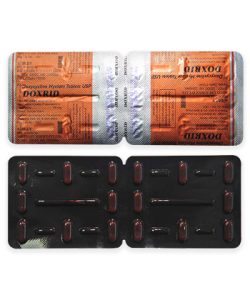
In brief
- Vibramycin is generally a prescription-only medication (approved by FDA, EMA, MHRA and most national regulators), but availability varies by country—many pharmacies and some online suppliers may supply doxycycline/vibramycin without a prescription or without requiring a receipt; check local laws and reputable suppliers for delivery options.
- Vibramycin (doxycycline) is used to treat a wide range of bacterial infections—acne, respiratory infections, urogenital infections (including chlamydia), tick‑borne diseases (Lyme, RMSF), skin and soft tissue infections, malaria prophylaxis, and anthrax exposure—and works as a tetracycline antibiotic that inhibits bacterial protein synthesis by binding the 30S ribosomal subunit (bacteriostatic).
- Usual adult dosing: many infections begin with 200 mg on day 1 (as a loading dose) followed by 100 mg daily (or 100 mg every 12 hours for severe infections); acne regimens often use 50–100 mg once daily; malaria prophylaxis is 100 mg daily; pediatric dosing typically 2.2 mg/kg every 12 hours up to 200 mg/day for children >8 years in severe cases.
- Forms of administration include oral tablets and capsules (50 mg, 100 mg), oral suspension, and parenteral powder for IV injection (single‑use vials); oral dosing is the most common route.
- Onset time: doxycycline reaches therapeutic blood levels within 1–2 hours after an oral dose; clinical improvement for many infections is often noticed within 24–72 hours.
- Duration of action: doxycycline has a long elimination half‑life (roughly 18–22 hours), allowing once‑daily or twice‑daily dosing—therapeutic effects typically persist over a 24‑hour dosing interval.
- Alcohol warning: avoid excessive alcohol while taking vibramycin—alcohol can worsen gastrointestinal side effects and delay recovery; there is no specific severe pharmacologic interaction, but moderation is advised.
- The most common side effects are gastrointestinal (nausea, vomiting, diarrhea, abdominal pain), photosensitivity (increased risk of sunburn), and occasionally esophageal irritation or mild liver enzyme elevations.
- Would you like to try vibramycin without a prescription?
Basic Vibramycin Information
- INN (International Nonproprietary Name): Doxycycline.
- Brand Names Available In United States: Vibramycin (Pfizer) and Doryx (Mayne Pharma) are marketed in the US, with numerous generics also distributed by regional manufacturers.
- ATC Code: J01AA02 (Tetracyclines, used systemically as broad‑spectrum antibacterials).
- Forms & Dosages: Tablets (100 mg, 50 mg) in blisters or bottles; capsules (100 mg); powder for injection (100 mg/vial); oral suspension (25 mg/5 mL, less common).
- Manufacturers In United States: Pfizer (originator), Mayne Pharma (Doryx), and multiple generic manufacturers and distributors are active in the US market.
- Registration Status In United States: Approved by US FDA as a prescription product and widely registered globally through EMA and national regulators.
- OTC / Rx Classification: Prescription‑only (Rx Only) in the United States and most other jurisdictions.
Everyday Use & Best Practices
Morning Vs Evening Dosing
Vibramycin is doxycycline (INN) and is a prescription‑only medicine per US FDA and EMA guidance.
For many adult infections a common regimen is a 200 mg loading dose on day one followed by 100 mg once daily for maintenance.
Severe infections often use 100 mg every 12 hours to maintain higher steady levels.
Take doses at consistent times each day to maintain steady blood concentrations and improve adherence.
Morning dosing helps patients stick to therapy and may reduce reflux at night for some people.
Evening dosing can be an option if GI upset after a morning dose is persistent despite taking with food.
Avoid lying flat immediately after swallowing to reduce the risk of esophageal irritation or ulceration.
Quick Checklist
- Take at the same time each day according to the prescribed dosing schedule.
- Swallow tablets or capsules whole with a full glass of water.
- Stay upright for at least 30 minutes after taking to reduce esophageal irritation.
- Report severe abdominal pain, difficulty swallowing, or new throat pain to your clinician immediately.
Taking With Or Without Meals
Doxycycline is well absorbed by mouth but food can blunt mild stomach upset for many patients.
Some formulations, such as delayed‑release Doryx tablets, may specify taking with food to reduce gastric irritation.
Avoid dairy‑heavy meals within 2–3 hours of a dose when possible because calcium can lower absorption of doxycycline.
Swallow tablets and capsules whole; do not crush unless the product leaflet allows it.
If nausea occurs, a small non‑dairy snack can help; avoid milk as the sole strategy to reduce upset when absorption timing matters.
Avoid antacids or supplements containing magnesium, aluminum, iron, or calcium within 2–4 hours of dosing to prevent reduced absorption.
Foods/Supplements To Avoid Around Dosing
- Milk, yogurt, cheese (high‑calcium dairy) within ±2–3 hours.
- Iron supplements or iron‑fortified foods within ±2–4 hours.
- Antacids and magnesium/aluminum containing products within ±2–4 hours.
Safety Priorities
Who Should Avoid It
Do not use Vibramycin if you are pregnant or breastfeeding because of the risk of fetal toxicity and permanent tooth discoloration in the child.
Children under 8 years should generally avoid doxycycline except in life‑threatening situations due to risk of permanent tooth staining and bone effects.
Avoid use with a known allergy to doxycycline, other tetracyclines, or any excipient in the product.
| Absolute Contraindications | Relative Contraindications / Cautions |
|---|---|
| Pregnancy and breastfeeding | Severe hepatic impairment — monitor liver tests |
| Children under 8 years (unless essential) | History of photosensitivity reactions — higher sunburn risk |
| Known hypersensitivity to tetracyclines | Myasthenia gravis — may worsen muscle weakness |
Activities To Limit
Photosensitivity is a common effect; limit direct sun exposure and use broad‑spectrum sunscreen and protective clothing while on therapy.
Avoid lying flat immediately after taking pills to reduce risk of esophageal irritation and possible ulceration.
Do not take antacids, iron, or calcium supplements at the same time as doxycycline — separate doses by 2–4 hours.
If nausea or vomiting occurs, avoid alcohol until symptoms settle to reduce GI irritation.
Do / Don’t Checklist
- Do use sunscreen and sun‑protective clothing while taking Vibramycin.
- Do report severe GI symptoms, allergic reactions, or jaundice promptly.
- Don’t lie down immediately after taking tablets or capsules.
- Don’t combine with antacids/iron/calcium within 2–4 hours of dosing.
Dosage & Adjustments
General Regimen
For many adult infections the standard start is a 200 mg loading dose on day one followed by 100 mg once daily as maintenance.
Severe infections commonly use 100 mg every 12 hours to maintain therapeutic levels.
For acne vulgaris typical regimens are 50–100 mg once daily for up to 12 weeks.
For malaria prophylaxis the usual adult dose is 100 mg daily starting 1–2 days before travel and continuing daily for 4 weeks after leaving the endemic area.
| Indication | Adult Dose | Typical Duration |
|---|---|---|
| Most infections | 200 mg day 1, then 100 mg once daily | 7–10 days (typical) |
| Severe infections | 100 mg every 12 hours | As directed by clinician |
| Acne vulgaris | 50–100 mg once daily | Up to 12 weeks |
| Malaria prophylaxis | 100 mg once daily | Start 1–2 days before exposure; continue 4 weeks after |
Special Cases
Pediatric dosing is limited and reserved for children older than 8 years in serious infections; usual pediatric dose is 2.2 mg/kg every 12 hours up to a maximum of 200 mg per day.
No routine renal dose adjustment is required because doxycycline is largely non‑renal in elimination, but monitor elderly patients for GI effects and assess liver function in severe hepatic impairment.
When oral therapy is not feasible a 100 mg injectable vial is available for IV use under clinician supervision.
When To Call Your Clinician
- Worsening symptoms or no improvement after expected timeframe.
- New jaundice, dark urine, or unexplained abdominal pain (possible liver injury).
- Severe diarrhea or signs of allergic reaction (rash, swelling, shortness of breath).
User Testimonials
Positive Reports
Patients commonly report meaningful improvement in acne within weeks on once‑daily doxycycline therapy.
Survivors of tick‑borne illnesses frequently note rapid symptom relief when doxycycline is started promptly.
Users appreciate oral dosing and good tissue penetration as practical advantages over some other antibiotics.
- “Cleared acne spots in weeks with convenient once‑daily dosing.”
- “Effective for Lyme symptoms when started early.”
- “Doryx was gentler on my stomach compared with other tablets.”
Common Challenges
Gastrointestinal upset such as nausea and reflux is commonly reported, especially when tablets are taken without food or water.
Photosensitivity complaints include easier sunburn and need for strict sun protection during treatment.
Some users describe throat discomfort or esophageal irritation if pills are not taken with enough water or if lying down soon after dosing.
Mitigation Checklist
- Take with a full glass of water and stay upright 30 minutes.
- Use sunscreen and protective clothing to avoid sunburn.
- If nauseous, take with a small non‑dairy snack or try a delayed‑release formulation per product leaflet.
- Ask your pharmacist about brand differences if tablet size or taste is a concern.
Buying Guide
Pharmacy Sources
Vibramycin (doxycycline) is a prescription‑only medicine in the United States and across major regulators such as EMA and MHRA.
It is commonly dispensed through retail community pharmacies, mail‑order services, and licensed online pharmacy providers.
Brand Vibramycin is produced by Pfizer and delayed‑release Doryx is manufactured by Mayne Pharma in markets where it is registered.
Many generic doxycycline products are available and are packaged according to local regulatory standards.
Price Comparison
Price varies by brand, strength (50 mg vs 100 mg), pack size, and the dispensing pharmacy; generics are typically less expensive than brand products.
Compare unit price per tablet, check insurance formularies and consider manufacturer savings programs where available.
In our online pharmacy, vibramycin is available without a prescription, with discreet delivery to United States in 5‑14 days.
Buying Tips
- Verify prescription requirement and ensure a valid prescription when required locally.
- Compare unit price (price per tablet) rather than total pack price.
- Consider manufacturer savings cards (Pfizer) or generic options to reduce cost.
- Inspect packaging integrity (blister vs bottle) and lot numbers when receiving the product.
What’s Inside & How It Works
Ingredients Overview
The active ingredient in Vibramycin is doxycycline (INN), commonly available as doxycycline hyclate or as calcium salts in some formulations.
Available dosage strengths include 100 mg tablets/capsules and 50 mg tablets, plus 100 mg injectable vials for IV use.
| Form | Strength | Common Packaging |
|---|---|---|
| Tablets | 100 mg, 50 mg | Blisters or bottles (10–100 tablets) |
| Capsules | 100 mg | Blisters, bottles |
| Injection (powder) | 100 mg/vial | Single‑use vials for reconstitution |
Excipients and inactive ingredients vary by manufacturer; consult the product leaflet if you have known sensitivities.
Mechanism Basics
Doxycycline is a tetracycline‑class antibiotic (ATC J01AA02) that inhibits bacterial protein synthesis by binding the 30S ribosomal subunit.
This bacteriostatic action provides broad‑spectrum coverage and good activity against respiratory, urogenital, skin, and tick‑borne pathogens.
Strong oral bioavailability and tissue penetration are reasons it is widely used for outpatient therapy and prophylaxis.
Clinical Targets & Uses
- Respiratory pathogens including atypical bacteria.
- Urogenital infections such as chlamydia.
- Tick‑borne infections including Lyme disease and RMSF.
- Malaria prophylaxis and anthrax exposure scenarios.
Main Indications
Approved Uses
Doxycycline is approved for acne vulgaris, bacterial respiratory infections, urogenital infections, periodontitis, tick‑borne diseases, malaria prophylaxis, anthrax exposure, and skin and soft tissue infections.
| Indication | Common Adult Dose | Usual Duration |
|---|---|---|
| Acne Vulgaris | 50–100 mg once daily | Up to 12 weeks |
| Respiratory Tract Infections | 200 mg day 1 then 100 mg daily or 100 mg twice daily for severe | 7–10 days or per clinician guidance |
| Chlamydia / Urogenital | 100 mg twice daily (as directed) | As per guideline |
| Malaria Prophylaxis | 100 mg daily | Start 1–2 days before travel; continue 4 weeks after return |
Off‑Label Uses
Clinicians sometimes prescribe doxycycline off‑label at sub‑antimicrobial doses for inflammatory skin conditions and periodontal disease adjunct therapy.
Off‑label use should always be clinician‑directed and include monitoring for long‑term side effects such as photosensitivity and GI intolerance.
Discuss the rationale, expected benefits, and safety monitoring with your prescriber before starting long‑term or off‑label doxycycline therapy.
Interaction Warnings
Food Interactions
Calcium‑rich dairy, iron‑containing foods or supplements, and antacids with magnesium or aluminum can reduce doxycycline absorption.
Avoid these foods and supplements within 2–4 hours of dosing when possible to maintain effectiveness.
Some delayed‑release products such as Doryx are formulated to reduce GI upset; follow the product leaflet for any brand‑specific instructions.
Foods/Supplements To Avoid Around Dosing
- Milk, cheese, yogurt (high calcium) within ±2–3 hours.
- Iron supplements and multivitamins with iron within ±2–4 hours.
- Antacids containing magnesium or aluminum within ±2–4 hours.
Drug Conflicts
Doxycycline interacts with antacids, iron, calcium, bismuth subsalicylate, and other polyvalent cations, so separate dosing is recommended.
There are rare reports that doxycycline may reduce the effectiveness of oral contraceptives; use backup contraception if concerned and discuss with a clinician.
Coadministration with retinoids or isotretinoin can increase the risk of intracranial hypertension and should generally be avoided or closely monitored.
| Drug Class | Interaction | Practical Action |
|---|---|---|
| Antacids / Mg/Al | Reduce absorption | Separate by 2–4 hours |
| Iron supplements | Reduce absorption | Separate by 2–4 hours |
| Calcium / Dairy | Potential reduced absorption | Avoid within 2–3 hours |
| Retinoids / Isotretinoin | Increased intracranial hypertension risk | Avoid combination or monitor closely |
Latest Evidence & Insights
Doxycycline remains recommended for many outpatient infections, including tick‑borne illnesses and atypical respiratory pathogens because of favorable pharmacokinetics and tissue penetration.
Guidelines in the US and EU list doxycycline (ATC J01AA02) as a first‑line option for several outpatient infections and for malaria prophylaxis in appropriate settings.
Emerging clinical interest includes sub‑antimicrobial dosing for anti‑inflammatory benefits in periodontal disease and certain dermatologic conditions.
Practice Points
- Watch regional resistance data and local antibiograms when doxycycline is considered for empirical therapy.
- Maintain sun‑safety counseling due to photosensitivity risk.
- Ask clinicians about brand‑specific instructions, such as delayed‑release Doryx guidance for taking with food.
Alternative Choices
Alternatives to doxycycline include other tetracyclines such as minocycline and older tetracycline formulations, and macrolides like azithromycin or clarithromycin depending on indication.
| Agent | Spectrum / Typical Use | Notable Side Effects |
|---|---|---|
| Doxycycline | Broad; respiratory, tick‑borne, urogenital, acne | Photosensitivity, GI upset, esophageal irritation |
| Minocycline | Often used in acne | Vestibular effects, pigmentation changes |
| Azithromycin (macrolide) | Atypical respiratory pathogens, some urogenital infections | GI upset, QT prolongation risk in some patients |
For pregnant patients or young children where doxycycline is contraindicated, clinicians may prefer macrolides as safer alternatives depending on the infection.
When To Consider An Alternative
- Pregnancy or breastfeeding — discuss macrolide options with your clinician.
- Severe photosensitivity or prior tetracycline allergy — seek alternative classes.
- Insurance or price barriers — generic options or alternative agents may be more affordable.
Regulation Snapshot
Vibramycin (doxycycline) is an Rx‑only medicine across major regulators including the US FDA, EMA, and UK MHRA.
Pfizer is the originator manufacturer and many generics are produced by firms such as Hexal AG/Sandoz, Mayne Pharma, and Mylan.
| Regulator | Prescription Status | Notable Manufacturer |
|---|---|---|
| US FDA | Prescription Only | Pfizer (Vibramycin), generics |
| European Medicines Agency / EU NCA | Prescription Only | Pfizer, Hexal AG / Sandoz |
| UK MHRA | Prescription Only | Pfizer, local generics |
Only obtain doxycycline from licensed pharmacies and verify packaging, lot number, and expiry dates on receipt.
Report suspected counterfeit or compromised products to your pharmacist and the local regulator immediately.
FAQ Section
- Can I take Vibramycin while pregnant? No, doxycycline is contraindicated in pregnancy and breastfeeding due to fetal risk and tooth discoloration.
- How long to take for acne? Typical courses for acne are up to 12 weeks at 50–100 mg once daily as directed by a clinician.
- What if I miss a dose? Take as soon as you remember unless it is near the next dose; do not double the next dose.
- Can I drink milk with a dose? Avoid high‑calcium dairy within 2–3 hours of dosing to minimize reduced absorption.
- Is it safe for children? Generally avoided under age 8 except in severe or life‑threatening cases; pediatric dosing when used is 2.2 mg/kg every 12 hours up to 200 mg/day.
When To Call Your Clinician
- Severe diarrhea, abdominal pain, or signs of allergic reaction.
- Symptoms of liver dysfunction such as jaundice or dark urine.
- Severe photosensitivity causing blistering or extensive sunburn.
Guidelines For Proper Use
Confirm your prescription, read the product leaflet for brand‑specific instructions (for example, Vibramycin 100 mg is common and Doryx is delayed‑release).
Store doxycycline at room temperature between 15–30°C (59–86°F) and protect from moisture and light.
Keep all medicines out of reach of children and do not use expired products.
Take tablets or capsules with a full glass of water and remain upright for 30 minutes to reduce esophageal irritation.
Avoid antacids, iron, or calcium supplements within 2–4 hours of dosing and use sun protection during therapy.
Missed dose guidance: take as soon as remembered unless close to the next scheduled dose; do not double doses.
Monitoring and follow‑up: expect 7–10 days for many acute infections and up to 12 weeks for acne therapy; report severe GI symptoms, allergic reactions, or jaundice immediately.
Keep a medication list noting brand (Vibramycin or generic), dose, and manufacturer for refills and adverse‑event reporting.
Printable Checklist
| Storage | Contraindications | Emergency Signs |
|---|---|---|
| 15–30°C; dry; away from light | Pregnancy, breastfeeding, <8 years (unless essential) | Severe rash, breathing difficulty, jaundice |
Delivery Across United States
| City | Region | Delivery Time |
|---|---|---|
| New York | New York | 5-7 days |
| Los Angeles | California | 5-7 days |
| Chicago | Illinois | 5-7 days |
| Houston | Texas | 5-7 days |
| Phoenix | Arizona | 5-7 days |
| Philadelphia | Pennsylvania | 5-7 days |
| San Antonio | Texas | 5-7 days |
| San Diego | California | 5-7 days |
| Dallas | Texas | 5-7 days |
| San Jose | California | 5-7 days |
| Austin | Texas | 5-7 days |
| Jacksonville | Florida | 5-7 days |
| Columbus | Ohio | 5-7 days |
| Fort Worth | Texas | 5-7 days |
| Charlotte | North Carolina | 5-7 days |