Zestril
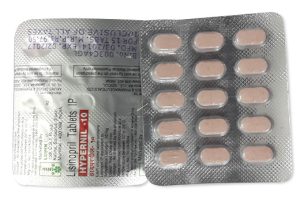
In brief
- Zestril (lisinopril) is normally sold by prescription in the US, EU and most countries (FDA/EMA/ANMDMR approvals), available in pharmacies and online in tablet packs (typically 28–100 tablets) and as Qbrelis oral solution in the US; however, availability varies by country and some pharmacies or online vendors may supply it without a prescription, which may not be legal or safe.
- Zestril is used to treat hypertension, heart failure and to improve outcomes after myocardial infarction; it is an ACE inhibitor that blocks angiotensin-converting enzyme, reducing formation of angiotensin II and aldosterone, causing vasodilation and lowering blood pressure.
- Usual adult doses: hypertension often starts at 10 mg once daily (typical range 10–40 mg once daily, max 40 mg); heart failure often starts at 5 mg once daily; pediatric dosing is weight-based (start ~0.07 mg/kg, up to 0.6 mg/kg, max 40 mg) and is not recommended for children under 6 years.
- Administered orally as tablets (2.5, 5, 10, 20, 30, 40 mg) or as an oral solution (Qbrelis 1 mg/mL, 150 mL bottles).
- Blood-pressure lowering effects typically begin within about 1 hour after a dose, with clinically meaningful effects observed within the first day and peak effect around 6–8 hours.
- Duration of action is generally about 24 hours, allowing once-daily dosing for most indications.
- Avoid excessive alcohol while taking Zestril—alcohol can increase the risk of dizziness and severe low blood pressure (orthostatic hypotension); use caution and avoid heavy drinking.
- The most common side effect is a persistent dry cough; other frequent effects include dizziness, hypotension, hyperkalemia and gastrointestinal upset.
- Would you like to try zestril without a prescription?
Everyday Use & Best Practices
Basic Zestril Information
- INN (International Nonproprietary Name): lisinopril (English), lisinoprilum (Latin-derived international term).
- Brand Names Available In United States: Zestril (tablets), Prinivil (tablets), Qbrelis (oral solution).
- ATC Code: C09AA03 (ACE inhibitors acting on the renin-angiotensin system).
- Forms & Dosages: Tablets 2.5, 5, 10, 20, 30, 40 mg; Qbrelis oral solution 1 mg/mL in 150 mL bottles.
- Manufacturers In United States: Original sponsors AstraZeneca and Merck & Co.; generics by Teva, Sandoz, Mylan and others.
- Registration Status In United States: FDA approved, prescription-only (Rx) medication.
- OTC / Rx Classification: Prescription only (Rx) in all markets.
Worried about when to take Zestril and how it fits into a busy day?
Always take Zestril exactly as prescribed by your clinician.
Do not use Zestril if you are pregnant or have a history of ACE‑inhibitor–related angioedema.
For everyday integration, pick a fixed time you can consistently follow because lisinopril’s blood-pressure effect is cumulative and adherence matters more than exact timing.
Morning dosing often fits people who check blood pressure before work and want stable daytime control.
Evening dosing can help reduce nighttime blood-pressure spikes for some patients; discuss this with your prescriber.
If standing up makes you dizzy or lightheaded, discuss taking your dose at night with your prescriber since that may reduce orthostatic symptoms.
Zestril (lisinopril) can be taken with or without food, and there are no special meal requirements.
If using Qbrelis oral solution, measure carefully with the provided device and rinse the measuring device after use.
Daily Routine Checklist:
- Pick a consistent pill time (morning or evening) and set an alarm.
- Record home BP readings weekly and bring them to visits.
- Keep the Qbrelis measuring device clean if using the solution.
- Store medication at room temperature, away from humidity (15–30°C).
Missed Dose Steps:
- Take the missed dose as soon as you remember unless it’s near the next dose.
- If it’s close to the next dose, skip the missed dose and do not double up.
- Contact your clinician for repeated missed doses or symptoms of low BP.
Safety Priorities
Who should avoid Zestril and what activities need caution?
Absolute contraindications include pregnancy, prior ACE‑inhibitor angioedema, and using sacubitril/valsartan within 36 hours.
People with a known allergy to lisinopril or any excipient should not take Zestril.
Caution and monitoring are required for patients with renal artery stenosis, severe renal impairment, high baseline potassium, or advanced liver disease.
Avoid strenuous activity until you know how Zestril affects your blood pressure because initial doses can cause dizziness and orthostatic hypotension.
Alcohol may increase dizziness; limit intake during dose initiation or titration.
Avoid potassium supplements and salt substitutes that contain potassium unless your clinician has approved them because lisinopril can raise serum potassium.
If you plan to become pregnant or become pregnant while taking Zestril, stop it immediately and contact your provider because of significant teratogenic risk.
Contraindications (quick bullet list):
- Pregnancy — stop immediately.
- History of ACE‑inhibitor angioedema — do not take.
- Concomitant sacubitril/valsartan use within 36 hours — contraindicated.
- Allergy to lisinopril or excipients — do not take.
Activities To Limit (quick bullet list):
- Avoid heavy exertion until BP response is known.
- Limit alcohol at treatment start or after dose increases.
- Hold potassium supplements unless cleared by clinician.
When To Call Your Clinician (checklist):
- Severe dizziness or fainting.
- Swelling of face, lips, tongue, or throat or difficulty breathing.
- Muscle weakness, irregular heartbeat, or other signs of high potassium.
- Marked decline in urine output or sudden rise in creatinine.
Dosage & Adjustments
What is the usual dosing and how is it adjusted for special cases?
The general adult starting dose for hypertension is 10 mg once daily, with a maximum of 40 mg daily.
For heart failure in adults the typical start is 5 mg once daily, titrating toward 40 mg as tolerated.
Post‑myocardial infarction dosing follows a staged regimen: 5 mg within 24 hours, then 5 mg after 24 hours, then 10 mg daily.
Tablets are available in 2.5, 5, 10, 20, 30, and 40 mg strengths, while Qbrelis oral solution is 1 mg/mL.
Special cases require cautious dosing adjustments, especially when kidney function is reduced or in elderly patients.
Renal impairment: because lisinopril is renally excreted, reduce the initial dose for CrCl <30 mL/min—start around 2.5 mg/day and titrate carefully.
Elderly patients generally start at lower doses and are monitored closely for excessive hypotension.
Pediatrics: not recommended under 6 years; children ≥6 years and ≥20 kg may start 2.5–5 mg once daily with weight-based titration (start ~0.07 mg/kg).
No routine initial hepatic dose change is required, but monitor clinically because safety data are limited.
Summary Table: Starting And Maximum Doses
| Indication | Starting Dose | Maximum Dose |
|---|---|---|
| Hypertension (Adults) | 10 mg once daily | 40 mg once daily |
| Heart Failure (Adults) | 5 mg once daily | 40 mg once daily |
| Post‑MI | 5 mg, then 5 mg, then 10 mg daily | 10 mg once daily |
| Children ≥6 yrs | 2.5–5 mg once daily (~0.07 mg/kg start) | 0.6 mg/kg (max 40 mg) |
Renal Adjustment Flowchart (brief):
- Assess CrCl before start.
- If CrCl <30 mL/min, start ~2.5 mg/day and titrate slowly.
- Monitor BP, creatinine, potassium during titration.
User Testimonials
What do patients say about Zestril in real life?
Many users report improved blood‑pressure control with once‑daily Zestril and appreciate multiple tablet strengths for easy titration.
Positive reports commonly cite fewer headaches over time and measurable BP drops on home monitors.
Patients like generic equivalents such as Prinivil for affordability during long‑term therapy.
Qbrelis oral solution is often praised by pediatric caregivers and adults with swallowing difficulties for dosing flexibility.
Common challenges reported include a persistent dry cough and initial dizziness, especially after the first dose or when increasing the dose.
Some patients note concerns about elevated potassium or transient changes in kidney function tests, which are usually manageable with monitoring.
Pediatric caregivers sometimes report dosing precision and taste as minor issues with Qbrelis solution.
Pros (bullet list):
- Once‑daily dosing and multiple strengths for easy titration.
- Generics available make long-term use affordable.
- Qbrelis offers an alternative for those who cannot swallow tablets.
Cons (bullet list):
- Dry cough can be persistent and bothersome.
- Initial dizziness or orthostatic symptoms in some patients.
- Potential for hyperkalemia and renal function changes requires monitoring.
Checklist: Report To Your Clinician
- New or worsening cough.
- Any facial or tongue swelling, or breathing difficulty.
- Fainting, severe dizziness, or muscle weakness.
Buying Guide
Where can you fill a Zestril prescription and how do prices compare?
Zestril is prescription‑only in the US, but availability includes many generic lisinopril brands like Prinivil and various generics by major suppliers.
Fill at community pharmacies, national chains, hospital pharmacies, or verified online pharmacies when permitted.
Qbrelis oral solution is primarily available in the US market; ask your pharmacist if this formulation is appropriate for you or your child.
Compare co‑pay versus cash price, brand versus generic, and pack sizes (28–100 tablets) for better per‑pill cost.
Manufacturers and suppliers include AstraZeneca and Merck for original Zestril and generics from Teva, Sandoz, Mylan, ratiopharm, and Biogaran.
Beware of suspiciously cheap international websites; always confirm pharmacy licensure and require a valid prescription.
Price Comparison Table (typical):
| Product | Typical Pack | Price Range (Typical) |
|---|---|---|
| Zestril (brand) | 28–30 tablets | Higher than generics |
| Generic Lisinopril (Prinivil/Teva/etc.) | 28–100 tablets | Lower cost per pill |
| Qbrelis Oral Solution | 150 mL bottle | Variable; check pharmacy |
Safe Online Purchase Checklist:
- Verify the pharmacy license and NABP/VIPPS or state board info.
- Confirm a valid prescription is required.
- Check return and privacy policies before ordering.
In our online pharmacy, zestril is available without a prescription, with discreet delivery to United States in 5-14 days.
What’s Inside & How It Works
What are the ingredients and how does lisinopril lower blood pressure?
The active ingredient is lisinopril (INN lisinoprilum) and excipients vary by manufacturer and product.
Tablets come in strengths from 2.5 to 40 mg while Qbrelis is a 1 mg/mL oral solution in a 150 mL bottle.
Check the product leaflet or ask your pharmacist about excipients if you have known allergies.
Mechanism basics: lisinopril is an ACE inhibitor (ATC code C09AA03) that blocks the angiotensin‑converting enzyme.
Blocking this enzyme lowers angiotensin II levels, leading to blood‑vessel relaxation, reduced blood pressure, and lower cardiac workload.
This action explains benefits in hypertension, heart failure, and improving outcomes after myocardial infarction.
Because lisinopril affects the renin‑angiotensin system, it can increase potassium and alter kidney function in susceptible patients, so periodic blood tests are standard.
Ingredients Versus Purpose:
| Ingredient | Purpose |
|---|---|
| Lisinopril (active) | Inhibits ACE to lower BP and reduce cardiac workload |
| Excipients (varies) | Binders, fillers, preservatives — check leaflet for specifics |
Monitoring Why It Matters (bullet list):
- Serum creatinine — to watch kidney function after starting or changing dose.
- Serum potassium — to detect hyperkalemia risk.
Main Indications
What conditions is Zestril approved to treat and where might clinicians use it off‑label?
Approved uses include hypertension in adults, heart failure in adults, and improving survival after myocardial infarction with the staged dosing schedule.
Pediatric hypertension use is approved for children six years and older with weight‑based dosing under clinical supervision.
Typical adult hypertension starting dose is 10 mg once daily with a maximum of 40 mg once daily.
Heart‑failure starting dose is commonly 5 mg once daily, with titration as tolerated toward 40 mg daily.
Post‑MI dosing: 5 mg within 24 hours, a second 5 mg after 24 hours, then 10 mg daily as tolerated.
Off‑label uses and clinical considerations: clinicians sometimes prescribe ACE inhibitors like lisinopril to reduce proteinuria in chronic kidney disease, though dosing and monitoring depend on renal function.
If cough or angioedema occurs, switching to an ARB such as losartan or valsartan is a common strategy.
Approved Indications (bullet list):
- Hypertension (adults and pediatric ≥6 yrs with weight-based dosing).
- Heart failure (adults).
- Post‑myocardial infarction to improve survival.
ACE Inhibitor Versus ARB (short contrast table):
| Feature | ACE Inhibitor (Lisinopril) | ARB (Losartan/Valsartan) |
|---|---|---|
| Cough Risk | Higher | Lower |
| Angioedema Risk | Present | Lower but not zero |
Interaction Warnings
What foods and drugs interact with Zestril and what actions should patients take?
There are no major food restrictions for Zestril; take it with or without meals.
Avoid excessive high‑potassium foods combined with potassium supplements without monitoring because lisinopril can increase serum potassium.
Alcohol increases risk of orthostatic hypotension and may worsen dizziness, particularly at initiation or after dose increases.
Major drug conflicts include potassium‑sparing diuretics and potassium supplements — these increase hyperkalemia risk and often should be avoided or closely monitored.
NSAIDs can reduce the antihypertensive effect of ACE inhibitors and may worsen renal function, especially in patients with volume depletion or existing renal impairment.
Concomitant use with sacubitril/valsartan is contraindicated within 36 hours due to increased angioedema risk.
Combining Zestril with other antihypertensives can cause additive hypotension; dose adjustments and monitoring are needed.
Foods To Watch (brief):
- Avoid large, unmonitored use of potassium-rich salt substitutes.
- Limit alcohol when starting or changing dose.
High‑Risk Drug Interactions Table:
| Drug/Class | Risk | Recommended Action |
|---|---|---|
| Potassium‑sparing diuretics / K supplements | Hyperkalemia | Avoid or monitor potassium closely |
| NSAIDs | Reduced antihypertensive effect; renal injury | Monitor renal function; avoid long-term combo without review |
| Sacubitril/valsartan | Angioedema risk | Do not use within 36 hours; contraindicated |
Latest Evidence & Insights
What do recent trials and guidelines say that affects how patients should use lisinopril?
ACE inhibitors like lisinopril remain first‑line options in many hypertension and heart‑failure guidelines because of demonstrated mortality and morbidity benefits, particularly after myocardial infarction.
Clinical trials consistently show blood‑pressure reduction and improvement in heart‑failure symptoms with ACE inhibitors, and generics provide the same active ingredient as brand Zestril, improving access.
Pharmacovigilance continues to highlight angioedema and hyperkalemia as important but relatively infrequent adverse events requiring vigilance.
Practical implications for patients include regular blood‑pressure checks, and lab monitoring of renal function and potassium after starting or changing doses.
Generics such as Prinivil and other manufacturers are therapeutically equivalent to Zestril; patients can expect the same active effect when switching under clinician guidance.
Qbrelis oral solution remains a practical option for children and adults who cannot swallow tablets, though taste and dosing precision are considerations.
Recent Guideline Takeaways (bullet list):
- Continue ACE inhibitors for indicated patients unless intolerance arises.
- Monitor creatinine and potassium at baseline and 1–2 weeks after start or dose change.
- Consider ARB switch if cough or angioedema develops.
One‑Page Checklist For Lab Timing After Start/Titrate:
- Baseline BP, creatinine, potassium before starting.
- Recheck labs at 1–2 weeks after initiation or dose change.
- Follow up again at 3 months and then per clinician schedule.
Alternative Choices
What are alternatives if Zestril isn’t suitable or not tolerated?
Other ACE inhibitors include enalapril, ramipril, and perindopril; they share the same mechanism and similar side‑effect profiles.
Choice among ACE inhibitors often comes down to prescriber familiarity, patient tolerability, dosing convenience, and cost.
When intolerance such as persistent cough or angioedema occurs, clinicians often switch to an angiotensin‑receptor blocker (ARB) like losartan or valsartan.
ARBs provide similar blood‑pressure lowering and cardiorenal protection with generally lower rates of cough.
For patients who may need sacubitril/valsartan, remember ACE inhibitors must be stopped at least 36 hours before starting the ARNI to reduce angioedema risk.
Comparison Table: ACE Inhibitors Versus ARBs
| Feature | ACE Inhibitor | ARB |
|---|---|---|
| Cough | More common | Less common |
| Angioedema | Risk present | Lower risk |
| Efficacy | Proven | Comparable |
Checklist For Switching Safely:
- Stop ACE inhibitor and allow at least a 36‑hour washout before starting sacubitril/valsartan.
- Monitor BP, creatinine, and potassium during the switch.
- Report any facial swelling or breathing difficulty immediately.
Regulation Snapshot
How is Zestril regulated and what packaging should patients expect?
Zestril (lisinopril) is FDA‑approved in the United States and widely approved across EMA member states.
The product is listed in national registries such as ANMDMR in Romania and other local agencies under brand and generic names.
The ATC classification is C09AA03, indicating ACE inhibitors acting on the renin‑angiotensin system.
Prescription status and packaging: Zestril is prescription‑only globally and tablets typically come in 28, 30, 90, or 100 counts, depending on market.
Qbrelis oral solution is supplied in 150 mL bottles in the US market.
Manufacturers include AstraZeneca and Merck for the original brand, and multiple generics producers like Teva, Sandoz, Mylan, ratiopharm, and Biogaran.
Always obtain medication from licensed pharmacies to ensure regulated supply and access to pharmacovigilance reporting.
Regulators Table (brief):
| Regulator | Implication For Patients |
|---|---|
| FDA (US) | Approved, Rx only; safety monitoring in place |
| EMA (EU) | Approved nationally; prescription required |
| ANMDMR (Romania) | Registered locally; product listed under brand and generics |
FAQ Section
Quick Answers To Common Questions
- Can I stop if my BP is normal? No — stop only after clinician review; abrupt discontinuation can be harmful.
- What if I miss a dose? Take it when remembered unless it’s near your next dose; do not double up.
- Is Zestril safe in pregnancy? No — contraindicated, especially in the second and third trimesters.
- Can children take it? Yes, children ≥6 years may take lisinopril with weight‑based dosing; not recommended under 6 years.
- How should I store it? Store at room temperature (15–30°C) and avoid humidity; keep in original packaging.
When To Call Your Provider (emergency signs):
- Facial, lip, tongue, or throat swelling or difficulty breathing — call emergency services immediately.
- Fainting or severe, unexplained lightheadedness.
- Muscle weakness, palpitations, or other signs suggesting high potassium.
- Persistent cough causing distress or sudden decline in urine output.
Guidelines For Proper Use
What should be checked before starting and how should patients be monitored?
Start‑Up Checklist Before First Dose:
- Confirm you are not pregnant and have no history of ACE‑inhibitor angioedema.
- Review current medications for NSAIDs, potassium supplements, ARBs, or sacubitril/valsartan.
- Document baseline blood pressure, serum creatinine, and potassium.
- Begin at the recommended starting dose for your indication (hypertension 10 mg, heart failure 5 mg, post‑MI staged dosing).
- Schedule a follow‑up appointment or lab check within 1–2 weeks.
Ongoing Monitoring Plan:
- Check home BP regularly and bring readings to clinic visits.
- Recheck serum creatinine and potassium 1–2 weeks after initiation or dose changes, then periodically per clinician.
- Monitor more frequently if elderly, renally impaired, or taking interacting drugs.
- Maintain an up‑to‑date medicines list and wear or carry ACE‑inhibitor allergy info when appropriate.
Monitoring Timeline Table:
| Timepoint | Action |
|---|---|
| Baseline | BP, creatinine, potassium |
| 1–2 Weeks | Recheck creatinine and potassium; assess BP response |
| 3 Months | Review BP control and labs |
| Annually | Routine review and monitoring |
Delivery Across United States
| City | Region | Delivery Time |
|---|---|---|
| New York | Northeast | 5-7 days |
| Los Angeles | West | 5-7 days |
| Chicago | Midwest | 5-7 days |
| Houston | South | 5-7 days |
| Phoenix | West | 5-7 days |
| Philadelphia | Northeast | 5-7 days |
| San Antonio | South | 5-7 days |
| San Diego | West | 5-9 days |
| Dallas | South | 5-9 days |
| San Jose | West | 5-9 days |
| Austin | South | 5-9 days |
| Jacksonville | Southeast | 5-9 days |