
Cardiovascular Diseases
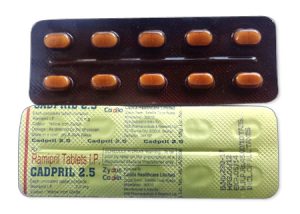
Altace
from
Clopidogrel
from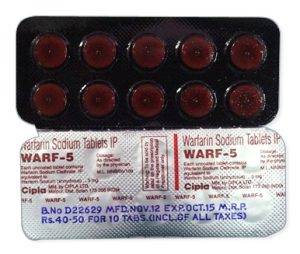
Coumadin
from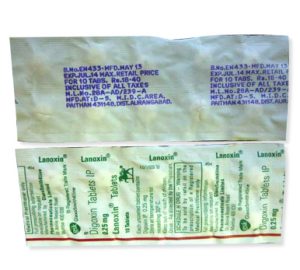
Lanoxin
from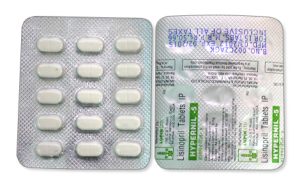
Lisinopril
from
Micardis
from
Nimotop
from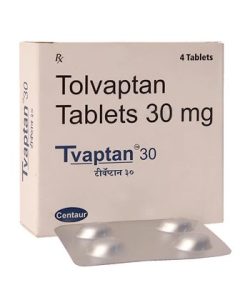
Tolvaptan
fromUnderstanding Cardiovascular Diseases
Cardiovascular diseases encompass a range of conditions affecting the heart and blood vessels, representing the leading cause of death in the United States. These disorders affect millions of Americans each year, making it essential to understand their nature, risk factors, and management strategies. Cardiovascular diseases include heart attacks, strokes, heart failure, arrhythmias, and valve disorders, each with distinct characteristics and treatment approaches.
Multiple risk factors contribute to cardiovascular disease development. High blood pressure, high cholesterol, diabetes, smoking, obesity, and sedentary lifestyle are among the most significant contributors. Understanding these risk factors helps individuals take preventive action and make informed health decisions. Early recognition of symptoms such as chest pain, shortness of breath, and irregular heartbeat can significantly improve outcomes and prevent serious complications.
Regular medical check-ups and lifestyle modifications play crucial roles in managing cardiovascular health and reducing disease progression. Prevention, early detection, and effective management work together to enhance quality of life and improve survival rates for those affected by cardiovascular conditions.
High Blood Pressure Management
High blood pressure, or hypertension, is a major risk factor for cardiovascular complications. It occurs when the force of blood against artery walls is consistently too high, potentially damaging vessels over time and increasing the risk of heart attacks and strokes. Managing blood pressure effectively is vital for preventing these serious cardiovascular events and protecting overall heart health.
Common Medications Available
Several medication classes help control blood pressure through different mechanisms. ACE inhibitors like Lisinopril and Enalapril help relax blood vessels and reduce pressure on artery walls. Angiotensin II receptor blockers such as Losartan and Valsartan work similarly to ACE inhibitors by preventing blood vessel constriction. Beta-blockers including Metoprolol and Atenolol slow heart rate and reduce the force of heart contractions. Calcium channel blockers like Amlodipine and Diltiazem prevent calcium from entering heart and blood vessel cells, promoting relaxation. Diuretics such as Hydrochlorothiazide help the body eliminate excess sodium and water, reducing blood volume and pressure.
Combination medications are often prescribed when single agents prove insufficient for adequate blood pressure control. Healthcare providers select medications based on individual patient factors, including other medical conditions and potential side effects.
Treatment Approach
Lifestyle modifications including reduced sodium intake, regular exercise, weight loss, and stress management form the foundation of blood pressure management. Home blood pressure monitoring helps track medication effectiveness and disease progression, allowing patients and healthcare providers to make informed treatment adjustments.
Cholesterol Management and Lipid Disorders
Elevated cholesterol levels significantly increase the risk of atherosclerosis and coronary artery disease. Managing cholesterol through medication and lifestyle changes is essential for maintaining cardiovascular health. Different types of cholesterol affect heart health differently, requiring targeted treatment approaches tailored to individual patient needs.
Available Medications
Statins including Atorvastatin, Simvastatin, and Rosuvastatin are widely prescribed to reduce LDL cholesterol production in the body. Ezetimibe works by blocking cholesterol absorption in the intestines, providing an alternative mechanism of action. PCSK9 inhibitors such as Evolocumab and Alirocumab represent newer medications for patients with stubborn cholesterol levels that don’t respond adequately to traditional therapies. Bempedoic acid helps lower uric acid and cholesterol in certain patient populations. Fibrates like Fenofibrate help reduce triglycerides and raise beneficial HDL cholesterol levels. Niacin supplements can help improve overall lipid profiles when used appropriately.
Comprehensive Care
Dietary modifications emphasizing heart-healthy fats, fiber, and whole grains are important components of cholesterol management. Regular lipid panel testing monitors treatment effectiveness and guides necessary medication adjustments to maintain optimal cholesterol levels.
Heart Failure Treatment Options
Heart failure occurs when the heart cannot pump blood efficiently to meet the body’s metabolic needs. This condition affects millions of Americans and requires careful, comprehensive management to improve quality of life and survival rates. Multiple medication classes work together to support heart function and reduce symptoms.
Treatment Medications
Several medication categories address different aspects of heart failure:
- ACE inhibitors and ARBs reduce strain on the heart and improve overall cardiac function
- Beta-blockers like Carvedilol and Bisoprolol slow heart rate and reduce workload on the failing heart
- Aldosterone antagonists such as Spironolactone help retain potassium while removing excess sodium and water
- SGLT2 inhibitors including Empagliflozin and Dapagliflozin show promise in improving patient outcomes
- Diuretics manage fluid overload and reduce bothersome symptoms like shortness of breath
- Hydralazine and isosorbide dinitrate combinations provide additional vasodilation support
Ongoing Management
Sodium restriction, fluid management, and weight monitoring are critical components of heart failure treatment. Regular follow-up appointments help healthcare providers adjust medications as heart function changes over time. Devices like pacemakers or defibrillators may complement medical therapy for certain patients requiring additional support.
Arrhythmia and Rate Control
Cardiac arrhythmias involve irregular heartbeats that can affect heart efficiency and increase stroke risk in certain conditions. Some arrhythmias cause minimal symptoms while others require immediate intervention. Medications help restore normal rhythm or control heart rate during irregular beats, improving patient comfort and reducing complications.
Common Medications
Beta-blockers including Metoprolol and Propranolol slow heart rate effectively and are commonly used for rate control. Calcium channel blockers such as Diltiazem and Verapamil reduce conduction through the heart’s electrical system. Antiarrhythmic drugs like Amiodarone, Flecainide, and Sotalol work through various mechanisms to restore normal rhythm. Digoxin is an older medication still used for specific arrhythmias in select patient populations. Anticoagulants such as Warfarin and newer direct oral anticoagulants prevent blood clots in conditions like atrial fibrillation.
Patient Considerations
Medication selection depends on the specific arrhythmia type and underlying heart conditions. Some patients benefit from procedures like ablation or cardioversion for more definitive treatment options beyond medication therapy.
Preventive Care and Lifestyle Management
Prevention remains the most effective strategy for reducing the cardiovascular disease burden on individuals and communities. Lifestyle modifications can prevent disease development entirely and complement medical therapy in patients with existing conditions. Comprehensive preventive approaches address multiple risk factors simultaneously.
Preventive Strategies
Regular physical activity of at least 150 minutes weekly strengthens the heart and improves circulation throughout the body. Maintaining a healthy weight reduces strain on the cardiovascular system and lowers disease risk. Smoking cessation eliminates one of the most damaging risk factors for heart disease. Stress management through meditation, yoga, or counseling supports overall heart health and reduces harmful stress hormones. Limiting alcohol consumption protects the heart from damage and maintains healthy blood pressure. Regular monitoring through blood pressure checks and lipid panels allows early intervention when needed before serious complications develop.
Medication Prevention
Aspirin therapy may be recommended for certain high-risk individuals to prevent dangerous blood clots. Low-dose statins sometimes prevent cardiovascular events in healthy people with significant risk factors. Blood pressure and cholesterol medications prevent complications before symptoms develop, providing protection through proactive treatment approaches.