
HIV
Understanding HIV and AIDS
HIV (Human Immunodeficiency Virus) is a virus that attacks the immune system, specifically CD4 cells that help fight infections and disease. When left untreated, HIV can progress to AIDS (Acquired Immunodeficiency Syndrome), the most advanced stage of HIV infection. Today, with proper treatment and management, people with HIV can live long, healthy lives and prevent transmission to others. Understanding HIV basics is essential for anyone seeking treatment, prevention, or general health knowledge.
Modern antiretroviral therapy has transformed HIV from a fatal diagnosis into a manageable chronic condition. Early detection and consistent treatment are key factors in maintaining health and preventing the spread of the virus. Advances in medical science continue to improve outcomes and quality of life for people living with HIV.
HIV Prevention and Testing
Prevention Methods
Preventing HIV transmission is possible through multiple strategies including consistent condom use, pre-exposure prophylaxis (PrEP), and post-exposure prophylaxis (PEP). PrEP medications taken daily by HIV-negative individuals can reduce infection risk by up to 99 percent. PEP should be started within 72 hours of potential exposure and taken for 28 days. Regular testing is crucial for early detection and starting treatment promptly.
Testing Options
HIV testing is available through healthcare providers, community health centers, and at-home test kits. Different test types include antibody tests, antigen/antibody tests, and nucleic acid tests (NAT). Most tests can detect HIV within two to four weeks of infection. Testing is confidential, affordable, and often free at public health clinics. If you test positive, connecting with healthcare providers immediately allows for treatment initiation and viral suppression.
HIV Treatment Medications
How Antiretroviral Therapy Works
Antiretroviral therapy (ART) uses combinations of medications to suppress HIV viral load to undetectable levels. When viral load becomes undetectable, the virus cannot be transmitted to sexual partners, a concept known as “undetectable equals untransmittable” (U=U). These medications work by blocking different stages of the HIV replication process, preventing the virus from multiplying and damaging the immune system.
Popular HIV Medications Available in the United States
Several medication combinations are commonly prescribed by healthcare providers throughout the United States:
- Bictegravir/tenofovir alafenamide/emtricitabine (Biktarvy) – a single-tablet regimen taken once daily
- Dolutegravir/abacavir/lamivudine (Triumeq) – combines three active ingredients in one tablet
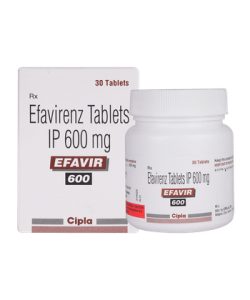
- Efavirenz/tenofovir/emtricitabine (Atripla) – another once-daily option
- Integrase inhibitors like dolutegravir (Tivicay) and bictegravir – preferred first-line treatments
- Protease inhibitors, non-nucleoside reverse transcriptase inhibitors, and nucleoside reverse transcriptase inhibitors – offering alternative combinations
Your healthcare provider will recommend the best regimen based on your specific health needs and medical history. Treatment plans are individualized to ensure optimal effectiveness and minimal side effects.
Living with HIV
Health Management and Monitoring
Living with HIV requires regular medical appointments and monitoring with an HIV specialist or infectious disease doctor. CD4 counts and viral load testing help track treatment effectiveness and immune system health. Maintaining consistent medication adherence is critical for treatment success, preventing drug resistance, and achieving undetectable viral loads. Most people with HIV need lifetime treatment, though advances in therapy continue to improve quality of life and reduce side effects.
Lifestyle Considerations
People with HIV can work, exercise, travel, and participate in all normal activities. Maintaining overall health through balanced nutrition, regular exercise, stress management, and adequate sleep supports immune function. Some individuals may experience medication side effects that can usually be managed by adjusting medications or adding supportive treatments. Mental health support, including counseling and support groups, is beneficial for many people managing HIV. Open communication with healthcare providers ensures optimal treatment and quality of life.
HIV Transmission and Sexual Health
How HIV Spreads
HIV spreads through specific bodily fluids including blood, semen, vaginal fluids, and breast milk. Transmission occurs through sexual contact, sharing injection drug equipment, or from mother to child during pregnancy, delivery, or breastfeeding. HIV does not spread through casual contact, sharing food or drinks, touching, or breathing the same air. Understanding transmission routes helps eliminate stigma and enables informed prevention strategies.
Sexual Health and Relationships
People with HIV can have fulfilling sexual relationships and maintain intimate connections. Using condoms during sexual activity, taking PrEP if HIV-negative, and ensuring the HIV-positive partner maintains an undetectable viral load prevents transmission. Communication with partners about HIV status and prevention methods is important. Many HIV-positive individuals maintain healthy relationships with both HIV-positive and HIV-negative partners successfully. Modern treatment options have significantly reduced transmission risks when proper precautions are taken.
Support Resources and Ongoing Care
Healthcare Access
The Ryan White Program provides comprehensive HIV care services to uninsured and underinsured individuals throughout the United States. Community health centers offer testing, treatment, and support services regardless of ability to pay. Many states have AIDS Drug Assistance Programs (ADAP) helping eligible individuals access antiretroviral medications. Healthcare providers specializing in HIV care offer the most current treatment options and expertise. Telehealth services expand access to HIV specialists in remote areas.
Support Services and Community
Counseling and mental health services address emotional aspects of HIV diagnosis and treatment. Support groups connect people with HIV for shared experiences and practical advice. Case management services help navigate healthcare systems and access benefits. Community organizations provide education, advocacy, and social support. Online resources and educational materials help individuals understand their diagnosis and treatment options. Building a strong support network of healthcare providers, counselors, and community members enhances overall wellbeing and treatment success.