
Hormones
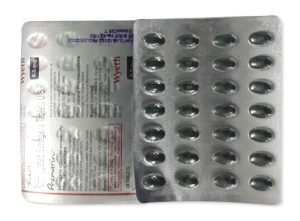
Conjugated Estrogens
from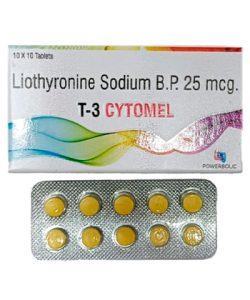
Cytomel
from
Dostinex
from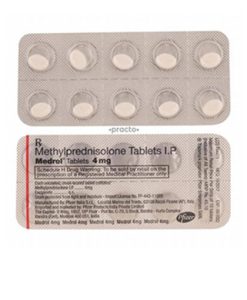
Medrol
from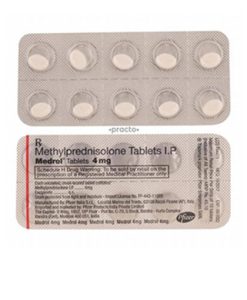
Medrol Active
from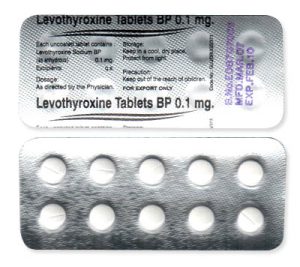
Synthroid
fromUnderstanding Hormones and Their Role in Health
Hormones are chemical messengers produced by your body’s endocrine glands that regulate vital functions including metabolism, growth, reproduction, and mood. These powerful substances travel through your bloodstream to control how your body works and feels. When hormone levels become imbalanced, it can lead to various health conditions affecting your quality of life. Hormone therapy and medications help restore balance and manage symptoms associated with hormonal imbalances. Understanding your hormones is the first step toward taking control of your health and well-being.
What Hormones Do
Your body produces dozens of different hormones that work together in complex ways. The most important hormones include estrogen, progesterone, testosterone, thyroid hormones, cortisol, and insulin. Each hormone has specific functions, from regulating your sleep-wake cycle to controlling your blood sugar levels. When these hormones work properly, you feel energetic, focused, and healthy. However, age, stress, illness, and lifestyle factors can disrupt hormone production, requiring medical intervention.
Common Hormonal Conditions
Many people experience hormonal imbalances at some point in their lives. Women often deal with hormonal changes during menopause, perimenopause, and puberty. Men can experience testosterone deficiency as they age. Thyroid disorders affect millions of Americans, causing either too much or too little thyroid hormone. Polycystic ovary syndrome, endometriosis, and adrenal fatigue are other common hormonal conditions requiring treatment and management.
Female Hormone Replacement Therapy
Menopause marks a significant life transition when a woman’s body produces less estrogen and progesterone. This natural process typically occurs between ages 45 and 55 but can vary widely. Hormone replacement therapy helps manage uncomfortable menopause symptoms while supporting overall health during this important life stage.
Common Symptoms Treated
Women experiencing menopause often suffer from hot flashes, night sweats, vaginal dryness, mood changes, and sleep disturbances. These symptoms can significantly impact daily life and work performance. Hormone replacement therapy alleviates these uncomfortable symptoms, allowing women to maintain their quality of life during menopause. Many women find relief within weeks of starting treatment.
Popular HRT Medications Available
Several hormone replacement therapy options are available in the United States:
- Premarin contains conjugated estrogens derived from natural sources
- Estrace provides micronized estradiol for more natural hormone replacement
- Climara patches deliver estradiol through your skin for consistent hormone levels
- Prometrium offers natural progesterone to balance estrogen therapy
- Prempro combines estrogen and progestin in a single convenient tablet
- Divigel and Elestrin are estrogen gels applied to the skin
Women and their doctors work together to find the most appropriate medication and dosage for their individual needs.
Delivery Methods
Hormone replacement therapy comes in multiple forms to suit different preferences and needs. Oral tablets remain the most commonly prescribed option. Transdermal patches provide steady hormone delivery through the skin. Topical gels and creams offer alternative application methods. Vaginal creams specifically target vaginal dryness and related discomfort. Injectable options are available for women who cannot take other forms. Your healthcare provider helps determine which delivery method works best for your lifestyle and health situation.
Thyroid Hormone Management
Your thyroid gland produces hormones that regulate metabolism, energy levels, and body temperature. When your thyroid doesn’t produce enough thyroid hormone, you develop hypothyroidism. This common condition affects millions of Americans, particularly women over 60. Thyroid hormone replacement therapy restores normal metabolic function and relieves associated symptoms.
Hypothyroidism and Hyperthyroidism
Hypothyroidism causes fatigue, weight gain, depression, cold sensitivity, and slowed metabolism. This condition develops gradually and often goes undiagnosed for years. Blood tests measuring TSH and thyroid hormone levels confirm hypothyroidism diagnosis. Hyperthyroidism occurs when your thyroid produces too much hormone, causing rapid heartbeat, anxiety, weight loss, and heat sensitivity. Both conditions require proper medical treatment to prevent serious complications.
Thyroid Medication Options
Levothyroxine sodium, marketed as Synthroid, is the most commonly prescribed thyroid medication in America. This synthetic thyroid hormone effectively replaces the hormone your body fails to produce. Levitra provides an alternative levothyroxine formulation. Cytomel contains liothyronine sodium, the active thyroid hormone form. Armour Thyroid offers desiccated thyroid derived from animal sources for patients preferring natural options. Nature-Throid provides another natural thyroid extract option. Most patients require only one daily dose taken on an empty stomach. Regular blood tests ensure your medication dose remains appropriate.
Finding Your Correct Dose
Getting the right thyroid medication dose is essential for optimal results. Your doctor starts with a standard dose and adjusts based on your symptoms and blood test results. Factors affecting your dose include your age, weight, other medications, and absorption ability. Most people need between 25 and 200 micrograms daily. It typically takes four to six weeks for your body to adjust to a new dose. Your doctor monitors your progress through regular blood tests and symptom assessment.
Testosterone and Male Hormone Health
Testosterone is the primary male sex hormone, but women produce it too in smaller amounts. This hormone affects muscle mass, bone density, libido, mood, and energy levels in both sexes. As men age, testosterone naturally decreases, sometimes creating symptoms requiring treatment. Testosterone replacement therapy helps men maintain vitality and health during their later years.
Testosterone Deficiency Symptoms
Low testosterone, or hypogonadism, causes decreased libido, erectile dysfunction, fatigue, mood changes, and reduced muscle mass. Men may experience depression, difficulty concentrating, and loss of motivation. These symptoms develop gradually and often get attributed to aging. Blood tests measuring testosterone levels confirm deficiency diagnosis. Men with low testosterone often benefit significantly from replacement therapy, experiencing improved energy, mood, and sexual function.
Testosterone Replacement Options
Multiple testosterone replacement options are available to suit different needs:
- Testosterone cypionate injections remain a popular and effective treatment option
- Testosterone enanthate injections offer similar benefits with slightly different injection frequency
- AndroGel provides testosterone through topical gel application
- Testim offers another testosterone gel option applied to shoulders or arms
- Axiron delivers testosterone through an underarm spray
- Striant buccal tablets adhere to your gum tissue
- Testopel pellets provide long-acting testosterone released over several months
- Depo-Testosterone remains a widely used injectable option
Your doctor helps select the best delivery method based on your preferences and medical situation.
Treatment Considerations
Testosterone replacement therapy requires careful medical supervision and regular monitoring. Your doctor checks hematocrit levels, liver function, and prostate health during treatment. Men with certain health conditions cannot use testosterone replacement. Regular blood tests ensure your testosterone levels remain in the optimal therapeutic range. Treatment helps most men feel significantly better, with energy and mood improvements appearing within weeks.
Insulin and Blood Sugar Regulation
Insulin is a hormone produced by your pancreas that controls blood sugar levels and energy metabolism. When your body cannot produce enough insulin or use it effectively, diabetes develops. Insulin replacement therapy helps people with diabetes maintain healthy blood sugar levels and prevent serious complications.
Types of Insulin Available
Multiple insulin formulations are available to meet different treatment needs. Humalog provides rapid-acting insulin for mealtime coverage. Novolog offers another rapid-acting option. Lantus delivers long-acting basal insulin coverage throughout the day. Levemir provides another long-acting option. Humulin R is regular human insulin. NPH insulin provides intermediate-acting coverage. Insulin pens make self-injection convenient and discreet. Insulin pumps deliver continuous insulin infusion. Your doctor determines which insulin type or combination works best for your individual needs.
Managing Your Insulin Therapy
Proper insulin management requires education and commitment to your treatment plan. You learn to count carbohydrates and match your insulin dose to your meals and activity level. Blood sugar monitoring several times daily guides your insulin dosing decisions. Insulin storage requires careful attention to temperature and expiration dates. Regular medical appointments help optimize your insulin regimen. Most people using insulin feel better and experience fewer diabetes-related symptoms with proper management.
Other Important Hormones and Treatments
Beyond the major hormones, your body produces many other essential hormones requiring treatment when imbalanced. Cortisol regulates stress response, DHEA supports energy and aging, and growth hormone affects muscle and bone health. Progesterone helps regulate menstrual cycles and supports pregnancy. Estrogen affects bone health, cardiovascular function, and mood. When these hormones become imbalanced, various symptoms and health conditions develop.
Bioidentical Hormone Options
Bioidentical hormones have the same molecular structure as hormones your body produces naturally. Many patients prefer bioidentical options because they more closely mimic natural hormone function. Estradiol, progesterone, and testosterone come in bioidentical formulations. Compounding pharmacies create customized bioidentical hormone combinations tailored to individual needs. While bioidentical hormones sound more natural, they carry similar benefits and risks as conventional hormone therapy.
Working with Your Healthcare Provider
Successfully managing hormonal health requires partnership with your healthcare provider. Regular hormone level testing helps identify imbalances before symptoms become severe. Your doctor considers your medical history, current medications, and individual health goals when recommending treatment. Open communication about your symptoms and treatment response helps optimize your therapy. Many people achieve excellent results with proper hormone management, experiencing improved energy, mood, and overall well-being throughout their lives.