
Muscle Relaxants
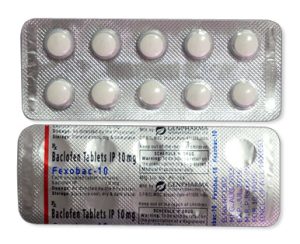
Baclofen
from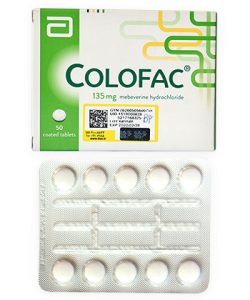
Colofac
from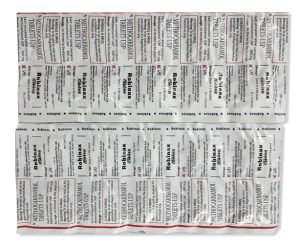
Robaxin
from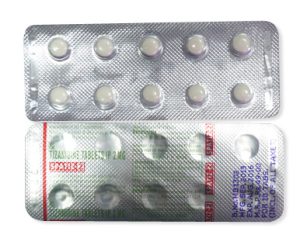
Zanaflex
fromWhat Are Muscle Relaxants and How Do They Work?
Muscle relaxants are medications prescribed to relieve muscle pain, tension, and spasms. These drugs work by affecting the central nervous system or directly targeting muscle fibers to reduce involuntary muscle contractions. They are commonly used for acute muscle injuries, chronic pain conditions, and muscle stiffness. Muscle relaxants can be divided into two main categories: centrally acting agents that work through the brain and spinal cord, and direct-acting agents that work on the muscle fibers themselves. The mechanism of action varies depending on the specific medication, but most function by interrupting nerve signals that cause muscles to contract. Healthcare providers typically prescribe these medications alongside physical therapy and other treatment methods for optimal results. Understanding how muscle relaxants work helps patients use them more effectively and safely under medical supervision.
Common Types of Muscle Relaxants Available in the United States
Cyclobenzaprine
Cyclobenzaprine is one of the most frequently prescribed muscle relaxants in America. It works centrally and is commonly used for acute muscle strain and tension. The typical dosage ranges from 5 to 10 milligrams taken two to three times daily. Cyclobenzaprine usually begins working within 30 minutes and is often prescribed for short-term use.
Carisoprodol
Carisoprodol is another popular centrally acting muscle relaxant available across the United States. This medication is typically prescribed at doses of 250 to 350 milligrams three times daily. Carisoprodol has a faster onset of action compared to some alternatives and provides relief for acute musculoskeletal pain and discomfort.
Methocarbamol
Methocarbamol serves as an effective option for treating muscle spasms and pain. It is available in various strengths and can be taken multiple times daily. Many patients find methocarbamol helpful for post-injury recovery and general muscle tension relief.
Baclofen
Baclofen functions differently from other muscle relaxants by acting directly on muscles and the spinal cord. It is particularly beneficial for patients with spasticity related to neurological conditions. Baclofen typically requires gradual dose adjustments and careful monitoring.
Tizanidine
Tizanidine is a shorter-acting muscle relaxant that works through alpha-2 adrenergic receptor activation. It is commonly prescribed for muscle tightness and spasms, with effects usually appearing within one to two hours of taking the medication.
Conditions Treated with Muscle Relaxants
Muscle relaxants are prescribed to treat a variety of conditions affecting the musculoskeletal system. Understanding these conditions helps patients recognize when muscle relaxant therapy might be beneficial for their specific situation.
Acute Muscle Strain and Injury
Acute muscle strain and injury represents one of the primary reasons healthcare providers prescribe muscle relaxants. Whether from sports injuries, workplace accidents, or everyday activities, acute muscle strains cause significant pain and reduced mobility. Muscle relaxants help reduce the involuntary muscle contractions that accompany these injuries, allowing patients to move more comfortably and participate in physical therapy.
Chronic Pain Conditions
Chronic pain conditions including fibromyalgia and myofascial pain syndrome often benefit from muscle relaxant therapy. Patients with chronic conditions typically experience long-term muscle tension and stiffness. These medications can provide relief when combined with other pain management strategies and lifestyle modifications.
Back Pain
Back pain is another common reason for muscle relaxant prescription. Whether caused by poor posture, muscle strain, or underlying spinal conditions, back pain frequently involves muscle tension and spasms. Healthcare providers often recommend muscle relaxants as part of comprehensive back pain treatment plans.
Muscle Spasticity
Muscle spasticity resulting from neurological conditions such as cerebral palsy, multiple sclerosis, or spinal cord injury responds well to specific muscle relaxants. These conditions cause excessive muscle tone and involuntary contractions, significantly limiting function and causing discomfort. Specialized muscle relaxants provide relief and improved quality of life.
Post-Surgical Recovery
Post-surgical recovery often includes muscle relaxant prescriptions to manage pain and tension following surgical procedures. Surgery frequently causes muscle trauma, and relaxants help patients recover comfortably while engaging in necessary physical therapy activities.
Dosage Guidelines and Administration
Muscle relaxant dosages vary significantly depending on the specific medication, individual patient factors, and the condition being treated. Most muscle relaxants are taken orally in tablet or capsule form, typically two to four times daily. Initial doses are usually conservative, with gradual increases if needed and tolerated.
The duration of muscle relaxant therapy typically ranges from two to three weeks for acute conditions, though some patients require longer treatment periods. Healthcare providers regularly reassess the need for continued medication and may adjust doses based on patient response and tolerance.
Instructions should always be followed carefully, and patients should not exceed prescribed dosages without medical guidance. Taking muscle relaxants with or without food depends on the specific medication and individual tolerance. Some patients experience better results when taking medications with meals, while others prefer them on an empty stomach.
Timing matters significantly when using muscle relaxants. Taking medication consistently at the same times each day helps maintain steady medication levels in the bloodstream. Many patients find it helpful to set reminders or use pill organizers to maintain consistent schedules.
Potential Side Effects and Safety Considerations
Common side effects associated with muscle relaxants include drowsiness, dizziness, and fatigue. These effects occur because most muscle relaxants affect the central nervous system. Patients should avoid driving or operating heavy machinery when experiencing these symptoms, particularly when starting new medications or increasing doses.
Additional potential side effects may include:
- Dry mouth
- Headache
- Nausea
- Mild gastrointestinal discomfort
- Loss of appetite
- Blurred vision
Most side effects decrease as the body adjusts to the medication over several days to weeks. Reporting persistent or severe side effects to a healthcare provider is essential.
Muscle relaxants can interact with alcohol and other medications, potentially causing dangerous side effects. Patients should inform healthcare providers about all medications, supplements, and herbal remedies they take. Alcohol consumption while taking muscle relaxants should be avoided entirely.
Certain patient populations require special precautions when using muscle relaxants. Pregnant women, nursing mothers, elderly patients, and individuals with liver or kidney disease may need dose adjustments or alternative medications. Thorough medical history discussion helps healthcare providers make safe prescribing decisions.
Dependency and tolerance can develop with prolonged muscle relaxant use, particularly with certain medications. Healthcare providers monitor patients carefully to prevent these complications and typically recommend the lowest effective dose for the shortest necessary duration. Regular follow-up appointments ensure ongoing safety and effectiveness.
Tips for Using Muscle Relaxants Effectively
Combining muscle relaxants with physical therapy and stretching exercises typically produces better outcomes than medication alone. Patients should participate actively in recommended therapy sessions and home exercise programs. This integrated approach addresses underlying muscle weakness and tension while medications provide symptomatic relief.
Heat and ice therapy can enhance muscle relaxant effectiveness. Applying heat before physical therapy helps muscles relax and improve flexibility, while ice after activity may reduce inflammation and soreness. Many patients use these techniques alongside their prescribed medications for maximum benefit.
Proper posture and body mechanics prevent additional muscle strain and reduce medication requirements. Making workplace and home environment adjustments, such as ergonomic furniture and proper lifting techniques, supports recovery and prevents re-injury.
Regular communication with healthcare providers helps optimize muscle relaxant therapy. Patients should report medication effectiveness, side effects, and any questions about their treatment plan. This ongoing dialogue allows providers to make adjustments ensuring the best possible outcomes.
Gradual discontinuation of muscle relaxants prevents rebound muscle tension and other withdrawal effects. Healthcare providers typically recommend slow dose reduction rather than abrupt stopping, particularly after extended use. Following provider instructions during medication discontinuation ensures a smooth transition away from treatment.