
Stop Smoking
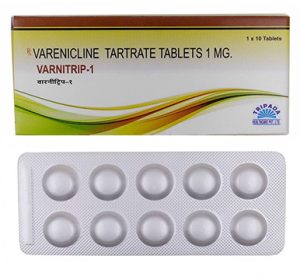
Champix
from
Varenicline
from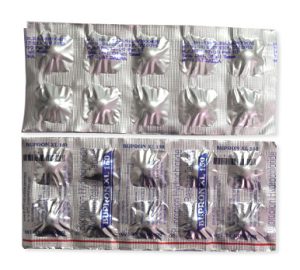
Wellbutrin
fromUnderstanding Nicotine Addiction and Why Quitting is Important
Nicotine is one of the most addictive substances available, affecting the brain’s reward system and creating both physical and psychological dependence. When you smoke, nicotine reaches your brain within seconds, triggering the release of dopamine and creating pleasurable sensations that keep smokers coming back for more. This addiction cycle makes quitting challenging but not impossible. Understanding how nicotine affects your body is the first step toward successful cessation.
Quitting smoking provides immediate and long-term health benefits, including reduced risk of heart disease, stroke, cancer, and lung disease. Within minutes of quitting, your heart rate drops. Within hours, carbon monoxide levels in your blood decrease. Within weeks, your circulation improves and lung function increases. Beyond health benefits, quitting saves money—a pack-a-day smoker spends thousands annually on cigarettes. Additionally, you’ll experience improved appearance, better breath, and enhanced sense of taste and smell. Families benefit too, as secondhand smoke exposure decreases for loved ones. Success rates increase significantly when smokers use a combination of medications and behavioral support rather than quitting cold turkey alone.
Prescription Medications for Smoking Cessation
Prescription medications are FDA-approved tools designed to reduce cravings and withdrawal symptoms, making the quitting process more manageable.
Varenicline (Chantix)
Varenicline is one of the most commonly prescribed options, working by partially stimulating nicotine receptors in the brain while blocking nicotine from binding to these same receptors. This dual action reduces both cravings and the rewarding effects of smoking. The typical treatment course lasts 12 weeks, with dosage gradually increasing during the first week.
Bupropion (Wellbutrin, Aplenzin, Forfivo XL)
Bupropion is an antidepressant medication that affects chemicals in the brain related to nicotine cravings and withdrawal. Unlike nicotine replacement therapies, bupropion doesn’t contain nicotine but helps balance brain chemistry to reduce the desire to smoke. Treatment typically begins one to two weeks before your quit date and continues for several weeks. Some patients combine bupropion with nicotine replacement for enhanced effectiveness.
Both medications have shown success rates of 25-35% when used alone, with combination therapy improving outcomes further. Your healthcare provider will determine which medication suits your specific health profile, considering factors like other medications, medical history, and previous quit attempts. Most insurance plans cover these medications, though your copay may vary.
Over-the-Counter Nicotine Replacement Therapies
Nicotine replacement therapy (NRT) products deliver controlled doses of nicotine without the harmful chemicals found in cigarette smoke, helping manage withdrawal symptoms while you work on breaking the habit.
Nicotine Patches
Nicotine patches provide steady nicotine levels throughout the day through your skin. Available in varying strengths (typically 7mg, 14mg, and 21mg), patches are usually worn for 16-24 hours daily. They’re convenient for people with busy schedules and provide consistent delivery. Some users experience skin irritation at the application site. Rotating patch locations helps minimize this side effect.
Nicotine Gum
Nicotine gum comes in 2mg and 4mg strengths, offering flexible dosing based on cravings. Users chew the gum slowly until a tingling sensation appears, then park it between the cheek and gum for nicotine absorption. This process repeats for about 30 minutes. Nicotine gum requires proper chewing technique for effectiveness and may cause jaw soreness or hiccups.
Additional NRT Options
Nicotine lozenges dissolve slowly in the mouth, providing nicotine absorption through oral tissues. Available in 2mg and 4mg doses, lozenges offer convenience and discretion. Some users experience mouth irritation or heartburn. Nicotine nasal spray and nicotine oral inhaler are also available over-the-counter options that provide faster nicotine delivery for breakthrough cravings. Many successful quitters combine NRT products, such as using a patch for baseline nicotine with gum or lozenges for additional cravings.
Behavioral Support and Counseling Programs
Successfully quitting smoking involves more than medication—behavioral support addresses the psychological aspects of nicotine addiction. Counseling helps identify triggers, develop coping strategies, and manage stress without reaching for cigarettes.
- Individual counseling provides one-on-one sessions with trained quit-smoking specialists who create personalized quit plans tailored to your lifestyle and challenges
- Group counseling connects you with others attempting to quit, providing mutual support, shared experiences, and accountability
- Cognitive behavioral therapy (CBT) teaches techniques to recognize and change thought patterns that lead to smoking
- Motivational interviewing helps build confidence and commitment to quitting
Many states offer free quitlines—telephone counseling services providing expert guidance and support at no cost. The National Cancer Institute’s quitline (1-877-44U-QUIT) and state-specific programs offer multiple languages and flexible scheduling. Online programs provide interactive tools, tracking features, and digital communities for those preferring remote support. Combining medication with counseling increases quit success rates to 40-50%, compared to 10-15% for quitting without assistance. Support groups meeting regularly provide ongoing encouragement throughout your quit journey.
Managing Withdrawal Symptoms and Cravings
Nicotine withdrawal causes uncomfortable symptoms as your body adjusts to functioning without nicotine, typically lasting two to four weeks. Common withdrawal symptoms include intense cravings, irritability, anxiety, difficulty concentrating, increased appetite, and sleep disturbances. Understanding these symptoms are temporary and manageable helps smokers persevere through tough moments.
Cravings usually last only 3-5 minutes; strategies include deep breathing exercises, drinking water, chewing gum, or calling a supportive friend. Irritability and mood changes respond well to exercise, which also reduces cravings while improving mood through endorphin release. Sleep problems improve with regular exercise, limiting caffeine, and maintaining consistent sleep schedules. Difficulty concentrating typically resolves within weeks as your brain chemistry restabilizes.
Medications help significantly—nicotine replacement therapies reduce physical withdrawal, while varenicline and bupropion reduce both physical and psychological symptoms. Planning ahead for high-risk situations like stress, social events, or driving helps you maintain commitment. Avoiding triggers initially, such as changing your morning routine or taking different routes, makes early days easier. Staying hydrated, eating healthy snacks, and getting adequate sleep support your body through withdrawal.
Creating Your Personalized Quit Plan and Long-Term Success
Developing a comprehensive quit plan significantly improves your chances of success and helps you stay smoke-free long-term. Start by identifying your quit date—choosing a specific date within the next two weeks gives you time to prepare while maintaining motivation. Recognize your triggers—situations, emotions, or people that prompt smoking urges. Common triggers include stress, coffee breaks, social situations, and alcohol consumption. Develop alternative responses for each trigger.
Choose your medication or NRT approach in consultation with your healthcare provider, considering your preferences, smoking history, and health factors. Tell family and friends about your quit date and explain how they can support you. Ask smokers to refrain from smoking around you during this critical period. Remove smoking triggers from your environment—throw away cigarettes, lighters, and ashtrays. Clean your clothes and car to eliminate smoke smells.
Plan for high-risk situations by rehearsing responses to urges and identifying support resources you’ll contact when cravings hit. Celebrate milestones—reaching 24 hours, one week, or one month smoke-free deserves recognition. Reward yourself with money saved or treats you enjoy. Prepare for lapses—if you slip and smoke a cigarette, it’s not failure. Immediately recommit, identify what triggered the slip, and adjust your strategy. Most successful quitters attempt multiple times before achieving permanent cessation. Each attempt teaches valuable lessons. Staying connected with supportive communities, whether through counseling, support groups, or online programs, maintains motivation during challenging times and celebrates your smoke-free achievements.