
Urinary Tract
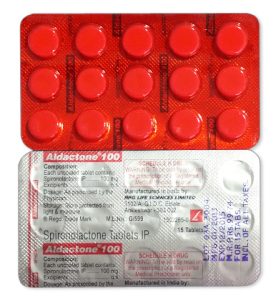
Aldactone
from
Demadex
from
Furosemide
from
Lasix
from
Lozol
from
Microzide
from
Vesicare
fromUnderstanding Urinary Tract Infections (UTIs)
Urinary tract infections are among the most common infections affecting millions of Americans each year. A UTI occurs when bacteria enter the urinary system, typically through the urethra, and multiply in the bladder or kidneys. Women are significantly more prone to UTIs than men due to anatomical differences. The condition can affect any part of the urinary tract, including the bladder, urethra, ureters, and kidneys.
Common symptoms of UTIs include a strong urge to urinate frequently, pain or burning sensation during urination, cloudy or bloody urine, and pelvic pain. Some people experience fever and chills if the infection has spread to the kidneys. UTIs can be acute or chronic, with some individuals experiencing recurrent infections throughout their lives. Understanding the causes and symptoms helps in seeking timely medical attention and treatment.
Antibiotics for Urinary Tract Treatment
Antibiotics are the primary treatment option for bacterial urinary tract infections in the United States. The most commonly prescribed antibiotics include trimethoprim-sulfamethoxazole, commonly known as Bactrim or Septra, which has been a first-line treatment for decades. Nitrofurantoin, sold under the brand name Macrobid, is another popular choice that works directly in the urinary tract.
Fluoroquinolones like ciprofloxacin and levofloxacin are prescribed for more severe infections or complicated cases. Amoxicillin and amoxicillin-clavulanate are alternative options for certain patients. Cephalexin is frequently used for uncomplicated UTIs and is well-tolerated by most patients. The choice of antibiotic depends on the type of bacteria, severity of infection, patient allergies, and local resistance patterns.
Most UTI treatments last between three to seven days, though complicated infections may require longer courses. It is crucial to complete the entire antibiotic course as prescribed, even if symptoms resolve earlier. This prevents the development of antibiotic-resistant bacteria and ensures complete elimination of the infection.
Over-the-Counter Pain Relief and Symptom Management
While antibiotics treat the infection itself, over-the-counter medications can help manage UTI symptoms and discomfort. Phenazopyridine, available under brand names like Azo Standard and Pyridium, is a urinary analgesic that provides relief from burning and pain during urination. This medication works by soothing the urinary tract lining and typically provides relief within hours.
Ibuprofen and naproxen sodium can reduce inflammation and alleviate pain associated with UTIs. Acetaminophen is another option for pain relief, particularly for patients who cannot take nonsteroidal anti-inflammatory drugs. Many people find that applying heat to the lower abdomen or back helps ease discomfort and muscle tension related to urinary tract infections.
Cranberry supplements and D-mannose are popular natural remedies that some people use to support urinary tract health. These products are available in various forms including capsules, tablets, and powders. While scientific evidence supporting their effectiveness varies, many patients report symptom improvement when using these supplements alongside conventional treatment.
Prevention and Urinary Tract Health
Preventing urinary tract infections is often easier than treating them, and several lifestyle measures can significantly reduce infection risk. Staying well-hydrated by drinking adequate water throughout the day helps flush bacteria from the urinary system. Most health professionals recommend drinking at least six to eight glasses of water daily for optimal urinary tract health.
Proper hygiene practices are essential for prevention, particularly for women. Wiping from front to back after using the bathroom prevents bacteria from the digestive tract from entering the urethra. Urinating after sexual activity helps flush away bacteria that may have been introduced during intercourse. Emptying the bladder completely and regularly prevents bacterial growth in stagnant urine.
Certain habits increase UTI risk and should be minimized or avoided. Consider implementing these preventive measures:
- Avoid holding urine for extended periods, as this allows bacteria to multiply in the bladder
- Wear breathable cotton undergarments instead of tight clothing or synthetic materials
- Limit use of douches, feminine sprays, and scented products that irritate the urethra
- Stay hydrated and maintain consistent bathroom habits
- Practice proper hygiene before and after sexual activity
Specialized Urinary Tract Conditions
Beyond simple UTIs, several other urinary tract conditions require specific treatments and management strategies. Interstitial cystitis is a chronic condition characterized by bladder pressure, bladder pain, and pelvic pain. Treatment options include bladder instillations, oral medications like pentosan polysulfate sodium, and behavioral modifications.
Overactive bladder syndrome causes sudden, involuntary bladder contractions leading to frequent urination and urgency. Medications such as oxybutynin, tolterodine, and solifenacin are commonly prescribed to manage this condition. These anticholinergic medications help relax the bladder muscle and reduce symptoms.
Urinary incontinence affects millions of Americans and has multiple causes including weak pelvic floor muscles, nerve damage, and hormonal changes. Treatment depends on the type of incontinence and may include pelvic floor exercises, medications, or medical devices. Bethanechol and mirabegron are medications that support normal bladder function in specific types of incontinence.
When to Seek Medical Attention
Recognizing when to consult a healthcare provider is important for proper urinary tract care. Most simple UTIs can be treated with antibiotics prescribed after a urinalysis or urine culture. However, certain situations warrant immediate medical attention, including signs of kidney infection such as fever above 102 degrees Fahrenheit, severe back or side pain, or nausea and vomiting.
Men with urinary tract symptoms should always see a doctor, as UTIs are less common in men and may indicate a more serious underlying condition. Pregnant women with UTI symptoms require prompt treatment to prevent complications. Individuals with diabetes, weakened immune systems, or previous kidney problems should seek medical care for urinary symptoms.
Recurrent UTIs occurring more than twice in six months warrant evaluation to identify underlying causes. A healthcare provider may recommend imaging studies or additional testing to rule out structural abnormalities or other contributing factors. Proper diagnosis ensures appropriate treatment and helps prevent future infections through targeted prevention strategies.