Acticin
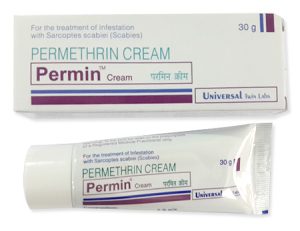
In brief
- Acticin (permethrin 5% cream) is sold in pharmacies and online in many countries; while the 5% scabies cream is prescription-only in most regulatory settings, availability varies by country and some pharmacies or retailers may supply it without a prescription or receipt—check local pharmacy rules and online vendors for delivery options.
- Acticin is used to treat scabies (and permethrin formulations are also used for lice); permethrin is a synthetic pyrethroid that disrupts parasite neuronal sodium channels, causing paralysis and death of mites or lice.
- For scabies (5% cream): apply a thin layer from the neck down (and to affected scalp in infants) and leave on for 8–14 hours (usually overnight); typically a single application with a repeat in 7–14 days if live mites persist. For lice (1% lotion): apply to dry hair/scalp as directed, leave ~10 minutes, then rinse; repeat after 7 days if needed.
- Topical administration as a cream or lotion (Acticin cream 5% in 30g or 60g tubes; 1% lotion formulations for lice).
- Permethrin begins killing mites/lice within hours of application; clinical symptom relief (reduced itching) is often noticed within 24–48 hours, though itching may persist for days as skin heals.
- The insecticidal effect occurs quickly and can last for a short period after treatment (residual activity for a day or two); scabies treatment effect may be apparent over several days to weeks, and a single application is often sufficient with repeat only if symptoms or live mites persist.
- There is no systemic alcohol interaction with topical permethrin, so routine alcohol consumption is not contraindicated; avoid applying alcohol-based products to treated skin and do not ingest the product.
- The most common side effect is local skin irritation—burning, stinging, itching, redness or mild swelling; less commonly paresthesia, headache or dizziness can occur.
- Would you like to try “acticin” without a prescription?
Basic Acticin Information
- INN (International Nonproprietary Name): Permethrin.
- Brand Names Available In United States: Acticin (cream, 5%, 30g or 60g tube), Elimite (cream, 5%), Nix (lotion, 1%) primarily for lice.
- ATC Code: P03AC04.
- Forms & Dosages: Acticin and Elimite are 5% cream (50 mg/g) in 30g and 60g tubes for scabies.
- Manufacturers In United States: Actavis Pharma (now Teva) and various generics.
- Registration Status In United States: FDA-approved as prescription (Rx) for Acticin 5% cream.
- OTC / Rx Classification: 5% scabicide cream is prescription (Rx); some 1% lice lotions (brand-dependent) can be OTC in specific regions.
Everyday Use & Best Practices
Worried about how to make scabies treatment fit into a busy home routine?
Start by following your prescriber’s directions and the product leaflet exactly.
Apply a thin layer of 5% cream (Acticin/Elimite) from the neck down and leave it on for 8–14 hours; overnight application is the most practical approach.
Avoid applying the cream to broken skin, and stop use if you have known hypersensitivity to permethrin, synthetic pyrethroids, or to related plant allergens such as chrysanthemum or ragweed.
For toddlers aged two months and older and for adults, treat the whole body as above.
Infants under two months are generally not approved for 5% scabicide cream and require pediatric specialist advice.
Store tubes at room temperature, about 20–25°C (68–77°F), and keep them out of reach of children.
- Night-Before Checklist: shower and dry, remove lotions and creams, trim nails, protect eyes and mouth, lay out loose pajamas and a towel for morning wash-off.
Wash bedding and clothing in hot water and dry on high heat within 24–48 hours, or if laundering isn’t possible, seal items in plastic for 72 hours.
Morning Vs Evening Dosing; Taking With Or Without Meals
Is timing tied to meals or daily activities?
Topical permethrin timing is about skin contact time, not food.
Apply in the evening so the required 8–14 hour exposure covers sleeping hours, reducing disruption to daytime activities.
If a repeat application is needed for persistent infestation, schedule that repeat at 7–14 days and again leave on overnight.
When treating head lice with 1% lotion (Nix), follow the shorter leave-on time of about 10 minutes and then rinse; daytime application is fine.
- Night Routine Checklist: apply cream before bed, wear loose pajamas, avoid heavy sweating, wash off in the morning and launder bedding promptly.
Safety Priorities
Who should avoid permethrin and when should you call the prescriber?
Absolute contraindications include anyone with known hypersensitivity to permethrin, synthetic pyrethroids, or any excipients in the product.
Be cautious with patients who have extensive skin inflammation, severe eczema, psoriasis, or open wounds because higher absorption can occur; consult the prescriber in these cases.
Infants under two months are not approved for the 5% scabies cream and require pediatric guidance.
Pregnancy and breastfeeding are relative cautions; permethrin is often considered acceptable by many clinicians, but individual risk/benefit discussion with a physician is recommended.
For people with seizure disorders, systemic toxicity from topical use is rare but seek medical advice if ingestion or massive exposure occurs.
Activities To Limit
What should you avoid while the cream is on?
Avoid getting the cream in the eyes or mouth, and limit close skin-to-skin contact with others until the cream is washed off to prevent transfer.
Avoid saunas, excessive sweating, or vigorous exercise during the 8–14 hour leave-on period, since sweating can increase irritation and may reduce efficacy.
After treatment, wash clothing, towels, and bedding in hot water and dry on high heat, or seal items for 72 hours if laundering is not possible.
- Skin Monitoring Checklist: look for new or worsening redness, burning, persistent numbness, or neurologic symptoms; seek urgent care for severe swelling or breathing difficulty.
Dosage & Adjustments
Wondering how many treatments you’ll actually need?
For scabies, the standard regimen for adults and children aged two months and older is a single full-body application of 5% cream applied neck-down and left for 8–14 hours before washing off; most patients do this overnight.
Typically one application suffices, but clinicians may recommend a single repeat after 7–14 days if live mites or new lesions appear.
For head lice, 1% permethrin lotion (Nix) is applied to the scalp and hair, left about 10 minutes, then rinsed; repeat after seven days if live lice persist.
No food-related dose adjustments are needed because these are topical products with minimal systemic absorption.
| Condition | Strength | Leave-On Time / Repeat |
|---|---|---|
| Scabies | 5% cream | 8–14 hours; repeat 7–14 days if needed |
| Head Lice | 1% lotion | ~10 minutes; repeat at 7 days if live lice |
Special Cases (Children, Elderly, Organ Impairment)
Do infants, seniors, or organ-impaired patients need dose changes?
Children aged two months and older use the same 5% regimen but with age-appropriate volumes and thin, full coverage application.
Infants under two months should not receive 5% cream without pediatric specialist advice.
Elderly patients generally need no dose adjustment but require careful application into skin folds and under nails.
Liver or kidney impairment usually does not mandate adjustment because systemic absorption is minimal, but use caution if the skin barrier is compromised.
- Referral Red Flags: crusted scabies, widespread skin breakdown, or immunosuppression—consider specialist dermatology or infectious disease input.
User Testimonials
What do real patients say after treatment?
Many patients report rapid relief of itching after treatment, often noting fewer new lesions and reduced burrow spread within a few days.
Positive comments highlight the convenience of overnight application and easy-to-follow instructions from pharmacists.
For lice, users often appreciate the quick 10-minute Nix routine, especially when combined with fine-tooth combing.
- What Worked: overnight application, prompt washing of bedding, and treating household contacts when advised.
Common Challenges
What problems do people run into?
Transient skin irritation—burning, stinging, redness, or increased itch—is a common complaint and may reflect either the infestation or a mild reaction to permethrin.
Some users report needing a repeat application at about one week for persistent mites, and crusted or institutional cases can be harder to clear.
Practical hurdles include ensuring truly full-body application, treating all household members as recommended, and laundering or isolating household items.
- Troubleshooting Checklist: check for missed spots, evaluate the need for repeat application at 7–14 days, and stop treatment if severe irritation develops.
Buying Guide
Where can you get Acticin and related products in the United States?
Acticin (5% cream) and branded alternatives like Elimite are prescription-only in the U.S.; ask your prescriber for an Rx.
Some generics from manufacturers like Actavis/Teva may be available by prescription.
For lice, certain 1% permethrin lotions such as Nix may be OTC for some brands, but check local rules and product labeling.
Pharmacy chains, compounding pharmacies, and licensed online pharmacies dispense these products; always verify legitimacy and require a prescription where law mandates.
In our online pharmacy, acticin is available without a prescription, with discreet delivery to United States in 5-14 days.
| Brand | Strength | Packaging |
|---|---|---|
| Acticin | 5% cream | 30g, 60g tubes (Rx) |
| Elimite | 5% cream | 30g, 60g tubes (Rx) |
| Nix | 1% lotion | 59 ml bottle (brand-dependent OTC) |
- Price Tips: check for generics, manufacturer assistance, prescription discount programs, and mail-order options.
What’s Inside & How It Works
How does permethrin kill mites and lice?
Acticin and similar 5% creams contain permethrin 5% (50 mg/g) in a vanishing cream base that is off-white in appearance.
Minor excipients vary by manufacturer and may include emulsifiers or preservatives; review the leaflet if you have excipient allergies.
Nix and other lice products typically use a 1% permethrin lotion base formulated for hair and scalp.
Mechanism Basics
What’s the pharmacology behind permethrin?
Permethrin is a synthetic pyrethroid (ATC P03AC04) that acts on the nervous system of mites and insects by delaying sodium channel repolarization, which leads to paralysis and death of the parasite.
The prolonged skin contact with a 5% cream provides effective mite exposure for scabies, whereas lice formulations rely on appropriate scalp contact time.
| Product | Strength | Leave-On Time |
|---|---|---|
| Scabies Cream | 5% | 8–14 hours |
| Lice Lotion | 1% | ~10 minutes |
Main Indications
What conditions is permethrin approved to treat?
Permethrin 5% cream (Acticin, Elimite, Lyclear) is approved and recommended as first-line topical therapy for scabies in adults and children aged two months and older.
Apply the 5% cream from neck down for 8–14 hours and wash off, with a possible repeat at 7–14 days if live mites or new lesions appear.
Permethrin 1% lotion (Nix) is indicated for head lice and is typically used as a 10-minute leave-on followed by rinsing and a repeat at seven days if live lice remain.
Crusted scabies and institutional outbreaks may need specialist-directed regimens that can include oral ivermectin.
Off-Label Uses
Are there other uses clinicians try?
Topical permethrin can be used off-label for some ectoparasitic infestations or insect bites at clinician discretion, but evidence varies by condition.
Alternatives in refractory or widespread cases include oral ivermectin or benzyl benzoate, while lindane is less favored due to neurotoxicity concerns.
- When Considering Off-Label Use: consult local guidelines and ask your prescriber about risks versus benefits.
Interaction Warnings
Will food affect effectiveness or safety?
Topical permethrin has negligible systemic absorption in typical use, so there are no clinically relevant food interactions.
For accidental ingestion, food will not prevent systemic effects—seek emergency care immediately.
Drug Conflicts
Can you use other topical products at the same time?
Permethrin’s low systemic absorption means few drug–drug interactions with systemic meds, so no routine dose changes are required for common oral drugs.
Be cautious when using other topical agents that can irritate the skin concurrently, such as salicylic acid, topical retinoids, or potent topical corticosteroids, because layering can increase irritation or alter absorption.
- Concurrent Topical Checklist: stop nonessential topical cosmetics or irritants before application and consult the prescriber about medicated topical regimens.
Latest Evidence & Insights
Do recent trials still support permethrin as first-line therapy?
Current guidance and trials continue to support topical permethrin 5% as a first-line agent for scabies with high efficacy when correctly applied.
Head-to-head comparisons generally favor permethrin over older agents like lindane because of a better safety profile.
WHO and many national guidelines list permethrin among preferred topical scabicides, while oral ivermectin is an adjunct in outbreaks and crusted scabies.
- Ongoing Research Areas: community resistance patterns and optimizing mass-treatment strategies in endemic regions.
Practice Implications For Patients
What does this research mean for everyday users?
Follow application technique precisely, treat close contacts as instructed, and expect most cases to resolve with one application.
If symptoms persist or you observe treatment failure, return to your clinician promptly so they can evaluate for repeat application or alternative therapies.
| Agent | Route | Pros / Cons |
|---|---|---|
| Permethrin | Topical | High efficacy when applied correctly; minimal systemic absorption |
| Ivermectin | Oral | Useful in crusted scabies or outbreaks; requires prescriber oversight |
Alternative Choices
What if permethrin isn’t suitable or fails?
Topical alternatives include benzyl benzoate, crotamiton, and historically lindane which is less favored because of neurotoxicity concerns.
For lice, malathion and spinosad are alternative topical agents in some regions.
| Agent | Typical Strength | Key Pros/Cons |
|---|---|---|
| Benzyl Benzoate | Various | Alternative scabicide where available; can be irritating |
| Crotamiton | 10% cream/lotion (varies) | Used in some countries; variable efficacy |
- When To Consider Oral Therapy Or Referral: crusted scabies, institutional outbreaks, failed topical therapy after repeat, extensive skin breakdown, or immunosuppression.
Regulation Snapshot
Is Acticin regulated the same everywhere?
In the United States, permethrin 5% cream formulations like Acticin and Elimite are FDA-approved and prescription-only.
Internationally, authorization varies by country and brand; for example, Lyclear and other names may be nationally authorized in Europe and Australia.
The ATC classification for permethrin is P03AC04, indicating its role as an ectoparasiticide.
| Country/Region | Common Brand Names | Formulation Strength / Rx Status |
|---|---|---|
| United States | Acticin, Elimite | 5% cream — Prescription (Rx) |
| Europe | Lyclear, Elimite | 5% cream — National authorizations (Rx) |
| Australia | Lyclear | 5% cream — Prescription (Rx) |
- Travel Tip: verify local prescription requirements and package strength before you travel or buy abroad.
FAQ Section
Got quick questions? Here are the short answers people ask most.
Q: How long to leave Acticin on?
A: For scabies, apply 5% cream from the neck down and leave on for 8–14 hours (overnight) before washing off.
Q: Can I shower before application?
A: Yes, apply to clean, dry skin and avoid other lotions before applying permethrin cream.
Q: Is permethrin safe in pregnancy?
A: Permethrin is often considered acceptable, but discuss your individual situation with your clinician.
Q: How should household contacts be handled?
A: Follow your prescriber’s advice; treating close contacts simultaneously is commonly recommended to prevent reinfestation.
Troubleshooting And Next Steps
What to do if things don’t go as expected?
If itching persists after treatment, it may be post-scabetic itch; return to your clinician if new burrows appear or live mites are seen.
Repeat application at 7–14 days may be recommended for persistent infestation.
For severe local reactions such as widespread redness, blistering, or breathing difficulty, stop use immediately and seek urgent care.
For suspected ingestion or massive exposure, seek emergency attention—symptoms can include nausea, tremors, or seizures.
- Immediate Actions Checklist: wash off the product, save packaging and lot number, document timing, and contact medical help if needed.
Guidelines For Proper Use
Want a ready-to-follow, printable checklist you can stick on the bathroom mirror?
- Read the leaflet and confirm 5% strength for scabies (Acticin/Elimite).
- Shower and dry thoroughly.
- Apply a thin, even layer from the neck down, including under nails and skin folds; avoid eyes and mouth.
- Leave on 8–14 hours (overnight).
- Wash off in the morning; launder bedding and clothing in hot water and high-heat dryer or seal items for 72 hours.
- Treat close contacts per clinician guidance.
Monitoring & When To Seek Help
How will you know the treatment is working and when to escalate care?
Normal post-treatment signs include gradual reduction in new lesions, slowly waning itch, and temporary mild burning or stinging at application sites.
Red flags that need urgent attention include severe allergic reactions such as swelling of the face or lips, breathing difficulty, or neurologic symptoms like persistent tremor or seizures.
If new burrows or live mites are seen after the 7–14 day repeat window, return to your prescriber for reassessment.
| Normal Post-Treatment Signs | Red Flags |
|---|---|
| Decreasing new lesions, transient mild stinging | Severe swelling, difficulty breathing, persistent neurologic signs |
Delivery Across United States
| City | Region | Delivery Time |
|---|---|---|
| New York | Northeast | 5-7 days |
| Los Angeles | West | 5-7 days |
| Chicago | Midwest | 5-7 days |
| Houston | South | 5-7 days |
| Phoenix | West | 5-7 days |
| Philadelphia | Northeast | 5-7 days |
| San Antonio | South | 5-7 days |
| San Diego | West | 5-7 days |
| Dallas | South | 5-7 days |
| San Jose | West | 5-7 days |
| Austin | South | 5-7 days |
| Jacksonville | South | 5-7 days |
| Boise | West | 5-9 days |
| Reno | West | 5-9 days |
| Omaha | Midwest | 5-9 days |