
Antiparasitic
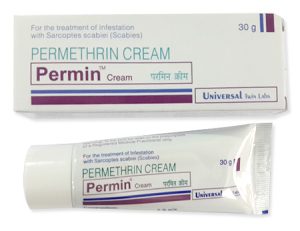
Acticin
from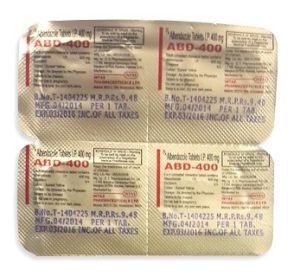
Albendazole
from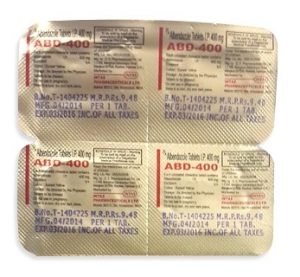
Albenza
from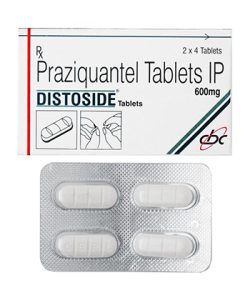
Biltricide
from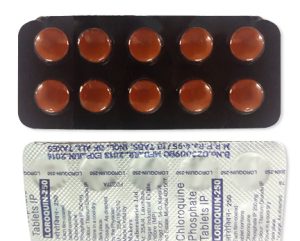
Chloroquine
from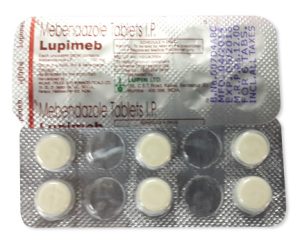
Mebendazole
from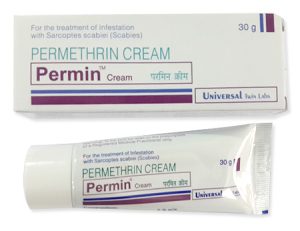
Permethrin
from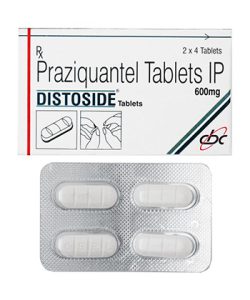
Praziquantel
from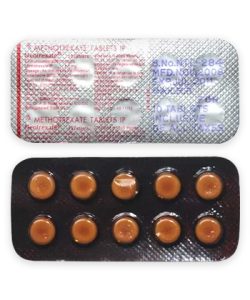
Rheumatrex
from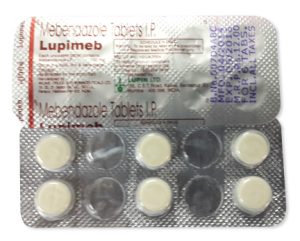
Vermox
fromUnderstanding Parasitic Infections
Parasitic infections are diseases caused by parasites that live in or on the human body and feed off the host. These infections are common worldwide and can affect people of all ages. Parasites enter the body through contaminated food, water, soil, or insect bites. Common types include protozoan parasites, helminths (worms), and ectoparasites. Symptoms vary depending on the parasite type but may include digestive issues, fatigue, skin rashes, and itching. Some parasitic infections are mild and go unnoticed, while others can become serious if left untreated. In the United States, parasitic infections are less common than in developing countries, but they still affect many people. Travelers, people with weakened immune systems, and those who handle animals are at higher risk. Early diagnosis and proper treatment are essential for preventing complications and spreading the infection to others.
Common Parasitic Infections Treated in the US
Intestinal Parasites
Intestinal parasites are among the most common parasitic infections in the United States. These include roundworms, hookworms, and tapeworms that live in the digestive tract. Symptoms often include abdominal pain, diarrhea, nausea, and weight loss. Children are particularly susceptible to intestinal worm infections. These parasites spread through contaminated food, water, or contact with infected feces. Laboratory tests can identify the specific parasite for proper treatment selection.
Protozoan Infections
Protozoan parasites are single-celled organisms that cause infections like giardiasis and cryptosporidiosis. These infections commonly result from drinking contaminated water or poor hygiene practices. Giardia symptoms include severe diarrhea, gas, and abdominal cramping. Cryptosporidium affects the small intestine and causes watery diarrhea. These infections can last for weeks or even months without treatment.
Skin Parasites
Scabies and lice are common skin parasitic infections. Scabies causes intense itching and a rash from mites burrowing under the skin. Head lice affects the scalp and spreads easily in schools and childcare settings. Body lice can transmit serious diseases. Skin parasites spread through direct contact with infected persons or contaminated clothing and bedding.
Popular Antiparasitic Medications Available in the US
Anthelmintic Medications
Antiparasitic medications for worm infections include mebendazole, albendazole, and pyrantel pamoate. Mebendazole is commonly used for roundworms, hookworms, and pinworms. Albendazole treats various worm infections and is effective against tissue parasites. Pyrantel pamoate is popular for pinworm infections in children and adults. These medications work by paralyzing or killing the worms, allowing the body to expel them naturally. Most antihelmintics require single or short-term dosing, making them convenient for patients.
Antiprotozoal Medications
For protozoan infections, metronidazole is a first-line treatment for giardiasis and trichomoniasis. Tinidazole offers an alternative to metronidazole with similar effectiveness. Atovaquone-proguanil treats malaria and certain protozoan infections. Nitazoxanide is effective against giardia and cryptosporidium. These medications require specific dosing schedules and should be taken with food when recommended.
Topical and Systemic Treatments
For skin parasites, permethrin cream is the standard treatment for scabies. Lindane lotion serves as an alternative, though permethrin is preferred. Antiparasitic shampoos containing pyrethrin or permethrin treat head lice. Oral medications like ivermectin provide systemic treatment for certain parasitic infections. Combination treatments often work better than single-agent therapy for some parasites.
Uses and Benefits of Antiparasitic Medications
Antiparasitic medications eliminate parasitic infections and prevent serious health complications. These drugs restore normal digestive function by removing intestinal parasites. Treatment reduces symptoms like abdominal pain, diarrhea, and malnutrition caused by parasites competing for nutrients. Antiparasitic drugs prevent anemia that often results from hookworm infections. These medications also improve overall health and energy levels in infected individuals. Treating parasitic infections reduces the risk of transmitting infections to family members and the community. Children benefit greatly from antiparasitic treatment through improved growth and school performance. For travelers, using appropriate antiparasitic medications and preventive measures reduces infection risk in endemic areas. Some medications work quickly, providing relief within days. Others require longer treatment periods but offer broader parasite coverage.
Prevention and When to Use Antiparasitic Treatments
Prevention Strategies
Preventing parasitic infections starts with proper hygiene practices including regular handwashing with soap and water. Cooking meat to proper temperatures kills parasites in food. Drinking clean, filtered water reduces the risk of waterborne parasites. Avoiding barefoot contact with contaminated soil prevents hookworm infections. Regular cleaning of pet areas and practicing pet hygiene reduces transmission from animals. When traveling to endemic areas, taking preventive antiparasitic medications may be recommended. Proper food handling and storage prevent parasitic contamination.
Key prevention measures include:
- Wash hands thoroughly with soap and water, especially before eating and after using the bathroom
- Cook all meat to safe internal temperatures to eliminate parasites
- Drink filtered or boiled water, especially when traveling
- Avoid walking barefoot in areas with potential soil contamination
- Maintain proper hygiene when handling pets and their living areas
- Practice safe food storage and handling techniques
- Consult your doctor about preventive medications before traveling to high-risk areas
When to Seek Treatment
Consult a healthcare provider if you experience persistent diarrhea, abdominal pain, or unexplained weight loss. Visible worms in stool or vomit require immediate medical attention. Severe itching or unexplained skin rashes warrant professional evaluation. Travelers returning from tropical regions should discuss potential parasite exposure with their doctor. If family members have parasitic infections, all household members may need screening and treatment. Children with developmental delays or poor growth should be screened for parasitic infections. Blood tests and stool samples help confirm parasitic infections before starting treatment.
Important Information About Using Antiparasitic Medications
Antiparasitic medications should only be used as prescribed by healthcare providers. Different parasites require specific medications and dosing schedules for effective treatment. Some antiparasitic drugs may cause side effects including nausea, dizziness, or headache. Certain medications are not safe during pregnancy, so inform your doctor if you are pregnant or breastfeeding. Taking antiparasitic medications with food may improve tolerance and absorption. Complete the full course of treatment even if symptoms disappear to ensure complete parasite elimination. Avoid alcohol consumption during treatment with metronidazole and similar medications. After treatment, follow-up testing may be necessary to confirm parasites are eliminated. Store antiparasitic medications in cool, dry places away from children. Keep medication in original containers with clear labeling and expiration dates. Discuss any existing medical conditions or current medications with your pharmacist before starting antiparasitic treatment.