Albenza
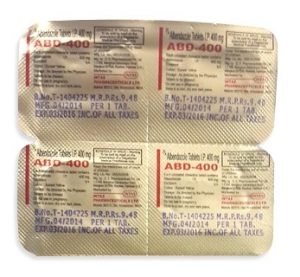
In brief
- Albenza (albendazole) can be purchased in some pharmacies and online pharmacies, and it is prescription-only in most jurisdictions. Availability may vary by country, but in some places it may be possible to buy it without a prescription.
- Albenza is used to treat parasitic worm infections such as neurocysticercosis, hydatid disease, and other helminth infections. It works by inhibiting the parasite’s ability to absorb glucose, which depletes its energy stores and leads to its death.
- The usual dose depends on the infection: for many common helminth infections, 400 mg as a single dose; for neurocysticercosis, 15 mg/kg/day in 2 divided doses; for hydatid disease, 400 mg twice daily, often in repeated 28-day cycles.
- The form of administration is an oral tablet, usually 200 mg; chewable tablets and oral suspension may also be available in some markets.
- Albendazole starts working within hours after a dose, but symptom improvement may take days to weeks depending on the type and severity of the infection.
- The duration of action is generally several hours, while treatment duration ranges from a single dose to 1–3 days for common infections, or multiple 28-day cycles for hydatid disease and 8–30 days for neurocysticercosis.
- Alcohol is best avoided during treatment, especially if you have liver concerns, because albendazole can affect liver enzymes and alcohol may increase the risk of liver irritation.
- The most common side effects are nausea, vomiting, abdominal pain, headache, dizziness, and elevated liver enzymes.
- Would you like to try Albenza without a prescription?
Basic Albenza Information
- INN (International Nonproprietary Name): Albendazole
- Brand names available in United States: Albenza; other generics may also exist
- ATC Code: P02CA03
- Forms & dosages: 200 mg oral tablets; select chewable tablets; oral suspension 400 mg/10 mL
- Manufacturers in United States: Amedra Pharmaceuticals; Actavis; other global generics may be available
- Registration status in United States: FDA-approved; prescription-only
- OTC / Rx classification: Prescription (Rx) only in virtually all jurisdictions
Taking albenza the right way starts with one simple rule: follow the exact schedule on the prescription label.
Albendazole is a prescription-only anthelmintic, and in the U.S. and Canada it is sold as Albenza 200 mg oral tablets.
Many courses are short, but some infections need repeated cycles, so timing matters more than a “perfect” clock time.
A same-time-daily routine helps treatment adherence, especially when a dose must be repeated later in the week or month.
A patient juggling work, school pickup, or travel usually does better when the dose is tied to a regular habit, like breakfast or an evening alarm.
Everyday Use & Best Practices
Morning Vs Evening Dosing
Wondering whether albenza belongs in the morning or at night?
The answer is usually whichever time helps you take albendazole exactly as prescribed.
Some regimens last only a day or a few days, while others continue for multiple days or move in cycles, so consistency matters more than the hour on the clock.
- Pick one daily time and keep it steady.
- Set a phone alarm for each dose.
- Mark every dose on a calendar or medication app.
- Keep the tablet bottle in one visible place, away from heat and moisture.
- Check off each dose right after taking it so nothing gets repeated by mistake.
This kind of dosing routine is especially helpful when treatment adherence is already hard because the course is short and easy to overlook.
Taking With Or Without Meals
Food timing may depend on the prescriber’s instructions and the infection being treated.
In everyday use, taking the albendazole tablet with food is often easier to remember and may help with stomach upset.
For people working long shifts, traveling between time zones, or giving medicine to a child, the goal is a simple routine that can be repeated without confusion.
- For commuters, keep the dose linked to a regular meal at home.
- For travelers, carry the prescribed number of tablets in the original container.
- For parents, pair the dose with a daily family habit such as dinner or bedtime hygiene.
- For caregivers, write down the exact day and time each dose was given.
Mini checklist for missed-dose prevention:
- Use one reminder only, then back it up with a second alert if needed.
- Do not guess whether a dose was taken; check the log.
- Ask the pharmacy to review the label if the schedule looks unusual.
Safety Priorities
Who Should Avoid It
Safety comes first with albenza, especially for patients who are pregnant or have liver disease.
Absolute contraindications include pregnancy in the first trimester and severe active liver dysfunction.
Known hypersensitivity to albendazole or its excipients is another clear reason to avoid treatment.
People with pre-existing liver impairment, blood count problems, retinal lesions, breastfeeding needs, or advanced neurocysticercosis often need careful medical oversight before starting albendazole.
Activities To Limit
Dizziness and headache can make driving, schoolwork, or safety-sensitive jobs more difficult.
If neurocysticercosis symptoms worsen, risky activities should be paused until a clinician says it is safe to resume.
| Avoid | Use Caution | Call The Doctor |
|---|---|---|
| Driving if dizzy or headachy | School or work tasks that need full focus | Rash, jaundice, unusual bruising, severe abdominal pain |
| Risky physical activity during worsening neurologic symptoms | Operating machinery until side effects settle | Persistent vomiting or worsening headache |
Common side effects include nausea, vomiting, abdominal pain, dizziness, headache, elevated liver enzymes, and rash.
Dosage & Adjustments
General Regimen
Albendazole dosing is based on the infection being treated, not on a one-size-fits-all plan.
For neurocysticercosis, the usual adult regimen is 15 mg/kg/day in two divided doses, with a maximum of 800 mg/day.
For cystic hydatid disease, the typical adult regimen is 400 mg twice daily, often in multiple 28-day cycles separated by 14 drug-free days.
For some other helminth infections, the regimen may be 400 mg once or follow local guideline dosing.
| Condition | Typical Adult Dose | Usual Duration |
|---|---|---|
| Neurocysticercosis | 15 mg/kg/day in 2 divided doses, max 800 mg/day | 8-30 days |
| Cystic hydatid disease | 400 mg twice daily | Multiple 28-day cycles with 14 drug-free days |
| Other helminthiasis | Typically 400 mg once, or per guideline | 1-3 days |
Special Cases
Children are usually dosed by body weight, and children under 2 years need extra caution and specialist input.
Older adults usually do not need a routine dose change, but hepatic and hematologic monitoring may still be appropriate.
Data for renal impairment are limited, so clinicians generally monitor the patient rather than rely on a fixed adjustment.
- Body-weight dosing is standard in children.
- Watch closely in children under 2 years.
- No routine dose change is listed for older adults.
- Use caution in liver impairment and monitor liver tests when indicated.
- Keep clinical follow-up in place for prolonged regimens.
User Testimonials
Positive Reports
- Some patients say the short course of albenza feels manageable compared with longer treatments.
- Families often like the simplicity of a clear dose plan for neurocysticercosis or hydatid disease.
- People who follow the schedule closely often report feeling more confident about finishing treatment.
Common Challenges
- Stomach upset can make the first doses unpleasant.
- Repeat cycles are easy to forget when symptoms improve.
- Some patients are unsure whether albendazole should be taken with food.
- Children may resist tablets and need a suspension form where available.
These comments are anecdotal, but they reflect the day-to-day issues pharmacists hear most often with Albbenza 200 mg tablets.
Buying Guide
Pharmacy Sources
In the United States, Albenza is Rx only, so a licensed pharmacy should dispense it against a valid prescription.
Amedra Pharmaceuticals is the U.S. brand source, and generics may also be available depending on the market.
Our online pharmacy offers albenza without a prescription, with discreet delivery to United States in 5-14 days.
Price Comparison
When comparing options, look at cash price, insurance coverage, and the exact dosage form your prescriber ordered.
Some pharmacies stock only 200 mg tablets, while others may also carry another formulation, so the quantity should match the treatment cycle.
| Option | What To Compare | Why It Matters |
|---|---|---|
| Brand vs generic | Price and availability | Costs can vary widely |
| Tablet vs suspension | Form and convenience | Children may need easier dosing |
| Insurance vs cash | Total out-of-pocket cost | Coverage can change final price |
What’s Inside & How It Works
Ingredients Overview
The active ingredient in Albenza is albendazole, the INN for this medicine.
Albendazole is a benzimidazole derivative and belongs to the anthelmintic class, ATC code P02CA03.
Inactive ingredients can vary by manufacturer and local market, so the exact tablet feel may differ between brands like Albenza, Eskazole, Zentel, and Albendazolum.
Mechanism Basics
Albendazole helps stop parasitic worms from surviving and reproducing by disrupting their internal structure and energy processes.
That makes it useful for helminths, not for viruses or bacteria.
| What It Is | What It Does |
|---|---|
| Benzimidazole derivative | Targets parasitic worms |
| Anthelmintic medication | Disrupts parasite survival and reproduction |
Main Indications
Approved Uses
Albenza is used for parasitic infections such as neurocysticercosis, cystic hydatid disease, and several soil-transmitted helminthiases.
Approved use varies by region and by the exact diagnosis, so the label and local guidance still matter.
| Condition | Typical Regimen | Treatment Length |
|---|---|---|
| Neurocysticercosis | 15 mg/kg/day in 2 divided doses | 8-30 days |
| Cystic hydatid disease | 400 mg twice daily | Three 28-day cycles with 14 drug-free days |
| Other helminthiasis | Typically 400 mg once | 1-3 days |
Off-Label Uses
Any off-label use should happen only under medical supervision.
Parasite type, age, pregnancy status, and local guideline differences can all change the right treatment choice.
Some cases require combination therapy or repeat cycles, especially when the infection is hard to clear or the response is slow.
Interaction Warnings
Food Interactions
Food can affect tolerability, and in some regimens absorption considerations may matter.
Patients should follow the label or prescriber instructions rather than changing meal timing on their own.
Drug Conflicts
Tell the clinician about every prescription, OTC product, and supplement before starting albendazole.
Caution is especially important when other medicines may stress the liver or complicate blood monitoring, since prolonged treatment can require LFTs and blood counts when indicated.
- Tell your doctor if you take other liver-stressing medicines.
- Tell your doctor if you have a history of blood count problems.
- Tell your doctor if you are pregnant or breastfeeding.
- Tell your doctor if you take vitamins, herbals, or OTC pain relievers regularly.
Latest Evidence & Insights
What Current Guidance Emphasizes
Current guidance still centers on diagnosis first, then condition-specific dosing and follow-up.
Modern references continue to support albendazole for several helminth infections, especially where targeted therapy or programmatic deworming is needed.
Monitoring And Follow-Up
- Check liver tests during prolonged treatment when clinically indicated.
- Monitor blood counts when the course is extended or risk is higher.
- Watch for rare but serious problems such as hepatotoxicity and pancytopenia.
- Keep follow-up visits if symptoms are worsening or not improving.
Albenza is FDA-approved and prescription-only in the United States, with equivalent albendazole products also approved in EMA markets.
Alternative Choices
When Alternatives May Be Used
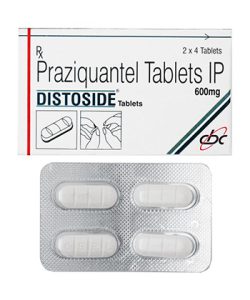
Depending on the parasite, clinicians may choose mebendazole, ivermectin, praziquantel, or niclosamide instead of albendazole.
The best choice depends on the worm involved, the patient’s age, pregnancy status, and what is available locally.
How They Differ
| Medicine | Common Use | Key Difference |
|---|---|---|
| Mebendazole | Some helminth infections | Another benzimidazole option |
| Ivermectin | Specific parasitic infections | Different spectrum of activity |
| Praziquantel | Tapeworms | Often chosen for certain cestodes |
| Niclosamide | Tapeworms | Parasite-specific alternative |
Regulation Snapshot
U.S. And International Status
Albenza is FDA-approved and prescription-only in the United States.
Albendazole products are also approved in the EMA system, and albendazol is listed in some national registries such as ANMDMR.
Packaging By Country
| Country | Brand | Common Packaging |
|---|---|---|
| United States | Albenza | 200 mg oral tablets |
| Canada | Albenza | 200 mg oral tablets |
| United Kingdom | Zentel | 200 mg tablets or oral suspension 400 mg/10 mL |
| European Union | Eskazole | 200 mg tablets |
| Eastern Europe | Albendazolum | 200 mg tablets |
FAQ Section
Common Patient Questions
- What if I miss a dose? Take it as soon as possible unless it is close to the next dose, and do not double up.
- Can I take it with food? Follow the prescriber’s instructions; food is often easier on the stomach.
- How long does treatment last? It depends on the infection, ranging from one dose to several weeks or cycles.
- Is it safe in pregnancy? It is contraindicated in the first trimester and needs expert review later in pregnancy.
When To Call The Doctor
Get medical help for severe abdominal pain, jaundice, persistent vomiting, rash, swelling, worsening headache, or neurologic changes.
For an overdose, seek immediate medical attention; there is no specific antidote.
Guidelines For Proper Use
Storage, Transport, And Handling
Store albenza at room temperature, between 20-25°C / 68-77°F, and keep it protected from moisture and light.
Use the original tightly closed container when transporting the medication.
Practical Use Checklist
- Verify the prescription details before starting treatment.
- Track the full regimen length, especially if repeated cycles are required.
- Mark refill dates if the treatment plan includes more than one cycle.
- Keep follow-up appointments for labs when prescribed.
- Do not share the medicine with anyone else.
- Keep the tablets out of reach of children.
- Use the correct form, whether tablet or oral suspension, as directed.
Delivery Across United States
| City | Region | Delivery time |
|---|---|---|
| New York | Northeast | 5-7 days |
| Los Angeles | West | 5-7 days |
| Chicago | Midwest | 5-7 days |
| Houston | South | 5-7 days |
| Phoenix | West | 5-7 days |
| Philadelphia | Northeast | 5-7 days |
| San Antonio | South | 5-9 days |
| San Diego | West | 5-9 days |
| Dallas | South | 5-9 days |
| San Jose | West | 5-9 days |
| Austin | South | 5-9 days |
| Jacksonville | South | 5-9 days |
| Fort Worth | South | 5-9 days |
| Columbus | Midwest | 5-9 days |
| Charlotte | South | 5-9 days |