Azulfidine
In brief
- Azulfidine (sulfasalazine) is available at pharmacies in the US, Canada, EU and many other countries under brand and generic names (Azulfidine, Azulfidine EN-tabs, Salazopyrin, etc.); it is prescription-only (Rx) in major markets—you must usually present a prescription from a licensed clinician.
- Azulfidine is used to treat ulcerative colitis, rheumatoid arthritis (RA) and juvenile idiopathic arthritis (JIA/JRA). It is metabolized in the gut to 5-aminosalicylic acid (5-ASA) which has local intestinal anti-inflammatory effects and sulfapyridine which provides systemic immunomodulatory action in rheumatic disease.
- Typical dosing: for ulcerative colitis adults 1–2 g/day initially, maintenance commonly 2 g/day (severe up to 4 g/day); for rheumatoid arthritis start ~0.5 g/day and titrate to ~2 g/day (max ~3 g/day); for children with JRA 30–50 mg/kg/day (up to ~2 g/day), with gradual titration.
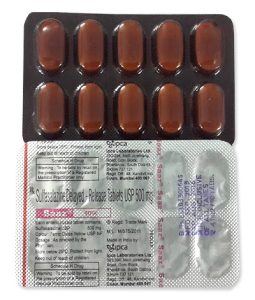
- Oral administration as 500 mg tablets: immediate‑release tablets and delayed‑release enteric‑coated EN‑tabs; take with food and a full glass of water, split total daily dose into 2–4 doses to improve GI tolerance.
- Onset: improvement in ulcerative colitis may be seen in about 3–6 weeks; for rheumatoid arthritis and JRA therapeutic onset is slower, often 6–12 weeks.
- Duration of action: effects are maintained with continuous daily dosing—used for induction and long‑term maintenance (months to years) to prevent relapse; clinical benefit persists while therapy is continued.
- Alcohol warning: avoid excessive alcohol and use caution—alcohol may increase risk of liver injury and worsen gastrointestinal side effects; consult your clinician before drinking alcohol while on azulfidine.
- The most common side effect is nausea.
- Would you like to try azulfidine without a prescription?
Basic Azulfidine Information
- INN (International Nonproprietary Name): Sulfasalazine
- Brand Names Available In United States: Azulfidine; Azulfidine EN-tabs (delayed-release)
- ATC Code: A07EC01
- Forms & Dosages: Immediate-release tablets 500 mg for UC and pediatric use ≥6 years; Delayed-release EN-tabs 500 mg often used for RA/JRA with better GI tolerability.
- Manufacturers In United States: Pfizer is the main Azulfidine producer; generics are available from multiple manufacturers and suppliers.
- Registration Status In United States: US FDA approved for ulcerative colitis and rheumatoid arthritis; prescription-only.
- OTC / Rx Classification: Prescription Only (Rx) in major markets.
Morning Vs Evening Dosing
Which schedule fits your day and reduces stomach upset?
Take the total daily dose split into two to four smaller doses to reduce gastrointestinal side effects.
For many people a twice-daily schedule is the simplest and most practical to follow.
Example schedules: 500 mg at breakfast and 500 mg at dinner, adjusted to your prescribed daily total.
Ulcerative colitis maintenance is commonly around 2 g per day, split across doses according to your prescriber.
If your prescriber chooses Azulfidine EN-tabs (the delayed-release enteric-coated form), timing around meals may be more flexible while still keeping consistent times each day.
Keeping a simple medication checklist helps avoid missed doses and supports steady drug levels.
- Daily Schedule Example A: 500 mg morning, 500 mg evening (total 1 g/day) for a light schedule.
- Daily Schedule Example B: 1 g morning, 1 g evening (total 2 g/day) common for UC maintenance.
- Daily Schedule Example C: 500 mg three times per day for personalized titration as advised by your clinician.
Use a pillbox or phone alarms to track the split doses and to keep timing consistent.
Taking With Or Without Meals
Will food help your stomach tolerate azulfidine?
Always take sulfasalazine with food and a full glass of water to improve gastrointestinal tolerance and absorption.
If nausea occurs, try taking the dose with a smaller meal or splitting doses into additional times per day.
Immediate-release Azulfidine tablets and delayed-release EN-tabs both benefit from being taken with food, and EN-tabs are often associated with fewer GI complaints.
- Tip: Put morning doses by the coffee maker and evening doses by the dinner plate in your pillbox setup.
- Tip: If you are using a weekly pillbox, fill it on the same day each week to reduce errors.
- Tip: Set two daily phone alarms labeled “Azulfidine AM” and “Azulfidine PM” for consistency.
Who Should Avoid It
Could azulfidine be unsafe for you?
Absolute contraindications include a known allergy to sulfonamides or salicylates, porphyria, intestinal or urinary obstruction, and infants under two years.
Patients with G6PD deficiency, significant liver or kidney impairment, blood dyscrasias, severe asthma or allergy histories, and older adults require caution and closer monitoring.
If any of these apply to you, discuss safer alternatives with your clinician before starting therapy.
- Checklist: Known sulfonamide or salicylate allergy.
- Checklist: Porphyria or current intestinal/urinary obstruction.
- Checklist: Infant younger than 2 years.
Activities To Limit
What activities should you modify while taking azulfidine?
Sulfasalazine can cause dizziness and headaches, so avoid driving or operating heavy machinery until you know how it affects you.
Because photosensitivity and skin rashes can occur, practice sun protection including sunscreen and covering exposed skin on bright days.
Avoid starting other medications that can affect blood counts or liver function without medical review because sulfasalazine may cause hematologic changes.
| Activity | Recommendation |
|---|---|
| Driving/Heavy Machinery | Avoid until you know if dizziness or headaches occur. |
| Prolonged Sun Exposure | Use sun protection to reduce photosensitivity risk. |
| Starting New Blood-Affecting Drugs | Coordinate with prescribers and pharmacists before adding medications. |
General Regimen
How is azulfidine typically dosed across conditions?
Standard dosing depends on the condition being treated and is given in divided doses throughout the day.
For ulcerative colitis in adults the initial dose is commonly 1–2 g per day in divided doses, with maintenance often around 2 g per day and severe disease up to 4 g per day.
For rheumatoid arthritis adults tend to start at about 0.5 g per day and titrate toward around 2 g per day, with a typical maximum near 3 g per day.
Tablets commonly come as 500 mg each, and both immediate-release Azulfidine and delayed-release Azulfidine EN-tabs are available in 500 mg strengths.
| Indication | Initial Dose | Usual Maintenance | Max Dose |
|---|---|---|---|
| Ulcerative Colitis (Adults) | 1–2 g/day divided | 2 g/day | 4 g/day |
| Rheumatoid Arthritis (Adults) | 0.5 g/day initially, titrate | ~2 g/day in 2–4 doses | 3 g/day |
| Juvenile RA (Children ≥6 yrs) | 30–50 mg/kg/day divided | Up to 2 g/day | Not specified |
- Titration Checklist: Start low, increase slowly as tolerated per prescriber instructions.
- Titration Checklist: Reassess symptoms and labs at scheduled intervals during up-titration.
Special Cases
Do children, elderly, or patients with organ impairment need special handling?
Children aged six and older receive weight-based dosing generally in the range of 30–50 mg per kg per day with slow uptitration under supervision.
Elderly patients should start at the lower end of dosing ranges and be monitored closely for side effects and tolerability.
Patients with renal or hepatic impairment often require dose reductions or avoidance and should have more frequent laboratory monitoring.
Early monitoring is usually scheduled at roughly 8–12 week intervals after starting therapy to check blood counts and organ function.
Positive Reports
What have other patients experienced with Azulfidine?
Many patients report meaningful symptom control for ulcerative colitis and rheumatoid arthritis after weeks to months of treatment.
Ulcerative colitis induction responses are commonly seen within about 3–6 weeks, while rheumatoid arthritis and juvenile idiopathic arthritis improvements may take 6–12 weeks.
Delayed-release EN-tabs are often praised for producing fewer gastrointestinal complaints compared with immediate-release formulations.
- Patient Tip: Use a pillbox and take doses with meals to reduce nausea.
- Patient Tip: Keep a symptom diary for the first 8–12 weeks to show your prescriber progress.
- Patient Tip: Report any unusual bruising, persistent fever, or yellowing of the skin promptly.
Common Challenges
What problems do patients commonly run into and when should they seek help?
Common early complaints include transient nausea, headaches, rashes, and the distinctive yellow-orange urine or skin tint, which is usually harmless and reversible.
Some patients initially find the drug intolerable but improve after dose adjustments or switching to EN-tabs.
A small minority stop therapy due to hematologic or liver abnormalities detected on routine testing, which is why regular lab monitoring is important.
- Top Tip: If urine turns yellow-orange, it is usually harmless and reversible while on therapy.
- Top Tip: Do not stop medication without speaking to your clinician if you notice mild side effects; many are manageable.
- Checklist: Call your clinician if you develop persistent fever, sore throat, jaundice, severe rash, or unexplained bruising.
Pharmacy Sources
Where can patients obtain Azulfidine or its generics?
Azulfidine and Azulfidine EN-tabs are prescription-only in major markets and are typically dispensed through retail and mail-order pharmacies in the United States.
Pfizer is a common manufacturer for Azulfidine in the US, Canada, and the EU, while generics and other suppliers are available from multiple manufacturers worldwide.
For treatment continuity ask your pharmacist whether substitution to a generic or to EN-tabs is appropriate for your prescription.
In our online pharmacy, azulfidine is available without a prescription, with discreet delivery to United States in 5-14 days.
Price Comparison
How do brand and generic prices compare and what can reduce costs?
Brand Azulfidine typically costs more than generic sulfasalazine formulations.
Check your insurance formulary and preferred pharmacy for the best covered price, and consider mail-order or 90-day fills to lower the per-pill cost.
If cost is a barrier, discuss therapeutic alternatives such as mesalazine for inflammatory bowel disease or manufacturer patient assistance programs with your prescriber.
| Product | Typical Cost Pattern | Notes |
|---|---|---|
| Azulfidine (Brand) | Higher | Often more expensive than generics; check insurance coverage. |
| Sulfasalazine (Generic) | Lower | Cost savings with equivalent active ingredient; verify excipients if allergies are a concern. |
- Insurance Checklist: Verify formulary tier, prior authorization needs, and preferred pharmacy network.
- Discount Tip: Ask about 90-day supplies through mail-order to reduce refill frequency and cost.
Ingredients Overview
What exactly is inside each tablet?
The active ingredient is sulfasalazine (INN) in both immediate-release 500 mg tablets and delayed-release 500 mg EN-tabs.
Inactive ingredients vary by manufacturer, so check the product leaflet if you have excipient sensitivities or allergy concerns.
Mechanism Basics
How does sulfasalazine work in simple terms?
Sulfasalazine belongs to ATC class A07EC01 and acts as an intestinal anti-inflammatory agent with immunomodulatory activity useful in rheumatoid conditions.
In the gut it is metabolized by bacteria into sulfapyridine and 5-aminosalicylic acid (5-ASA), with 5-ASA providing local anti-inflammatory effects for ulcerative colitis.
For rheumatoid arthritis the systemic immunomodulatory effects develop more slowly and contribute to reduced disease activity over weeks.
| Ingredient | Metabolite | Effect |
|---|---|---|
| Sulfasalazine (Active) | Sulfapyridine | Systemic effects relevant to RA |
| 5-ASA (Mesalazine) | Local anti-inflammatory action in the colon for UC |
- Plain Summary: Sulfasalazine is converted in the bowel to compounds that reduce local inflammation and alter immune activity.
Approved Uses
What conditions is azulfidine officially approved to treat?
In the United States the FDA has approved sulfasalazine for ulcerative colitis and rheumatoid arthritis, and the EMA also includes juvenile idiopathic arthritis among approvals.
Sulfasalazine is commonly used for induction and maintenance of ulcerative colitis and as a disease-modifying agent for rheumatoid arthritis and juvenile idiopathic arthritis with treatment benefits unfolding over weeks to months.
Off-Label Uses
Are there situations where clinicians sometimes use sulfasalazine off-label?
Clinicians sometimes prescribe sulfasalazine for other inflammatory conditions such as certain spondyloarthropathies or dermatologic inflammatory disorders when the potential benefits outweigh the risks.
Any off-label use should include a clear monitoring plan and informed discussion with the prescriber.
| Use | Approved Or Off-Label | Monitoring Differences |
|---|---|---|
| Ulcerative Colitis | Approved | Routine CBC, LFTs, renal monitoring; induction 3–6 weeks |
| Rheumatoid Arthritis / JIA | Approved | CBC, LFTs at baseline and periodically; response 6–12 weeks |
| Selected Spondyloarthropathies | Off-Label | Individualized monitoring plan depending on co-therapies |
Food Interactions
Do foods change how azulfidine works?
No major food-drug interactions are common, but taking the medication with food and a full glass of water reduces GI upset and improves tolerability.
Abrupt high-dose vitamin C or other supplements should be avoided only if advised by your clinician.
Drug Conflicts
Which medications can interact with sulfasalazine?
Sulfasalazine can interact with drugs that affect blood counts or liver function, and methotrexate in particular can increase hematologic risk when combined with sulfasalazine.
Sulfasalazine may reduce folate levels and can interact with other sulfonamide-sensitive drugs or drugs cleared via the kidney, especially in renal impairment.
- Checklist: Disclose current medications including methotrexate, folate supplements, and any over-the-counter drugs to your clinician and pharmacist.
Clinical Effectiveness Highlights
What does recent evidence say about sulfasalazine?
Contemporary clinical summaries reaffirm sulfasalazine as an established and cost-effective option for ulcerative colitis maintenance and as a conventional disease-modifying anti-rheumatic drug for RA and JIA.
Onset of benefit differs by indication: UC induction often shows benefit in 3–6 weeks; RA and JIA commonly need 6–12 weeks to demonstrate clinically meaningful improvement.
Delayed-release EN-tabs have been associated with improved gastrointestinal tolerability in comparative observations.
Monitoring And Safety Trends
What monitoring schedule keeps treatment safe?
Baseline and periodic complete blood counts, liver function tests, and renal panels are standard before and during therapy.
Early follow-up labs at about 8–12 weeks after starting therapy are commonly recommended, with continued monitoring guided by results and patient risk factors.
| Test | Baseline | Early Follow-Up | Ongoing |
|---|---|---|---|
| CBC | Yes | 8–12 weeks | Periodic per clinician based on risk |
| Liver Function Tests | Yes | 8–12 weeks | Periodic per clinician based on risk |
| Renal Panel | Yes | 8–12 weeks | Periodic per clinician based on renal function |
- Red Flag Checklist: Fever, sore throat, jaundice, severe rash, unexplained bruising or bleeding require prompt contact with your clinician.
For Ulcerative Colitis
What are reasonable alternatives if sulfasalazine is not suitable?
Mesalazine (5-ASA) agents such as Asacol or Pentasa are commonly used alternatives when sulfasalazine allergy or intolerance occurs.
Mesalazine formulations may pose fewer systemic allergy risks compared with sulfasalazine and can be discussed with your GI specialist.
For Rheumatoid Arthritis
What other DMARDs are considered if sulfasalazine is not right for a patient?
Other conventional DMARDs include methotrexate, leflunomide, and hydroxychloroquine, either as alternatives or adjuncts depending on disease severity and patient factors.
| Drug Class | Pros | Cons |
|---|---|---|
| Mesalazine (5-ASA) | Fewer systemic allergy risks for IBD | May not have the systemic immunomodulatory effects needed for RA |
| Methotrexate | Highly effective DMARD for RA | Requires strict monitoring, folate supplementation |
| Hydroxychloroquine | Well-tolerated for some patients | Potential ocular toxicity; monitoring required |
- Decision Checklist: Discuss disease severity, monitoring capability, pregnancy plans, and comorbidities with your provider when choosing therapy.
Approval & Prescription Status
Is azulfidine regulated and prescription-only?
Azulfidine (sulfasalazine) is prescription-only across major markets with US FDA approval for ulcerative colitis and rheumatoid arthritis.
European regulators also include juvenile idiopathic arthritis among approved indications and list the product as prescription-only.
Brand & Generic Landscape
What brands and generics are available globally and locally?
Pfizer is a primary manufacturer for Azulfidine in the US, Canada, and the EU, while generics are supplied by manufacturers from many countries including India, Turkey, and Romania.
| Country/Region | Brand Name | Form |
|---|---|---|
| US, Canada, EU | Azulfidine | 500 mg tablets immediate-release; EN-tabs delayed-release |
| Germany | Sulfasalazin, Sulfasalazin Heumann | 500 mg tablets |
| Other Territories | Salazopyrin, Salazopyrine | 500 mg tablets, occasional suspension |
- Verification Checklist: Always check packaging and leaflet to confirm brand, strength, and formulation when receiving a prescription.
Quick Answers Patients Ask
How fast will azulfidine start to work?
Ulcerative colitis often shows induction response in about 3–6 weeks while rheumatoid arthritis benefits often take 6–12 weeks to become apparent.
Can I drink alcohol while taking azulfidine?
Moderate alcohol intake is generally permitted, but avoid heavy drinking while liver function is being monitored.
Will it change my urine color?
Yes, sulfasalazine commonly causes yellow-orange urine and sometimes skin staining, which is usually harmless and reversible.
When To Call Your Clinician
Which symptoms require prompt medical attention?
Contact your clinician promptly for fever, sore throat, unexplained bruising or bleeding, jaundice, severe rash, or new severe abdominal pain.
These signs can indicate hematologic, hepatic, or severe hypersensitivity reactions that need urgent evaluation.
- Urgent Symptom Checklist: Persistent fever or sore throat.
- Urgent Symptom Checklist: Unusual bleeding, bruising, or yellowing of skin/eyes.
- Urgent Symptom Checklist: Widespread severe rash or breathing difficulty.
Daily Routines & Storage
How should you store and handle azulfidine at home?
Store at about 25°C (77°F) with permitted excursions between 15–30°C and keep the container tightly closed away from moisture and light.
Do not double a missed dose; take it as soon as you remember unless it is near the time of the next dose then skip the missed dose.
- Storage Tip: Keep pills in original packaging until use to preserve labeling and expiry information.
- Routine Tip: Use weekly pillboxes and alarms to improve adherence.
Follow-Up & Monitoring Plan
What labs and timelines should be on your checklist when starting therapy?
Baseline labs should include a complete blood count, liver function tests, and renal panel prior to initiating therapy.
Repeat testing at around 8–12 weeks after starting therapy and then adjust frequency based on results and individual risk factors.
| Action | Timing |
|---|---|
| Baseline CBC, LFTs, Renal Panel | Before starting |
| Early Follow-Up Labs | 8–12 weeks after initiation |
| Ongoing Monitoring | As directed by clinician based on results and risk |
Pregnancy planning requires discussion with your prescriber about risks, timing, and alternative therapies.
Delivery Across United States
| City | Region | Delivery time |
|---|---|---|
| New York | Northeast | 5-7 days |
| Los Angeles | West | 5-7 days |
| Chicago | Midwest | 5-7 days |
| Houston | South | 5-7 days |
| Phoenix | Southwest | 5-7 days |
| Philadelphia | Northeast | 5-7 days |
| San Antonio | South | 5-9 days |
| San Diego | West | 5-9 days |
| Dallas | South | 5-7 days |
| San Jose | West | 5-9 days |
| Austin | South | 5-9 days |
| Jacksonville | Southeast | 5-9 days |
| Columbus | Midwest | 5-9 days |
| Fort Worth | South | 5-9 days |
FAQ Printable
Can I stop azulfidine abruptly?
No, do not stop suddenly without consulting your clinician, especially if you are taking it for a chronic inflammatory condition.
How should missed doses be handled?
Take a missed dose as soon as you remember unless the next dose is near, and do not double up to make up missed doses.
What should I watch for on lab tests?
Watch for drops in blood counts, liver function changes, and any kidney function alterations as these can indicate significant side effects.
Closing Notes For Patients
Azulfidine (sulfasalazine) is an established option for ulcerative colitis, rheumatoid arthritis, and juvenile idiopathic arthritis with clear dosing strategies and monitoring plans.
Discuss formulation choice, dosing schedule, and monitoring frequency with your clinician to match therapy to your needs and risks.
If cost or access is a concern, ask your pharmacist about generic options, 90-day supplies, and patient assistance programs.
Keep lines of communication open with your care team and report any red-flag symptoms promptly to stay safe while benefiting from treatment.