Betamethasone
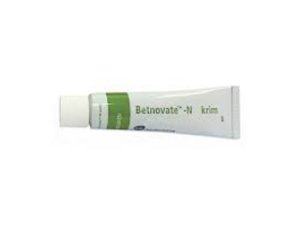
In brief
- Betamethasone is available in pharmacies and via online suppliers; it is classified as prescription-only in most countries (FDA/EMA), but in some local pharmacies or online vendors it may be possible to obtain it without a receipt or prescription.
- Betamethasone is used to treat inflammatory and allergic conditions (eczema, psoriasis, asthma exacerbations, rheumatic diseases, certain autoimmune and hematologic disorders) and to accelerate fetal lung maturation; it is a long‑acting glucocorticoid that binds glucocorticoid receptors to modify gene transcription, producing anti‑inflammatory and immunosuppressive effects.
- Usual dosages vary by indication: oral systemic doses commonly 0.5–5 mg daily (or divided); antenatal course two IM doses of 12 mg 24 hours apart; topical use thin layer 1–2 times daily (0.05–0.1% common strengths); injectable doses for exacerbations often 4–8 mg IV/IM; enemas 5–8 mg—dosing must be individualized.
- Forms of administration include oral tablets, injectable IM/IV suspensions or ampoules, topical creams/ointments/lotions/foams, nasal or ophthalmic preparations, and rectal enemas.
- Onset of effect depends on route: injectable systemic effects often begin within 1–2 hours, oral effects within a few hours, topical anti‑inflammatory effects typically within 24–48 hours, and antenatal lung‑maturation effects begin within 24 hours with maximal benefit by 48 hours.
- Duration of action is relatively long for a glucocorticoid—systemic effects may persist 24–72 hours after a dose; topical effects last as long as the drug is applied (often once‑daily dosing for many formulations); clinical duration depends on dose and formulation.
- Avoid heavy alcohol use while on corticosteroids; alcohol can worsen gastrointestinal irritation, increase risk of gastric bleeding, and complicate blood‑glucose control in people on systemic steroids.
- The most common side effect is increased appetite (systemic); topical use most commonly causes local effects such as skin thinning or irritation.
- Would you like to try betamethasone without a prescription?
Basic Betamethasone Information
- INN (International Nonproprietary Name): Betamethasone
- Brand Names Available In United States: Celestone, Celestone Soluspan, Celestone Phosphate, Selestoject, Cell-U-Jec, Diprolene, Betaderm, Diprosone, Betnovate, Sernivo
- ATC Code: H02AB01
- Forms & Dosages: Tablets 0.5 mg, 1 mg, 4 mg, 5 mg; Injectable 4 mg/mL, 6 mg/mL, 7 mg/mL; Creams/Ointments 0.05%, 0.1%, 0.12%; Lotions/Foams 0.05%, 0.12%; Enema 5 mg, 8 mg; Nasal/Ophthalmic 0.1%, 0.2%
- Manufacturers In United States: Marketed in the US by various brands including Merck (Celestone) and repackagers; global manufacturers include Symbiotec Pharmalab, Axplora, LGM Pharma, TAPI, Human Pharmalabs
- Registration Status In United States: FDA-approved for multiple routes and indications; prescription-only (Rx)
- OTC / Rx Classification: Prescription only (Rx)
Everyday Use & Best Practices
Morning Vs Evening Dosing
Are you worried about sleep problems or missing doses when starting betamethasone?
Follow your prescriber’s schedule exactly because betamethasone is prescription-only and dosing differs by indication.
For short systemic courses used for severe inflammation, many clinicians prefer a once-daily morning dose to mimic the body’s natural cortisol rhythm and reduce the risk of insomnia.
When your prescriber writes a schedule, keep the prescription card and label topical and systemic forms clearly separated to avoid mix-ups at home.
Sync doses with daily routines, for example take your morning tablet with breakfast to make it easier to remember the betamethasone morning dose.
For injectable doses given in clinic, follow the nurse’s timing and carry documentation of the injection date and lot if requested by your pharmacy or insurer.
Taking With Or Without Meals
Worried about stomach upset or timing with food?
Oral betamethasone may be taken with food to reduce stomach irritation.
Injectable forms are administered by clinicians and do not require patient meal-timing decisions.
Topical formulations are applied to clean, dry skin and timing around meals does not apply.
Store all medications at room temperature below 25°C and away from direct light, and check labels on injectable products in case cold-chain information is present.
- Daily Prep Checklist: Medication(s) and prescription card.
- Set reminders on your phone synced to breakfast for morning doses.
- Keep topical creams separate from oral tablets and label containers.
- Check storage: room temperature (<25°C), away from light; check injectables for cold-chain notes.
| Timing Option | When To Use |
|---|---|
| Morning With Breakfast | Preferred for short systemic courses to reduce insomnia risk |
| Twice Daily Topical | Apply thin layer once or twice daily as directed to affected skin |
| Clinic-Administered Injection | Follow clinic schedule; document date and dose |
Safety Priorities
Who Should Avoid It
Do you have active infections, allergies, or other conditions that make steroids risky?
Absolute contraindications include known hypersensitivity to betamethasone or its excipients and systemic fungal infections.
Administration of live vaccines should be avoided in immunosuppressed patients receiving systemic steroids.
Relative precautions require caution and monitoring and include active viral or bacterial infections, tuberculosis, uncontrolled diabetes, hypertension, osteoporosis, and active peptic ulcer disease.
Ocular forms are used cautiously in patients with glaucoma or cataracts.
Children and the elderly need extra monitoring for growth suppression and skin thinning, and organ impairment may prolong drug exposure so clinicians monitor rather than universally lower doses.
- Prescription Pickup Checklist: Confirm allergies and current infections.
- Ask about pregnancy or breastfeeding status.
- Review diabetes history and current medications for interactions.
Activities To Limit
Wondering what you should avoid while on betamethasone?
Avoid heavy contact sports if on high systemic doses because prolonged steroid exposure can increase fracture risk from osteoporosis.
Limit alcohol while on systemic steroids due to higher GI risk and potential effects on blood pressure and glucose.
Do not undergo waxing, laser procedures, or harsh skin treatments on areas treated with potent topical formulations to reduce the risk of skin damage.
- Do: Monitor blood pressure and blood sugar if on prolonged systemic therapy.
- Don’t: Get live vaccines while immunosuppressed on systemic betamethasone.
- Do: Be cautious driving if you experience dizziness or mood changes on systemic therapy.
| Absolute Contraindications | Relative Contraindications |
|---|---|
| Hypersensitivity; Systemic Fungal Infection; Live Vaccines If Immunosuppressed | Active Infections; Diabetes; Hypertension; Osteoporosis; Peptic Ulcer |
Dosage & Adjustments
General Regimen
Are you trying to understand how much betamethasone you may receive for different conditions?
Adult oral regimens for severe inflammation often range from 0.5 to 5 mg daily, given once or divided, typically for short courses of days to two weeks.
Injectable doses for acute asthma or COPD exacerbations commonly use 4 to 8 mg IV or IM for short-term control.
Topical dermatologic use usually involves applying a thin layer once or twice daily with creams and ointments available in 0.05%, 0.1%, and 0.12% strengths.
For antenatal fetal lung maturation, the standard intramuscular regimen is two doses of 12 mg given 24 hours apart.
| Indication | Typical Dose/Route |
|---|---|
| Severe Inflammation | 0.5–5 mg oral daily |
| Asthma Exacerbation | 4–8 mg IV/IM |
| Dermatoses | Topical thin layer 1–2x daily (0.05–0.12%) |
| Fetal Lung Maturation | 12 mg IM × 2 doses, 24 hours apart |
Special Cases
How is dosing adjusted for children, the elderly, or organ impairment?
Children require weight-based conservative dosing and short courses under strict supervision due to growth suppression risk.
Elderly patients often start at the low end of adult ranges and are monitored closely for hyperglycemia, blood pressure changes, and bone health.
Hepatic or renal impairment usually calls for closer monitoring rather than fixed dose reductions because metabolism and excretion changes can vary.
For longer systemic courses, clinicians plan taper schedules to reduce the risk of adrenal insufficiency instead of stopping abruptly.
- Dose Adjustment Checklist: Lower starting dose for elderly; weight-based dosing for children.
- Monitor glucose, electrolytes, and blood pressure for long-term therapy.
User Testimonials
Positive Reports
What do patients say after using betamethasone?
Many topical users report fast relief of itching and redness with 0.05–0.12% creams and ointments when used as directed for short periods.
Patients receiving short systemic courses for arthritic flares often describe rapid inflammation control on 0.5–5 mg oral regimens.
In acute asthma care, a single clinic-administered injection of 4–8 mg frequently leads to quicker symptom improvement and easier discharge planning.
Users value written instructions, clear duration limits, and the predictability of short courses when they can return to normal activities quickly.
Common Challenges
What problems do people face while on betamethasone?
Topical users sometimes experience skin thinning or irritation after prolonged use of potent formulations.
Systemic therapy can cause mood swings, increased appetite, and sleep disturbances, especially when doses are higher or courses are longer.
Tapering can be difficult after extended systemic therapy and some patients report anxiety about stopping steroids.
- What To Expect Day 1–7: Initial relief of inflammation; possible increased appetite or mild sleep changes with systemic use.
- Contact Provider Checklist: Worsening infection, new-onset high blood sugar, severe mood changes, or vision problems.
| Onset Of Relief | Common Early Side Effects |
|---|---|
| Topical: 24–72 hours for itching and redness | Local irritation, mild burning, transient stinging |
| Systemic: 24–48 hours for inflammation control | Increased appetite, insomnia, mood shifts |
Buying Guide
Pharmacy Sources
Where can you get betamethasone in the United States?
Betamethasone is a prescription-only medication in the US for all reviewed formulations, so obtain it through community chain pharmacies, independent pharmacies, or certified online pharmacies with a valid prescription.
Injectables and specialty formulations may be dispensed by hospital or specialty compounding pharmacies.
Major US brand names to look for include Celestone and Diprosone, and you may see generic formulations with different esters such as dipropionate or valerate.
In our online pharmacy, betamethasone is available without a prescription, with discreet delivery to United States in 5-14 days.
Price Comparison
How do prices compare between products?
| Product | Typical Strength | Price Range |
|---|---|---|
| Celestone Tablet | 0.5–5 mg | $10–$40 per course (generic varies) |
| Topical Cream/Ointment | 0.05%–0.12% | $8–$50 depending on brand and tube size |
| Injectable Ampoule/Vial | 4–7 mg/mL | $15–$80 per vial depending on supplier and volume |
- Compare brand versus generic pricing and check if combination products add significant cost.
- Keep receipts and prescription documentation for reimbursement or prior authorization processes.
What’s Inside & How It Works
Ingredients Overview
Curious what forms of betamethasone you might be prescribed?
Betamethasone is available as several esters and salts including dipropionate, valerate, sodium phosphate, and the base, and each form has slightly different pharmacokinetics.
Formulations include tablets, injection vials, creams and ointments (0.05–0.12%), lotions and foams, enemas, and ophthalmic or nasal drops.
Combination products pair betamethasone with antifungals such as clotrimazole in products like Lotrisone.
Mechanism Basics
How does betamethasone reduce inflammation?
Betamethasone is a potent glucocorticoid in ATC class H02AB01 that reduces inflammation by altering gene transcription to suppress cytokine production, stabilize cell membranes, and reduce capillary permeability.
Topical forms act mostly locally but can be absorbed systemically, especially with potent esters or when applied to large or occluded areas.
Systemic oral or injectable forms produce broader effects and require monitoring for metabolic and endocrine changes.
- Topical Vs Systemic: Topical acts locally with possible systemic absorption; systemic produces whole-body effects requiring metabolic monitoring.
- Common Excipient Note: Excipients vary by manufacturer and route, so check the product leaflet if you have allergies.
| Feature | Topical | Systemic |
|---|---|---|
| Absorption | Primarily local; increased with occlusion | Systemic distribution |
| Typical Uses | Dermatoses, localized inflammation | Asthma exacerbation, systemic inflammatory diseases |
Main Indications
Approved Uses
What conditions is betamethasone commonly used to treat?
Approved uses include inflammatory and allergic conditions, rheumatic diseases like rheumatoid arthritis and lupus, severe asthma or COPD exacerbations, dermatoses such as eczema or psoriasis, certain autoimmune and hematologic disorders, and antenatal use to accelerate fetal lung maturation in threatened preterm birth.
Topical formulations are commonly prescribed for localized inflammatory skin disease and systemic routes for broader inflammatory control.
Off-Label Uses
When might clinicians use betamethasone beyond labeled indications?
Off-label uses are clinician-discretionary and can include specialty dermatologic combinations and certain ENT or ophthalmic inflammatory states when other therapies are unsuitable.
Always document indication and expected duration on the prescription, and many uses are intentionally short-term with tapering planned for longer needs.
| Indication | Common Route/Dose |
|---|---|
| Eczema/Psoriasis | Topical 0.05–0.12% 1–2x daily |
| Asthma Exacerbation | IV/IM 4–8 mg short-term |
| Fetal Lung Maturation | IM 12 mg ×2 doses, 24 hrs apart |
- Red-Flag Symptoms: Signs of infection on treated skin, worsening breathlessness, severe hyperglycemia — seek urgent reassessment.
Interaction Warnings
Food Interactions
Do you need to change what you eat when taking betamethasone?
There are no major specific food interactions, but taking oral betamethasone with food reduces the risk of gastrointestinal irritation.
Alcohol should be limited while on systemic steroids because it increases GI and metabolic risks.
Drug Conflicts
What drugs interact with betamethasone?
Betamethasone can interact with anticoagulants like warfarin, potentially altering INR; monitor closely when steroid doses change.
CYP enzyme inducers or inhibitors may alter steroid levels and clinical effect, so review concurrent medications.
Concurrent NSAID use increases GI bleeding risk and diuretics, especially loop or thiazide diuretics, can worsen hypokalemia when combined with systemic steroids.
Live vaccines are contraindicated in immunosuppressed patients on systemic steroids.
- Clinician Checklist: Review current meds, anticoagulation status, and vaccine history before prescribing.
- Call Prescriber If: New infection, unexplained weight gain, vision changes, marked mood or behavior changes.
| Interacting Drug/Class | Potential Effect |
|---|---|
| Warfarin | Altered INR; monitor anticoagulation |
| NSAIDs | Increased GI bleeding risk |
| Diuretics | Worsened hypokalemia |
Latest Evidence & Insights
Short Summaries Of Recent Trials
What does recent evidence say about betamethasone use?
High-quality evidence confirms the benefit of antenatal betamethasone for fetal lung maturation with the standard two-dose 12 mg IM regimen 24 hours apart.
Comparative studies underscore potency differences across esters, with dipropionate generally producing higher topical potency than valerate and thus both greater efficacy and higher atrophy risk on prolonged use.
Short systemic courses consistently show benefit in acute flares with fewer cumulative adverse events than long-term exposure.
Practical Clinical Takeaways
How should recent findings change practice?
Use the lowest effective topical potency for the shortest period and reassess skin conditions within 1–2 weeks.
For systemic therapy, document baseline blood pressure and glucose and consider bone-protection strategies if long courses are anticipated.
- Top 5 Research-Backed Tips:
- 1. Use antenatal regimen as specified for fetal lung maturation.
- 2. Prefer lowest effective topical potency to reduce atrophy risk.
- 3. Re-evaluate dermatologic responses within 1–2 weeks.
- 4. Short systemic bursts for flares limit cumulative harm.
- 5. Consider steroid-sparing strategies for chronic conditions.
| Potency | Typical Indication |
|---|---|
| Dipropionate (higher) | Thick plaques, short intensive courses |
| Valerate (moderate) | Sensible for face or thinner skin with caution |
Alternative Choices
Non-Steroid Options
Want to avoid steroids or need steroid-sparing approaches?
Topical calcineurin inhibitors such as tacrolimus and pimecrolimus are non-steroidal alternatives for sensitive areas or long-term steroid-sparing therapy.
Emollients and barrier repair therapies are foundational for eczema care and reduce the need for potent topical steroids.
For asthma, inhaled bronchodilators and biologic agents may reduce systemic steroid exposure in eligible patients.
Other Steroid Choices & Comparisons
Which other steroids might a clinician consider?
Systemic alternatives include prednisolone, dexamethasone, and hydrocortisone, each with differing potency and duration of action.
Topical alternatives with varying potency include clobetasol (high potency), mometasone (moderate), and triamcinolone (moderate).
| Molecule | Typical Potency | Typical Uses | Precautions |
|---|---|---|---|
| Dexamethasone | High (systemic) | Severe inflammation, cerebral edema in specific settings | Long-acting; monitor metabolic effects |
| Prednisolone | Moderate (systemic) | General systemic inflammatory conditions | Short courses preferred |
| Clobetasol (topical) | Very High (topical) | Thick plaques, short-term use | Avoid on thin-skin areas and children |
- Decision Guide: Use lower-potency topical formulations on the face and intertriginous zones.
- Reserve high-potency topical agents for limited areas and short courses.
Regulation Snapshot
Prescription & Approval Status
Is betamethasone regulated in the United States?
Betamethasone is FDA-approved in multiple routes and formulations in the United States and is prescription-only across reviewed markets.
The ATC classification for systemic betamethasone is H02AB01.
National registries in other countries such as ANMDMR in Romania list product-specific information and SPCs for regional packs.
Manufacturer & Label Notes
Who makes betamethasone and what should patients check on the label?
Common US brands include Celestone and Diprosone and global manufacturers include Symbiotec, Axplora, LGM Pharma and others.
Patients ordering from outside the US should verify local approval and ester/concentration differences by checking national registries and the specific product leaflet.
| Region | Example Brand | Notes |
|---|---|---|
| United States | Celestone, Diprosone | Multiple formulation types and esters |
| Europe | Betnovate, Diprosone | Check local SPC for package differences |
- Verify Rx authenticity, batch number, and cold-chain notes for injectables when applicable.
FAQ Section
Short Answers To Common Patient Questions
Is betamethasone safe long-term?
Long-term use increases systemic and skin-specific risks, so use the lowest effective dose and monitor bone, metabolic, and dermatologic health.
Can I stop suddenly?
Short systemic courses can often be stopped without tapering, but longer systemic therapy requires a taper to avoid adrenal insufficiency.
Will topical cream stain clothes?
Creams rarely stain, but ointments can transfer; allow product to dry and cover treated areas if needed.
Can I get it without a prescription?
Betamethasone is prescription-only in the United States, though some online services may offer different access pathways; always follow local regulations.
Quick Clinician Tips
What should prescribers document?
Document indication, duration, and expected tapering instructions on the prescription and provide written application or taper instructions to patients.
Baseline Labs Checklist For Extended Systemic Therapy:
- Glucose measurement
- Blood pressure
- Bone health assessment if prolonged course anticipated
When To Call: worsening infection, vision change, severe mood shifts, or signs of adrenal insufficiency.
Guidelines For Proper Use
Application Tips
How should patients apply topical betamethasone safely?
Apply a thin layer and rub in gently to intact skin only unless otherwise directed.
Wash hands after application unless treating the hands themselves.
Use ointments sparingly in skin folds and choose lower-potency formulas for face or thin-skin areas.
For oral or injectable therapy, adhere to the prescribed dosing and match morning dosing to daily routine when possible.
Store medications at room temperature below 25°C and protect them from light; check injectables for cold-chain requirements.
Monitoring & Follow-Up
What monitoring should patients and clinicians do?
Patients should monitor blood pressure, blood glucose, and watch treated skin for signs of atrophy, striae, or infection.
Clinicians should reassess dermatologic conditions within 1–2 weeks for topical therapy and plan laboratory monitoring for longer systemic courses.
| Home Monitoring | Clinician Reassessment |
|---|---|
| Check skin for increased redness, open sores, or thinning | Review need to continue, step down potency, or initiate taper |
| Monitor glucose and blood pressure at home if diabetic or hypertensive | Order baseline labs and bone health evaluation if long therapy planned |
Missed Dose: take the missed dose when remembered unless it is near the next scheduled dose; do not double doses.
Overdose/Severe Side Effects: seek urgent care for severe hyperglycemia, severe mood changes, vision loss, or signs of adrenal crisis.
Delivery Across United States
| City | Region | Delivery Time |
|---|---|---|
| New York | Northeast | 5-7 days |
| Los Angeles | West | 5-7 days |
| Chicago | Midwest | 5-7 days |
| Houston | South | 5-7 days |
| Phoenix | West | 5-7 days |
| Philadelphia | Northeast | 5-7 days |
| San Antonio | South | 5-9 days |
| San Diego | West | 5-7 days |
| Dallas | South | 5-7 days |
| San Jose | West | 5-9 days |
| Austin | South | 5-9 days |
| Jacksonville | South | 5-9 days |
| San Francisco | West | 5-7 days |
| Columbus | Midwest | 5-9 days |