Dulcolax
In brief
- In most pharmacies and online retailers dulcolax is available over-the-counter (no prescription required) in many countries; availability and delivery options vary by region.
- Dulcolax (bisacodyl) is used for occasional constipation and short-term bowel cleansing before procedures; it is a stimulant laxative that increases colon peristalsis and intestinal water secretion by local action on the bowel.
- Usual dosages: adults — oral 5–10 mg once daily (typically 5 mg tablet, up to 10 mg if needed); suppository 10 mg single rectal dose; pediatric — >6 years oral 5 mg or rectal 5–10 mg (consult physician for 1 week without medical supervision.
- Forms of administration: enteric-coated oral tablets (5 mg), rectal suppositories (10 mg), and rectal enema solution (10 mg/30 mL).
- Onset time: oral tablets usually work within about 6–12 hours (often overnight); rectal suppositories typically act within 15–60 minutes; enemas can work within minutes to around 15 minutes.
- Duration of action: produces a bowel movement within the onset window and effects generally last several hours (single-dose effect); repeated or long-term use is not recommended.
- Avoid or limit alcohol while using dulcolax — alcohol can worsen dehydration and electrolyte disturbances that may be caused by laxative-induced diarrhea; use caution if you drink alcohol or take diuretics.
- The most common side effect is abdominal cramps; other common effects include diarrhea, nausea, rectal irritation (with suppositories), dehydration, and electrolyte imbalance.
- Would you like to try dulcolax without a prescription?
Basic Dulcolax Information
- INN (International Nonproprietary Name): Bisacodyl.
- Brand Names Available In United States: Dulcolax and Fleet (tablets, suppositories, enemas).
- ATC Code: A06AB02 — Laxatives, stimulant laxatives for oral or rectal use.
- Forms & Dosages: Enteric-coated tablets 5 mg (oral); suppositories 10 mg (rectal); enema solution 10 mg/30 mL (rectal).
- Manufacturers In United States: Sanofi and other regional suppliers; rectal forms often marketed under Fleet.
- Registration Status In United States: Available over the counter under the FDA OTC monograph for occasional constipation and short-term bowel cleansing.
- OTC / Rx Classification: Generally OTC for standard doses; higher procedural regimens may be used under medical direction.
Everyday Use & Best Practices
Morning Vs Evening Dosing
Are you worried about timing a bowel movement for work or travel?
For routine occasional constipation, oral Dulcolax (bisacodyl) tablets are usually taken once daily at bedtime to produce a morning bowel movement.
Enteric-coated 5 mg tablets work after intestinal transit, so giving them overnight produces predictable timing.
Suppositories are preferred when a faster response is needed or oral dosing is not suitable, and they work within minutes to an hour.
For bowel prep before a procedure, a common clinical approach is 10–20 mg oral the night before and a 10 mg suppository the morning of the procedure.
Taking With Or Without Meals
Do you know what to avoid around dosing?
Swallow tablets whole with water and avoid chewing or crushing the enteric-coated Dulcolax tablets.
Do not take tablets with milk or antacids within about one hour before or after dosing because these can dissolve the enteric coating prematurely and irritate the stomach.
Suppositories are inserted rectally per instructions and do not depend on meals.
- Quick Dosing Rules: Tablets 5 mg once daily at bedtime; do not chew or crush; avoid milk/antacids ±1 hour.
- Suppository Rule: 10 mg rectal dose for faster relief—acts in 15–60 minutes.
- Limit: Don’t use for more than one week without medical advice.
| Form | Typical Onset |
|---|---|
| Dulcolax Tablet (5 mg enteric-coated) | Overnight / next morning |
| Dulcolax Suppository (10 mg) | 15–60 minutes |
Safety Priorities
Who Should Avoid It
Are there people who should not take dulcolax?
Do not use bisacodyl if there is suspected bowel obstruction, ileus, or acute surgical abdomen.
Avoid Dulcolax with severe abdominal pain, acute appendicitis, severe inflammatory bowel disease (Crohn disease, ulcerative colitis), or severe dehydration.
Do not use if allergic to bisacodyl or any excipients listed on the package.
Children under six years should not use bisacodyl without physician advice, and doses for older children should follow medical guidance.
Pregnancy and breastfeeding warrant caution — use only if clearly needed after consulting a clinician.
Activities To Limit
What should you avoid after taking it?
Because bisacodyl can cause abdominal cramping, dizziness, or diarrhea, avoid driving or operating heavy machinery until you know how it affects you.
If severe diarrhea, dehydration, or signs of electrolyte imbalance develop, stop using and seek medical care.
Elderly patients and those taking diuretics or other electrolyte-affecting drugs are at higher risk and should be monitored closely.
- Do Not Use If: Suspected bowel obstruction; acute appendicitis; severe abdominal pain with vomiting; allergy to bisacodyl.
- Caution: Pregnancy, breastfeeding, children <6, elderly, renal or hepatic impairment.
| Contraindication / Caution | Why It Matters |
|---|---|
| Bowel Obstruction / Ileus | Risk of worsening obstruction and perforation |
| Severe Inflammatory Bowel Disease | May aggravate inflammation and symptoms |
| Elderly / Diuretic Use | Higher risk of dehydration and electrolyte imbalance |
Dosage & Adjustments
General Regimen
What dose should most adults use?
For occasional constipation in adults, Dulcolax tablets are typically 5–10 mg once daily (one to two 5 mg tablets) taken with water.
Rectal suppositories are usually a single 10 mg dose when fast action is needed.
For bowel evacuation before procedures, common regimens include 10–20 mg oral the night before and a 10 mg suppository the morning of the procedure, under physician instructions.
Do not exceed recommended doses and skip missed doses rather than double up.
Special Cases
How do children and older adults differ?
Children older than six years may use oral 5 mg or rectal 5–10 mg daily under medical supervision; children under six require a doctor’s advice.
No routine dose adjustments are required for renal or hepatic impairment, but use caution in these patients because of electrolyte disturbance risk.
Elderly patients generally follow adult dosing but require close monitoring for dehydration and electrolyte imbalance.
| Group | Typical Dose |
|---|---|
| Adults | 5–10 mg oral once daily; 10 mg suppository PRN |
| Children (>6 yrs) | 5 mg oral; 5–10 mg rectal under guidance |
| Elderly | Same as adult; monitor hydration/electrolytes |
| Bowel Prep | 10–20 mg oral night before; 10 mg suppository morning of |
- Start at the lower end (5 mg) and increase only if needed.
- Avoid daily use beyond 7 days without medical review to prevent dependency.
User Testimonials
Positive Reports
What do users say works well with dulcolax?
Many users report predictable timing when taking Dulcolax tablets at night, producing a morning bowel movement the next day.
Suppositories are frequently praised for rapid action, often relieving constipation within 15–60 minutes.
People like easy OTC access and the availability of multiple forms—enteric-coated Dulcolax tablets 5 mg, Dulcolax suppository 10 mg, and enemas—for different needs.
Clear instructions such as “swallow whole” and “avoid milk or antacids” help users avoid early stomach upset.
Common Challenges
What complaints do users report?
Common problems include abdominal cramping and transient diarrhea after using bisacodyl.
Some users report rectal irritation with suppositories, especially with repeated use.
Overuse by taking multiple doses can lead to loose stools, dehydration, and electrolyte issues.
Several users note reduced effectiveness with prolonged daily use, which aligns with guidance not to use Dulcolax for more than a week without medical advice.
- Pros: Predictable timing, multiple forms, OTC availability.
- Cons: Cramping, diarrhea, rectal irritation, reduced effect with long-term use.
| Form | Typical Onset | Side-Effect Likelihood |
|---|---|---|
| Tablet 5 mg | Overnight | Moderate (cramping) |
| Suppository 10 mg | 15–60 minutes | Higher chance of local irritation |
Buying Guide
Pharmacy Sources
Where can you purchase dulcolax?
Dulcolax (bisacodyl) is sold over the counter in most US pharmacies and reputable online retailers.
Rectal forms may also be marketed under the Fleet brand for enemas and suppositories.
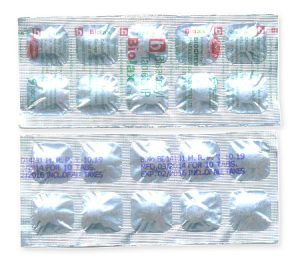
Look for enteric-coated tablets labeled 5 mg in blister packs and suppositories labeled 10 mg in foil pouches when shopping.
Confirm the INN — bisacodyl — and the form to avoid confusion between brands and products.
Price Comparison
How to get the best value when buying?
Compare unit price per mg and pack size; generic bisacodyl tablets typically cost less than brand-name Dulcolax.
For bowel prep, some kits combine bisacodyl with polyethylene glycol (PEG); always compare ingredient lists and instructions before buying.
Storage advice: keep products at room temperature below 25°C and protect suppositories from heat to prevent melting.
In our online pharmacy, dulcolax is available without a prescription, with discreet delivery to United States in 5-14 days.
| Form | Buying Tip |
|---|---|
| Tablets 5 mg | Compare unit price per tablet; check blister pack counts |
| Suppositories 10 mg | Check foil pouch counts and storage guidance |
| Enema 10 mg/30 mL | Single-use bottles; use as directed |
- Verify INN (bisacodyl) and strength before purchase.
- Choose reputable pharmacies and check return policies for online orders.
What’s Inside & How It Works
Ingredients Overview
What is the active substance in Dulcolax?
The active ingredient is bisacodyl, a stimulant laxative available as enteric-coated tablets 5 mg, suppositories 10 mg, and enema solution 10 mg/30 mL.
Enteric-coated tablets have a coating designed to resist stomach acid and dissolve in the intestine, so swallow them whole with water and do not chew or crush them.
Mechanism Basics
How does bisacodyl relieve constipation?
Bisacodyl stimulates colon peristalsis and increases secretion of water and electrolytes into the bowel lumen, which softens stool and speeds transit.
Rectal forms act locally and work faster than oral tablets because they bypass the need for intestinal transit.
Because stimulant laxatives actively push the bowel, cramping is more likely than with osmotic agents, so start at a low dose and maintain hydration.
| Form | Site Of Action | Onset |
|---|---|---|
| Tablet (5 mg) | Colon after enteric dissolution | Overnight |
| Suppository (10 mg) | Rectum / lower colon | 15–60 minutes |
Main Indications
Approved Uses
What is dulcolax approved for?
Dulcolax (bisacodyl) is registered for the short-term treatment of occasional constipation in adults and children with age-appropriate dosing.
It is also approved for bowel cleansing prior to surgery or diagnostic procedures such as colonoscopy, used only for short-term bowel evacuation.
The product is generally available over the counter for standard dosing, while higher or combined procedural regimens may be used under medical supervision.
Off-Label Uses
How do clinicians sometimes use bisacodyl beyond label wording?
Clinicians may combine bisacodyl with polyethylene glycol (PEG) in split-dose bowel prep protocols to improve colon cleansing in some colonoscopy regimens.
Bisacodyl can be used under supervision for opioid-induced constipation, but long-term use requires evaluation of the underlying cause and medical oversight.
Avoid routine chronic use, and investigate lifestyle, fiber, or osmotic laxatives for long-term constipation management.
| Approved | Common Off-Label / Clinical Use |
|---|---|
| Occasional constipation; bowel prep | Combined with PEG for improved colon cleansing; supervised use for opioid-induced constipation |
- When To Call A Doctor: persistent constipation, severe abdominal pain, or if bowel prep instructions are unclear.
Interaction Warnings
Food Interactions
Are there foods or OTC products to avoid with dulcolax?
Avoid taking bisacodyl tablets with milk or antacids within about one hour because they can dissolve the enteric coating prematurely and cause stomach irritation or altered effect.
No major consistent food interactions beyond this, but maintaining hydration is important because diarrhea can cause fluid and electrolyte loss.
Drug Conflicts
Which medicines can increase risks when combined with bisacodyl?
Concomitant use of multiple laxatives increases the risk of severe diarrhea and electrolyte imbalance.
Patients on diuretics, ACE inhibitors, or other drugs that affect electrolytes should use Dulcolax cautiously and monitor for signs of dehydration or low potassium.
Avoid antacids at dosing time because they can interfere with the enteric coating and timing of tablet action.
| Drug Type | Interaction Concern |
|---|---|
| Diuretics / ACE Inhibitors | Increased risk of electrolyte disturbance if diarrhea occurs |
| Other Laxatives | Additive diarrhea and dehydration risk |
| Antacids | May dissolve enteric coating prematurely |
- If elderly or on multiple interacting medications, consult a clinician before use.
- Stop medication and seek care if prolonged or severe diarrhea develops.
Latest Evidence & Insights
Recent Studies
What does recent evidence say about bisacodyl?
Clinical guidance and product monographs classify bisacodyl as an effective short-term stimulant laxative for occasional constipation and an effective adjunct in many bowel prep regimens.
Comparative trials show bisacodyl often produces faster bowel movement onset than osmotic agents but has a higher incidence of cramping.
Evidence supports combined regimens such as bisacodyl plus polyethylene glycol for improved colon cleansing versus single agents in some protocols.
Practical Takeaways
How should that guide everyday use?
Use bisacodyl for predictable, short-term relief or exactly as directed for bowel prep, starting with lower doses and monitoring hydration.
Systematic reviews emphasize limiting stimulant laxatives to short courses and investigating causes when constipation is chronic.
- Stimulant laxatives are effective and fast but carry higher cramping risk than osmotics.
- Monitor electrolytes in vulnerable populations such as the elderly and diuretic users.
| Finding | Practical Note |
|---|---|
| Bisacodyl speeds onset | Good for bedtime dosing or bowel prep |
| Higher cramping than osmotics | Start low and stay hydrated |
Alternative Choices
Non-Stimulant Options
Looking for gentler or longer-term options?
Osmotic laxatives such as polyethylene glycol (PEG, e.g., Miralax) or lactulose are preferred for longer-term management because they cause less cramping.
Bulk-forming fiber supplements like psyllium are suitable for mild constipation and long-term use when combined with adequate fluids.
Stool softeners such as docusate can help when straining is a concern.
When To Choose Dulcolax Vs Alternatives
Which is right for a particular need?
Choose Dulcolax (bisacodyl) when a relatively rapid and predictable bowel evacuation is required, such as for overnight relief or bowel prep.
For chronic constipation or patients who are sensitive to cramping, begin with osmotic agents or lifestyle and fiber interventions and consult a clinician if symptoms persist.
If combining agents (for example, bisacodyl plus PEG for colonoscopy prep), follow clear clinical instructions to avoid additive side effects.
| Type | Best For |
|---|---|
| Stimulant (Bisacodyl, Senna) | Quick relief, bowel prep |
| Osmotic (PEG, Lactulose) | Chronic constipation, gentler action |
| Bulk-forming (Psyllium) | Long-term maintenance, mild cases |
- Decide based on speed needed, tolerance for cramping, age, and comorbidities.
Regulation Snapshot
Approval & OTC Status
Is dulcolax regulated differently around the world?
Bisacodyl is approved widely as an over-the-counter medicine for occasional constipation and for bowel cleansing in many countries.
In the United States, bisacodyl is available under the FDA OTC monograph for standard uses; higher-dose or procedural regimens are used under medical direction.
Romania lists Dulcolax 5 mg tablets in its ANMDMR public database; regulatory entries vary by country and should be checked locally for updates.
Country Variations
Who makes Dulcolax where you live?
Major brand owners historically include Sanofi and Boehringer Ingelheim, but regional suppliers and generics are common worldwide.
Brand names and product formats vary by market; examples include Dulcolax, Fleet, Dulcolax Dragees, and local generics.
| Region | Common Brand/Form |
|---|---|
| United States | Dulcolax, Fleet (tablets, suppositories, enemas) |
| Europe | Sanofi and regional brands; Dulcolax dragees |
| Romania | Dulcolax 5 mg (ANMDMR-registered) |
- Always check local labeling, storage instructions (<25°C), and manufacturer contact for safety queries.
FAQ Section
Quick Answers
Can I take Dulcolax every day?
No, labels recommend not using Dulcolax for more than one week without physician supervision due to risk of dependency and electrolyte disturbance.
How fast does it work?
Oral enteric tablets usually act overnight if taken at bedtime, while suppositories typically act within 15–60 minutes.
Can children use it?
Children older than six years may use lower doses under guidance; children under six require medical advice.
Can I take it with other meds?
Be cautious with diuretics, ACE inhibitors, and other medications that affect electrolytes, and avoid combining multiple laxatives without medical advice.
When To See A Doctor
When should you seek medical care?
Seek immediate care for severe abdominal pain, suspected bowel obstruction, prolonged vomiting, severe diarrhea, or signs of dehydration.
Also consult a clinician if constipation is chronic or recurrent rather than using stimulant laxatives repeatedly without evaluation.
- See Your Doctor If: severe abdominal pain, blood in stool, persistent constipation, severe diarrhea, or dizziness/dehydration.
Guidelines For Proper Use
Step-By-Step Use
How should you use Dulcolax correctly?
Check product form and strength before use (tablets 5 mg enteric-coated; suppositories 10 mg; enemas 10 mg/30 mL).
For tablets: swallow whole with a glass of water at bedtime and avoid milk or antacids around dosing time.
For suppositories: insert rectally following package instructions and expect action within about an hour.
For bowel prep: follow physician-prescribed regimens exactly — a common plan is 10–20 mg oral the night before and a 10 mg suppository the morning of the procedure.
Do not double doses; skip a missed dose if it is close to the next scheduled dose.
Aftercare & Monitoring
What should you watch for after taking it?
Drink adequate fluids to replace any losses from diarrhea and avoid activities that could be dangerous if dizziness occurs.
Stop using and seek medical care for severe diarrhea, intense cramping, faintness, or signs of dehydration.
Elderly patients and those on electrolyte-altering drugs should monitor fluid intake and have periodic evaluation as needed.
| Form | Onset | Storage |
|---|---|---|
| Tablets 5 mg | Overnight | Room temperature <25°C |
| Suppositories 10 mg | 15–60 minutes | Protect from heat to avoid melting |
- Keep product out of reach of children and store below 25°C.
- Follow package directions and contact a clinician for prolonged use beyond one week.
Delivery Across United States
| City | Region | Delivery time |
|---|---|---|
| New York | Northeast | 5-7 days |
| Los Angeles | West | 5-7 days |
| Chicago | Midwest | 5-7 days |
| Houston | South | 5-7 days |
| Phoenix | West | 5-7 days |
| Philadelphia | Northeast | 5-7 days |
| San Antonio | South | 5-7 days |
| San Diego | West | 5-7 days |
| Dallas | South | 5-7 days |
| San Jose | West | 5-7 days |
| Austin | South | 5-7 days |
| Jacksonville | Southeast | 5-9 days |
| Columbus | Midwest | 5-9 days |
| Indianapolis | Midwest | 5-9 days |