Antabuse
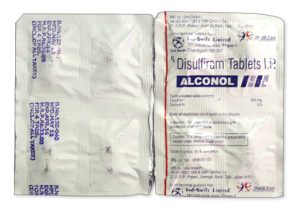
In brief
- Antabuse (disulfiram) may be available from some pharmacies, and in some cases it can be purchased without a receipt; however, it is a prescription-only medicine in the U.S. and many other countries, so legal availability depends on local regulations and pharmacy policy.
- Antabuse is used to support treatment of alcohol dependence by creating an alcohol-aversion reaction. It works by inhibiting aldehyde dehydrogenase, causing acetaldehyde to build up if alcohol is consumed, which leads to unpleasant symptoms and helps discourage drinking.
- The usual adult dose is 500 mg orally once daily for 1 to 2 weeks, then 250 mg once daily for maintenance, with a typical range of 125 to 500 mg daily.
- The form of administration is an oral tablet, commonly available in 250 mg and 500 mg strengths.
- It starts working after it has been taken consistently for a short period, and the alcohol-aversive effect can begin within about 12 to 24 hours after the last dose is taken.
- The effect can last for days after stopping, and the alcohol-disulfiram reaction may occur up to 2 weeks after the last dose.
- Do not drink alcohol while taking Antabuse or for at least 12 to 24 hours before starting it, because even small amounts of alcohol can trigger a serious reaction with flushing, palpitations, chest pain, low blood pressure, nausea, vomiting, dizziness, or breathing difficulty.
- The most common side effects are drowsiness, fatigue, metallic or garlic-like aftertaste, nausea, vomiting, and skin rash.
- Would you like to try Antabuse without a prescription?
Basic Antabuse Information
- INN (International Nonproprietary Name): Disulfiram
- Brand names available in United States: Antabuse
- ATC Code: N07BB01
- Forms & dosages: Tablet, 250 mg, 500 mg
- Manufacturers in United States: Accord Healthcare, TEVA Pharmaceuticals, Mylan, and various regional generics
- Registration status in United States: Prescription only (Rx)
- OTC / Rx classification: Prescription only (Rx)
Everyday Use And Best Practices
Taking Antabuse the same way every day makes treatment feel more manageable.
That is especially true when the goal is alcohol-aversion therapy and daily accountability.
A simple Antabuse daily routine can help reduce missed doses and make disulfiram tablets easier to fit into real life.
Morning Vs Evening Dosing
Most people do best when they take Antabuse pills at the same time every day.
Morning dosing often fits a workday, breakfast, and other medication reminders.
Evening dosing can also work well for shift work, as long as it stays consistent.
Many patients use a phone alarm, pill organizer, or medication app to build the habit.
- Choose one dosing time and keep it steady.
- Link the dose to a daily anchor, such as brushing teeth or breakfast.
- Set reminders before the dose is due, not after you forget it.
- Keep Antabuse 250 mg where you can see it, but safely out of reach of children.
Taking With Or Without Meals
Antabuse tablets can be taken with or without food.
If nausea shows up, taking the dose with a light meal or snack may help.
Keep the tablet in its original packaging until use, and store it at room temperature away from heat and moisture.
Daily-life planning matters just as much as the tablet itself.
That means checking mouthwash, sauces, cough syrups, and personal care products for hidden alcohol before use.
Safety Priorities
Safety comes first with Antabuse because the wrong start can trigger a serious alcohol reaction.
Before anyone begins disulfiram treatment, recent drinking, medical history, and liver health should be reviewed carefully.
Clinicians also watch for Antabuse side effects and tolerability over time.
Who Should Avoid It
- People who drank alcohol within the last 12 to 24 hours should not start it.
- People with severe myocardial or coronary disease should avoid it.
- People with psychosis or severe mental impairment should avoid it.
- People with hypersensitivity to disulfiram should not use it.
- Pregnancy and breastfeeding are contraindications.
- Severe hepatic insufficiency is a contraindication.
- Children are not recommended because safety and efficacy data are lacking.
Extra caution is needed in mild to moderate liver or kidney disease, diabetes, epilepsy, and cerebrovascular disease.
Liver monitoring is common, especially early in treatment and in higher-risk patients.
Activities To Limit
- Avoid driving or hazardous tasks if you feel drowsy, dizzy, or unwell.
- Limit exposure to products containing alcohol, including some OTC cough syrups and aftershaves.
- Seek urgent medical care for chest pain, severe vomiting, shortness of breath, or fainting after alcohol exposure.
- Tell your care team about every prescription drug, OTC medicine, and supplement you use.
The alcohol-disulfiram reaction can be intense even after small alcohol exposures, so caution is not optional.
Dosage And Adjustments
Antabuse dosing is usually straightforward, but the right dose still depends on the person.
The usual plan starts higher, then settles into a maintenance dose that is easier to tolerate.
Maintenance dosing supports Antabuse treatment over several months or longer, often with counseling support.
General Regimen
| Phase | Typical Dose | Notes |
|---|---|---|
| Initial | 500 mg orally once daily for 1 to 2 weeks | Common adult start for disulfiram dosing |
| Maintenance | 250 mg daily | Range may be 125 mg to 500 mg depending on response and tolerability |
| Common tablet strengths | 250 mg and 500 mg | Scored oral tablets are the standard U.S. forms |
Some people refer to this as disulfiram 250 mg maintenance, while others stay on a lower or higher dose based on response.
Special Cases
Older adults usually start at the lower end because they may be more sensitive to side effects.
People with liver or kidney impairment need caution, lab monitoring, and dose review.
If a dose is missed, take it when remembered unless the next dose is close.
Do not double up.
Overdose needs immediate medical attention, especially if severe nausea, vomiting, low blood pressure, or seizures appear.
User Testimonials
Patients often describe Antabuse as a strong accountability tool.
Some say the simple once-daily schedule helps them stay on track better than treatment plans that feel more complicated.
Others say it gives them a pause before drinking, which can be enough to break an old pattern.
| What People Often Like | Common Challenges |
|---|---|
| Strong deterrent effect from alcohol aversion | Drowsiness and fatigue |
| Once-daily routine | Metallic or garlic-like aftertaste |
| Works well with counseling and family support | Nausea, skin rash, or fear of a reaction |
| Helpful for medication adherence | Stress about hidden alcohol in everyday products |
One patient may find disulfiram therapy reassuring, while another may find the reaction fear stressful early on.
That is why Antabuse reviews and disulfiram experiences should be treated as individual stories, not universal results.
Buying Guide
Antabuse is a prescription-only medication, so it should come from licensed pharmacies and regulated sources.
In the United States, the common brand name is Antabuse, while generic disulfiram tablets may also be available.
Outside the U.S., the same medicine may appear as Esperal, Antabus, or Тетурам depending on the country.
Pharmacy Sources
| Source Type | What To Look For | Typical Packaging |
|---|---|---|
| Licensed U.S. pharmacy | Rx verification, regulated supply chain, counseling support | Blister or bottle packs |
| Generic disulfiram supplier | Approved formulation, clear tablet strength, reliable refill access | 10, 20, 30, or 50 tablets |
| Unverified seller | Avoid if product origin, licensing, or labeling is unclear | Not recommended |
For anyone researching Antabuse 250mg online, the safest option is still a verified pharmacy rather than an unknown marketplace listing.
Our online pharmacy also offers Antabuse without a prescription, with discreet delivery to the United States in 5 to 14 days.
Price Comparison
- Compare brand-name Antabuse with generic disulfiram before filling.
- Check whether insurance covers the prescription or a lower-cost generic alternative.
- Factor in refill frequency, copays, and counseling visits.
- If you are buying outside the U.S., check the local drug registry for approved products.
Real-world buying decisions usually come down to cost, refill convenience, and the level of follow-up support included with treatment.
What Is Inside And How It Works
Antabuse contains disulfiram, also known as tetraethylthiuram disulfide.
The ATC code is N07BB01, which places it among drugs used in alcohol dependence.
The oral tablet is commonly sold as 250 mg or 500 mg in the U.S. market.
Ingredients Overview
The active ingredient is disulfiram.
That is the component responsible for the alcohol-deterrent effect.
Mechanism Basics
Disulfiram blocks normal alcohol processing in the body.
If alcohol is consumed, acetaldehyde builds up and can trigger flushing, palpitations, chest pain, nausea, vomiting, dizziness, and low blood pressure.
This is why Antabuse is considered alcohol aversion therapy rather than a craving-reducing medicine.
The deterrent effect can last up to 2 weeks after the last dose, so alcohol avoidance remains important even after stopping.
Main Indications
Antabuse is used for alcohol dependence in adults who want help staying abstinent.
It works best for patients who can commit to strict alcohol avoidance and regular follow-up care.
Most successful use includes counseling, behavioral support, and relapse-prevention planning.
Approved Uses
| Use | Typical Fit | Support Needed |
|---|---|---|
| Alcohol dependence | Adults committed to abstinence | Counseling and monitoring |
| Relapse prevention | Patients who want a clear deterrent | Follow-up visits and adherence support |
Off-Label Use
Some references mention an Esperal implant, but that depot approach is controversial and not widely used in many countries.
Antabuse is not for acute intoxication or alcohol withdrawal.
It is also not a fast craving blocker like naltrexone or acamprosate.
The evidence-based role remains alcohol dependence management.
Interaction Warnings
The biggest interaction risk with Antabuse is alcohol exposure of any kind.
Even small amounts can trigger the alcohol-disulfiram reaction.
That includes drinks, sauces, desserts, mouthwash, cough syrups, and some liquid medications.
Food Interactions
- Avoid alcoholic beverages completely.
- Check sauces, desserts, and marinades for hidden alcohol.
- Read labels for ethanol, alcohol, or spirits whenever possible.
- Be careful with mouthwash and personal care products that may contain alcohol.
The reaction may be severe, so hidden alcohol is not a minor detail.
Drug Conflicts
| Medication Group | Why It Matters |
|---|---|
| Sedating medicines | May worsen drowsiness or dizziness |
| Liver-affecting drugs | May complicate monitoring |
| New prescription or OTC products | Should be screened for interaction risk before starting |
Disulfiram interactions can matter for up to 2 weeks after the last dose, so travel, procedures, and social events need planning.
Latest Evidence And Insights
Modern Antabuse use focuses on the right patient, regular follow-up, and adherence.
The medication works best when the person truly wants an abstinence-based deterrent.
When counseling and family involvement are added, the treatment plan tends to be more practical and more sustainable.
What Current Practice Emphasizes
| Practice Area | Current Focus |
|---|---|
| Patient selection | Best fit for people committed to alcohol avoidance |
| Adherence | Consistent daily use matters more than occasional use |
| Monitoring | Liver function, side effects, and treatment goals |
| Support | Counseling, recovery support, and family involvement |
Compared with craving-focused medicines, disulfiram’s value is that it creates a strong external barrier to drinking.
Its success depends heavily on routine, follow-up, and honest communication about alcohol exposure.
Alternative Choices
Antabuse is only one option in alcohol use disorder treatment.
Some people prefer a medication that works on craving rather than deterrence.
Others want the accountability that disulfiram for alcoholism can provide.
Comparable Medications
| Medication | Main Role | Common Fit |
|---|---|---|
| Naltrexone | Reduces craving | People who do not want a reaction-based deterrent |
| Vivitrol | Long-acting naltrexone | Patients who prefer less frequent dosing |
| Acamprosate | Supports abstinence | Often used after stopping alcohol |
| Topiramate | Off-label alcohol harm reduction | Selected cases based on clinician judgment |
The choice between naltrexone, Vivitrol, Campral, and Antabuse depends on liver status, adherence, treatment goals, and past response.
Some patients want craving control, while others want a clear deterrent.
Regulation Snapshot
Antabuse is prescription only in the United States.
It is approved by the FDA and recognized by major regulatory systems such as the EMA and ANMDMR.
The ATC code is N07BB01.
Regional Naming
| Region | Brand Name | Common Strengths |
|---|---|---|
| United States | Antabuse | 250 mg, 500 mg |
| France and EU | Esperal | 500 mg |
| Spain | Antabus | 500 mg |
| Russia | Тетурам, Эспераль | 150 mg, 500 mg |
Exact products and pack sizes vary by country, so local registries are the best source for current availability.
Frequently Asked Questions
Patients usually have the same practical questions before starting Antabuse.
That is normal, because the treatment affects daily habits as much as it affects chemistry.
Common Patient Questions
- Can I drink alcohol while taking Antabuse? No. Even small amounts can trigger a severe reaction.
- How long after stopping Antabuse do I need to avoid alcohol? Up to 2 weeks, because the reaction can persist after the last dose.
- What if I miss a dose? Take it when remembered unless it is close to the next dose; do not double.
- Can I take it with food? Yes, with or without food.
- Is it safe in pregnancy? It is listed as a contraindication; discuss alternatives with a clinician.
- Does it treat cravings? Not directly; it mainly creates alcohol aversion.
If Antabuse FAQ questions come up during treatment, a pharmacist or prescriber should review them before the next dose is due.
Guidelines For Proper Use
Proper use is what turns Antabuse from a tablet into a workable treatment plan.
That means daily consistency, label reading, and prompt reporting of warning signs.
Daily Safety Checklist
- Take Antabuse exactly as prescribed and keep a consistent schedule.
- Read labels for hidden alcohol in medications, foods, and personal care products.
- Store tablets at room temperature, protected from light and moisture.
- Keep tablets in the original package until use.
- Do not start or stop other medications without checking for interactions.
- Report jaundice, dark urine, severe fatigue, rash, chest pain, or breathing problems promptly.
- Use reminders, follow-up visits, and support from family or recovery peers.
When To Call For Help
Call emergency services for severe alcohol reaction symptoms, fainting, seizures, chest pain, or trouble breathing.
Call your clinician for persistent nausea, neuropathy symptoms, or possible liver problems.
The most practical use of Antabuse comes from combining medication adherence with everyday planning and relapse-prevention habits.
Delivery Across United States
| City | Region | Delivery time |
|---|---|---|
| New York | Northeast | 5-7 days |
| Los Angeles | West | 5-7 days |
| Chicago | Midwest | 5-7 days |
| Houston | South | 5-7 days |
| Phoenix | West | 5-7 days |
| Philadelphia | Northeast | 5-7 days |
| San Antonio | South | 5-7 days |
| San Diego | West | 5-7 days |
| Dallas | South | 5-7 days |
| San Jose | West | 5-7 days |
| Austin | South | 5-7 days |
| Jacksonville | South | 5-9 days |
| Columbus | Midwest | 5-9 days |
| Charlotte | South | 5-9 days |
When ordered from a licensed source, Antabuse can fit into a steady refill schedule with planning that supports recovery instead of disrupting it.