Tetracycline
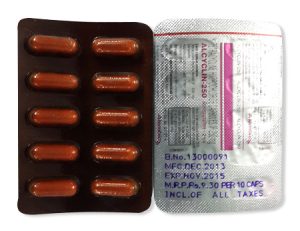
In brief
- In our pharmacy, you can buy tetracycline without a prescription, with delivery in 5–14 days throughout the United States. Discreet and anonymous packaging.
- Tetracycline is used to treat a wide range of bacterial infections (respiratory, urinary, acne, certain sexually transmitted infections, topical skin and eye infections); it is a broad‑spectrum, bacteriostatic antibiotic that inhibits bacterial protein synthesis by binding the 30S ribosomal subunit and preventing tRNA attachment.
- The usual adult dose is 250–500 mg orally every 6 hours for systemic infections; acne is commonly 250 mg twice daily; some infections may use 500 mg every 6–12 hours; prophylaxis regimens (e.g., malaria protocols) may use 250 mg daily. In children (only when necessary) dosing is about 25–50 mg/kg/day divided every 6 hours, and tetracyclines are generally avoided in children under 8 years.
- Forms of administration include oral tablets and capsules (100, 250, 500 mg), oral syrup (125 mg/5 mL), topical ointment (3%), eye ointment (1%), and occasional powder/vial formulations; administered orally for systemic disease, topically for skin conditions, and ophthalmically for eye infections.
- Onset time: tetracycline is absorbed with peak blood levels in about 1–3 hours, and clinical improvement for many infections is often seen within 48–72 hours of starting therapy.
- Duration of action: individual doses typically require administration every 6–12 hours (effective plasma half-life roughly in that range); antimicrobial effect continues with ongoing dosing for the prescribed course.
- Alcohol warning: avoid excessive alcohol while taking tetracycline—alcohol can worsen gastrointestinal side effects and may stress the liver; it is advisable to limit alcohol consumption during therapy.
- The most common side effect is gastrointestinal upset (nausea, vomiting, diarrhea); photosensitivity (sunburn), rash, and tooth discoloration in developing teeth are also commonly reported.
- Would you like to try tetracycline without a prescription?
Everyday Use & Best Practices
Basic Tetracycline Information
- INN (International Nonproprietary Name): Tetracycline.
- Brand Names Available In United States: Achromycin V (capsules/tablets 250 mg, 500 mg) and Sumycin (tablets/capsules 250 mg, 500 mg).
- ATC Code: J01AA07 (systemic tetracyclines); other ATC listings include A01AB13, D06AA04, S01AA09, S02AA08, S03AA02.
- Forms & Dosages: Tablets 100 mg, 250 mg, 500 mg; capsules 250 mg, 500 mg; oral syrup 125 mg/5 mL; ointment 3%; eye ointment 1%; powder/vial 500 mg, 1 g (less common).
- Manufacturers In United States: Major suppliers include Pfizer and SEARLE/Alvogen; generics may be supplied by Heritage Pharmaceuticals and other regional producers.
- Registration Status In United States: Tetracycline is approved by major global authorities and is marketed in the US; systemic forms are prescription-only (Rx).
- OTC / Rx Classification: Prescription-only (Rx) for systemic oral and injectable forms; topical and ophthalmic availability may be OTC or Rx depending on local law.
Morning Versus Evening Dosing
Are you wondering whether to take tetracycline in the morning or at night?
Take tetracycline at evenly spaced intervals as directed by your prescriber to keep blood levels stable.
Many adult regimens use 250–500 mg every 6 hours for systemic therapy, while acne regimens commonly use 250 mg twice daily.
Morning dosing helps avoid nighttime reflux and makes it easier to stay upright after a dose.
Evening dosing can conflict with calcium-rich bedtime snacks, so avoid milk or fortified foods before bedtime dosing.
Avoid lying down immediately after a dose to reduce the risk of esophageal irritation.
Practical checklist:
- Set phone alarms for evenly spaced doses (e.g., q6h or twice daily schedules).
- Take each tablet or capsule with a full glass of water and remain upright for at least 30 minutes.
- Avoid bedtime dairy within two hours of a dose.
- If reflux is an issue, prefer morning and early evening dosing rather than late-night doses.
Taking With Or Without Meals
Worried that food will ruin your antibiotic?
Absorption of tetracycline is reduced by dairy, calcium, iron, magnesium, and antacids, so avoid these within two hours before and after dosing.
If you get stomach upset after taking tetracycline, taking it with a light meal (not including milk or calcium-fortified foods) may help.
Always drink a full glass of water with each tablet or capsule to aid swallowing and reduce esophageal irritation.
Do/Don’t foods checklist:
- Do eat a light, non-dairy snack if needed for nausea.
- Don’t take calcium-rich milk, yogurt, or fortified cereal within two hours.
- Don’t take iron supplements, magnesium-containing antacids, or multivitamins with minerals within two hours.
Administration notes by form:
| Form | Administration Notes |
|---|---|
| Tablet/Capsule | Take with full glass of water; space from dairy and minerals by 2 hours; avoid lying down after dose. |
| Oral Syrup | Measure carefully; avoid dairy within 2 hours; can be easier for those with swallowing difficulties. |
| Ointment (Topical) | Apply to clean, dry skin; topical 3% is used for localized acne and does not have the same food interactions. |
| Eye Ointment | Use as directed for ophthalmic infections; systemic food interactions do not apply. |
Start integrating doses into daily life with labeled pillboxes and alarms, especially for q6h schedules.
Safety Priorities
Who Should Avoid It
Are you in a high-risk group? Know this before you start tetracycline.
Absolute contraindications include known hypersensitivity to tetracyclines, pregnancy, lactation, and children under eight years old due to risk of permanent tooth discoloration and enamel hypoplasia.
Use caution and consult your prescriber if you have renal or hepatic impairment because dose adjustments or alternatives may be necessary.
Tell your clinician if you are taking anticoagulants, oral retinoids, or agents like methoxyflurane because these are flagged as potential interactions.
Do Not Use If checklist:
- Known allergy to tetracyclines.
- Pregnant or breastfeeding.
- Child younger than eight years unless life-threatening infection and prescriber approves.
- On interacting drugs (anticoagulants, retinoids, methoxyflurane) without provider clearance.
Activities To Limit
Worried about your outdoor plans while on tetracycline?
Tetracycline causes photosensitivity; limit sun exposure, wear sunscreen, and avoid tanning beds during therapy.
Alcohol does not have a strong direct interaction but can worsen gastrointestinal side effects, so avoid alcohol if it makes nausea or diarrhea worse.
Monitor for signs of superinfection such as oral or vaginal candidiasis, and stop the drug and contact your clinician for severe diarrhea.
Immediate red flags—seek medical help if you experience any of the following:
- Hives, facial or throat swelling, difficulty breathing.
- Severe watery or bloody diarrhea.
- Yellowing of the skin or eyes (jaundice).
- Severe persistent vomiting or new severe photosensitivity reaction.
Dosage & Adjustments
General Regimen
What dose should you expect? Typical dosing depends on the infection being treated.
For uncomplicated respiratory or urinary infections, standard adult dosing is 250–500 mg orally every six hours.
For acne, a practical outpatient regimen is 250 mg twice daily.
Severe infections may use 500 mg every 6 to 12 hours, depending on clinician judgment.
Treatment duration varies by condition: acute infections commonly run 7–14 days, while acne or chronic conditions may require weeks to months with periodic reassessment.
| Indication | Typical Dose | Typical Duration |
|---|---|---|
| Uncomplicated Respiratory/Urinary Tract | 250–500 mg every 6 hours | 7–14 days |
| Acne Vulgaris | 250 mg twice daily or topical 3% ointment | Weeks to months (reassess periodically) |
| Trachoma / Psittacosis / Q Fever | 500 mg every 6–12 hours | As directed by specialist (often longer than acute courses) |
| Prophylaxis (Some Malaria Protocols) | 250 mg daily | Per protocol |
Special Cases
Are there special rules for kids, the elderly, or organ impairment?
Children under eight are generally excluded due to dental and bone toxicity; only use in life-threatening situations with pediatric dosing typically 25–50 mg/kg/day divided every six hours.
Elderly patients generally use standard dosing but require monitoring and dose adjustment if renal or hepatic impairment is present.
In renal dysfunction, consider dose reduction or alternative agents to avoid accumulation and toxicity.
When to contact your prescriber about dose adjustments:
- New or worsening renal or liver disease.
- Severe side effects such as persistent vomiting or jaundice.
- Pregnancy discovered while taking tetracycline.
- Use in a child under eight without explicit specialist guidance.
User Testimonials
Positive Reports
Does it work for acne and infections? Many patients say yes when used correctly.
Patients commonly report improvement in acne and some respiratory infections after starting tetracycline regimens.
Topical 3% ointment receives praise for targeted acne management with fewer systemic effects.
Brand mentions in reviews often include Achromycin V and Sumycin for systemic therapy and topical products for localized care.
Common reported benefits:
- Clearer skin after several weeks on a 250 mg twice-daily acne regimen.
- Rapid symptom relief in certain respiratory infections when combined with proper dosing.
- Topical ointment reduces localized lesions without systemic side effects.
Short quote-style summary:
- “My acne cleared after about six weeks on the acne dosing and topical application.” — typical patient report.
Common Challenges
What problems do patients mention most?
Common complaints include gastrointestinal upset such as nausea, diarrhea, increased sensitivity to sunlight, and the inconvenience of frequent dosing schedules like q6h.
Many patients find avoiding dairy and antacids around dosing challenging in daily life.
Questions frequently raised by patients involve tooth discoloration risk in children and contraindication during pregnancy.
Tips to mitigate side effects:
- Take tablets with a full glass of water and stay upright to reduce esophageal irritation.
- Use sunscreen and protective clothing to prevent photosensitivity reactions.
- Space doses away from dairy, calcium, and iron by two hours to preserve absorption.
Buying Guide
Pharmacy Sources
Where can you get tetracycline and what should you ask the pharmacist?
In the United States, systemic tetracycline is prescription-only and is available under brand names like Achromycin V and Sumycin as well as generic options from multiple manufacturers.
Topical and ophthalmic formulations may be available OTC in some regions, but check local law and pharmacy policy.
Packaging typically includes tablets in 250 mg and 500 mg strengths and ointment tubes for topical use.
Questions to ask your pharmacist:
- Is a generic version available and is it therapeutically equivalent?
- What tablet strengths and packaging options are in stock?
- Are there manufacturer coupons or price comparisons available?
Price Comparison
How much does tetracycline cost and how can you save?
Prices vary by manufacturer, pharmacy, and whether you choose brand or generic products.
Compare local pharmacies and licensed online pharmacies, and ask about manufacturer coupons for brands like Sumycin or Achromycin V.
For topical or ophthalmic forms available OTC in some regions, out-of-pocket costs can be lower than systemic Rx options.
Safe online pharmacy checklist:
- Verify the pharmacy is licensed and requires a prescription for systemic tetracycline.
- Confirm manufacturer and lot information on the packaging.
- Ask about shipping, discreet packaging, and expiration dates.
Note about our online pharmacy: tetracycline is available without a prescription from our online pharmacy, with discreet delivery across the United States in 5–14 days.
What’s Inside & How It Works
Ingredients Overview
Curious what each tablet contains and what form to pick?
The active ingredient in all these products is tetracycline (INN).
Dosage forms include tablets (100 mg, 250 mg, 500 mg), capsules (250 mg and 500 mg), oral syrup (125 mg/5 mL), ointment (3%), and eye ointment (1%).
Inactive ingredients differ by manufacturer, so check product labeling if you have excipient allergies.
| Form | Typical Strengths |
|---|---|
| Tablet | 100 mg, 250 mg, 500 mg |
| Capsule | 250 mg, 500 mg |
| Oral Syrup | 125 mg/5 mL |
| Ointment | 3% (topical) |
| Eye Ointment | 1% |
Mechanism Basics
How does tetracycline fight bacteria?
Tetracycline is a broad-spectrum antibacterial that inhibits bacterial protein synthesis by binding the 30S ribosomal subunit.
By preventing protein synthesis, tetracycline slows bacterial growth and allows the immune system to clear the infection.
It is classified under ATC code J01AA07 for systemic tetracyclines and appears in other ATC categories for topical and ophthalmic uses.
Common pathogens targeted include a range of Gram-positive and Gram-negative organisms and certain atypical intracellular bacteria.
Comparison to doxycycline and minocycline: doxycycline and minocycline often have improved pharmacokinetics and tolerability, but tetracycline retains niche uses based on cost and local resistance patterns.
Main Indications
Approved Uses
What infections is tetracycline approved to treat?
Tetracycline is approved for respiratory and urinary infections, acne vulgaris (systemic and topical 3% ointment), and infections such as trachoma, psittacosis, Q fever, and lymphogranuloma venereum.
Dosages vary by indication; consult the dosing table earlier in this article for typical regimens.
| Condition | Typical Adult Regimen |
|---|---|
| Respiratory/Urinary Infections | 250–500 mg every 6 hours for 7–14 days |
| Acne Vulgaris | 250 mg twice daily or topical 3% ointment for weeks to months |
| Trachoma / Psittacosis / Q Fever | 500 mg every 6–12 hours, duration per specialist guidance |
Off-Label Uses
When might clinicians use tetracycline off-label?
Clinicians sometimes choose tetracycline-class antibiotics when alternatives are contraindicated, for certain prophylactic regimens like malaria prophylaxis, or when local resistance patterns favor older agents.
Off-label use depends on local resistance and clinician judgment, so discuss benefits, risks, and alternatives with your provider.
Questions to ask your provider about off-label use and resistance:
- Is local resistance likely to reduce effectiveness for my infection?
- Would doxycycline or minocycline be a safer or more convenient substitute?
- How long should therapy last for this off-label indication?
Interaction Warnings
Food Interactions
Which foods or supplements interfere with tetracycline?
Avoid dairy, calcium, iron, magnesium, and antacids within two hours of dosing because these substances significantly reduce tetracycline absorption.
Plan a simple schedule around meals and supplements to preserve absorption, for example: take tetracycline, wait two hours before taking a calcium supplement, and wait two hours after a milk-containing meal to dose.
Sample timing template:
- 6:00 AM — Take tetracycline with water.
- 8:00 AM — Breakfast with dairy allowed after two hours.
- 12:00 PM — Take tetracycline midday dose; avoid antacids for two hours before and after.
Drug Conflicts
Which medications can conflict with tetracycline?
Tetracycline may interact with anticoagulants and retinoids, and it may increase photosensitivity when combined with other photosensitizing drugs.
Use caution when combining tetracycline with drugs cleared by the liver or kidneys in patients who have organ impairment.
| Drug/Drug Class | Risk | Recommended Action |
|---|---|---|
| Anticoagulants | Possible increased anticoagulant effect | Monitor INR and adjust dose as needed |
| Retinoids (oral) | Increased risk of intracranial hypertension when combined | Avoid combination or seek specialist advice |
| Methoxyflurane | Potential serious interaction | Do not combine |
Latest Evidence & Insights
Recent Clinical Context
Is an older antibiotic still relevant in modern practice?
Although tetracycline is an older antibiotic, it remains approved by major regulators and appears in treatment lists globally.
Recent practice often favors doxycycline or minocycline for their improved pharmacokinetics and tolerability, but tetracycline retains niche uses where cost, availability, or local resistance patterns matter.
Practical takeaways:
- Ask your clinician about local resistance patterns before choosing tetracycline.
- Consider doxycycline or minocycline for easier dosing and better tolerability when appropriate.
- Use the shortest effective duration to support antibiotic stewardship.
Practical Implications
How should patients act on this evidence?
Patients should discuss alternatives with their prescriber, including doxycycline and minocycline, and consider topical versus systemic therapy for acne based on severity and side-effect risk.
Antibiotic stewardship means limiting therapy duration to what is clinically necessary and avoiding unnecessary long-term systemic antibiotic use for acne when possible.
Patient-clinician discussion checklist:
- Ask about local resistance rates and recent susceptibility data.
- Discuss side effects and monitoring plans for liver, kidney, and skin reactions.
- Confirm follow-up timing and criteria for stopping therapy.
Alternative Choices
Closest Substitutes
Wondering what to use instead of tetracycline?
Within the tetracycline class, doxycycline and minocycline are common alternatives and are often preferred for dosing convenience and tolerability.
Competing antibiotics for skin and respiratory indications include erythromycin, azithromycin, clindamycin, and ciprofloxacin, depending on the infection.
| Indication | Alternative | Pros/Cons |
|---|---|---|
| Acne | Doxycycline / Minocycline | More convenient dosing; often better tolerated but may be more expensive. |
| Respiratory Infection | Azithromycin / Erythromycin | Good alternatives for penicillin allergy; local resistance patterns matter. |
| Systemic Gram-Negative | Ciprofloxacin | Different class with broader Gram-negative coverage; not interchangeable without clinical guidance. |
When To Switch
When should you consider changing antibiotics?
Switch if you experience severe side effects such as severe GI upset, uncontrolled photosensitivity, allergic reactions, or if pregnancy is discovered.
Also consider switching if the infection fails to respond or local resistance renders tetracycline ineffective.
Call your prescriber if any of the following occur:
- New pregnancy or breastfeeding status discovered.
- Child under eight received the medication by mistake.
- Severe adverse effects or lack of clinical improvement after an appropriate trial.
Regulation Snapshot
Approval & Availability
Is tetracycline regulated and where is it sold?
Tetracycline is approved by major global authorities and marketed under brand names such as Achromycin V and Sumycin, with generics widely available.
Systemic forms are prescription-only in most territories, while topical and ophthalmic forms may be OTC or Rx depending on local law.
| Brand Name | Region | Typical Packaging |
|---|---|---|
| Achromycin V | US, EU | Capsules/Tablets 250 mg, 500 mg |
| Sumycin | US | Tablets/Capsules 250 mg, 500 mg |
| Tetraciclina | Spain, Latin America | Tablets 100 mg, 250 mg; ointment |
Storage & Disposal Rules
How should you store and get rid of tetracycline safely?
Store tetracycline at 15–25°C (59–77°F), protect it from moisture and light, and do not freeze.
Do not use ointments past expiry; expired tetracycline has been associated with rare but serious risks such as Fanconi-like syndrome.
Dispose of unused medication via pharmacy take-back programs when available and keep all medicines out of reach of children and pets.
- Store in a cool, dry place away from direct sunlight.
- Return unused tablets or ointments to a pharmacy for proper disposal.
FAQ Section
Quick Answers
Can I take tetracycline with milk?
No — avoid dairy within two hours of a dose because calcium reduces absorption.
Can pregnant people use tetracycline?
No — tetracycline is contraindicated in pregnancy due to fetal toxicity and risk of tooth discoloration.
What if I miss a dose?
Take the missed dose as soon as you remember unless it is almost time for the next dose; do not double doses.
Is tetracycline available over the counter?
In the US, systemic tetracycline is prescription-only; topical and ophthalmic availability varies by region.
Top 10 FAQs in one-line answers:
- Can children take it? Generally no for under eight years — only if life-threatening under specialist care.
- Should I avoid the sun? Yes — use sunscreen and protective clothing.
- Can I drink alcohol? Alcohol is not a direct contraindication but may worsen GI upset.
- How long will it take to work? Depends on condition; acne may take weeks, acute infections often show improvement in days.
- Can it cause tooth discoloration? Yes, in developing teeth — avoid in young children and pregnancy.
When To Call Your Clinician
Which symptoms need urgent attention?
Call your clinician for severe diarrhea, signs of allergic reaction such as hives or facial swelling, jaundice, persistent vomiting, or new severe photosensitivity.
Also contact your prescriber urgently if pregnancy or breastfeeding is confirmed while on therapy, or if a child under eight was given tetracycline by mistake.
- Emergency red flags: difficulty breathing, severe abdominal pain, bloody diarrhea, jaundice.
- Contact within 24 hours: persistent vomiting, high fever, or signs of superinfection.
Guidelines For Proper Use
Practical Daily Checklist
Need a simple daily routine to follow while taking tetracycline?
- Follow the exact schedule prescribed by your clinician and set alarms for doses.
- Take each dose with a full glass of water and remain upright for at least 30 minutes.
- Avoid dairy, iron, magnesium, calcium, and antacids for two hours before and after dosing.
- Use sunscreen and protective clothing to prevent photosensitivity reactions.
- Keep a medication log for dose times and side effects to review at follow-up visits.
Monitoring & Follow-Up
What should your clinician check while you are on therapy?
Reassess therapy at recommended intervals: acute infections in 7–14 days and acne or chronic conditions with periodic reviews during long courses.
Monitor for gastrointestinal upset, photosensitivity, signs of superinfection, and any liver or renal symptoms.
Store medication at 15–25°C and discard expired ointments to avoid rare toxicity.
| Follow-Up Timing | What To Monitor |
|---|---|
| 7–14 Days (Acute Infection) | Symptom improvement, GI side effects, rash |
| Monthly (Chronic/Acne) | Response rate, photosensitivity, adherence, side effects |
| Immediately | Any allergic signs, severe diarrhea, jaundice |
Delivery Across United States
| City | Region | Delivery time |
|---|---|---|
| New York | Northeast | 5-7 days |
| Los Angeles | West | 5-7 days |
| Chicago | Midwest | 5-7 days |
| Houston | South | 5-7 days |
| Phoenix | West | 5-7 days |
| Philadelphia | Northeast | 5-7 days |
| San Antonio | South | 5-7 days |
| San Diego | West | 5-7 days |
| Dallas | South | 5-7 days |
| San Jose | West | 5-7 days |
| Austin | South | 5-7 days |
| Jacksonville | South | 5-9 days |
| San Francisco | West | 5-7 days |
| Columbus | Midwest | 5-9 days |
| Fort Worth | South | 5-9 days |