Actigall
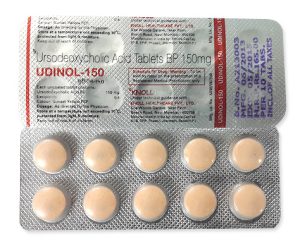
In brief
- Actigall (ursodeoxycholic acid) is normally dispensed in pharmacies and by e-pharmacies; it is officially prescription-only in major markets (US, EU, Canada), but availability varies and some pharmacies or online vendors may sell Actigall without a prescription or receipt depending on local rules.
- Actigall is used to dissolve non-calcified cholesterol gallstones, prevent gallstones during rapid weight loss, and as chronic therapy for primary biliary cholangitis; it is a hydrophilic bile acid (ursodeoxycholic acid/ursodiol) that reduces hepatic synthesis and intestinal absorption of cholesterol, replaces more toxic bile acids, and has choleretic and cytoprotective effects on hepatocytes and cholangiocytes.
- Typical dosing: for gallstone dissolution 8–10 mg/kg/day (commonly 300 mg twice daily in the US), for gallstone prevention during rapid weight loss 300 mg twice daily, and for primary biliary cholangitis 13–15 mg/kg/day divided into two to three doses; dosing should be individualized by weight and indication.
- Actigall is given orally as capsules or tablets (commonly 300 mg capsules; tablets available in 250 mg and 500 mg strengths).
- Onset: biochemical changes in bile can occur within days, some symptomatic improvement may be noticed in weeks, but gallstone dissolution typically requires months (often 6–24 months) of continuous therapy.
- Duration of action: plasma half-life is relatively short (several hours) so it is taken daily in divided doses; clinical and stone-dissolving effects persist only with ongoing treatment and may reverse after stopping the drug.
- Alcohol warning: avoid excessive alcohol intake—patients with liver disease or PBC should abstain or limit alcohol because alcohol can worsen liver injury and interfere with treatment monitoring.
- The most common side effects are gastrointestinal, especially diarrhea, nausea, and mild abdominal pain; other possible effects include rash, headache, and rare severe allergic reactions.
- Would you like to try actigall without a prescription?
Basic Actigall Information
- INN (International Nonproprietary Name): Ursodeoxycholic Acid (commonly referred to as ursodiol).
- Brand Names Available In United States: Actigall 300 mg capsules; Urso 250 mg and Urso 500 mg tablets; Urso Forte 500 mg tablets.
- ATC Code: A05AA02 – Ursodeoxycholic acid (A05: Bile and liver therapy; AA: Bile acids and derivatives; 02: Substance code).
- Forms & Dosages: Capsule 300 mg (most common in US); Tablet 250 mg and 500 mg.
- Manufacturers In United States: Allergan, Avanthi, and various generic manufacturers.
- Registration Status In United States: Prescription medicine with orphan drug status for primary biliary cholangitis as noted by the US FDA.
- OTC / Rx Classification: Prescription-only (Rx) in all major markets.
Everyday Use & Best Practices
Worried about when to take Actigall so it actually works and fits your day?
Morning Vs Evening Dosing
Start Actigall only under a prescriber’s guidance and follow the exact daily dose and schedule provided by your clinician.
For most adults the medication commonly comes as Actigall 300 mg capsules in the US, which makes practical regimens easy to follow.
When the goal is dissolving non-calcified cholesterol gallstones, prescribers usually recommend a total daily dose of 8–10 mg/kg, often achieved with 300 mg taken twice daily for many adults.
For primary biliary cholangitis the dose is higher, usually 13–15 mg/kg/day given in divided doses across two or three administrations.
Split doses evenly across morning and evening to maintain steadier bile concentrations and steady therapeutic effect.
- Example: 300 mg in the morning and 300 mg in the evening for many adults on the 8–10 mg/kg/day regimen.
- Example: If higher dose is required for PBC, divide the total daily milligram target into two or three roughly equal doses.
Taking With Or Without Meals
Ursodiol may be taken with or without meals according to the product information and clinical practice.
Taking Actigall with a meal or snack commonly reduces gastrointestinal upset like nausea or diarrhea.
If diarrhea occurs after starting therapy, try taking doses with meals and discuss persistent issues with your prescriber or pharmacist.
Do not freeze capsules and keep them stored below 25°C (77°F) in the original container for stability.
Practical Tips And Daily-Life Integration
- Always start Actigall only under a prescriber’s guidance and only if it has been prescribed for your specific indication.
- Take doses consistently each day at roughly the same times to help adherence.
- Set phone alarms or use a medication app to track morning and evening doses.
- Keep the bottle below 25°C (77°F) and do not freeze capsules.
- Immediate warning: do NOT use Actigall if you have complete biliary obstruction or known hypersensitivity to ursodiol or excipients.
| Indication | Typical Dose | Notes |
|---|---|---|
| Dissolving Non-Calcified Cholesterol Gallstones | 8–10 mg/kg/day (commonly Actigall 300 mg twice daily) | Treatment duration often 6–24 months with periodic ultrasound. |
| Gallstone Prevention After Rapid Weight Loss | 300 mg twice daily | Used in high-risk bariatric patients during rapid weight loss periods. |
| Primary Biliary Cholangitis (PBC) | 13–15 mg/kg/day divided into two or three doses | Long-term therapy with liver biochemistry monitoring. |
Safety Priorities
Who should avoid Actigall and what safety checks matter most?
Who Should Avoid It
- Absolute Contraindications: Complete biliary or gallbladder obstruction.
- Absolute Contraindications: Known hypersensitivity to ursodeoxycholic acid or formulation excipients.
- Ineffective For Chronic Calcified Gallstones: Do not expect benefit for calcified or pigment stones.
- Use With Caution: Decompensated liver disease and acute biliary inflammation or infection.
- Pregnancy And Breastfeeding: Discuss individualized risk–benefit with your prescriber before starting therapy.
- Elderly Patients: Routine dose adjustment is not usually needed but monitor liver and renal function.
Activities To Limit
No routine restrictions on driving or work unless you experience side effects such as dizziness or severe gastrointestinal upset.
Avoid excess alcohol while on Actigall because alcohol can worsen liver disease and complicate monitoring.
Report any persistent diarrhea, new rash, or systemic symptoms promptly to your prescriber.
Safety Monitoring Checklist
- Baseline liver function tests before starting therapy.
- For gallstone dissolution: baseline ultrasound and repeat imaging every 3–6 months until dissolution or treatment decision.
- For PBC: serial liver biochemistry including ALP, bilirubin, and routine clinical reviews per specialist recommendations.
- Report signs of allergic reaction immediately: hives, swelling, or breathing difficulty.
| Test | When To Do It | Why |
|---|---|---|
| Liver Function Tests (ALT, AST, ALP, Bilirubin) | Baseline, then periodically (frequency per specialist) | Monitor hepatic response and detect worsening liver disease. |
| Abdominal Ultrasound | Baseline, then every 3–6 months for gallstone dissolution | Assess stone size and confirm dissolution. |
| Clinical Review | Regular follow-up visits | Assess symptoms, side effects, and adherence. |
Dosage & Adjustments
How much Actigall should you take and when should the dose change?
General Regimen
Actigall dosing varies by indication and patient weight.
For dissolving non-calcified cholesterol gallstones in adults, standard dosing is 8–10 mg/kg/day, commonly given as Actigall 300 mg twice daily in many adults.
For preventing gallstones during rapid weight loss many clinicians use 300 mg twice daily.
For PBC the recommended dose is higher at 13–15 mg/kg/day divided into two or three doses and continued as long-term therapy under specialist care.
Treatment duration for gallstone dissolution is typically 6–24 months and depends on serial imaging results.
Special Cases
- Children Under 18: Safety and efficacy for most indications are not established and use should be rare and specialist-directed.
- Elderly: No routine dose adjustment is required, but close monitoring of liver and renal function is advisable.
- Significant Liver Impairment Or Complete Biliary Obstruction: Avoid or adjust only under specialist advice and do not use in the presence of complete biliary obstruction.
- Renal Impairment: Dose adjustment is usually not required, but clinical monitoring is recommended.
| Indication | Typical Dose | Monitoring |
|---|---|---|
| Dissolving Gallstones | 8–10 mg/kg/day (often 300 mg twice daily) | Baseline ultrasound, repeat every 3–6 months. |
| Prevention During Rapid Weight Loss | 300 mg twice daily | Clinical review during weight-loss period. |
| Primary Biliary Cholangitis | 13–15 mg/kg/day divided | Serial LFTs, ALP, bilirubin and specialist follow-up. |
User Testimonials
What do real patients say about Actigall and what problems do they face?
Positive Reports
- Many patients report fewer biliary pain episodes after starting ursodiol and an ability to avoid surgery for small cholesterol stones.
- Users with PBC often cite improved liver blood tests and a sense of disease stabilization on long-term therapy.
- Patients appreciate twice-daily dosing convenience when using Actigall 300 mg capsules or Urso tablet formulations.
- Relief from the anxiety of watch-and-wait management is a common benefit reported by those choosing medical dissolution over immediate surgery.
Common Challenges
- Diarrhea and mild nausea are the most frequently reported side effects, and many people find taking doses with meals eases these symptoms.
- Long treatment durations required for stone dissolution, typically 6–24 months, can be frustrating.
- Cost and insurance coverage can be an issue for brand-name Actigall versus generics like Urso or other manufacturers.
- Rare but serious events such as allergic reactions or hepatic worsening require immediate medical attention.
Questions To Ask Your Prescriber Checklist:
- Is my gallstone non-calcified and suitable for medical dissolution?
- What is the exact mg/kg dose you want me to take and how should I split it?
- How often will I need imaging and blood tests?
- What should I do if I develop persistent diarrhea or rash?
- Is a generic ursodiol appropriate for me or do you recommend brand-name Actigall?
Buying Guide
Where can you buy Actigall and how do prices compare?
Pharmacy Sources
In the United States Actigall and other ursodiol products are prescription-only at regulated pharmacies, which include brick-and-mortar and mail-order outlets.
Brand and generic formulations are available from recognized manufacturers such as Allergan and other generic suppliers.
In our online pharmacy, actigall is available without a prescription, with discreet delivery to United States in 5-14 days.
Price Comparison
Check your insurer’s formulary for preferred brands or generics to reduce copays.
Generics typically cost less than brand-name Actigall, and many pharmacists will suggest a generic ursodiol product by manufacturer to save money.
For chronic PBC therapy, a 90-day supply may be more cost-effective if covered by insurance or available through discount programs.
| Product | Typical Form | Price Notes |
|---|---|---|
| Actigall | 300 mg capsules | Brand-name price may be higher; check copay/coverage. |
| Urso / Urso Forte | 250 mg / 500 mg tablets | Generic alternatives available; often lower cash price. |
| Generic Ursodiol | Various strengths | Multiple manufacturers—compare pharmacy price tools and discount cards. |
- Checklist To Verify Pharmacy Legitimacy: Confirm valid US pharmacy license, require a prescription (unless using the specific online service statement), check packaging and storage assurances, and review return/refund policy.
What’s Inside & How It Works
Curious what Actigall contains and how it actually dissolves gallstones?
Ingredients Overview
The active ingredient is ursodeoxycholic acid, the International Nonproprietary Name (INN) also called ursodiol.
Actigall formulations in the US typically contain 300 mg of ursodiol per capsule, while other brands such as Urso are available in 250 mg and 500 mg tablets.
Inactive ingredients vary by manufacturer, so review the product insert if you have known allergies to dyes or fillers.
| Ingredient | Function |
|---|---|
| Ursodeoxycholic Acid (ursodiol) | Active bile acid that reduces cholesterol saturation in bile and improves bile flow. |
| Excipients (varies by product) | Binders, fillers, coatings—check label for specific sensitivities. |
Mechanism Basics
Ursodiol is a hydrophilic bile acid that reduces cholesterol saturation in bile.
By altering bile composition it promotes gradual dissolution of non-calcified cholesterol gallstones over months.
In cholestatic liver disease such as primary biliary cholangitis, ursodiol improves bile flow and can improve biochemical markers, slowing progression.
It does not dissolve calcified or pigment stones and is not effective for weight loss or general indigestion.
Main Indications
Which conditions is Actigall approved to treat and what about off-label uses?
Approved Uses
| Indication | Approved Dose | Notes |
|---|---|---|
| Dissolving Non-Calcified Cholesterol Gallstones | 8–10 mg/kg/day (often 300 mg twice daily) | Only effective for non-calcified cholesterol stones; duration 6–24 months. |
| Primary Biliary Cholangitis (PBC) | 13–15 mg/kg/day divided | Orphan drug status in the US; long-term disease-modifying therapy. |
| Gallstone Prevention During Rapid Weight Loss | 300 mg twice daily | Used prophylactically in high-risk bariatric patients. |
Off-Label Uses
Clinicians sometimes use ursodiol off-label for other cholestatic conditions or symptom relief such as pruritus, although evidence varies by indication.
Any off-label use should be specialist-driven with appropriate monitoring of liver tests and clinical response.
Interaction Warnings
What to avoid eating or mixing with Actigall to keep it effective and safe?
Food Interactions
There are no major food restrictions for ursodiol and it can be taken with or without food.
Taking doses with meals can reduce common GI side effects such as diarrhea or nausea.
Avoid excess alcohol use while on Actigall because alcohol can worsen liver disease and confound monitoring.
Drug Conflicts
- Bile Acid Sequestrants (e.g., cholestyramine): These can reduce ursodiol absorption, so separate dosing by several hours.
- Drugs With Hepatic Metabolism Or Hepatotoxic Potential: Monitor liver tests when combining with other agents that affect the liver.
- Overall: Ursodiol has relatively few direct pharmacokinetic interactions, but check with your pharmacist for any unique combinations.
| Medication Class | Interaction | Practical Advice |
|---|---|---|
| Bile Acid Sequestrants | Reduce ursodiol absorption | Space doses by several hours. |
| Hepatotoxic Drugs | Potential additive liver risk | Monitor LFTs and consult prescriber. |
Latest Evidence & Insights
What does the evidence say about ursodiol and what new treatments are on the horizon?
Key Studies
- Clinical literature supports ursodiol for dissolving non-calcified cholesterol gallstones with repeated imaging over 6–24 months showing reduction in stone size for selected patients.
- Randomized and observational data show ursodiol improves biochemical markers and delays progression in many patients with primary biliary cholangitis at 13–15 mg/kg/day.
- Comparative safety data indicate ursodiol is generally better tolerated and less hepatotoxic than chenodiol (chenodeoxycholic acid).
What’s New
Ongoing research evaluates combination therapies and newer agents such as obeticholic acid for PBC, with ursodiol remaining the common first-line option.
Recent emphasis in the literature focuses on individualized treatment duration for gallstone dissolution and the need for careful patient selection since calcified and pigment stones do not respond.
| Agent | Relative Efficacy/Safety |
|---|---|
| Ursodiol | Effective for selected cholesterol stones and PBC with favorable tolerance profile. |
| Chenodiol | Effective historically but higher hepatotoxicity risk. |
| Obeticholic Acid | Newer option for PBC, used when ursodiol response is incomplete or as adjunct. |
Alternative Choices
What are the alternatives to taking Actigall if it’s not right for you?
Drug Alternatives
- Chenodiol (Chenodal) was used historically for gallstone dissolution but carries higher hepatotoxicity risk.
- Obeticholic acid can be used in PBC patients who do not achieve adequate response to ursodiol or as adjunctive therapy.
- Bile acid sequestrants treat cholestatic pruritus but do not dissolve gallstones.
Non-Drug Alternatives
- Laparoscopic cholecystectomy is the definitive treatment for symptomatic or complicated gallstones.
- For prevention in bariatric patients, surgical planning and lifestyle measures are primary, with ursodiol used prophylactically when appropriate.
- Regular imaging surveillance and dietary fat moderation can help manage symptoms while deciding the best long-term option.
| Option | When Considered | Pros/Cons |
|---|---|---|
| Medical Dissolution (Ursodiol) | Selected small non-calcified stones, patient prefers non-surgical approach | Non-invasive, long duration, variable success rate. |
| Surgery (Cholecystectomy) | Symptomatic, complicated, or failed medical therapy | Definitive, immediate resolution of stones, surgical risk involved. |
Regulation Snapshot
Is Actigall approved where you live and how easy is it to access?
Approval Status By Region
Ursodeoxycholic acid is prescription-only across major markets including the United States, Canada, and the European Union.
In the US Actigall is available by prescription and ursodiol has orphan drug status for primary biliary cholangitis.
Other regional brands and packaging vary, such as Urso tablets in the US and Reltone formulations in India.
Prescription Status & Access
Because Actigall is generally Rx-only, access normally requires a prescriber in regulated channels.
Insurance formularies often prefer generics to reduce out-of-pocket costs, so check your plan for coverage and prior authorization requirements.
- Checklist For Access: Confirm prescription requirement, check formulary, compare brick-and-mortar vs mail-order prices, and verify storage/packaging assurances before purchase.
FAQ Section
Quick answers to common questions about Actigall that patients ask in the pharmacy.
Quick Qs
- Can Actigall dissolve my gallstones? Only non-calcified cholesterol stones may dissolve with 8–10 mg/kg/day dosing over 6–24 months.
- Is Actigall safe long-term? For PBC, ursodiol is commonly used long-term at 13–15 mg/kg/day with monitoring of liver tests.
- Do I need imaging? Yes—baseline and periodic ultrasound are required to assess stone dissolution for gallstone therapy.
- Can I stop abruptly? Do not stop without medical advice; discuss tapering or alternatives with your clinician.
When To Call Your Provider
- Seek immediate medical attention for severe abdominal pain, fever, jaundice, or worsening fatigue.
- Report signs of allergic reaction such as hives, swelling, or difficulty breathing immediately.
- Contact your prescriber for persistent diarrhea, significant elevations in liver tests, or any new signs of hepatic decompensation.
Guidelines For Proper Use
How to monitor therapy and stop Actigall safely when needed.
Monitoring & Follow-Up
Obtain baseline liver function tests and biliary imaging before starting ursodiol.
For gallstone therapy schedule ultrasound every 3–6 months until dissolution is confirmed or another treatment decision is made.
For PBC, monitor liver biochemistry including ALP and bilirubin at intervals recommended by your hepatologist and adjust therapy based on clinical response.
Keep medication in the original container and store below 25°C (77°F) protected from moisture and heat.
Stopping Safely
Do not discontinue Actigall without consulting your clinician because stopping will halt dissolution and may affect biochemical control in PBC.
If adverse events, pregnancy, or hepatic worsening occur, consult your prescriber promptly to weigh risks and discuss safe discontinuation or substitution.
Flowchart Summary:
- If mild GI side effects → try taking with food and reassess.
- If persistent side effects or lab abnormalities → contact prescriber and repeat LFTs.
- If severe reaction or signs of obstruction → stop medication and seek urgent care.
Delivery Across United States
| City | Region | Delivery time |
|---|---|---|
| New York | New York | 5-7 days |
| Los Angeles | California | 5-7 days |
| Chicago | Illinois | 5-7 days |
| Houston | Texas | 5-7 days |
| Phoenix | Arizona | 5-7 days |
| Philadelphia | Pennsylvania | 5-7 days |
| San Antonio | Texas | 5-9 days |
| San Diego | California | 5-9 days |
| Dallas | Texas | 5-7 days |
| San Jose | California | 5-9 days |
| Austin | Texas | 5-9 days |
| Jacksonville | Florida | 5-9 days |
| Columbus | Ohio | 5-9 days |
| Charlotte | North Carolina | 5-9 days |