Imodium
In brief
- You can buy Imodium (loperamide) over-the-counter in most countries, including in pharmacies in the United States, without a prescription; it is widely available OTC in stores and online (local regulations may vary for pediatric formulations).
- Imodium is used to treat acute nonspecific diarrhea, chronic diarrhea (including some cases related to IBS), and to reduce ileostomy output; it works peripherally on gut μ‑opioid receptors to slow intestinal motility and increase transit time.
- Usual adult dosing for acute diarrhea is 4 mg initially, then 2 mg after each loose stool (maximum 16 mg/day); pediatric dosing (age-dependent) is typically 2 mg initially then 1 mg after each loose stool (maximum ~6 mg/day; contraindicated under 2 years); for chronic diarrhea dosing often starts at 4 mg/day and is titrated as needed.
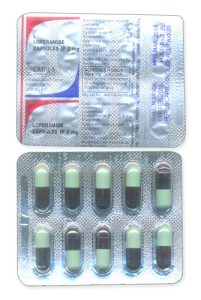
- Available forms include 2 mg tablets and capsules, oral solution 1 mg/5 mL, and orally disintegrating films (2 mg).
- Imodium usually begins to work within about 1 hour after dosing, though some people may notice relief sooner or within a couple of hours.
- Effects from a single dose can persist for many hours and symptom control may last up to 24 hours with continued dosing as directed; dosing is adjusted based on response and clinical guidance.
- Avoid excessive alcohol while you are dehydrated or symptomatic; alcohol may worsen dizziness and gastrointestinal side effects and can increase risk if combined with other CNS depressants—use alcohol cautiously while taking Imodium.
- The most common side effect is constipation; other common effects include abdominal cramps, nausea, flatulence, and dizziness; rare but serious risks include severe constipation, toxic megacolon, and cardiac arrhythmias in overdose.
- Would you like to try Imodium without a prescription?
Basic Imodium Information
- INN (International Nonproprietary Name): Loperamide
- Brand Names Available In United States: Imodium; Diamode; Imodium Multi-Symptom Relief
- ATC Code: A07DA03
- Forms & Dosages: Tablets 2 mg; Capsules 2 mg; Oral Solution 1 mg/5 mL; Orally Disintegrating Film 2 mg
- Manufacturers In United States: Johnson & Johnson (Imodium); generic suppliers such as Perrigo and Teva
- Registration Status In United States: US FDA Approved, OTC, NDA #017690
- OTC / Rx Classification: Over-The-Counter in the US for adults and age-labeled pediatric formulations
Everyday Use & Best Practices
Worried about sudden diarrhea on a trip or at work?
Use loperamide (INN: loperamide) for acute, non-bloody diarrhea in adults and children aged 2 years and older only.
Stop and seek care if fever, bloody stools, or worsening symptoms occur.
Keep a small pack of loperamide 2 mg tablets or Imodium oral solution 1 mg/5 mL in your travel kit.
Store at room temperature below 25°C and keep out of reach of children.
Morning Vs Evening Dosing
Timing is symptom-driven, not clock-driven.
Take loperamide when diarrhea is active rather than on a fixed morning or evening schedule.
If nighttime diarrhea wakes you repeatedly, take the usual dose before bedtime to reduce disruptions.
Avoid exceeding the daily maximum when dosing to control night symptoms.
Taking With Or Without Meals
Loperamide can be taken with or without food.
If nausea is present, take loperamide with a light snack to reduce stomach upset.
Quick Instructions And Warnings Up Front
- Indication: Acute, non-bloody diarrhea in adults and children ≥2 years only.
- Initial adult dose: 4 mg, then 2 mg after each loose stool (max 16 mg/day).
- Pediatric dosing: follow age- and weight-based rules; contraindicated under 2 years.
- Formulations to carry: loperamide 2 mg tablets or Imodium oral solution 1 mg/5 mL.
- Storage: room temperature <25°C; protect from moisture; keep away from children.
Stop And Seek Care Checklist
- High fever or persistent fever.
- Blood in stools or black/tarry stools.
- Worsening abdominal pain or new severe pain.
- No improvement within 48 hours of treatment.
- Signs of dehydration (dizziness, low urine output).
Safety Priorities
What are the most important safety concerns when using imodium?
There are clear contraindications and drug interactions to watch for with loperamide.
Who Should Avoid It
Absolute contraindications include children under 2 years and anyone with acute dysentery, defined as bloody diarrhea with fever.
Avoid use when invasive bacterial enterocolitis is suspected (Salmonella, Shigella, Campylobacter) or when C. difficile pseudomembranous colitis is possible.
Do not use loperamide for unexplained abdominal pain without diarrhea.
Use caution in patients with significant hepatic impairment because reduced metabolism can increase drug levels.
Elderly patients need closer monitoring because severe constipation or paralytic ileus is more likely.
Activities To Limit
Avoid driving or operating machinery if loperamide causes dizziness or drowsiness.
Limit heavy exertion only if you feel lightheaded, dizzy, or dehydrated; treat dehydration first.
Avoid mixing with other central nervous system depressants if you feel sedated.
Contraindications Checklist
- Child under 2 years
- Acute bloody diarrhea or high fever
- Recent antibiotics with suspected C. difficile infection
- Abdominal pain without diarrhea
- Known hypersensitivity to loperamide
Common Interacting Drug Classes
| Drug Class | Effect On Loperamide |
|---|---|
| CYP3A4 Inhibitors (some antifungals, macrolides) | May raise loperamide levels |
| CYP2C8 Inhibitors | May raise loperamide levels |
| P-glycoprotein (P-gp) Inhibitors | Reduce efflux from CNS and gut, increase systemic levels |
| QT-Prolonging Drugs | Combined risk of cardiac arrhythmias |
Patient Note (Boxed Warning Style)
Combining loperamide with strong CYP3A4, CYP2C8 or P-gp inhibitors increases the risk of serious cardiac and central nervous system effects.
Dosage & Adjustments
How should dosing be handled for adults and children?
General Regimen
For adults with acute diarrhea, give an initial dose of 4 mg followed by 2 mg after each loose stool.
Do not exceed 16 mg in any 24-hour period for adults.
Typical acute use lasts 1–2 days; stop if there is no improvement in 48 hours.
Pediatric dosing is reduced and strictly age-dependent.
For many children the regimen is 2 mg initially, then 1 mg after each loose stool with a pediatric maximum often around 6 mg/day depending on age and weight.
Children under 2 years are contraindicated from using loperamide.
Special Cases
In hepatic impairment use the lower end of the dosing range and monitor closely for signs of accumulation.
No routine dose adjustment is required for renal impairment since loperamide is mainly excreted in feces.
For chronic diarrhea or IBS-related diarrhea in adults start at a low dose (often 4 mg/day) and titrate under medical supervision with periodic review.
Overdose is a medical emergency—cardiac arrhythmias and central nervous system depression have been reported; seek immediate care.
Adult Vs Pediatric Dosing Table
| Population | Initial Dose | Follow-Up Dosing | Max/Day |
|---|---|---|---|
| Adults | 4 mg | 2 mg after each loose stool | 16 mg |
| Children (age ≥2 years) | 2 mg | 1 mg after each loose stool | ≈6 mg (age/weight-dependent) |
| Children (<2 years) | Not Recommended | Not Recommended | Contraindicated |
When To Stop
- Fever or bloody stools develop.
- No symptom improvement after 48 hours of treatment.
- Worsening abdominal pain or signs of toxicity.
User Testimonials
Does imodium actually work on the road or at the office?
Positive Reports
Many users report rapid relief within hours when using 2 mg tablets or Imodium oral solution for travel or acute nonspecific diarrhea.
Patients often describe regaining control during travel, work, or a long meeting after a single 4 mg initiation dose followed by 2 mg per loose stool.
Short courses over 24–48 hours are commonly sufficient for symptom control in otherwise healthy adults.
Anonymized Patient Snapshots
- “Took a 4 mg starter and felt better within 4 hours; saved a business trip.”
- “Used Imodium oral solution for my 6-year-old after checking the label and dosing by age—helped stop the frequent trips to the bathroom.”
- “A short 48-hour course controlled my symptoms during a weekend away.”
Common Challenges
Some patients report constipation or abdominal cramping when doses are too high for symptom severity.
Dizziness or mild tiredness can occur, prompting avoidance of driving until symptoms pass.
Parents sometimes mis-dose children or overlook the absolute contraindication for under 2 years—this is a frequent concern.
Reported Benefit Vs Problem
| Reported Benefit | Reported Problem |
|---|---|
| Rapid symptom relief | Constipation if overshot dose |
| Fewer disruptions during travel | Dizziness or tiredness |
| Convenient tablet and oral solution forms | Confusion about pediatric age cutoffs |
When To Contact A Clinician
- High fever or bloody stool.
- Symptoms lasting longer than 48 hours.
- Severe abdominal pain or signs of dehydration.
Buying Guide
Where should you buy imodium and what format is best for travel or kids?
Pharmacy Sources
Imodium and generic loperamide hydrochloride are available over-the-counter at most US pharmacies and online retailers.
Common packaging includes 2 mg tablets or capsules and an oral solution at 1 mg/5 mL, with blister packs often sold in 6, 12, or 24 counts.
Check local pharmacy or manufacturer pages (Johnson & Johnson for Imodium; Perrigo and Teva for generics) for brand availability.
Price Comparison
Generics (loperamide HCl) are typically cheaper than branded Imodium when comparing unit price per 2 mg tablet.
For travel, small blister packs are preferable to avoid waste and reduce accidental overdose risk.
Shopping Tips
- Verify age labeling on pediatric formulations before purchase.
- Check the expiration date and packaging integrity.
- Compare unit price per 2 mg tablet for best value.
Our online pharmacy carries imodium without a prescription, with discreet delivery to United States addresses in 5-14 days.
What’s Inside & How It Works
What is the active ingredient and how does it relieve diarrhea?
Ingredients Overview
The active ingredient in Imodium products is loperamide, most commonly supplied as loperamide hydrochloride.
Available forms include 2 mg tablets and capsules, an oral solution at 1 mg/5 mL, and orally disintegrating films in some markets.
Combination products such as Imodium Multi-Symptom Relief include additional inactive or symptom-targeting ingredients—check labels for excipients if you have sensitivities.
Store all forms below 25°C and protect from moisture; do not freeze oral solutions.
Mechanism Basics
Loperamide works peripherally at gut μ-opioid receptors to slow intestinal motility and increase transit time.
Slower transit allows more fluid absorption and firmer stools without central opioid effects at normal therapeutic doses.
Because loperamide is a substrate for P-gp and metabolized by CYP enzymes, inhibitors of those pathways can raise systemic levels.
Formulation Use Table
| Form | Typical Use |
|---|---|
| 2 mg Tablet/Capsule | Adults and older children for quick dosing on the road |
| Oral Solution 1 mg/5 mL | Pediatric dosing where age-appropriate and easier measurement |
| Orally Disintegrating Film | Alternative for patients with swallowing difficulty |
Main Indications
When is loperamide approved to use, and when should you avoid it?
Approved Uses
Approved indications include acute, nonspecific diarrhea in adults and children aged 2 years and older (check local product labeling for exact cutoffs).
In adults, loperamide is also approved for chronic diarrhea, including diarrhea associated with IBS, and to reduce ileostomy discharge volume.
In the US imodium is FDA-approved OTC under NDA #017690.
Off-Label Uses
Clinicians sometimes use loperamide adjunctively in select chronic diarrhea scenarios off-label, but long-term or higher-dose use should be supervised by a prescriber.
Do not use loperamide for invasive or toxin-mediated diarrheas where slowing intestinal transit could worsen the condition.
Approved vs Do Not Use Table
| Approved | Do Not Use |
|---|---|
| Acute non-bloody diarrhea (≥2 years) | Acute dysentery (bloody diarrhea, high fever) |
| Chronic diarrhea in adults, IBS-related | Suspected C. difficile infection |
| Reduce ileostomy output (adults) | Abdominal pain without diarrhea |
Mini-Checklist: When To Seek Medical Evaluation
- Bloody stools, high fever, severe abdominal pain.
- Prolonged diarrhea lasting more than 48 hours despite treatment.
- Infants, toddlers, or those with severe chronic illness.
Interaction Warnings
Which foods and drugs interact with imodium?
Food Interactions
No major food interactions are reported with loperamide.
Prioritize hydration and electrolyte replacement using oral rehydration solutions rather than relying only on anti-diarrheal medication.
If nausea is present, taking loperamide with a light snack may help reduce gastric upset.
Drug Conflicts
Major drug interactions involve CYP3A4, CYP2C8, and P-gp inhibitors which can increase loperamide plasma levels and raise risk of cardiac events.
Combining loperamide with QT-prolonging drugs increases the risk of arrhythmias.
Always check with a pharmacist when starting new prescription or strong OTC medicines while using loperamide.
Common Interacting Drug Classes
- Strong antifungals and macrolide antibiotics (CYP3A4 inhibitors)
- Certain antivirals that inhibit P-gp or CYP enzymes
- Medications known to prolong the QT interval
Latest Evidence & Insights
What does recent research and regulation say about loperamide safety?
Recent Study Highlights
Recent evidence emphasizes careful pediatric use and unit-dose packaging to reduce overdose risk.
Studies comparing loperamide with alternatives such as bismuth subsalicylate or racecadotril show that loperamide is often favored for rapid motility reduction in adults for non-invasive diarrhea.
Regulatory advisories have highlighted rare but serious cardiac events when loperamide is used in overdose or combined with enzyme/transporter inhibitors.
Regulatory Updates
In the US loperamide remains FDA-approved OTC, but guidance on pediatric cutoffs and packaging advisories continues to evolve.
Some jurisdictions recommend unit-dose blister packaging restrictions to minimize the risk of intentional or accidental overdose.
Quick Regulatory Checklist
- OTC status in the US.
- Age limits vary by country—always check product labeling.
- Unit-dose packaging advisories exist to lower overdose risk.
Alternative Choices
What other options exist besides imodium for diarrhea relief?
Non-Pharmacologic Options
Prioritize oral rehydration solutions and brief, bland diet approaches such as BRAT while symptoms improve.
Probiotics may reduce the duration of mild infectious diarrhea for some adults and can be a safe adjunct.
Other Medications
Bismuth subsalicylate (Pepto-Bismol) is an OTC alternative often used for traveler’s diarrhea and symptomatic relief.
Racecadotril is available in some regions as an alternative antisecretory agent.
Diphenoxylate/atropine (Lomotil) is prescription-only and carries opioid-related side effects, so it is used less commonly for simple travel-related episodes.
Side-by-Side Options Table
| Option | Availability | When To Prefer |
|---|---|---|
| Loperamide (Imodium) | OTC | Rapid motility reduction for non-bloody diarrhea |
| Bismuth Subsalicylate | OTC | Traveler’s diarrhea, symptomatic relief; avoid if aspirin allergy or pregnancy |
| Racecadotril | Prescription in some regions | Adjunctive antisecretory action |
| Diphenoxylate/Atropine | Rx-only | When stronger opioid effect is clinically indicated under supervision |
Regulation Snapshot
How is imodium regulated in the US and globally?
US & Global Status
Loperamide (INN: loperamide) is OTC in the United States and widely available in the EU and many other countries.
Some regions classify it as pharmacy-only or restrict pediatric labeling; Australia’s TGA registers it as a Pharmacy Medicine.
Manufacturers include Johnson & Johnson for Imodium and generic suppliers such as Perrigo and Teva.
Packaging & Age Rules
Common forms are 2 mg tablets/capsules and oral solution 1 mg/5 mL; packs are often 6, 12, or 24 tablets or capsules.
Age cutoffs differ by country and product; in general products are labeled for children ≥2 years but local rules may vary—always read product labeling.
Regulatory Summary Table
| Region | Status | Typical Age Cutoff |
|---|---|---|
| United States | OTC (FDA approved, NDA #017690) | 2 years and older (check product label) |
| European Union | OTC in most countries | Often 2+ or higher depending on formulation |
| Australia | Pharmacy-Only (TGA) | Local labeling applies |
FAQ Section
Short answers to common questions about imodium.
Short Q&A
Can I take loperamide for traveler’s diarrhea?
Yes, for acute non-bloody traveler’s diarrhea to control symptoms, but seek care for high fever or bloody stools.
Is it safe for kids?
Only per age-labeled dosing; contraindicated under 2 years.
How long can I use it?
Typically 1–2 days for acute episodes; stop if no improvement in 48 hours.
Quick Decision Rules
Use This Checklist Before Taking Loperamide
- Is the diarrhea non-bloody and without high fever?
- Is the patient at or above the product’s labeled age?
- Is there no recent antibiotic use suggesting C. difficile risk?
- Is the patient not taking major CYP3A4 or P-gp inhibitors?
When To Call A Doctor
- High fever, bloody stool, or severe abdominal pain.
- Dehydration signs such as dizziness or very low urine output.
- Infants, toddlers, or immunocompromised patients with diarrhea.
Guidelines For Proper Use
Step-by-step guidance for safe home treatment with imodium.
Step-By-Step Home Protocol
- Assess red flags: blood in stool, high fever, severe abdominal pain, or age <2 years—if any present, seek medical care immediately.
- Confirm age-appropriate product: 2 mg tablets/capsules for adults and older children, oral solution 1 mg/5 mL for pediatric measurement when labeled.
- Administer the initial dose: adults 4 mg, children per label (commonly 2 mg initial for those ≥2 years).
- Follow with 2 mg per loose stool for adults (1 mg per loose stool for children per label) and do not exceed the 24-hour maximum.
- Rehydrate with oral rehydration solutions and rest while monitoring symptoms.
- Stop loperamide and seek care if no improvement within 48 hours or if symptoms worsen.
When To Seek Care
| Symptom | Action |
|---|---|
| Bloody stool | Urgent medical evaluation |
| High fever | Seek care; avoid loperamide until cause assessed |
| Signs of dehydration | Contact clinician or seek urgent care |
Remember to store loperamide below 25°C, protect it from moisture, and keep it out of reach of children.
Delivery Across United States
| City | Region | Delivery Time |
|---|---|---|
| New York | Northeast | 5-7 days |
| Los Angeles | West | 5-7 days |
| Chicago | Midwest | 5-7 days |
| Houston | South | 5-7 days |
| Phoenix | West | 5-7 days |
| Philadelphia | Northeast | 5-7 days |
| San Antonio | South | 5-9 days |
| San Diego | West | 5-7 days |
| Dallas | South | 5-7 days |
| San Jose | West | 5-9 days |
| Austin | South | 5-9 days |
| Jacksonville | South | 5-9 days |
| Fort Worth | South | 5-9 days |
| Columbus | Midwest | 5-9 days |
| Charlotte | South | 5-9 days |