
Gastrointestinal Tract

Asacol
from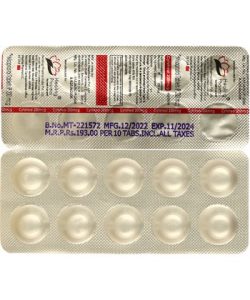
Cytotec
from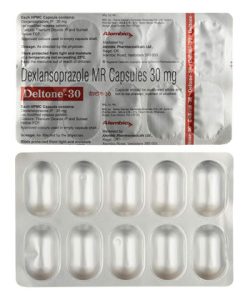
Dexilant
from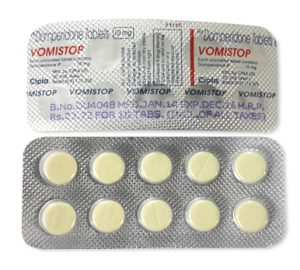
Domperidone
from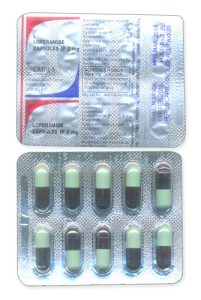
Imodium
from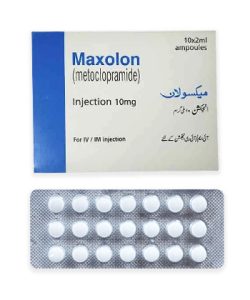
Maxolon
from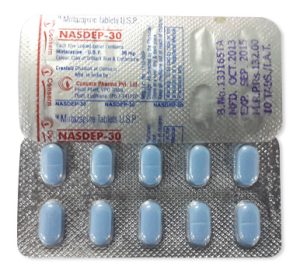
Mirtazapine
from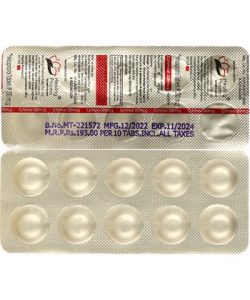
Misoprostol
from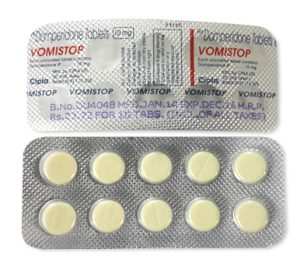
Motilium
from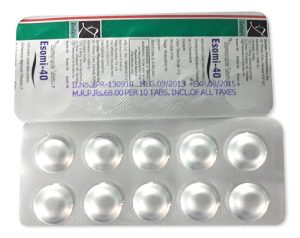
Nexium
from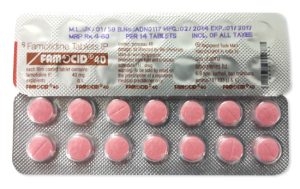
Pepcid
from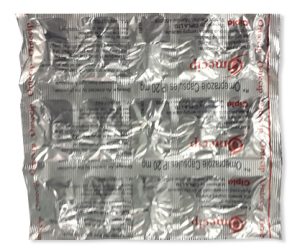
Prilosec
from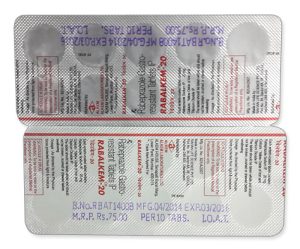
Rabeprazole
from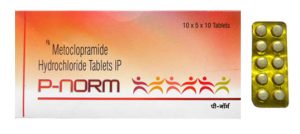
Reglan
from
Zantac
fromAcid Reflux and GERD Treatment
Gastroesophageal reflux disease, commonly known as GERD, affects millions of Americans who experience heartburn and acid regurgitation. This condition occurs when stomach acid flows backward into the esophagus, causing discomfort and potential damage to the esophageal lining. Understanding your treatment options can help you find relief and improve your quality of life.
Common Medications Available
Several classes of medications effectively manage GERD symptoms. Proton pump inhibitors like omeprazole, lansoprazole, and esomeprazole work by reducing acid production in the stomach, providing long-lasting relief. Histamine-2 blockers such as famotidine and ranitidine decrease acid secretion and are effective for many patients. Over-the-counter antacids containing calcium carbonate, magnesium hydroxide, and aluminum hydroxide offer quick temporary relief by neutralizing stomach acid.
Lifestyle modifications combined with medication provide the most effective relief. Avoiding trigger foods, eating smaller meals, and not lying down immediately after eating can significantly reduce symptoms. Many patients find that elevating the head of their bed helps prevent nighttime reflux. Making these adjustments alongside medication creates a comprehensive approach to managing GERD.
Nausea and Vomiting Management
Nausea and vomiting can result from various causes including motion sickness, chemotherapy, migraines, and general digestive upset. Effective anti-nausea medications help patients maintain comfort and proper nutrition during challenging health situations. Whether you’re dealing with occasional nausea or chronic symptoms, multiple treatment options are available.
Popular Antiemetic Medications
Ondansetron is widely prescribed for severe nausea, particularly after surgery or during cancer treatment. Metoclopramide helps by increasing stomach muscle contractions and moving food through the digestive system faster. Promethazine and dimenhydrinate are effective for motion sickness and general nausea. Prochlorperazine works well for severe vomiting episodes.
Beyond pharmaceutical options, ginger supplements and vitamin B6 offer natural alternatives for mild nausea. Eating bland foods, staying hydrated with small sips of water, and avoiding strong odors can complement medication therapy. Acupressure bands designed for motion sickness provide drug-free relief options for those seeking additional support.
Constipation and Digestive Regularity
Constipation affects a significant portion of the American population, causing discomfort and affecting quality of life. Restoring regular bowel movements requires understanding the underlying cause and selecting appropriate treatment options tailored to your needs.
Available Treatment Options
Multiple medication categories address constipation effectively:
- Stool softeners like docusate ease bowel movements without stimulating the bowel
- Osmotic laxatives including polyethylene glycol and lactulose draw water into the intestines to promote regularity
- Stimulant laxatives such as bisacodyl and senna trigger bowel contractions
- Bulk-forming agents like psyllium husk and methylcellulose add fiber to stool
Beyond medication, increasing water intake to at least eight glasses daily supports digestive health significantly. Adding fiber-rich foods including vegetables, fruits, and whole grains naturally promotes regularity. Regular physical activity and establishing consistent bathroom habits contribute to long-term digestive wellness. Probiotics may help restore healthy gut bacteria balance for improved digestive function.
Diarrhea and Digestive Upset Relief
Acute and chronic diarrhea can lead to dehydration and nutrient loss, making prompt treatment essential. Multiple medication options address different types and causes of diarrhea effectively, helping you feel better faster.
Common Antidiarrheal Medications
Loperamide slows intestinal movement and is effective for mild to moderate diarrhea. Bismuth subsalicylate reduces inflammation and fights bacterial causes of diarrhea. Attapulgite and kaolin work as adsorbent agents that bind harmful substances in the digestive tract. Diphenoxylate with atropine provides stronger relief for severe cases.
Hydration remains critically important during diarrheal episodes. Oral rehydration solutions containing electrolytes help restore necessary minerals and fluids lost through bowel movements. Clear broths, rice, bananas, and toast provide easily digestible nutrition. Most cases of acute diarrhea resolve within a few days with supportive care and appropriate medication.
Gas, Bloating, and Indigestion Solutions
Excessive gas, bloating, and general indigestion create uncomfortable abdominal symptoms affecting daily activities and overall well-being. Fortunately, numerous over-the-counter and prescription options provide relief from these bothersome conditions.
Effective Gas and Bloating Treatments
Simethicone breaks up gas bubbles in the stomach and intestines, providing quick relief from bloating and discomfort. Beano and similar products contain alpha-galactosidase enzyme that breaks down complex carbohydrates before fermentation occurs. Activated charcoal absorbs gas-causing substances effectively. Antacids combined with gas relievers offer combination therapy for comprehensive symptom management.
Dietary and behavioral modifications complement medication therapy effectively. Eating slowly and chewing food thoroughly reduces the amount of air swallowed during meals. Avoiding carbonated beverages, dairy products for lactose-intolerant individuals, and high-fiber foods eaten too quickly can minimize gas formation. Peppermint tea and ginger have natural carminative properties that ease digestive discomfort. Regular exercise promotes normal intestinal movement and gas passage.
Irritable Bowel Syndrome Management
Irritable bowel syndrome affects approximately one in seven Americans, causing abdominal pain, diarrhea, and constipation. Comprehensive treatment approaches combining medication, dietary changes, and stress management provide optimal symptom control and improved quality of life.
Medications for IBS Symptoms
Antispasmodic agents like dicyclomine and hyoscyamine reduce abdominal cramping and pain effectively. Alosetron and lubiprostone are prescription medications specifically designed for IBS symptoms. Antidepressants including amitriptyline help reduce visceral pain perception. Probiotics support healthy gut bacteria balance and may reduce symptom severity over time.
A holistic approach to IBS management produces the best results. Identifying personal trigger foods through dietary tracking helps minimize symptom flares. Low-FODMAP diets show significant effectiveness in reducing IBS symptoms for many patients. Stress reduction techniques including yoga, meditation, and regular exercise support mental and digestive health simultaneously. Working closely with healthcare providers and registered dietitians creates personalized treatment plans addressing individual needs. Many patients experience improved symptoms with consistent medication use combined with lifestyle modifications and ongoing professional support.