Domperidone
In brief
- Domperidone may be available from some online pharmacies and local markets without a prescription in certain countries, but in many places it is prescription-only and regulated because of heart-related safety concerns. Availability and legal status vary by country.
- Domperidone is used to treat nausea and vomiting and to help relieve symptoms of indigestion and delayed stomach emptying. It works by blocking dopamine D2 receptors, which increases gastrointestinal motility and has antiemetic effects.
- The usual adult dose is 10 mg up to 3 times daily, typically before meals. Dosing in children or special populations should only be used under medical supervision.
- The drug is commonly available as 10 mg tablets, oral suspension at 1 mg/mL, and oral drops at 1 mg/mL; in some countries, rectal suppositories may also exist.
- Domperidone usually starts working within about 30 to 60 minutes after taking it.
- The duration of action is generally about 4 to 6 hours.
- Avoid alcohol, as it may worsen side effects such as dizziness and nausea and can increase the risk of stomach irritation.
- The most common side effects are dry mouth, abdominal cramps, headache, and diarrhea.
- Would you like to try domperidone without a prescription?
Basic Domperidone Information
- INN (International Nonproprietary Name): Domperidone
- Brand names available in United States: Not specified
- ATC Code: A03FA03
- Forms & dosages: 10 mg tablets, 1 mg/mL oral suspension, 1 mg/mL oral drops; rare 30 mg and 60 mg suppositories outside the EU
- Manufacturers in United States: Not specified
- Registration status in United States: Not approved for routine use; compassionate use/IND only in specific circumstances
- OTC / Rx classification: Prescription Only (Rx) in most countries
Everyday Use And Best Practices
Can domperidone fit into a normal day without turning every meal into a medication reminder?
For most people, the answer is yes, as long as the medicine is taken exactly as prescribed and at the same time each day.
Domperidone for nausea is commonly used in a routine that sits naturally before breakfast, lunch, and dinner when a clinician directs it that way.
Many patients keep a dose tied to the same daily events, like a school drop-off, a lunch break, or a caregiving schedule, so it is easier to stay consistent.
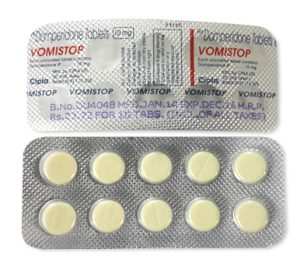
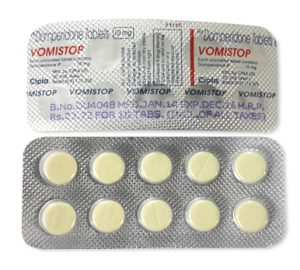
The medicine is sold as 10 mg tablets, 1 mg/mL oral suspension, and 1 mg/mL oral drops, and brand names may include Motilium, Domstal, Vomistop, Emidon, Peridys, Domecid, Digesan, and Inversion.
If a dose is missed, the safest approach is usually to take the next dose at the regular time unless the prescriber gave different instructions.
- Daily routine reminders: take it exactly as prescribed, keep the timing steady day to day, and use the same measuring device for liquid forms.
- What to do if a dose is missed: skip the missed dose if it is almost time for the next one, and do not double up unless a clinician told you to do so.
Morning Vs Evening Dosing
Does it matter whether the first dose is taken in the morning or at night?
What matters most is consistency and the timing your prescriber chose for your symptoms.
Some people find morning dosing easier because it lines up with work, school, or caregiving tasks, while others need evening dosing if symptoms are worse later in the day.
If nausea tends to interrupt meals, setting reminders on a phone can help keep domperidone on schedule without extra stress.
Taking With Or Without Meals
Should domperidone be taken with food?
Many prescriptions direct it before meals, because that timing can fit the way it is used for nausea or upper GI symptoms.
Follow the label and the prescriber’s direction, since timing may be adjusted for the person and the condition being treated.
If a dose must be fit around a busy lunch shift or a child’s feeding schedule, a simple alarm is often enough to keep the daily schedule on track.
Safety Priorities
Who should be cautious before starting domperidone?
Safety comes first because domperidone is prescription only in most countries and is linked to heart risk concerns in some patients.
People with heart rhythm problems, certain heart conditions, or medication interactions may need to avoid it, and that screening matters even more when there is a history of fainting, palpitations, or unexplained dizziness.
Regulatory agencies have also taken different approaches: EMA allows restricted prescription use, FDA does not approve routine use, MHRA restricts it, and Health Canada monitors it due to cardiac risk.
It is available in some markets such as Iran through ANMDMR listings, and it is also used in India, Russia, LATAM, Africa, and other regions as branded or generic products.
If alcohol worsens nausea or dizziness, it is sensible to avoid it while taking domperidone, and driving or hazardous tasks should be limited if lightheadedness shows up.
- Chest pain or pressure
- Fainting or near-fainting
- Fast, irregular, or pounding heartbeat
- Severe dizziness
- Shortness of breath
Who Should Avoid It
Can everyone who feels sick take it?
No, and that is why a medication review matters before domperidone is started.
Patients with a known heart rhythm disorder, a significant heart condition, or a history that raises cardiac risk should speak with a clinician before use.
The same caution applies when another medicine may interact and increase risk.
Activities To Limit
What daily activities should be adjusted while taking it?
If dizziness happens, driving, climbing ladders, operating machinery, and other hazardous tasks should be avoided until the feeling passes.
That same caution helps during school pickups, caregiving tasks, and long shifts where staying alert matters.
Dosage And Adjustments
How much domperidone is usually prescribed?
The standard adult regimen commonly listed for nausea, vomiting, and dyspepsia is 10 mg three times daily.
That dose should not be self-adjusted, because the right plan depends on the condition, the country’s rules, and the patient’s heart risk profile.
Some countries limit dose and duration because of safety concerns, so a short course may be preferred over longer use.
Children over 12 years or over 35 kg may have specific guidance, but only under a clinician’s direction.
Available forms include 10 mg tablets, 1 mg/mL oral suspension, and 1 mg/mL oral drops.
General Regimen
| Adult Versus Child Dosing Considerations | Do Not Change Dose If… |
|---|---|
| Adults are commonly prescribed 10 mg 3 times daily for nausea/vomiting or dyspepsia. | You have heart rhythm concerns, a new interacting medication, or a different labeled plan. |
| Children over 12 years or over 35 kg may receive clinician-directed guidance only. | The product label, country rules, or prescriber instructions are different from what you expected. |
Special Cases
What about gastroparesis or other stomach-emptying problems?
Domperidone for gastroparesis may be discussed in some settings, but treatment should stay within local guidance and clinician oversight.
That is especially important where treatment length is restricted or where the prescriber wants the lowest effective dose for the shortest time.
User Testimonials
What do people usually say after trying it?
Testimonials can be helpful for a real-world feel, but they are anecdotal and do not replace medical guidance.
People often describe less nausea, easier meal tolerance, and less bloating after starting Motilium or another listed product such as Domstal, Domperon, Peridys, or Digesan.
Others mention access barriers, prescription restrictions, or side effects that made them stop and call their clinician.
Positive Reports
- Reduced queasiness during meals
- Better tolerance of food and liquids
- Less bloating or post-meal fullness
Common Challenges
- Delayed access because the medicine is prescription only in many places
- Uncertainty about which brand or generic to choose
- Side effects or cardiac caution that need professional follow-up
Buying Guide
How do you buy domperidone without getting the wrong product?
Start with a licensed pharmacy, confirm the exact strength and dosage form, and check whether it is prescription only where you live.
If you are comparing brand and generic options, do that with pharmacist guidance rather than switching on your own, especially when the formulation is a suspension or oral drops.
Manufacturers and suppliers in global markets include Janssen-Cilag, Teva Pharma, Sandoz, Sanofi, Torrent, Cipla, Sun Pharma, Ranbaxy, KRKA, Richter Gedeon, and Pharmstandard.
Packaging may come as tablet blisters or strip packs of 10, 20, 30, or 100 units, or as 30 mL and 60 mL suspension bottles.
In our online pharmacy, domperidone is available without a prescription, with discreet delivery to United States in 5-14 days.
Pharmacy Sources
| What To Check Before Buying | Brand Vs Generic Considerations |
|---|---|
| Licensed seller, correct strength, correct form, and local prescription rules | Brand names like Motilium may be easier to recognize, while generics can offer a lower price |
| Packaging size, expiration date, and storage instructions | Do not switch products without professional guidance if your symptoms are sensitive to timing |
Price Comparison
What changes the price the most?
Country availability, brand versus generic selection, and package size are the main factors.
Comparing several licensed options helps, but the safest purchase is still the one that matches the prescribed strength and dosage form.
What Is Inside And How It Works
What exactly is domperidone doing in the body?
The active ingredient is domperidone, the International Nonproprietary Name used worldwide.
It is classified under ATC code A03FA03, which places it in drugs for functional gastrointestinal disorders, specifically peristaltic stimulants and antiemetics under the alimentary tract and metabolism group.
In plain terms, it helps with nausea and vomiting and may make the upper digestive tract move more smoothly.
Ingredients Overview
| What It Does | What It Does Not Do |
|---|---|
| Acts as a peristaltic stimulant and antiemetic | Does not replace evaluation for chest pain, fainting, or severe dehydration |
| May reduce queasiness and help meals feel more manageable | Does not cure the underlying cause of every nausea problem |
Mechanism Basics
Why do patients often feel less queasy on it?
By supporting motility and reducing nausea signals, domperidone can make it easier to eat and keep food down when a clinician decides it is the right fit.
Main Indications
When is domperidone used most often?
The most common public product-data uses are nausea, vomiting, and dyspepsia.
Some clinicians may consider it for other situations, depending on local rules and the patient’s history, but that should stay under medical oversight.
Country approvals differ, with Europe mainly allowing short-course prescription use, the USA not approving routine use, Canada restricting use, and Iran listing branded and generic versions through ANMDMR.
Approved Uses
- Nausea
- Vomiting
- Dyspepsia
Off-Label Uses
- Some clinician-directed use for motility-related symptoms
- Case-by-case use where local rules allow it
Interaction Warnings
Can it be taken with other medicines or supplements?
That depends less on food and more on the risk of drug conflicts.
Domperidone may need timing guidance with meals if a clinician says so, but the bigger concern is whether another medicine affects heart rhythm or drug metabolism.
Prescription status varies by country, and because of that, medication review is important before starting treatment.
Food Interactions
If the prescription says to take it before meals, follow that direction instead of changing the schedule on your own.
Meal timing is less about strict rules and more about matching the medication to the symptom pattern.
Drug Conflicts
Tell your clinician or pharmacist about every prescription, over-the-counter medicine, vitamin, and supplement.
That list matters most if anything can affect the heart rhythm or change how the medicine is handled by the body.
- Bring this list to your clinician/pharmacist: all prescriptions, OTC drugs, vitamins, supplements, and recent medication changes.
- Also mention: any history of fainting, palpitations, or prior heart rhythm concerns.
Latest Evidence And Insights
What do current safety messages emphasize?
Domperidone remains useful for some patients, but regulators keep stressing short courses, the lowest effective dose, and careful screening because of cardiac concerns.
That is why labeling and access vary so much from one country to another.
FDA does not approve routine use, while EMA authorization varies by country, MHRA restricts it in the UK, and Health Canada continues monitoring it.
What Current Guidance Emphasizes
- Screen for heart risk before starting
- Use the lowest effective dose
- Keep treatment short when possible
- Review other medicines for interaction risk
Why Restrictions Exist
The restrictions exist because regulators want to balance symptom relief with cardiac safety.
That is especially important when a patient is already taking medicines that could complicate heart rhythm monitoring.
Alternative Choices
What if domperidone is not the right fit?
Another option may be better when the cause of nausea is different, when cardiac risk is too high, or when local rules make access difficult.
Supportive care still matters, and simple steps often help alongside clinician-approved therapy.
When Another Option May Be Better
| Drug Option | Non-Drug Option | When To Discuss It |
|---|---|---|
| Domperidone or another antiemetic chosen by a prescriber | Hydration, smaller meals, and bland foods | When nausea keeps coming back or eating becomes hard |
Non-Drug Support
Smaller meals, hydration, and avoiding triggers can reduce strain on the stomach.
If domperidone is not appropriate, a prescriber may choose a different therapy based on the cause of symptoms.
Regulation Snapshot
Why is domperidone easy to find in some places and hard to obtain in others?
Regulation is the reason.
Prescription-only access is the norm in most countries, but course length, labeling, and approved uses vary a lot by region.
The United States is separate from many other markets because routine approval is not in place, so access there is limited to special circumstances.
Country-By-Country Differences
| Country Or Region | Status Or Access Notes |
|---|---|
| United States | Not approved for routine use; compassionate use/IND only in special circumstances |
| Europe | Prescription-only and restricted |
| United Kingdom | Restricted |
| Canada | Prescription-only and monitored |
| Iran | Public registry available; branded and generic listings may appear |
| India | Widely available; branded and generic products |
| Russia | Widely available; branded and generic products |
| Latin America | Widely available; branded and generic products |
| Africa | Widely available; branded and generic products |
| Turkey | Prescription-only |
| Egypt | Prescription-only |
| China | Prescription-only |
Prescription Status
In most places, domperidone is Rx only, so local rules should be checked before ordering or using it.
Frequently Asked Questions
Patients usually want quick answers before they order or take a first dose.
Here are the questions that come up most often in pharmacy counseling.
- Can domperidone be taken with food? Yes, but follow the exact timing on the prescription, and many directions place it before meals.
- How long does it take to work? Many people look for symptom relief within the dosing schedule, but response varies by cause and by patient.
- Is it suitable for children? Pediatric use is more limited and clinician-directed, often only for children over 12 years or over 35 kg.
- What forms are sold? 10 mg tablets, 1 mg/mL oral suspension, and 1 mg/mL oral drops are the main forms.
Guidelines For Proper Use
What should be done at home once the medicine arrives?
Store domperidone exactly as labeled, keep it out of reach of children, and never share it with anyone else.
If the product is a liquid, use the measuring device that comes with it rather than a kitchen spoon.
Packaging may come as amber glass or plastic bottles of 30 mL or 60 mL for suspension, dropper bottles, or blister and strip packs for tablets.
If vomiting is getting worse or symptoms are not improving, it is time to contact a clinician rather than increasing the dose on your own.
Storage And Handling
- Keep tablets, suspension, and drops in the original package
- Use the correct measuring device for liquid doses
- Store out of reach of children
- Do not share the medicine with anyone else
When To Call A Clinician
- Chest symptoms, fainting, or severe palpitations
- Severe dizziness or shortness of breath
- Worsening vomiting or inability to keep fluids down
- Any new symptom after starting a medicine that could interact
Delivery Across United States
| City | Region | Delivery Time |
|---|---|---|
| New York City | Northeast | 5-7 days |
| Los Angeles | West | 5-7 days |
| Chicago | Midwest | 5-7 days |
| Houston | South | 5-7 days |
| Phoenix | West | 5-7 days |
| Philadelphia | Northeast | 5-7 days |
| San Antonio | South | 5-7 days |
| San Diego | West | 5-7 days |
| Dallas | South | 5-7 days |
| San Jose | West | 5-7 days |
| Austin | South | 5-9 days |
| Jacksonville | South | 5-9 days |
| Fort Worth | South | 5-9 days |
| Columbus | Midwest | 5-9 days |
| Charlotte | South | 5-9 days |