Reglan
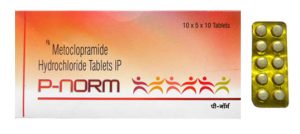
In brief
- Reglan (metoclopramide) is sold in pharmacies, hospitals, and online; it is officially prescription-only (Rx) in most countries including the USA, EU, and India, though availability varies and some pharmacies or online vendors may supply it without a prescription depending on local practice and regulations.
- Reglan is used to treat gastroesophageal reflux disease (GERD), diabetic gastroparesis, and nausea/vomiting (including procedure- or chemotherapy-related); it works primarily as a dopamine (D2) receptor antagonist with prokinetic effects that enhance gastric emptying and provide central antiemetic action.
- Usual adult doses are commonly 10 mg up to 3–4 times daily (typical total 30–40 mg/day); for some short-term GERD regimens doses up to 60 mg/day have been used under supervision; pediatric dosing is weight-based, elderly and patients with renal or hepatic impairment require lower doses; IV dosing for acute nausea is individualized.
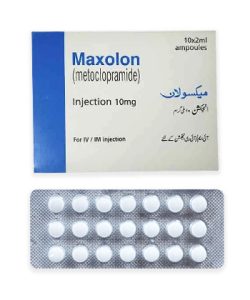
- Available oral tablets (5 mg, 10 mg), orally disintegrating tablets (ODT), oral solution (5 mg/5 mL), injectable solution (5 mg/mL in ampoules/vials), and a nasal spray formulation (Gimoti) in some markets—administration routes include oral, IV/IM injection, and intranasal (product-dependent).
- Onset: oral tablets and solution generally begin working within about 30–60 minutes (ODTs may act faster, ~15–30 minutes); IV administration produces antiemetic effects within minutes.
- Duration of action is typically about 4–6 hours per dose (half-life roughly 4–6 hours; effects may vary by route and individual).
- Alcohol warning: avoid alcohol while taking Reglan because it can increase drowsiness, impair coordination, and may worsen central nervous system side effects including extrapyramidal symptoms.
- The most common side effect is drowsiness (other frequent effects include fatigue, restlessness/akathisia, headache, nausea, and diarrhea; serious risks include extrapyramidal reactions and tardive dyskinesia with prolonged use).
- Would you like to try reglan without a prescription?
Basic Reglan Information
- INN (International Nonproprietary Name): Metoclopramide
- Brand Names Available In United States: Reglan; Metozolv ODT; Gimoti (nasal spray)
- ATC Code: A03FA01
- Forms & Dosages: Tablets 5 mg and 10 mg; Orally disintegrating tablets 5 mg and 10 mg; Oral solution 5 mg/5 mL; Injectable solution 5 mg/mL (ampoules/vials); Gimoti nasal spray (metoclopramide per spray)
- Manufacturers In United States: Marketed by several companies including ANI Pharmaceuticals and Bausch Health
- Registration Status In United States: FDA-approved and listed in the FDA database; prescription-only (Rx)
- OTC / Rx Classification: Prescription-only (Rx) in nearly all jurisdictions due to neurological safety risks
Everyday Use & Best Practices
Morning Vs Evening Dosing
Are you wondering whether to take reglan in the morning or at night?
Typical regimens use metoclopramide tablets 10 mg up to four times daily for GERD or gastroparesis, with limits that differ by indication.
For twice-daily or thrice-daily schedules, space doses evenly to keep symptom control steady throughout the day.
For example, TID dosing can be taken in the morning, early afternoon, and early evening to avoid late-night stimulation or daytime drowsiness.
Clinicians often reduce doses for older adults or people with renal impairment, so follow the lower fixed schedule if your prescriber adjusts dose.
Never increase frequency above the recommended maximum for your condition without clinician approval.
Taking With Or Without Meals
Can you take metoclopramide with food?
Oral tablets and the oral solution may be taken with or without meals according to the product insert.
If you typically feel nausea before meals, taking metoclopramide 15–30 minutes before eating helps accelerate gastric emptying and reduce symptoms.
For rapid relief or procedure-related nausea, injectable forms are used only by clinicians and are supplied as 5 mg/mL ampoules or vials.
- Checklist For Daily Routine: Take doses at evenly spaced times; use lower doses if elderly or renal impairment; carry a medication card mentioning Metoclopramide (Reglan/Metozolv/Gimoti).
| Symptom Pattern | Suggested Timing |
|---|---|
| Pre-meal nausea | Take 15–30 minutes before meal |
| Daytime recurrent nausea | Use TID evenly spaced (morning, early afternoon, early evening) |
| Nighttime reflux symptoms | Avoid late-night dosing; consult prescriber for timing |
Safety Priorities
Who Should Avoid It
Worried about whether reglan is safe for you?
Do not use metoclopramide if you have pheochromocytoma, gastrointestinal obstruction/perforation/hemorrhage, uncontrolled epilepsy, a history of tardive dyskinesia with metoclopramide, or known hypersensitivity to the drug.
Exercise caution if you have Parkinson’s disease, depression, renal or hepatic impairment, or if you are elderly or breastfeeding because these states raise the risk of adverse effects.
Discuss alternatives if you are taking antipsychotics or other dopamine-blocking agents since combined therapy increases movement disorder risk.
- Major Contraindications: Pheochromocytoma; GI obstruction/perforation/hemorrhage; prior tardive dyskinesia with metoclopramide; uncontrolled seizure disorder; hypersensitivity.
Activities To Limit
Which activities should be limited when taking reglan?
Common side effects include drowsiness, fatigue, and restlessness, so avoid driving or operating heavy machinery until you know how the drug affects you.
If acute extrapyramidal symptoms such as dystonia or severe restlessness occur, stop the medication per clinician guidance and seek immediate care.
If you develop fever with muscle rigidity, sudden severe drowsiness, new involuntary movements, or unexplained breast milk production, contact your clinician right away.
- Quick Checklist For When To Call Your Clinician: New involuntary movements; fever plus rigidity; severe drowsiness or confusion; unexpected galactorrhea or sexual dysfunction.
Dosage & Adjustments
General Regimen
What dose of reglan will your prescriber likely choose?
For GERD, typical adult dosing is 10–15 mg up to four times daily with a usual maximum of 60 mg/day and short-term treatment typically for 4–12 weeks.
For diabetic gastroparesis, clinicians commonly prescribe 10 mg up to four times daily, with suggested maximums often lower (commonly 40 mg/day) and typical short durations of 2–8 weeks.
For chemotherapy- or procedure-related nausea, IV or IM dosing is individualized and administered by healthcare providers only.
Available forms include tablets (5 mg, 10 mg), orally disintegrating tablets such as Metozolv ODT, oral solution 5 mg/5 mL, injectables 5 mg/mL, and the Gimoti nasal spray for gastroparesis.
Special Cases
What if you are older, have kidney problems, or are on other drugs?
Reduce doses for elderly patients and for renal impairment, adjusting proportionally to GFR as clinical discretion dictates.
Hepatic impairment also calls for lower dosing and close monitoring for CNS and extrapyramidal toxicity.
Children require weight-based dosing and metoclopramide is generally not recommended for neonates.
| Indication | Typical Dose | Max Daily | Duration |
|---|---|---|---|
| GERD | 10–15 mg up to 4x daily | 60 mg | 4–12 weeks |
| Diabetic Gastroparesis | 10 mg up to 4x daily | 40 mg | 2–8 weeks |
| Procedure/Chemotherapy NV | Individualized IV/IM dosing | — | Single or short-term |
User Testimonials
Positive Reports
Curious how real patients describe reglan?
Many patients with diabetic gastroparesis report faster gastric emptying and fewer vomiting episodes when metoclopramide is effective for them.
People who struggle with swallowing prefer Metozolv ODT or the oral solution, and some with poor oral tolerance have benefited from Gimoti nasal spray for gastroparesis.
Positive reports usually emphasize quick relief of nausea and improved ability to finish meals without prolonged fullness.
Common Challenges
What problems do patients commonly report?
Common challenges include drowsiness, restlessness, and in some cases acute dystonic reactions shortly after starting therapy.
Longer-term use brings concern about tardive dyskinesia, so many patients prefer short courses and active monitoring.
- Testimonial Checklist: Symptom improved; side effects experienced; duration of use; was long-term risk discussed by prescriber?
| Reported Benefit | Reported Adverse Effect |
|---|---|
| Less nausea and vomiting | Drowsiness, fatigue |
| Improved postprandial fullness | Restlessness, akathisia |
| Better tolerance with ODT or nasal spray | Concern about tardive dyskinesia with longer use |
Buying Guide
Pharmacy Sources
Where can you get reglan in the United States?
Metoclopramide is prescription-only in the USA and is available as Reglan, generic metoclopramide, Metozolv ODT, or Gimoti nasal spray depending on formulation and indication.
Fill routine oral prescriptions at community, chain, or hospital outpatient pharmacies, while injectables are dispensed and administered in clinical settings.
Compounding pharmacies can prepare special liquid formulations when needed for individual patients.
In our online pharmacy, reglan is available without a prescription, with discreet delivery to United States in 5-14 days.
Price Comparison
How do prices stack up?
Generic metoclopramide tablets and oral solution tend to be the lowest cost options, while branded items like Gimoti and Metozolv ODT are usually more expensive.
Use price-comparison tools, manufacturer savings cards, and coupons to reduce out-of-pocket cost.
| Form | Usual Price Range | Where To Buy |
|---|---|---|
| Generic Tablets 5 mg/10 mg | Lower cost | Retail and chain pharmacies |
| Metozolv ODT | Moderate to higher cost | Retail pharmacies |
| Gimoti Nasal Spray | Higher cost; specialty channels | Specialty pharmacy |
| Injectable 5 mg/mL | Facility/billing varies | Hospital or clinic pharmacy |
- Paperwork Tip: Bring a valid prescription, photo ID, and insurance information when filling Rx at a pharmacy.
What’s Inside & How It Works
Ingredients Overview
What is the active ingredient in reglan?
The active ingredient is metoclopramide hydrochloride, commonly shortened to metoclopramide in product literature.
Topical excipients and inactive ingredients vary by manufacturer, so check the package insert if you have known allergies to fillers or dyes.
Available dosage forms in the United States include tablets 5 mg and 10 mg, orally disintegrating tablets, oral solution 5 mg/5 mL, injectable solution 5 mg/mL, and the Gimoti nasal spray formulation.
Mechanism Basics
How does metoclopramide relieve nausea and improve motility?
Metoclopramide is a dopamine D2 receptor antagonist with prokinetic activity categorized under ATC A03FA01.
It increases gastric emptying and raises lower esophageal sphincter tone, which helps manage reflux and gastroparesis symptoms.
Anti-emetic effects stem from central dopamine blockade, but that central action also explains the neurological adverse effect profile, including extrapyramidal symptoms and tardive dyskinesia with prolonged or high-dose use.
- Form → Onset/Duration: Injection (fastest onset); nasal spray (Gimoti) and ODTs (rapid absorption); standard tablets and oral solution (typical oral onset).
Main Indications
Approved Uses
What are the FDA-approved uses for reglan?
Metoclopramide is FDA-approved for symptomatic treatment of nausea and vomiting and as a prokinetic agent for diabetic gastroparesis when diagnosis is confirmed.
It is also prescribed for short-term management of GERD when standard therapy is insufficient, typically for 4–12 weeks depending on response.
Off-Label Uses
Do clinicians use reglan for anything else?
Clinicians sometimes use metoclopramide in combination with other antiemetics for chemotherapy- or procedure-related nausea, or for refractory gastroparesis with close monitoring.
Alternatives such as erythromycin or domperidone (not available in the USA) may be considered depending on local availability and risk profiles.
| Indication | Typical Regimen/Duration |
|---|---|
| Diabetic Gastroparesis | 10 mg up to 4x daily; 2–8 weeks (short-term) |
| GERD (Refractory) | 10–15 mg up to 4x daily; 4–12 weeks |
| Chemo/Procedure Nausea | Individualized IV dosing for single or short-term use |
- Checklist Before Starting: Confirm indication; discuss expected duration; document plan for monitoring movement disorders.
Interaction Warnings
Food Interactions
Are there foods that change how reglan works?
No major food interactions are documented for metoclopramide tablets or the oral solution, though timing relative to meals matters clinically for gastric emptying.
Avoid alcohol because it can add to drowsiness and sedation from metoclopramide.
Drug Conflicts
Which drugs should you avoid combining with metoclopramide?
Metoclopramide can interact with other dopamine antagonists and antipsychotics, increasing the risk of extrapyramidal symptoms and tardive dyskinesia.
Co-administration with CNS depressants will increase sedation, and combining with agents that lower seizure threshold requires caution.
Domperidone is an alternative used in other countries but is not available in the USA due to cardiac risk concerns.
- Tell Your Clinician About: All prescription meds, OTC drugs, herbal supplements, alcohol use, pregnancy or breastfeeding status, and any history of movement disorders or seizures.
Latest Evidence & Insights
Key Studies Summary
What does recent evidence say about reglan?
Recent guidance highlights restricting metoclopramide to short-term use because tardive dyskinesia risk rises with cumulative dose, older age, and longer treatment duration.
Clinical trials show meaningful symptom improvement in diabetic gastroparesis and effective control of procedure-related nausea, but safety concerns limit prolonged use.
Comparative studies point to alternatives such as erythromycin or antiemetic combinations in certain settings.
Practice-Changing Updates
How have prescribing patterns changed?
Regulatory agencies and clinical guidance now emphasize short courses, active neurologic monitoring, and informed discussion about tardive dyskinesia risks before prolonged therapy.
For refractory gastroparesis, newer device-based or procedural options are gaining attention at specialty centers where available.
| Benefit | Risk |
|---|---|
| Improved gastric emptying and nausea control | Tardive dyskinesia with long-term or high-dose use |
| Fast relief for procedure-related NV when given IV | Acute extrapyramidal symptoms early in therapy |
- Monitoring Metrics: Baseline movement assessment; periodic re-evaluation while on therapy; clear stop criteria for involuntary movements.
Alternative Choices
Prescription Options
What can replace reglan when it’s not suitable?
Alternatives depend on the indication and include erythromycin as a prokinetic, ondansetron or prochlorperazine for nausea, and domperidone where available outside the USA.
For GERD, intensifying proton pump inhibitor therapy or changing H. pylori management when indicated can reduce reliance on prokinetic drugs.
Non-Pharmacologic Strategies
What lifestyle moves help with gastroparesis or reflux?
Dietary changes—smaller, more frequent meals and low-fat, low-fiber choices—often reduce symptoms for gastroparesis.
Positional adjustments such as staying upright after meals, glycemic optimization in people with diabetes, and dietitian referral are effective adjuncts.
| Option | Pros | Cons |
|---|---|---|
| Erythromycin | Prokinetic effect | Antibiotic side effects; tachyphylaxis |
| Ondansetron | Effective antiemetic without dopamine blockade | Does not improve gastric emptying |
| Dietary Changes | No drug risks; helpful long-term | Requires adherence and specialist support |
- Shared Decision-Making Tip: Discuss benefits versus risks and consider specialty referral for refractory cases.
Regulation Snapshot
Us Regulatory Notes
How is reglan regulated in the United States?
Metoclopramide (marketed as Reglan and generics) is FDA-approved and prescription-only in the USA, with boxed warnings and label guidance about the risk of tardive dyskinesia.
Gimoti nasal spray is an FDA-marketed option for gastroparesis in the United States.
International Differences
How does regulation vary internationally?
In the EU and in Romania metoclopramide is approved and listed by EMA and national agencies and appears under brand names such as Reglan and Primperan.
Domperidone is available in many countries but has cardiac risk restrictions and is not approved for use in the USA.
| Region | Brand Names / Notes | Regulatory Cautions |
|---|---|---|
| United States | Reglan, Metozolv ODT, Gimoti | Rx-only; warnings about tardive dyskinesia; FDA recommends limiting duration |
| European Union | Reglan, Primperan, generics | Rx-only; national variations on duration warnings |
| Asia (Select) | Perinorm, generics | Approved locally; domperidone availability varies |
- Where To Check Up-To-Date Registrations: FDA, EMA, or national agencies such as ANMDMR for Romania.
FAQ Section
Quick Answers
Can I stop metoclopramide suddenly?
Follow your clinician’s advice; for short-term use abrupt stopping is often acceptable, but report movement symptoms immediately if they appear.
How long before I expect relief?
Many patients notice relief from nausea within 30–60 minutes after oral dosing; injectable forms act faster and ODTs/oral solution may work slightly quicker than standard tablets.
What if I miss a dose?
Take the missed dose as soon as you remember unless it is close to the next scheduled dose; do not double up.
When should I call the doctor?
Call for new involuntary movements, severe drowsiness, high fever with rigidity, suspected allergic reaction, or other concerning symptoms.
Troubleshooting Common Issues
What if drowsiness is a problem?
Talk to your prescriber about changing the timing of doses, lowering the dose, or switching to an alternative antiemetic or prokinetic.
What if nausea persists despite treatment?
Request re-evaluation, consider specialist referral, and review adherence, timing relative to meals, and possible drug interactions.
- Troubleshooting Checklist: Watch for movement disorders; keep a med list; review other CNS meds; document onset and pattern of symptoms for clinic visits.
Guidelines For Proper Use
Safe Administration Steps
How do you take reglan safely at home?
Verify the prescription details: drug name Metoclopramide/Reglan, form, and tablet strength (5 mg or 10 mg) or oral solution concentration (5 mg/5 mL).
For gastroparesis, take oral doses 15–30 minutes before meals unless your clinician instructs otherwise.
Only trained clinicians should administer injectable metoclopramide (5 mg/mL ampoules/vials), and follow device instructions for Gimoti nasal spray.
Monitoring & Follow-Up
What monitoring will your clinician do?
Obtain a baseline movement assessment and check seizure history, renal function, and liver function when clinically indicated.
Schedule follow-up within 1–2 weeks for acute use or sooner if side effects emerge.
If therapy extends beyond recommended short-term windows, periodic neurologic assessments and documented informed consent about tardive dyskinesia risk are advised.
For overdose seek immediate care; watch for drowsiness, confusion, extrapyramidal reactions, and seizures.
- Printable Checklist For Patients: Verify Rx details; take as instructed; keep a medication card; schedule follow-up; stop and call clinician for new involuntary movements.
Delivery Across United States
| City | Region | Delivery Time |
|---|---|---|
| New York | New York | 5-7 days |
| Los Angeles | California | 5-7 days |
| Chicago | Illinois | 5-7 days |
| Houston | Texas | 5-7 days |
| Phoenix | Arizona | 5-7 days |
| Philadelphia | Pennsylvania | 5-7 days |
| San Antonio | Texas | 5-7 days |
| San Diego | California | 5-7 days |
| Dallas | Texas | 5-7 days |
| San Jose | California | 5-7 days |
| Austin | Texas | 5-7 days |
| Jacksonville | Florida | 5-7 days |
| Fort Worth | Texas | 5-7 days |
| Columbus | Ohio | 5-7 days |
| Charlotte | North Carolina | 5-7 days |