Prilosec
In brief
- In many pharmacies (including some online pharmacies) you can buy prilosec (omeprazole) without a prescription — OTC 20 mg short-course packs are widely available; higher doses or larger/long-term packs (10–40 mg chronic use) may require a prescription.
- Prilosec is used for symptomatic heartburn/GERD, erosive esophagitis, peptic/duodenal ulcers, as part of H. pylori eradication regimens, and for hypersecretory conditions; it is a proton pump inhibitor that irreversibly blocks the gastric H+/K+ ATPase in parietal cells to reduce stomach acid production.
- Usual dosages: OTC heartburn — 20 mg once daily for 14 days (max one course every 4 months); Rx — 20–40 mg once daily for erosive esophagitis or ulcers (4–8 weeks); H. pylori — 20 mg twice daily with antibiotics for 10–14 days; Zollinger–Ellison — start ~60 mg daily and titrate (often 20–120 mg/day); pediatric dosing is weight/age-based.
- Forms of administration include delayed-release capsules/tablets (10, 20, 40 mg), oral suspension/powder packets (e.g., 2.5 mg, 10 mg per packet), dispersible/dry powder, and a limited IV formulation (40 mg vial).
- Onset time: acid reduction begins within about 1 hour and some symptom relief may occur within 1 day, but maximal effect often takes 2–4 days of regular dosing.
- Duration of action: each dose typically suppresses acid for about 24 hours, with cumulative and sustained acid control after repeated daily dosing due to irreversible pump inhibition.
- Alcohol warning: avoid excessive alcohol — while moderate alcohol does not have a direct contraindication with omeprazole, alcohol can worsen reflux and gastric irritation and should be limited.
- The most common side effect is headache; other frequent adverse effects include stomach pain/cramps, nausea, diarrhea or constipation, flatulence, and dizziness.
- Would you like to try prilosec without a prescription?
Basic Prilosec Information
- INN (International Nonproprietary Name): Omeprazole
- Brand Names Available In United States: Prilosec; Prilosec OTC (20 mg short-course packs)
- ATC Code: A02BC01 (Proton Pump Inhibitors for Acid-Related Disorders)
- Forms & Dosages: Delayed-release capsule/tablet 10 mg, 20 mg, 40 mg; oral suspension powder packets 2.5 mg, 10 mg; dispersible/dry powder 10 mg, 20 mg, 40 mg; limited IV 40 mg vial
- Manufacturers In United States: AstraZeneca (original brand), Prilosec OTC marketed via consumer channels (Pfizer/P&G supply in retail), plus multiple generic suppliers (Teva, Sandoz, Mylan)
- Registration Status In United States: FDA-approved as prescription Prilosec and as OTC Prilosec OTC for short-term heartburn relief
- OTC / Rx Classification: 20 mg short-term low-count packs available OTC; 10 mg, 20 mg, 40 mg and larger or chronic-use formats are prescription
Everyday Use & Best Practices
Are you wondering how to make prilosec part of a reliable routine?
Pick a consistent time each day to improve adherence and match the drug’s action with meal-related acid secretion.
Many patients take omeprazole once daily in the morning about 20–30 minutes before breakfast to maximize acid suppression.
For night-time heartburn, clinicians sometimes recommend evening dosing or splitting doses for more severe symptoms.
OTC guidance for Prilosec OTC is 20 mg once daily for 14 days with a maximum of one course every four months.
Prescription regimens for chronic or erosive disease may be 20–40 mg once daily or different timing—follow your prescriber.
Morning Vs Evening Dosing
- Morning Before Breakfast: Pros—targets daytime proton pump activation; convenient for routines.
- Evening: Pros—may help predominant night reflux or sleep disturbance from heartburn.
- Split Dosing: Pros—used for severe disease; requires prescriber direction and monitoring.
- Cons: Changing timing without guidance may reduce effectiveness.
Taking With Or Without Meals
Omeprazole is a delayed-release medicine designed to survive stomach acid and be absorbed in the intestine.
Take capsules whole and avoid crushing or chewing delayed-release formulations.
Taking the dose 20–30 minutes before a meal—often breakfast—improves acid suppression because the proton pumps are more active then.
For people who can’t swallow pills, dispersible powders or suspension packets are available and should be used per label or prescriber instructions.
Simple tips: drink water, sit upright after dosing, and use a pill organizer when traveling.
Safety Priorities
Who should pause before taking prilosec and what monitoring is needed?
A documented allergy to omeprazole or other substituted benzimidazoles is an absolute contraindication and the drug should not be taken.
Concomitant use with nelfinavir is contraindicated because of a serious drug interaction risk.
Use lower doses and close monitoring in moderate to severe liver impairment—maximum doses are often limited to 10–20 mg/day in hepatic dysfunction.
Caution is advised for patients with a history of Clostridium difficile infection, osteoporosis, or hypomagnesemia risk when long-term therapy is considered.
Who Should Avoid It
| Contraindication | Reason / Note |
|---|---|
| Known Hypersensitivity | Do not take omeprazole or related benzimidazoles |
| Use With Nelfinavir | Serious interaction—avoid co-administration |
| Severe Liver Impairment | Lower max dose (commonly 10–20 mg/day); discuss alternatives |
Activities To Limit
- Avoid driving or heavy machinery if you experience dizziness or drowsiness while taking omeprazole.
- Discuss bone health and magnesium monitoring with your provider if using PPIs long-term.
- Stop the drug and seek immediate care for allergic signs, severe abdominal pain, persistent watery diarrhea, or unexplained weight loss.
Dosage & Adjustments
What dose should you take for common conditions and when does it change?
For OTC heartburn, the usual regimen is Prilosec OTC 20 mg once daily for 14 days with a maximum of one course every four months.
Prescription doses depend on the condition—erosive esophagitis often requires 20–40 mg once daily for 4–8 weeks, while peptic ulcer therapy commonly uses 20 mg daily for 4–8 weeks.
H. pylori regimens use 20 mg twice daily with appropriate antibiotics for 10–14 days.
General Regimen
| Indication | Typical Dose | Typical Duration |
|---|---|---|
| OTC Heartburn | 20 mg once daily | 14 days (max 1 course/4 months) |
| Erosive Esophagitis | 20–40 mg once daily | 4–8 weeks |
| H. pylori Eradication | 20 mg twice daily + antibiotics | 10–14 days |
Special Cases
- Zollinger–Ellison Syndrome: Requires specialist care with higher titrated doses starting around 60 mg daily and ranging often from 20–120 mg/day.
- Pediatrics: Dosing is weight- and age-based (for example, about 10 mg for 10–20 kg; 20 mg if >20 kg) and may use syrup or adjusted capsules.
- Hepatic Impairment: Use the lowest effective dose and typically limit to 10–20 mg/day in moderate–severe liver disease.
- Missed Dose: Take when remembered unless the next dose is near—do not double up.
User Testimonials
What do real patients frequently report when using prilosec?
Many people notice meaningful relief of reflux and heartburn within days to weeks when using omeprazole 20–40 mg as directed for their condition.
Patients commonly describe better sleep, fewer interruptions by antacids, and healing of erosive esophagitis on prescribed courses.
OTC users often appreciate the once-daily convenience and the short 14-day course for intermittent symptoms.
Positive Reports
- Rapid reduction in daily heartburn within 2–7 days for many users taking 20 mg once daily.
- Improved nighttime symptoms and fewer antacid rescues after a week on consistent dosing.
- Clear improvement in endoscopic healing for erosive disease when used per prescription over 4–8 weeks.
Common Challenges
Breakthrough symptoms can occur; timing adjustment or stepping up to a prescription dose may be needed under clinician guidance.
Some users experience mild GI side effects—headache, nausea, or diarrhea—that often resolve without stopping the medicine.
Long-term users sometimes worry about bone health, low magnesium, or infection risk and work with providers to reassess the need for ongoing PPI therapy.
Buying Guide
Where can you buy prilosec and how do prices compare?
Prilosec OTC and prescription omeprazole are widely available at national retailers including CVS, Walgreens, and Walmart, and through many online pharmacies and retailers in the United States.
OTC 14–28 count Prilosec OTC packs are common, while prescription omeprazole is available as generics in 10–40 mg strengths and larger bottle sizes that are often more economical for long-term users.
Pharmacy Sources
| Purchase Channel | Pros | Cons |
|---|---|---|
| In-Store (CVS, Walgreens, Walmart) | Immediate pickup; staff counseling available | May be higher unit price for OTC packs |
| Online Pharmacy | Convenience; bulk generics often cheaper | Delivery time; ensure licensed pharmacy |
Price Comparison
- Generics usually offer the lowest per-tablet cost for chronic therapy.
- OTC Prilosec 14–28 count prices vary by retailer; compare unit price per tablet and watch for coupons.
- For long-term therapy, prescription generic omeprazole in larger bottles can be more economical than repeated OTC packs.
- In our online pharmacy, prilosec is available without a prescription, with discreet delivery to United States in 5-14 days.
What’s Inside & How It Works
What are the formulations and how does omeprazole reduce acid?
The active ingredient is omeprazole (INN), available in multiple formulations and strengths to suit different patients and indications.
Ingredients Overview
| Formulation | Common Strengths |
|---|---|
| Delayed-Release Capsule/Tablet | 10 mg, 20 mg, 40 mg |
| Oral Suspension (Powder Packet) | 2.5 mg, 10 mg per packet |
| Dispersible/Dry Powder | 10 mg, 20 mg, 40 mg |
| IV Formulation (Limited) | 40 mg per vial |
Inactive ingredients vary between manufacturers; check the package if you have allergies or sensitivities.
Mechanism Basics
- Omeprazole is a proton pump inhibitor that irreversibly blocks the gastric H+/K+ ATPase in parietal cells.
- By reducing stomach acid production, it relieves heartburn and allows mucosal healing in erosive esophagitis and ulcers.
- Delayed-release design protects the active drug from stomach acid so absorption occurs in the intestine.
- Clinical effects: symptomatic heartburn relief within days for many users and mucosal healing over weeks for erosive disease.
Main Indications
What conditions is prilosec approved to treat and when is it used off-label?
Omeprazole has a broad approved indication list for acid-related disorders in adults and pediatric patients with weight- and age-based dosing.
Approved Uses
| Indication | Usual Dose | Typical Duration |
|---|---|---|
| GERD / Symptomatic Heartburn (OTC) | 20 mg once daily | 14 days (max 1 course/4 months) |
| Erosive Esophagitis (Rx) | 20–40 mg once daily | 4–8 weeks |
| Duodenal / Gastric Ulcer (Rx) | 20 mg once daily | 4–8 weeks |
| H. pylori Eradication | 20 mg twice daily + antibiotics | 10–14 days |
| Zollinger–Ellison | Titrated high doses (often start 60 mg q.d.) | Long-term, individualized |
Off-Label Uses
- Some clinicians use PPIs for laryngopharyngeal reflux symptoms after careful assessment.
- Stress ulcer prophylaxis can be considered for selected hospitalized patients per protocol.
- Discuss off-label rationale with your provider and monitor for benefit and safety.
Interaction Warnings
Which foods and drugs affect prilosec and what should you check before starting?
Food generally affects timing rather than safety; taking omeprazole 20–30 minutes before a meal optimizes effect.
Avoid alcohol when you have active ulcers or gastritis, because it may irritate the mucosa and impair healing.
Food Interactions
- Take before meals for best effect; food timing does not usually change safety.
- Grapefruit is not typically implicated in omeprazole interactions.
- Alcohol should be limited with active gastric disease.
Drug Conflicts
| High-Risk Drug | Interaction Concern |
|---|---|
| Nelfinavir | Contraindicated—serious interaction |
| Clopidogrel | Potential interaction reducing clopidogrel activation—discuss risk vs benefit |
| Drugs Needing Acidic pH (Certain Antifungals) | Reduced absorption when gastric pH rises—monitor therapy effectiveness |
Always inform your pharmacist of all prescription and OTC medicines so interactions can be checked before dispensing.
Latest Evidence & Insights
What do current clinical data say about efficacy and safety that patients should know?
Proton pump inhibitors such as omeprazole are effective for short-term heartburn relief and for healing erosive esophagitis when used at prescription doses.
The OTC 14-day 20 mg course is evidence-based for intermittent symptomatic heartburn relief.
Recent clinical attention emphasizes judicious long-term PPI use and reassessment of ongoing need to limit risks such as fractures, hypomagnesemia, and C. difficile infection.
H. pylori eradication rates improve when omeprazole 20 mg twice daily is combined with appropriate antibiotics for 10–14 days.
- Discuss with your clinician whether you need long-term therapy and review fracture risk if you will remain on a PPI for months to years.
- Ask about magnesium checks if you have muscle cramps or unexplained weakness on prolonged therapy.
- Consider periodic trials off therapy under supervision to evaluate continued need.
Alternative Choices
What are alternatives to prilosec if it’s not suitable or preferred?
Other PPIs offer similar class effects with minor pharmacokinetic differences; choice often depends on insurance coverage, tolerance, and drug interactions.
Other PPIs
| PPI | Notes |
|---|---|
| Esomeprazole (Nexium) | S-enantiomer of omeprazole; marketed for longer control in some presentations |
| Pantoprazole (Protonix) | Often used in hospitalized patients and for IV therapy options |
| Lansoprazole (Prevacid) | Another oral PPI option with generic availability |
Non-PPI Options
- H2-Receptor Antagonists and antacids help with mild or episodic symptoms.
- Alginate-based products provide a physical reflux barrier for symptomatic relief after meals.
- Lifestyle measures—weight loss, avoiding trigger foods, elevating the head of bed, and meal timing—are foundational and should be tried alongside or before medication escalation.
Regulation Snapshot
How is prilosec regulated and packaged in different markets?
In the United States, omeprazole is available as prescription Prilosec and as Prilosec OTC 20 mg for short-term heartburn relief, both FDA-approved.
In Europe it is sold as Losec and multiple generics; OTC availability varies by country and packaging formats differ between markets.
| Region | Availability |
|---|---|
| United States | Prescription Prilosec; Prilosec OTC 20 mg packs (14/28 count) |
| European Union | Losec / generics; Rx and OTC status varies by country |
| Other Markets (Russia, China, Latin America) | Registered with local authorities; sold as brand or generic formulations |
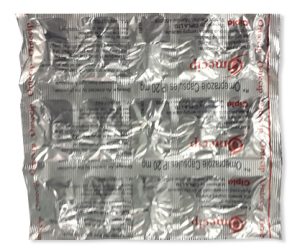
Packaging commonly includes delayed‑release capsules in 14 or 28 count blisters or bottles in the US market.
FAQ Section
Quick answers to common worries about prilosec.
Common Quick Answers
- Q: How long until relief? A: Some people see symptom relief within days; full mucosal healing for erosive disease may take 4–8 weeks.
- Q: Can I stop suddenly? A: Short OTC courses can be stopped; long-term users should consult their clinician to avoid rebound acid and consider tapering if needed.
- Q: Is a generic okay? A: Yes—many effective generics (Teva, Sandoz, Dr. Reddy’s, Sun Pharma) supply omeprazole.
- Q: What about children? A: Pediatric dosing is weight-based; syrup or capsule formulations are used per prescriber guidance.
- Q: What should I do about missed doses? A: Take as soon as remembered unless it is near the next dose—do not double up.
- Q: Any storage rules? A: Store at room temperature (68–77°F / 20–25°C) and protect from moisture and light.
When To Contact A Clinician
- Severe abdominal pain, persistent vomiting, or difficulty swallowing.
- Blood in stools or black, tarry stools.
- Signs of allergic reaction such as rash, hives, or swelling.
- Persistent symptoms after completing a 14-day OTC course or ongoing need for maintenance therapy.
Guidelines For Proper Use
How to use prilosec safely and when to follow up.
Practical Steps For Patients
- Use the lowest effective dose and for the shortest duration that controls symptoms.
- For OTC heartburn, take 20 mg once daily for 14 days and do not repeat more than once every four months unless directed by a clinician.
- Swallow delayed-release capsules whole and take them before meals to improve effectiveness.
- Keep a symptom diary noting time of day, triggers, and response to therapy to review with your provider.
Monitoring & Follow-Up
| Situation | Suggested Monitoring |
|---|---|
| Short-Term OTC Use | Review if symptoms persist after 14-day course |
| Long-Term Use | Annual clinical review; consider bone density assessment if risk factors exist; monitor magnesium if symptomatic |
| Hepatic Impairment | Use lowest effective dose; limit to 10–20 mg/day in many cases |
Always tell pharmacists and providers about all medicines, supplements, and health conditions so interactions such as with nelfinavir or clopidogrel can be assessed.
Delivery Across United States
| City | Region | Delivery Time |
|---|---|---|
| New York | New York, NY | 5-7 days |
| Los Angeles | California, CA | 5-7 days |
| Chicago | Illinois, IL | 5-7 days |
| Houston | Texas, TX | 5-7 days |
| Phoenix | Arizona, AZ | 5-7 days |
| Philadelphia | Pennsylvania, PA | 5-7 days |
| San Antonio | Texas, TX | 5-7 days |
| San Diego | California, CA | 5-9 days |
| Dallas | Texas, TX | 5-9 days |
| San Jose | California, CA | 5-9 days |
| Austin | Texas, TX | 5-9 days |
| Jacksonville | Florida, FL | 5-9 days |
| San Francisco | California, CA | 5-9 days |
Quick Safety Rules: Do not take prilosec if you have a known allergy to omeprazole or other substituted benzimidazoles.
Check prescription medications for interactions and avoid combining with nelfinavir.
If you experience severe abdominal pain, persistent watery diarrhea, or unexplained weight loss, stop the medication and seek medical care promptly.
OTC Limits Reminder: For heartburn, Prilosec OTC is typically 20 mg once daily for 14 days with a maximum of one course every four months, and prescription doses and durations differ—follow your clinician.
Storage And Transport: Store at room temperature 68–77°F (20–25°C), protect from moisture and light, and do not refrigerate suspensions unless the label instructs otherwise.
Daily-Life Integration Checklist: Pick a consistent time each day, often in the morning before breakfast; swallow delayed-release capsules whole; use a small pill organizer for travel; and keep a simple missed-dose rule: take the dose if only a few hours remain, otherwise skip it—do not double up.
When To Call Your Provider: Call for severe abdominal pain, persistent diarrhea, black or bloody stools, difficulty swallowing, or signs of allergic reaction such as facial swelling or hives.