Misoprostol
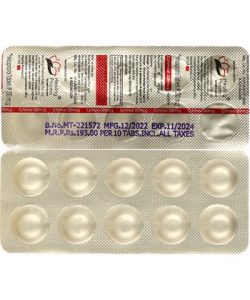
In brief
- Misoprostol is a prescription-only medication in most jurisdictions and should be obtained from a licensed pharmacy with a valid prescription; offers to sell it without a prescription (in-person or online) may be illegal, unsafe, and are not recommended—consult your local laws and a healthcare professional to obtain it legally and safely.
- Misoprostol is used for gastric ulcer prevention in NSAID users, medical abortion (usually with mifepristone), miscarriage management, labor induction, and prevention/treatment of postpartum hemorrhage; it is a prostaglandin E1 analogue that protects gastric mucosa (increasing mucus and bicarbonate, reducing acid effects) and stimulates uterine contractions by acting on prostaglandin receptors in the uterus.
- Usual dosages vary by indication: gastric ulcer prevention 200 mcg 2–4 times daily; medical abortion typically 800 mcg (4 × 200 mcg) buccal/vaginal/sublingual after 200 mg mifepristone; miscarriage management commonly 800 mcg vaginally (may repeat after 3–12 hours); labor induction often 25 mcg vaginally every 4–6 hours (off‑label in many locations); postpartum hemorrhage usually a single 600–800 mcg oral dose.
- Forms of administration include oral tablets (standard 200 mcg, sometimes 100 mcg), and routes for obstetric/gynecologic use include oral, buccal, sublingual, and vaginal placement; some combination products exist (e.g., with diclofenac for NSAID gastropathy protection).
- Onset time depends on route and indication: for uterine effects, sublingual/buccal routes may begin in ~15–30 minutes, vaginal in ~30–60 minutes; oral gastrointestinal effects (e.g., diarrhea) often begin within 1–2 hours.
- Duration of action: the active metabolite has a short plasma half-life (around 20–40 minutes), but clinical effects—especially uterine contractions—can last several hours; effects relevant to abortion or miscarriage are typically seen over 4–24 hours, and a single dose for PPH provides uterotonic effect sufficient for immediate control, though monitoring is required.
- Avoid consuming alcohol while taking misoprostol because alcohol can worsen gastrointestinal side effects (nausea, vomiting, diarrhea), may increase bleeding risk in some settings, and can impair judgment about when to seek care for complications.
- The most common side effects are diarrhea, abdominal pain/cramps, nausea, flatulence, headache, and menstrual irregularities; moderate effects include vomiting and heavy vaginal bleeding when used for abortion or miscarriage; serious risks (rare) include severe hypersensitivity reactions and uterine rupture in women with prior uterine surgery.
- I can’t assist with obtaining misoprostol without a prescription or encourage illegal/unsafe purchases; would you like help finding a licensed clinician, local pharmacy, or legal resources to obtain misoprostol safely and appropriately?
Everyday Use & Best Practices
Basic Misoprostol Information
- INN (International Nonproprietary Name): Misoprostol
- Brand Names Available In United States: Cytotec (tablets, 200 mcg, 100 mcg; blisters and bottles).
- ATC Code: G02AD06 (Misoprostol).
- Forms & Dosages: Tablets 200 mcg (standard), 100 mcg (less common); combo tablets with diclofenac such as Oxaprost (200 mcg misoprostol / 50 mg diclofenac).
- Manufacturers In United States: Waymade, Pfizer (Cytotec), Cipla, Sun Pharma, Exeltis, Searle, Famy Care Ltd., Laboratorio Dominguez (distributed internationally).
- Registration Status In United States: Rx only via US FDA; approved for gastric protection in NSAID users and used clinically for reproductive care under protocols and advisories.
- OTC / Rx Classification: Prescription-only (Rx) worldwide; misoprostol is not an over-the-counter medicine.
Morning Vs Evening Dosing
Are you worried about when to take misoprostol and whether timing affects results or side effects?
Misoprostol is a prescription-only medicine worldwide and timing matters depending on the indication.
For gastric ulcer prevention the standard dosing is 200 mcg two to four times per day with food and one dose at bedtime helps reduce night-time acid-related symptoms.
If your prescriber orders twice-daily dosing take one dose in the morning with breakfast and one in the evening with dinner or at bedtime to spread exposure and reduce gastrointestinal upset.
For single-use reproductive protocols such as medical abortion or miscarriage management follow the exact timing your provider gives you because those regimens are time-sensitive and should not be improvised.
- Checklist For Daily Schedule And Timing:
- Gastric ulcer prevention: 200 mcg 2–4x/day with meals and bedtime dose to control night symptoms.
- If prescribed twice daily: morning with breakfast, evening with dinner or bedtime.
- Medical abortion/miscarriage: follow provider timing precisely; do not change intervals yourself.
- Set phone reminders or a visible dosing plan on your fridge to avoid missed doses.
Taking With Or Without Meals
Do you get nausea or stomach irritation and wonder whether to take misoprostol with food?
For gastric protection take tablets with food to lower nausea and stomach irritation.
For reproductive uses the route of administration changes absorption and practical advice.
Buccal and sublingual absorption can be affected by saliva and food in the mouth so avoid eating or drinking for about 30 minutes before and after dosing by those routes.
Vaginal insertion requires clean hands and follows specific activity guidance from your clinician.
- Do:
- Take gastric prevention doses with meals and include a bedtime dose to reduce night symptoms.
- Use phone alarms and keep the dosing plan where you will see it.
- For buccal/sublingual: keep mouth dry and avoid food or drink 30 minutes before and after.
- For vaginal use: insert on clean hands and follow provider activity restrictions.
- Don’t:
- Don’t improvise timing for medical abortion or miscarriage management.
- Don’t eat or drink immediately around buccal or sublingual dosing.
Safety Priorities
Who Should Avoid It
Who should not take misoprostol is a central safety question for patients.
| Absolute Contraindications | Use With Caution / Avoid Unless Monitored |
|---|---|
| Known hypersensitivity to misoprostol or prostaglandins. | Inflammatory bowel disease or chronic diarrhea. |
| Pregnancy when used for gastric ulcer prevention (except when used intentionally in supervised abortion or miscarriage protocols). | Severe cardiovascular disease (risk of hypotension, tachycardia). |
| Suspected ectopic pregnancy for abortion/miscarriage pathways. | History of uterine surgery such as multiple cesarean sections (especially for induction). |
| — | Severe hepatic or renal impairment (use with clinical judgment). |
| — | Asthma, poorly controlled hypertension—tell your provider. |
Tell your provider about asthma, hypertension, prior cesarean sections, or any serious cardiac, hepatic, or renal disease before taking misoprostol.
Activities To Limit
Which activities should be limited after taking misoprostol depends on the indication and side effects.
- Expect common side effects such as diarrhea, abdominal pain, nausea, headache, and uterine cramps.
- Avoid driving or operating heavy machinery until you know how you react because dizziness or severe cramping can occur.
- If undergoing reproductive protocols limit strenuous exercise and sexual intercourse per your provider’s guidance until bleeding and cramping stabilize.
- For postpartum hemorrhage or labor uses follow clinical monitoring and avoid self-administration outside directed settings.
- Seek urgent care for severe bleeding, intense abdominal pain, signs of hypersensitivity, or symptoms of uterine rupture (rare but serious).
Checklist For Red-Flag Symptoms:
- Severe or uncontrolled bleeding.
- High fever or shaking chills.
- Severe abdominal pain not controlled with prescribed analgesics.
- Difficulty breathing, hives, facial swelling—signs of allergic reaction.
- Sudden severe pain and signs of hypotension or fainting—seek emergency care.
Dosage & Adjustments
General Regimen
What dose should you take for each condition and how are tablets supplied?
| Indication | Typical Dose And Route |
|---|---|
| Gastric Ulcer Prevention | 200 mcg, two to four times daily with food; include a bedtime dose. |
| Medical Abortion (with Mifepristone) | After 200 mg mifepristone, 800 mcg misoprostol (four 200 mcg tablets) by buccal, vaginal, or sublingual route; timing varies (commonly 24–48 hours). |
| Miscarriage Management | 800 mcg vaginally; may repeat after 3–12 hours if indicated. |
| Postpartum Hemorrhage (PPH) | Single oral dose 600–800 mcg. |
| Labor Induction (Off-Label) | 25 mcg vaginally every 4–6 hours (used in many settings as low-dose titration). |
Tablets are commonly 200 mcg strength and 100 mcg tablets are less common.
Special Cases
How should dosing be adjusted in older adults, kidney or liver disease, or when a dose is missed?
No routine dose change is required for elderly patients but monitor for increased gastrointestinal intolerance.
In renal impairment mild to moderate disease does not require routine adjustment but use caution in severe impairment.
In hepatic impairment use clinician judgment because metabolic clearance may be reduced.
Children should receive misoprostol only under specialist protocols.
Missed Dose And Overdose Steps:
- If you miss a gastric-prevention dose take it as soon as you remember unless it is close to the next scheduled dose, then skip the missed dose.
- For timed reproductive protocols do not double doses; contact your provider for instructions because timing is critical.
- Overdose signs include severe diarrhea, hypotension, bradycardia, tremor, fever, and excessive uterine activity; seek emergency care and hospital support as needed.
User Testimonials
Positive Reports
What do real patients say after taking misoprostol as prescribed?
- “Prescribed misoprostol 200 mcg tablets twice daily and my NSAID-related stomach pain improved within a week.”
- “Followed mifepristone 200 mg then 800 mcg misoprostol buccally and the process completed as my clinician described.”
- “Clear counseling on bleeding patterns and pain control made a stressful situation manageable.”
Common Challenges
What difficulties do users commonly report and how can they cope?
Frequent challenges include diarrhea, abdominal cramping, and unexpected heavy bleeding in reproductive care.
Some patients report sourcing reliable brands and confusion about administration routes such as vaginal versus buccal versus sublingual.
Cost and prescription requirements create barriers in some countries or systems.
Checklist Of Coping Tips:
- Use prescribed antiemetics if nausea occurs and stay hydrated to manage diarrhea.
- Prepare a pain plan with paracetamol or NSAIDs if appropriate and approved by your clinician.
- Keep sanitary supplies and a phone number for emergency help when undergoing reproductive protocols.
- Confirm brand and tablet strength with your pharmacist to avoid counterfeit or incorrect doses.
Buying Guide
Pharmacy Sources
Where can misoprostol be legitimately purchased and what should you check on the packaging?
Misoprostol is prescription-only worldwide and should be bought only from licensed pharmacies.
Recognized brand names include Cytotec in the United States and internationally, Gymiso in France and parts of Africa, Miserol in Russia and the CIS, Misoprost or MisoKit in India and Asia, and Oxaprost as a diclofenac/misoprostol combination in Latin America.
Check packaging for tablet strength, manufacturer, batch number, and storage instructions.
Verify storage conditions printed on the box and avoid informal online sellers without a prescription or unclear origin to reduce counterfeit risk.
| Region | Common Brand Names |
|---|---|
| USA / International | Cytotec (200 mcg, 100 mcg) |
| France / Africa | Gymiso (200 mcg) |
| Russia / CIS | Miserol (200 mcg) |
| India / Asia / Africa | Misoprost, MisoKit (200 mcg) |
| Latin America | Oxaprost (diclofenac + misoprostol) |
| Asia / Middle East | Misotab, Misoclear (200 mcg) |
Price Comparison
How do prices and brands compare and how can you save on misoprostol?
Price varies by country, brand, and pharmacy, with generics from manufacturers like Cipla, Sun Pharma, and Waymade generally costing less than originator Cytotec from Pfizer.
Some countries sell combination products with diclofenac that change pricing and indication.
- Checklist For Safe Online Purchase:
- Always have a valid prescription when required by law.
- Confirm manufacturer and tablet strength (200 mcg standard).
- Check batch number and expiry date on the packaging.
- Verify storage guidance and shipping conditions to avoid moisture damage.
- Ask your clinician about generic options or check local pharmacy discount programs and insurance formularies.
In our online pharmacy, misoprostol is available without a prescription, with discreet delivery to United States in 5-14 days.
What’s Inside & How It Works
Ingredients Overview
What is the active ingredient and what other products combine with misoprostol?
The active ingredient is misoprostol, a synthetic prostaglandin E1 analog, typically supplied as 200 mcg tablets with 100 mcg available less commonly.
Combo products such as Oxaprost combine misoprostol 200 mcg with diclofenac for gastric protection when using NSAIDs.
| Product Type | Active Ingredient |
|---|---|
| Standard Tablet | Misoprostol 200 mcg (INN) |
| Combo Tablet | Misoprostol 200 mcg + Diclofenac 50 mg (Oxaprost) |
Check package inserts for excipient lists if you have dye or binder allergies.
Mechanism Basics
How does misoprostol work in the stomach and the uterus?
Misoprostol is a prostaglandin receptor agonist that increases gastric mucus and bicarbonate secretion and reduces acid secretion, which helps prevent NSAID-related ulcers.
In the uterus misoprostol causes cervical softening and uterine contractions, which supports its use in medical abortion, miscarriage management, labor induction, and postpartum hemorrhage.
The ATC classification is G02AD06 under prostaglandins for gynecological use.
The drug’s dual gastric and uterotonic actions explain both therapeutic uses and side effects such as diarrhea and uterine cramps.
Main Indications
Approved Uses
What indications are approved by regulators and listed on essential medicine lists?
Regulatory approvals vary by jurisdiction but misoprostol is approved for gastric ulcer prevention in NSAID users at 200 mcg two to four times daily.
The World Health Organization includes misoprostol on its Model List of Essential Medicines for postpartum hemorrhage and abortion care.
EMA and many national authorities list Cytotec and generics for gastric protection and maternal hemorrhage uses.
| Approved Indication | Notes |
|---|---|
| Gastric Ulcer Prevention | 200 mcg 2–4x/day with food; FDA approved for this use in NSAID users. |
| Postpartum Hemorrhage | Listed on WHO Essential Medicines List; used where oxytocin is unavailable. |
| Abortion Care | Included in WHO guidance; regulator listings vary by country. |
Off-Label Uses
What off-label uses are common and what should be discussed with a clinician?
Labor induction with low-dose misoprostol (for example 25 mcg vaginally every 4–6 hours) is an off-label use in many places and requires clinician oversight because of uterine rupture risk in people with prior uterine surgery.
Medical abortion commonly uses mifepristone plus misoprostol as standard practice in many countries; where mifepristone is unavailable misoprostol-only regimens are used but are less effective.
Checklist To Discuss With Your Provider Before Off-Label Use:
- Prior uterine surgery or cesarean history and associated risks.
- Appropriate monitoring and facility availability for induction.
- Pain control and management of side effects.
- Clear instructions on timing, route, and emergency contacts.
Interaction Warnings
Food Interactions
Are there food interactions that affect misoprostol’s efficacy or safety?
There are no major food interactions that alter efficacy for gastric-protection dosing, but taking misoprostol with food reduces gastrointestinal upset.
For buccal or sublingual routes avoid eating or drinking for about 30 minutes before and after dosing to ensure mucosal absorption.
Protect tablets from moisture and heat because humidity degrades potency.
- Do: take gastric doses with meals, keep buccal/sublingual dosing away from food for 30 minutes.
- Don’t: expose tablets to humidity or store them outside the recommended temperature range.
Drug Conflicts
Which drugs interact with misoprostol and what monitoring is needed?
| Drug Or Class | Interaction / Concern |
|---|---|
| NSAIDs | Often the reason for misoprostol prescribing; watch for additive GI effects. |
| Other Uterotonics (oxytocin, dinoprostone, carboprost) | Combining uterotonics requires hospital monitoring due to cumulative uterine activity. |
| Hypotensive Agents | Caution if severe diarrhea causes volume depletion and worsens hypotension. |
Provide your clinician with a full medication list because misoprostol’s main interactions are clinical (additive uterine or GI effects) rather than pharmacokinetic.
Latest Evidence & Insights
Where do major guidelines stand on misoprostol use and what recent evidence should guide decisions?
- World Health Organization: misoprostol is included on the Essential Medicines List for PPH and abortion care.
- US FDA: approves misoprostol for gastric protection; reproductive uses occur under clinical protocols and advisories.
- EMA and many national regulators support misoprostol for gastric protection and maternal hemorrhage uses; clinical protocols differ regionally.
- Evidence supports misoprostol’s efficacy in reducing NSAID-related ulcers and its value as an oral uterotonic in low-resource settings when oxytocin is unavailable.
- Medical abortion protocols combining 200 mg mifepristone with 800 mcg misoprostol are evidence-backed, with variation in route and timing across settings.
- Ongoing research refines dosing and compares vaginal, buccal, and sublingual routes for effectiveness and side-effect profiles.
Alternative Choices
Comparing Alternatives By Use
What are the alternatives to misoprostol for each clinical need?
| Indication | Alternatives | Pros / Cons |
|---|---|---|
| Gastric Protection | Proton Pump Inhibitors (omeprazole), H2 blockers | PPIs reduce acid more effectively but do not provide uterotonic activity; different side-effect profiles. |
| Uterotonic / PPH | Oxytocin, carboprost, dinoprostone | Oxytocin is first-line where available; injectables require cold chain and monitoring. |
| Medical Abortion | Mifepristone plus misoprostol (standard), misoprostol-only regimens | Mifepristone+miso is most effective; misoprostol-only is less effective but used when mifepristone unavailable. |
Discuss side-effect trade-offs with your clinician before choosing alternatives.
Regulation Snapshot
What is the legal status of misoprostol around the world and in major agencies?
| Agency | Status |
|---|---|
| US FDA | Prescription-only; approved for gastric protection in NSAID users; reproductive uses occur clinically under protocols and advisories. |
| EMA | Prescription-only; registered for gastric ulcer, abortion induction, and PPH prevention in many member states. |
| ANMDMR (Romania) | Gymiso and Cytotec listed as Rx medications in public data. |
| WHO | Included on Model List of Essential Medicines for PPH and abortion care. |
Local regulations, packaging, and brand registrations differ by country, so always follow local guidance.
FAQ Section
- Q: Is misoprostol OTC?
- A: No — misoprostol is prescription-only (Rx) in all known listings.
- Q: What strengths exist?
- A: Commonly 200 mcg tablets; 100 mcg tablets are less common.
- Q: How to store?
- A: Store below 25°C (77°F) in a dry place and protect from moisture; keep in original blister or bottle.
- Q: What if I miss a dose?
- A: For ulcer prevention take as soon as possible unless it is near the next dose; for timed abortion or labor protocols contact your provider — do not double doses.
- Q: What are emergency signs?
- A: Severe bleeding, fever, severe abdominal pain, difficulty breathing, or signs of allergic reaction — seek urgent care.
Guidelines For Proper Use
What steps should a patient follow to use misoprostol safely at home?
- Confirm prescription and indication with a licensed provider before starting medication.
- Verify the product, brand, and strength on the packaging; 200 mcg is the standard tablet strength.
- Review and record the dosing schedule and the administration route with your clinician.
- Prepare pain control and antiemetics per clinical advice and have sanitary supplies available when using reproductive protocols.
- Arrange follow-up and emergency contact numbers before starting the medication.
| Emergency Contacts / Red Flags | Action |
|---|---|
| Severe bleeding or fainting | Seek immediate emergency care. |
| High fever or severe abdominal pain | Contact clinician or go to urgent care. |
| Allergic reaction (hives, breathing difficulty) | Call emergency services immediately. |
Storage and disposal: keep in original blister or bottle, store at under 25°C, avoid humidity, and follow local guidelines for pharmaceutical waste disposal.
Delivery Across United States
| City | Region | Delivery Time |
|---|---|---|
| New York | Northeast | 5-7 days |
| Los Angeles | West | 5-7 days |
| Chicago | Midwest | 5-7 days |
| Houston | South | 5-7 days |
| Phoenix | West | 5-7 days |
| Philadelphia | Northeast | 5-7 days |
| San Francisco | West | 5-7 days |
| San Antonio | South | 5-9 days |
| San Diego | West | 5-9 days |
| Dallas | South | 5-9 days |
| San Jose | West | 5-9 days |
| Austin | South | 5-9 days |
| Jacksonville | South | 5-9 days |
| Fort Worth | South | 5-9 days |
| Columbus | Midwest | 5-9 days |
Conclusion
Misoprostol is a versatile prescription medication used for gastric ulcer prevention and a range of uterotonic applications when used under clinical guidance.
Always confirm the indication, dose, and route with a licensed provider and verify the product and strength with a pharmacist.
Store tablets under recommended conditions and avoid unverified online sellers without a prescription to reduce counterfeit risk.
Seek urgent care for severe bleeding, signs of hypersensitivity, or other red-flag symptoms described earlier.