Micronase
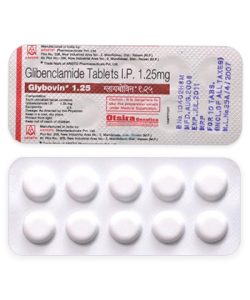
In brief
- In many pharmacies and online vendors you can buy Micronase (glyburide) without a prescription or receipt; availability varies by country—officially it is prescription-only in most markets, but generics are widely sold and some sellers offer delivery and discreet packaging.
- Micronase is used to treat type 2 diabetes; it lowers blood glucose by stimulating pancreatic insulin secretion via closure of ATP‑sensitive potassium channels in β‑cells.
- Usual dosing starts at 2.5–5 mg once daily; maintenance dosing ranges from 1.25 mg up to 20 mg per day (maximum 20 mg/day), given as a single dose or divided doses depending on control and tolerance.
- Micronase is administered orally as tablet formulations (commonly 1.25 mg, 2.5 mg, and 5 mg tablets).
- Onset of action typically occurs within about 1–2 hours after an oral dose, with blood‑glucose lowering effects beginning in that timeframe.
- Duration of action is relatively long for a sulfonylurea—generally about 12–24 hours, which is why once‑daily dosing or divided dosing is used and hypoglycemia can persist.
- Avoid alcohol while taking Micronase; alcohol can increase the risk of hypoglycemia and may worsen side effects or cause adverse reactions.
- The most common side effect is hypoglycemia (low blood sugar); other common effects include nausea, heartburn, mild rash, headache, and dizziness.
- Would you like to try micronase without a prescription?
Everyday Use & Best Practices
Basic Micronase Information
- INN (International Nonproprietary Name): Glyburide (also known as glibenclamide in several international markets).
- Brand Names Available In United States: Micronase (discontinued), Diabeta, Glynase Pres-Tab; generics labeled glyburide are widely available.
- ATC Code: A10BB09 (second‑generation sulfonylurea).
- Forms & Dosages: Tablets only; common strengths 1.25 mg, 2.5 mg, 5 mg.
- Manufacturers In United States: Historically Upjohn; current generic manufacturers include Teva, Mylan and others.
- Registration Status In United States: Micronase brand is discontinued; FDA‑approved generics labeled glyburide remain available.
- OTC / Rx Classification: Prescription-only (Rx) in nearly all markets.
Morning Vs Evening Dosing
Start low and be consistent when you begin glyburide therapy.
Typical initiation is 2.5–5 mg once daily for type 2 diabetes, with maintenance ranging from 1.25 mg up to 20 mg/day and a maximum of 20 mg/day.
Many people take glyburide in the morning to align peak insulin effect with daytime meals and reduce overnight hypoglycemia risk.
Some clinicians split the total daily dose into morning and evening doses when higher totals are needed to avoid one large peak.
Older adults should begin at the lowest dose (for example, 1.25 mg) and be monitored closely for hypoglycemia.
When changing dose timing, do it only with clinician guidance and increase glucose checks for 48–72 hours.
Taking With Or Without Meals
Take glyburide with breakfast or right before a meal to lower the risk of low blood sugar if you are prone to hypoglycemia.
Do not skip meals or make large, sudden changes in carbohydrate intake without clinician input and dose adjustment.
If you decide to shift your dosing time, work with your clinician and check blood glucose more frequently for the following two to three days.
- Daily Routine Checklist
- Take dose at the same meal each day (preferably breakfast).
- Carry a glucose meter and fast‑acting carbohydrate.
- Log glucose readings and meal timing for clinician review.
- Review any dose changes with your prescriber before adjusting on your own.
- Do’s And Don’ts
- Do take with food to reduce hypoglycemia risk.
- Do keep meal patterns consistent.
- Don’t skip meals after taking glyburide.
- Don’t double doses if you miss one—follow your prescriber’s advice.
Safety Priorities
Who Should Avoid It
Glyburide is absolutely contraindicated in type 1 diabetes and diabetic ketoacidosis.
Do not use glyburide if there is known hypersensitivity to sulfonylureas.
Patients with significant renal or hepatic impairment should avoid glyburide or use extreme caution; significant renal dysfunction is a contraindication.
Pregnancy and breastfeeding are listed as contraindications because glyburide crosses the placenta and may appear in milk.
Use caution or avoid in patients with G6PD deficiency because of hemolysis risk.
Elderly patients are more sensitive to hypoglycemia and should start at the lowest dose and be monitored closely.
| Contraindication | Reason / Note |
|---|---|
| Type 1 Diabetes | Not effective; insulin required. |
| Diabetic Ketoacidosis | Not appropriate; requires insulin therapy. |
| Severe Renal Impairment | Contraindicated due to hypoglycemia risk. |
| Severe Hepatic Impairment | Avoid or closely monitor; altered metabolism. |
| Pregnancy / Breastfeeding | Avoid; fetal/newborn risk. |
| Hypersensitivity | Sulfonylurea allergy—do not use. |
Activities To Limit
Limit activities where sudden hypoglycemia would be dangerous—such as heavy machinery operation or solo long-distance driving—until you know how glyburide affects you.
Avoid excessive alcohol intake and prolonged fasting while on glyburide because both increase hypoglycemia risk.
If hypoglycemia occurs during exercise, reduce intensity or duration and increase carbohydrate intake; discuss dose adjustments with your clinician.
- Safety Actions Checklist
- Keep a working glucose meter and test strips available.
- Have fast-acting carbohydrate handy (juice, glucose tablets).
- Ask your clinician about a glucagon prescription if you’re at high risk for severe lows.
- Wear medical identification noting diabetes and sulfonylurea use.
Dosage & Adjustments
General Regimen
Standard adult initiation is typically 2.5–5 mg once daily for type 2 diabetes.
Maintenance dosing ranges from 1.25 mg up to 20 mg per day, given either once or divided, with a maximum recommended total of 20 mg/day.
When used as add-on therapy with metformin, clinicians often start low—commonly 2.5 mg—and titrate based on glucose response.
Titrate doses gradually and monitor blood glucose every few days during changes to detect hypoglycemia or insufficient control.
Special Cases
Elderly patients should start at the lowest dose possible (for example, 1.25 mg) and titrate slowly because of increased hypoglycemia risk.
Glyburide is contraindicated in significant renal impairment—select an alternative agent in those cases.
In liver impairment, start lower and monitor glucose closely due to altered metabolism.
Children: safety and efficacy are not established and glyburide is generally not recommended.
| Situation | Starting Dose | Titration Steps | Max Dose / Note |
|---|---|---|---|
| Adult, Initial | 2.5–5 mg once daily | Increase gradually every 1–2 weeks as needed | Up to 20 mg/day |
| Add-On To Metformin | Start 2.5 mg | Titrate based on glucose | Max 20 mg/day |
| Elderly | Start 1.25 mg | Titrate very slowly | Monitor closely for hypoglycemia |
| Renal Impairment | Contraindicated | Choose alternative | Not recommended |
User Testimonials
Positive Reports
“Once‑daily tablet made morning routines simple and my fasting sugars improved,” reports one patient who switched from lifestyle-only therapy.
Many users say generics labeled glyburide matched the effect they had with Micronase when dose and monitoring stayed consistent.
Patients appreciate a reliable oral option that often lowers A1c when used appropriately and monitored.
Common Challenges
Frequent themes from users include hypoglycemia episodes—especially when meals are missed or in older patients—and modest weight gain.
Some people find strict meal timing inconvenient, and others report shopping for different brands after Micronase was discontinued.
- Short Quotes
- “Effective, but I had one bad low when I skipped lunch.”
- “Switched from Micronase to generic glyburide—same control.”
- “Easy to take, but I gained a few pounds.”
- What To Tell Your Clinician
- Frequency and timing of hypoglycemia episodes.
- Any weight changes since starting therapy.
- The full list of medicines and supplements you take.
- Changes in kidney or liver test results.
Buying Guide
Pharmacy Sources
Micronase as a brand was historically marketed in the U.S. but is discontinued; look for generics labeled glyburide or glibenclamide at reputable pharmacies.
Tablets commonly come in 1.25 mg, 2.5 mg, and 5 mg strengths and are sold in bottles or blister packs by manufacturers such as Teva, Mylan, and Sandoz.
Search for “glyburide” rather than Micronase to find current generic options and better pricing.
Price Comparison
Compare per‑tablet cost across local and accredited online pharmacies and check your insurance formulary for coverage and tiers.
Watch for manufacturer coupons or generic discount programs and confirm packaging and active ingredient strength before purchase.
- Before You Buy
- Confirm prescription requirement and check Rx rules.
- Verify manufacturer and FDA approval for the generic product.
- Match tablet strength to your prescribed dose (1.25, 2.5, 5 mg).
- Avoid suspiciously cheap international vendors—prefer accredited pharmacies.
| Brand / Generic | Common Manufacturer | Notes |
|---|---|---|
| Glyburide (generic) | Teva, Mylan, Sandoz | Widely available; check strength. |
| Diabeta | Generic manufacturers | Same dosages as Micronase historically. |
| Glynase Pres-Tab | Generic manufacturers | Alternative sulfonylurea brand in the U.S. |
In our online pharmacy, micronase is available without a prescription, with discreet delivery to United States in 5-14 days.
What’s Inside & How It Works
Ingredients Overview
The active ingredient is glyburide (INN), sold in tablets commonly 1.25 mg, 2.5 mg, and 5 mg.
Inactive ingredients in Micronase formulations include colloidal silicon dioxide, dibasic calcium phosphate, magnesium stearate, microcrystalline cellulose, sodium alginate, and talc.
Certain tablet strengths historically used colorants such as FD&C Red No. 40 (2.5 mg) and FD&C Blue No. 1 (5 mg).
Mechanism Basics
Glyburide is a second‑generation sulfonylurea that lowers blood glucose by stimulating pancreatic β‑cells to secrete insulin.
It works by closing ATP‑sensitive potassium channels in β‑cell membranes, causing depolarization and insulin release.
Because it increases endogenous insulin, hypoglycemia is the principal safety concern.
| Active | Inactive / Excipients |
|---|---|
| Glyburide (1.25, 2.5, 5 mg) | Colloidal silicon dioxide, dibasic calcium phosphate, microcrystalline cellulose, magnesium stearate, sodium alginate, talc, colorants |
- Mechanism Steps
- Glyburide binds pancreatic β‑cell KATP channels.
- Channels close, β‑cell depolarizes.
- Calcium influx triggers insulin secretion.
- Increased insulin lowers blood glucose; monitor for hypoglycemia.
Main Indications
Approved Uses
Glyburide is indicated primarily for type 2 diabetes mellitus to improve glycemic control when diet, exercise, and other therapies are insufficient.
It can be used as monotherapy or as add-on therapy with metformin; when combined, clinicians often start with a low dose such as 2.5 mg.
Off‑Label Uses
Off‑label, clinician‑directed adjustments may occur for specific glycemic patterns but glyburide is not suitable for type 1 diabetes or diabetic ketoacidosis.
Because of safety concerns, it is typically avoided in pregnancy, breastfeeding, and children where data are limited.
- Approved vs Not Approved
- Approved: Type 2 diabetes mellitus (adults).
- Not Approved: Type 1 diabetes, diabetic ketoacidosis, pregnancy and lactation, children (generally not recommended).
- Decision On First‑Line Therapy (Simple Flow)
- Diagnosed Type 2 Diabetes → Start Metformin if no contraindication → If additional control needed and cost/suitability favors, consider sulfonylurea (glyburide) → Evaluate hypoglycemia risk and renal/liver function.
Interaction Warnings
Food Interactions
Skipping meals or sudden drops in carbohydrate intake increase the risk of hypoglycemia on glyburide.
Alcohol can potentiate hypoglycemia and should be limited while taking glyburide.
Large changes in diet composition or timing may require dose reassessment with your clinician.
Drug Conflicts
Many drugs can interact: other glucose‑lowering agents increase hypoglycemia risk when combined with glyburide.
NSAIDs, sulfonamide antibiotics, certain oral antibiotics, and warfarin may potentiate glyburide’s effect or alter glucose control.
Beta‑blockers can mask hypoglycemia symptoms and require caution.
Drugs that induce or inhibit hepatic enzymes may change glyburide levels and clinical effect.
| Drugs That Increase Hypoglycemia Risk | Drugs That Alter Glyburide Levels / Symptoms |
|---|---|
| Other antidiabetics, insulin, meglitinides | Rifampin (inducer), azole antifungals (inhibitors) |
| NSAIDs, sulfonamides, certain antibiotics | Beta‑blockers (mask symptoms), warfarin (monitor INR) |
Always give your clinician or pharmacist a complete medication and supplement list before starting glyburide.
Latest Evidence & Insights
Current clinical guidance emphasizes metformin as first‑line therapy for type 2 diabetes; sulfonylureas like glyburide remain effective but carry higher hypoglycemia and weight‑gain risk compared with many newer agents.
Although the Micronase brand was discontinued in the U.S., FDA‑approved generics labeled glyburide are still prescribed, often for patients needing low‑cost oral options.
For elderly patients and those with renal or hepatic impairment, clinicians commonly prefer newer agents with lower hypoglycemia risk when cost and contraindications allow.
Evidence supports careful patient selection, conservative dose titration, and frequent glucose monitoring to reduce harms while preserving benefit.
- Guideline Takeaways
- Metformin remains first-line for most adults with type 2 diabetes.
- Sulfonylureas are effective but higher risk for hypoglycemia and weight gain.
- Prefer alternatives in advanced age, renal impairment, or pregnancy.
| Comparison | Glyburide | Newer Agents (DPP‑4 / GLP‑1 / SGLT2) |
|---|---|---|
| Hypoglycemia Risk | Higher | Lower |
| Weight Effect | Neutral to Gain | Neutral to Loss (GLP‑1) |
| Cost | Lower (generics) | Higher |
Alternative Choices
Choose alternatives based on age, renal and liver function, hypoglycemia risk, cost, and weight goals.
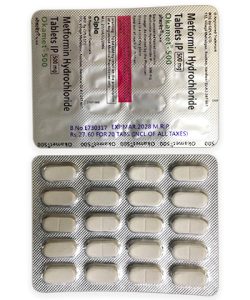
Metformin is first‑line for most patients because of efficacy, safety profile, and low hypoglycemia risk.
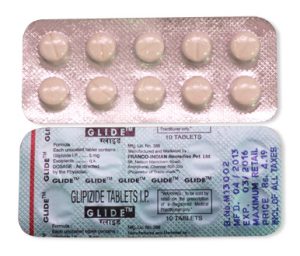
Other sulfonylureas such as glipizide or gliclazide can be alternatives, though their hypoglycemia profiles vary.
Repaglinide (a meglitinide) offers shorter action and flexible dosing around meals, which can reduce prolonged hypoglycemia.
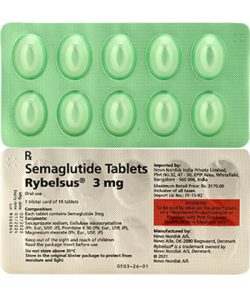
Incretin‑based therapies (DPP‑4 inhibitors or GLP‑1 receptor agonists like semaglutide) have lower hypoglycemia risk and favorable weight effects, but cost is higher.
| Drug / Class | Pros | Cons | Use Case |
|---|---|---|---|
| Metformin | First‑line, low hypo risk, cheap | GI side effects, renal precautions | Most newly diagnosed adults |
| Glipizide / Gliclazide | Oral, generic options | Hypoglycemia risk | When sulfonylurea chosen |
| Repaglinide | Short‑acting, flexible | Multiple daily doses | Patients with irregular meals |
| GLP‑1 Agonists | Weight loss, low hypo risk | Injectable, cost | Weight and CV benefit desired |
Regulation Snapshot
Micronase was FDA‑approved historically in the U.S. but the brand is discontinued; generics labeled glyburide remain FDA‑approved and prescription‑only.
Internationally, glyburide is often marketed as glibenclamide and is classified under ATC A10BB09.
Tablets are commonly supplied in 1.25 mg, 2.5 mg, and 5 mg strengths and sold in blister cards or bottles.
- Regulatory Timeline
- Approval: Sulfonylurea class long established for type 2 diabetes.
- Brand Status: Micronase discontinued in the U.S.
- Current: FDA‑approved generics labeled glyburide available by prescription.
| Region | Legal Status |
|---|---|
| United States | Prescription-only; Micronase brand discontinued; generics available |
| Canada / EU | Prescription-only; often marketed as glibenclamide |
| Other Markets | Prescription-only; available under various brand names |
Store glyburide at controlled room temperature (20–25°C / 68–77°F) and protect from moisture.
FAQ Section
Q: What if I miss a dose?
A: Take the missed dose as soon as you remember unless it is close to your next scheduled dose; do not double up.
Q: What about overdose?
A: Overdose can cause severe hypoglycemia—seek emergency medical care; treatment is supportive and may include intravenous glucose/dextrose.
Q: Can I take glyburide during pregnancy?
A: Glyburide is generally avoided in pregnancy and breastfeeding; discuss alternatives with your clinician.
Q: How should I store it?
A: Store at 20–25°C (68–77°F), protect from moisture, and keep in original packaging.
Q: Is Micronase still available?
A: The Micronase brand was discontinued in the U.S.; generics labeled glyburide are available.
- Emergency Hypoglycemia Steps
- Consume 15–20 grams of fast‑acting carbohydrate (juice, glucose tablets).
- Recheck glucose in 15 minutes and repeat if low.
- If patient becomes unconscious, call emergency services and administer glucagon if available.
- Quick Answers
- Missed Dose: Take when remembered unless close to next dose.
- Overdose: Emergency care for severe hypoglycemia.
- Pregnancy: Generally avoided—consult your clinician.
Guidelines For Proper Use
Before starting glyburide, get baseline labs: fasting glucose, A1c, renal function (creatinine/eGFR), and liver tests.
Review all concomitant medications to identify drug interactions and confirm no contraindications such as type 1 diabetes, DKA, pregnancy, or significant renal/hepatic impairment.
Prescribe the lowest effective starting dose—older adults may start at 1.25 mg—and educate patients on hypoglycemia recognition and prevention.
Advise when to check glucose: fasting, pre‑meal, and whenever symptoms occur; more frequent checks are recommended during titration.
Provide a hypoglycemia action plan that includes fast‑acting carbohydrate, rechecking glucose, and follow‑up snacks if needed, and consider prescribing glucagon for high‑risk patients.
Schedule follow-up within 1–3 months for A1c and more frequent checks while adjusting dose.
- Initial Visit Checklist
- Order labs: A1c, fasting glucose, creatinine/eGFR, LFTs.
- Complete medication review and check contraindications.
- Counsel on meal consistency, hypoglycemia signs, and glucometer use.
- Provide emergency hypoglycemia instructions and prescriptions if warranted.
| Monitoring | Timing |
|---|---|
| Self‑monitoring glucose | Fasting, pre‑meal, symptomatic, more frequently during titration |
| A1c | Every 3 months until stable, then every 3–6 months |
Printable Hypoglycemia Action Card: Carry fast‑acting sugar, test, repeat, and seek help for severe symptoms.
Delivery Across United States
| City | Region | Delivery time |
|---|---|---|
| New York | New York, NY | 5-7 days |
| Los Angeles | California, CA | 5-7 days |
| Chicago | Illinois, IL | 5-7 days |
| Houston | Texas, TX | 5-7 days |
| Phoenix | Arizona, AZ | 5-7 days |
| Philadelphia | Pennsylvania, PA | 5-7 days |
| San Antonio | Texas, TX | 5-7 days |
| San Diego | California, CA | 5-7 days |
| Dallas | Texas, TX | 5-7 days |
| San Jose | California, CA | 5-7 days |
| Austin | Texas, TX | 5-7 days |
| Jacksonville | Florida, FL | 5-9 days |
| San Francisco | California, CA | 5-7 days |
| Columbus | Ohio, OH | 5-9 days |
| Fort Worth | Texas, TX | 5-9 days |