
Diabetes
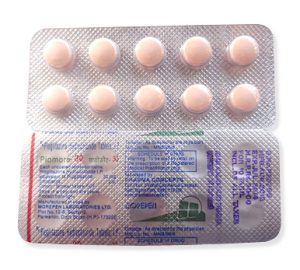
Actos
from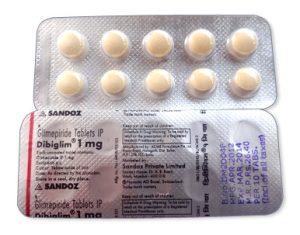
Amaryl
from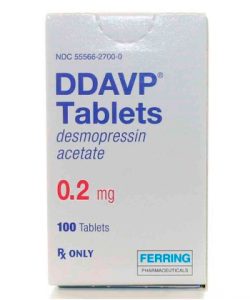
Ddavp
from
Glucophage
from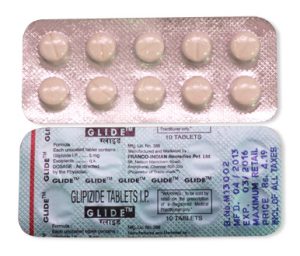
Glucotrol
from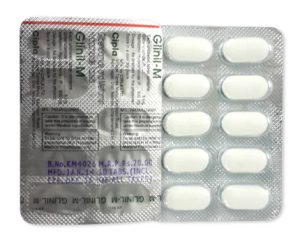
Glucovance
from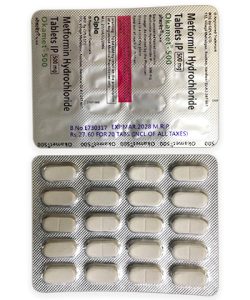
Metformin
from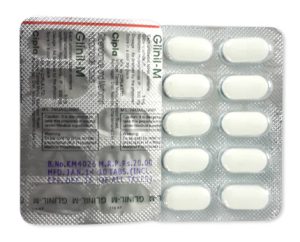
Metformin + Glyburide
from
Metoclopramide
from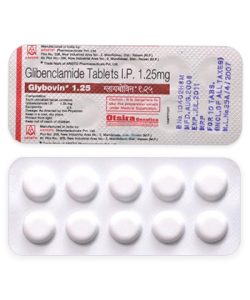
Micronase
from
Prandin
from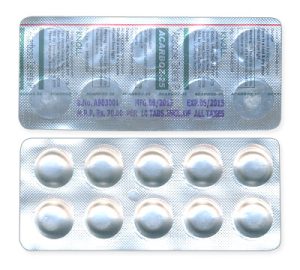
Precose
from
Rybelsus
from
Semaglutide
fromUnderstanding Diabetes: Types and Causes
Diabetes is a chronic condition that affects how your body processes blood sugar (glucose). When you have diabetes, your body either doesn’t produce enough insulin or can’t use the insulin it makes effectively. This leads to high blood sugar levels that can cause serious health complications over time.
There are three main types of diabetes. Type 1 diabetes occurs when the pancreas produces little to no insulin, usually developing in children and young adults. Type 2 diabetes is the most common form, accounting for about 90% of all diabetes cases, and develops when the body becomes resistant to insulin. Gestational diabetes occurs during pregnancy and usually resolves after delivery, though it increases the risk of developing Type 2 diabetes later.
Common causes include genetics, family history, obesity, sedentary lifestyle, and age. Risk factors also include high blood pressure, abnormal cholesterol levels, and certain ethnic backgrounds. Understanding your risk factors is the first step toward prevention and management.
Diabetes Medications and Treatment Options
Managing diabetes effectively often requires medications tailored to your specific type and needs. Your healthcare provider will determine the best treatment plan based on your blood sugar levels, overall health, and other medical conditions.
Insulin Medications
Insulin medications remain the cornerstone of Type 1 diabetes treatment. These include rapid-acting insulins like Humalog and NovoLog, which work within minutes; long-acting insulins such as Lantus and Levemir, which provide steady coverage; and intermediate-acting insulins. Insulin pens, pumps, and syringes are available delivery methods.
Oral Medications
Oral medications for Type 2 diabetes include metformin, the most commonly prescribed first-line medication that reduces glucose production in the liver. Sulfonylureas like glyburide and glipizide stimulate the pancreas to release more insulin. Thiazolidinediones such as pioglitazone improve insulin sensitivity. DPP-4 inhibitors including sitagliptin help your pancreas release insulin when needed.
Newer Injectable Medications
Newer injectable medications have become increasingly popular. GLP-1 receptor agonists like Ozempic, Trulicity, and Byetta help control blood sugar and promote weight loss. SGLT2 inhibitors such as Farxiga and Invokana help kidneys remove excess glucose through urine.
Many patients benefit from combination therapy using multiple medications to achieve optimal blood sugar control. Your pharmacist can explain how each medication works and potential side effects.
Blood Sugar Monitoring and Testing Supplies
Regular blood sugar monitoring is essential for managing diabetes effectively. Testing helps you understand how food, exercise, stress, and medication affect your glucose levels.
Blood Glucose Meters and Continuous Glucose Monitors
Blood glucose meters are portable devices that measure your blood sugar from a small blood sample. Popular brands include OneTouch, Accu-Chek, Contour, and Freestyle. These meters provide results within seconds and help you make informed decisions about meals and activities.
Continuous glucose monitors (CGMs) like Dexcom and Freestyle Libre offer real-time glucose readings throughout the day without frequent finger pricks. They use a small sensor worn on your skin that transmits data to a receiver or smartphone, alerting you to high and low blood sugar levels.
Testing Supplies and HbA1c Testing
Test strips and lancets are essential supplies needed regularly for blood glucose testing. Depending on your diabetes type and treatment plan, you may need to test multiple times daily. Insurance typically covers these supplies for those with a prescription and medical necessity.
HbA1c testing measures your average blood sugar over two to three months. This blood test shows your long-term glucose control and is usually performed by your healthcare provider every three months or quarterly. Proper monitoring helps prevent both high blood sugar (hyperglycemia) and dangerously low blood sugar (hypoglycemia), which require immediate treatment.
Lifestyle Management and Preventive Care
While medications are important, lifestyle changes are crucial for effective diabetes management. Combining medical treatment with healthy habits provides the best outcomes.
Nutrition, Exercise, and Weight Management
Nutrition and diet play vital roles in blood sugar control. A diabetes-friendly diet emphasizes whole grains, lean proteins, healthy fats, and plenty of vegetables. Limiting refined carbohydrates, sugary drinks, and processed foods helps maintain stable blood sugar levels. Working with a registered dietitian can help you develop a personalized meal plan that fits your preferences and lifestyle.
Physical activity helps your body use insulin more effectively and can significantly improve blood sugar control. The American Diabetes Association recommends at least 150 minutes of moderate-intensity exercise weekly, combined with resistance training. Even light activities like walking after meals help reduce blood sugar spikes.
Weight management is particularly important for Type 2 diabetes. Losing just 5-10% of your body weight can dramatically improve insulin sensitivity and blood sugar control. Your pharmacist can discuss weight loss options, including medications and lifestyle programs.
Stress Reduction and Healthcare Visits
Stress reduction and adequate sleep are often overlooked but important factors. High stress and poor sleep increase cortisol levels, which can raise blood sugar. Meditation, yoga, or other relaxation techniques help manage stress effectively.
Regular healthcare visits ensure your diabetes management plan stays current and effective. Seeing your doctor, eye doctor, and dentist regularly helps catch and prevent complications early.
Complications Prevention and Management
Uncontrolled diabetes can lead to serious complications affecting multiple body systems. Understanding these risks motivates proper management and early intervention.
The primary complications to be aware of include:
- Cardiovascular complications including heart disease and stroke, which are the leading causes of death in people with diabetes. High blood sugar damages blood vessels and increases plaque buildup. Managing blood pressure and cholesterol through medication and lifestyle changes significantly reduces cardiovascular risk.
- Kidney disease, which develops when high blood sugar damages the small blood vessels in your kidneys. Medications like ACE inhibitors and ARBs help protect kidney function. Regular kidney function tests monitor this important organ’s health.
- Eye problems including diabetic retinopathy, cataracts, and glaucoma that can develop over years of high blood sugar exposure. Annual dilated eye exams detect these conditions early when treatment is most effective.
- Nerve damage or neuropathy, which causes numbness, tingling, or pain, usually starting in the feet and legs. This reduces your ability to feel injuries, potentially leading to serious infections. Keeping blood sugar well-controlled helps prevent this complication.
- Foot complications that can become serious quickly due to reduced sensation and blood flow. Regular foot examinations, proper footwear, and prompt treatment of any cuts or sores prevent major problems.
Regular screening for complications and aggressive management of blood sugar, blood pressure, and cholesterol can prevent or delay these serious conditions significantly.
Support Resources and Getting Started
Managing diabetes is a lifelong journey, and you don’t have to do it alone. Numerous resources support your success.
Available Support Options
Pharmacy services provide invaluable support beyond filling prescriptions. Pharmacists offer diabetes education, medication counseling, and lifestyle advice. Many pharmacies provide blood pressure monitoring and HbA1c testing. Your pharmacist can answer questions about your medications and help with refills and insurance coverage.
Your healthcare team including your primary care doctor, endocrinologist, and registered dietitian work together to optimize your care. Regular appointments ensure your treatment plan remains effective and addresses changing needs.
Educational programs through the American Diabetes Association, local hospitals, and community centers teach diabetes management skills. These programs cover nutrition, exercise, medication management, and emotional well-being.
Support groups connect you with others managing diabetes. Sharing experiences and strategies provides encouragement and practical insights. Many groups meet in-person or online for convenience.
Diabetes management apps help track blood sugar, meals, medications, and activity. Popular options integrate with glucose monitors for seamless data tracking.
Taking the First Step
Starting your diabetes management begins with a conversation with your healthcare provider or pharmacist. Together, you’ll develop a personalized plan addressing your specific needs, preferences, and health goals. Take that first step today toward better health and improved quality of life.