Glucovance
In brief
- Glucovance is officially prescription-only in the US, Canada and most countries, but some local pharmacies and online vendors may offer it without a prescription; availability and legality vary by jurisdiction and purchasing without a prescription is not recommended.
- Glucovance is used to treat type 2 diabetes as an adjunct to diet and exercise; it combines glyburide (a sulfonylurea that stimulates pancreatic insulin secretion) and metformin (a biguanide that reduces hepatic glucose production and improves peripheral insulin sensitivity).
- Usual starting dose is 1 tablet of 2.5 mg/500 mg or 5 mg/500 mg once or twice daily with meals, titrating no more than 2.5 mg/500 mg per day every 2+ weeks; usual maximum is 20 mg glyburide / 2000 mg metformin per day in divided doses.
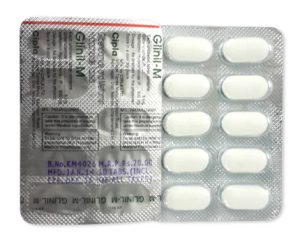
- Administered orally as film‑coated tablets (2.5/500 mg pale orange and 5/500 mg yellow, biconvex, capsule-shaped); take with meals to reduce GI side effects and hypoglycemia risk.
- The glyburide component begins lowering blood glucose within about 1–2 hours (peak 2–4 hours); the metformin component’s full glucose‑lowering benefits develop over several days to weeks.
- Glyburide’s glucose‑lowering effect can persist up to about 24 hours in many patients; metformin requires ongoing daily dosing for sustained effect.
- Avoid heavy alcohol use—alcohol increases the risk of metformin‑associated lactic acidosis and can worsen hypoglycemia from glyburide.
- The most common side effect is gastrointestinal upset (nausea, diarrhea, abdominal discomfort); hypoglycemia is also a common and important adverse effect from the glyburide component.
- Would you like to try glucovance without a prescription?
Basic Glucovance Information
- INN (International Nonproprietary Name): Glyburide and Metformin Hydrochloride.
- Brand Names Available In United States: Glucovance; tablets in 2.5 mg/500 mg and 5 mg/500 mg strengths; bottles of 100; film-coated and debossed.
- ATC Code: A10BD02.
- Forms & Dosages: Tablets supplied as 2.5 mg glyburide / 500 mg metformin (pale orange) and 5 mg glyburide / 500 mg metformin (yellow), capsule-shaped, bottles of 100; other international strengths may exist (e.g., 1.25/250 mg in some generics).
- Manufacturers In United States: Bristol-Myers Squibb (original developer) and repackagers such as Physicians Total Care, Inc.; generics and regional suppliers also supply glyburide/metformin combinations.
- Registration Status In United States: FDA-approved; prescription-only.
- OTC / Rx Classification: Prescription-only (Rx) throughout the United States.
Everyday Use & Best Practices
Worried about when to take glucovance so you avoid low sugars or stomach upset?
Morning Vs Evening Dosing
- Start: Begin with one tablet of 2.5/500 mg or 5/500 mg once daily with a meal as directed by your prescriber.
- Once-daily option: Taking glucovance with breakfast is common because the glyburide component is less likely to cause morning hypoglycemia when taken with breakfast.
- Twice-daily option: If prescribed twice daily, split doses with breakfast and dinner to smooth glucose control and reduce GI effects from metformin.
- Titration: Follow your prescriber’s plan and increase only as instructed, usually no more than 2.5/500 mg increments every two or more weeks.
- Adjustment tip: If you notice low morning sugars, discuss moving the sulfonylurea dose or timing with your clinician.
- Practical tip: Set alarms and keep a glucose log for 1–2 weeks after any timing change.
Taking With Or Without Meals
- Always take glucovance with food to reduce metformin-related nausea, diarrhea, and to lower the hypoglycemia risk from glyburide.
- Carry a small snack when your schedule or exercise increases to avoid low blood sugar.
- Store pills at controlled room temperature up to 25°C (77°F) in a light-resistant container to maintain stability.
- Keep a glucose meter and record readings after meal-timing changes so adjustments are evidence-based.
Safety Priorities
Concerned whether glucovance is safe for you or someone you care for?
Who Should Avoid It
- Do not use glucovance if you have known hypersensitivity to glyburide, metformin, or other sulfonylureas.
- Do not use if renal dysfunction is present with an eGFR <30 mL/min/1.73m²; this is an absolute contraindication.
- Avoid during metabolic acidosis, including diabetic ketoacidosis or suspected lactic acidosis.
- Do not use with acute conditions that can worsen renal function such as severe infection, dehydration, or shock.
- Hepatic impairment is a contraindication; do not start if severe liver disease is present.
Activities To Limit
- Be cautious driving or operating heavy machinery until you know how glucovance affects you due to hypoglycemia risk from glyburide.
- Limit excessive alcohol consumption because it raises the risk of metformin-associated lactic acidosis and can worsen hypoglycemia.
- Carry fast-acting carbohydrates when exercising more intensely or if you skip meals, since glyburide increases hypoglycemia risk.
- Monitoring priorities: get baseline and periodic renal function checks, especially if elderly or during intercurrent illness.
- Always discuss OTCs, supplements, and herbal products with your provider to avoid interactions that increase hypoglycemia or renal risk.
Dosage & Adjustments
Unsure how to start or change glucovance safely?
General Regimen
- Begin with one tablet of 2.5 mg/500 mg or 5 mg/500 mg once daily with a meal, per your prescriber’s plan.
- If needed, your clinician may move to twice daily—split doses with breakfast and dinner for better tolerability.
- Titrate slowly: do not increase by more than 2.5 mg/500 mg per day and allow at least two weeks between increases.
- Maximum usual total daily exposure: 20 mg glyburide / 2000 mg metformin in divided doses.
- Keep glucose logs before any dose increase to inform safe titration.
Special Cases
| Population | Adjustment/Note |
|---|---|
| Elderly | Start at lowest dose and monitor renal function frequently; watch for hypoglycemia and lactic acidosis. |
| Renal Impairment | Contraindicated if eGFR <30 mL/min/1.73m²; consult provider for eGFR 30–45 mL/min/1.73m²—many clinicians reduce dose or avoid metformin. |
| Hepatic Impairment | Do not use—metformin/sulfonylurea combinations are contraindicated in significant liver disease. |
| Acute Illness/Contrast | Hold during dehydration, severe illness, or around IV contrast; recheck renal function before resuming. |
Missed dose instructions: take when remembered unless close to the next dose; never double up.
Overdose: seek immediate emergency care for severe hypoglycemia or signs of lactic acidosis.
User Testimonials
Wondering what other people on glucovance experience day to day?
Positive Reports
- “My A1c dropped after adding Glucovance when metformin alone wasn’t enough.” — patient report.
- “I liked the single-pill convenience of the 5/500 mg tablet instead of two separate pills.” — patient report.
- “The combination gave better fasting and post-meal numbers because it uses two mechanisms.” — patient report.
Common Challenges
- Frequent reports of GI upset (nausea, diarrhea, metallic taste) attributed to the metformin component.
- Hypoglycemia events, especially when meals are skipped or during extra activity, linked to the glyburide component.
- Elderly users often describe slower titration and more frequent renal checks to avoid lactic acidosis and hypoglycemia.
- Practical tips from users: keep fast-acting carbs handy, use a pill organizer, and check blood glucose more frequently for the first 2–4 weeks after changes.
- Consider cost and availability; some prefer generics or manufacturer coupons to lower out-of-pocket expense.
Buying Guide
Trying to buy glucovance safely and at reasonable cost?
Pharmacy Sources
| Option | Where To Buy | Notes |
|---|---|---|
| Community Pharmacy | Local retail pharmacies | Fill with a valid prescription; check tablet appearance (pale orange 2.5/500 mg, yellow 5/500 mg). |
| Mail-Order Pharmacy | Mail-order or specialty pharmacies | Often lower cost for 90–100 day supplies; requires valid prescription and verification. |
| Online Pharmacy | Accredited online vendors | Requires a valid prescription; use VIPPS-certified pharmacies for safety. |
Price Comparison
- Brand Glucovance may cost more than generic glyburide/metformin combinations; check insurance formulary tiers and prior authorization rules.
- Compare retail, mail-order, and manufacturer savings programs to lower copays.
- Verify NDC and label if accepting a generic—ensure the product is the glyburide/metformin combination at the prescribed strengths.
- In our online pharmacy, glucovance is available without a prescription, with discreet delivery to United States in 5-14 days.
What’s Inside & How It Works
Want a clear picture of the active ingredients and how the pills lower blood sugar?
Ingredients Overview
| Ingredient | Purpose |
|---|---|
| Glyburide | Sulfonylurea that stimulates pancreatic insulin secretion. |
| Metformin Hydrochloride | Reduces hepatic glucose production and improves peripheral glucose uptake; main source of GI side effects. |
| Excipients | Film-coating and tablet binders vary by manufacturer; tablets are capsule-shaped and debossed. |
Mechanism Basics
- Glyburide closes ATP-sensitive potassium channels in pancreatic beta cells to increase insulin release, but increases hypoglycemia risk.
- Metformin lowers hepatic gluconeogenesis and enhances insulin sensitivity, with common GI adverse effects.
- The fixed-dose combination harnesses complementary mechanisms to improve glycemic control for adults with type 2 diabetes inadequately controlled on one agent.
- Classification: ATC A10BD02.
Main Indications
Not sure when a provider would prescribe glucovance instead of single-agent therapy?
Approved Uses
- Indicated as an adjunct to diet and exercise to improve glycemic control in adults with type 2 diabetes inadequately controlled on metformin or glyburide alone.
- Designed for chronic use with routine monitoring of renal function and glycemic response.
- Available in brand and generic combination forms by prescription in the United States.
Off-Label Uses
| Consideration | Note |
|---|---|
| Individualized Combinations | Clinicians may prefer combination therapy for specific patient profiles, but must weigh hypoglycemia, renal, and hepatic risks. |
| Pediatrics | Not recommended or approved for pediatric use. |
When A1c goals are unmet despite optimized dose and lifestyle, discuss escalation to other agents or insulin with your provider.
Interaction Warnings
Worried about whether food, other drugs, or procedures affect glucovance?
Food Interactions
- Avoid heavy alcohol use because alcohol increases the risk of metformin-associated lactic acidosis and can worsen hypoglycemia from glyburide.
- Take glucovance with meals—consistent carbohydrate intake helps prevent hypoglycemia and reduces metformin GI effects.
- No specific foods neutralize the drug, but erratic meal patterns raise hypoglycemia risk.
Drug Conflicts
- Concurrent hypoglycemic agents or insulin increase hypoglycemia risk—doses may need adjustment.
- Drugs that impair renal function or cause dehydration raise metformin-associated lactic acidosis risk.
- Radiographic iodinated contrast can precipitate renal injury; hold glucovance around contrast imaging and recheck renal function before restarting.
- Beta-blockers may blunt hypoglycemia warning signs; many antibiotics, antifungals, and cardiac meds can alter glyburide/metformin levels—always share your full medication list with clinicians and pharmacists.
- Review OTCs and herbal supplements (for example, ginseng or fenugreek) with your provider to avoid unexpected glucose effects.
Latest Evidence & Insights
Thinking about long-term benefits and how glucovance fits with newer diabetes medicines?
Recent Trials
- Combination therapy of sulfonylurea plus metformin has established evidence for improving glycemic control versus monotherapy in type 2 diabetes.
- Newer drug classes (DPP-4, GLP-1 receptor agonists, SGLT2 inhibitors) have shown cardiovascular and renal benefits in recent trials, shifting prescribing patterns for many patients.
- Despite newer options, glyburide/metformin combinations remain a cost-effective A1c-lowering choice for selected patients.
Practical Takeaways
- Prioritize regular renal monitoring, especially in older adults and those with comorbidities.
- Consider alternatives if cardiovascular or renal protection is a major treatment priority.
- Use glyburide-containing combos cautiously in patients at risk for hypoglycemia and in those with fluctuating renal function.
- Discuss cost versus benefit with your clinician when choosing between Glucovance, newer combination products, or insulin.
Alternative Choices
Looking for other medicines or lifestyle steps instead of glucovance?
Drug Alternatives
| Alternative | Benefit/Risk |
|---|---|
| Metformin Alone (Glucophage, Glumetza) | First-line therapy; avoids sulfonylurea hypoglycemia but may be insufficient alone for some patients. |
| Sitagliptin/Metformin (Janumet) | Incretin-based combo with lower hypoglycemia risk; can be costlier. |
| SGLT2/GLP‑1 Agents | Provide cardiovascular and renal benefits in many patients but have different side-effect profiles and costs. |
Lifestyle Options
- Consistent carbohydrate intake, portion control, and meal planning help reduce glycemic variability and may lower medication needs.
- Regular physical activity, weight management, and post-meal walks improve glucose control.
- Self-monitoring of blood glucose informs titration decisions and helps avoid hypoglycemia when using sulfonylureas.
- Discuss personalized lifestyle targets with your care team to complement drug therapy.
Regulation Snapshot
Want to know how glucovance is regulated and where it’s legally available?
- FDA Approval: Glucovance is approved by the US FDA and is prescription-only in the United States.
- International Availability: Listed in Canada as prescription-only; availability in the EU and other regions varies and branded generics exist.
- ATC Classification: A10BD02 (blood glucose–lowering drug combinations excluding insulin).
- Packaging Note: In the US, 2.5/500 mg tablets are pale orange and 5/500 mg tablets are yellow; tablet markings vary by manufacturer.
- Storage: Store at controlled room temperature — up to 25°C (77°F) — and protect from moisture and light.
FAQ Section
Need quick answers or signs that you should call your provider?
Quick Answers
- Can I take glucovance if I have kidney disease? No — it is contraindicated if eGFR <30 mL/min/1.73m²; discuss options if your eGFR is 30–45.
- Can I drink alcohol? Limit or avoid alcohol because it increases the risk of lactic acidosis and can worsen hypoglycemia.
- Is glucovance safe for elderly patients? Use with caution; start at the lowest dose and monitor renal function and glucose closely.
- What if I miss a dose? Take it when you remember unless it’s nearly time for the next dose; do not double doses.
When To Call Your Provider
- Repeated low blood sugars, fainting, seizures, or confusion.
- Severe or persistent vomiting, diarrhea, or inability to eat that causes dehydration.
- Sudden shortness of breath, unusual muscle pain, or extreme weakness (possible lactic acidosis).
- Significant changes in urine output or new abnormal renal function tests.
- Before radiologic studies with IV contrast or major surgery—ask whether glucovance should be held.
Guidelines For Proper Use
Want clear storage rules and what to do in an emergency?
Storage/Disposal
- Store glucovance at controlled room temperature, up to 25°C (77°F), away from moisture and direct light.
- Keep tablets in their original, light-resistant container when possible.
- Keep out of reach of children and pets.
- Dispose of unused medication through pharmacy take-back programs or per FDA/DEA local disposal guidance; do not flush unless specifically instructed.
Missed Dose/Overdose
- Missed dose: take as soon as remembered unless it is close to the next scheduled dose; do not double doses.
- Overdose: seek immediate emergency care—glyburide overdose can lead to prolonged, severe hypoglycemia and metformin overdose risks include lactic acidosis.
- Emergency actions: call emergency services or poison control, bring medication bottles, monitor blood glucose, and treat hypoglycemia with fast-acting carbohydrates while awaiting care.
- Routine checks: monitor renal function before starting, periodically during treatment, and after any acute illness or dose change.
Delivery Across United States
| City | Region | Delivery Time |
|---|---|---|
| New York | Northeast | 5-7 days |
| Los Angeles | West | 5-7 days |
| Chicago | Midwest | 5-7 days |
| Houston | South | 5-7 days |
| Phoenix | West | 5-7 days |
| Philadelphia | Northeast | 5-7 days |
| San Antonio | South | 5-7 days |
| San Diego | West | 5-7 days |
| Dallas | South | 5-7 days |
| San Jose | West | 5-7 days |
| Austin | South | 5-9 days |
| Jacksonville | South | 5-9 days |
| Columbus | Midwest | 5-9 days |
| Fort Worth | South | 5-9 days |