Precose
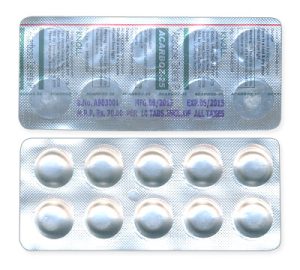
In brief
- Precose (acarbose) is officially prescription-only in many countries (FDA-approved in the US), but availability varies by location and some pharmacies may sell it without a prescription or receipt—check local regulations and pharmacy policies.
- Precose is used to treat Type 2 diabetes mellitus to reduce postprandial blood glucose; it is an alpha‑glucosidase inhibitor that delays digestion and absorption of complex carbohydrates in the intestine.
- The usual dose for adults is to start with 25 mg three times daily with the first bite of each main meal, then gradually increase to 50 mg or 100 mg three times daily as tolerated; the maximum commonly used dose is 100 mg three times daily.
- Administered orally as tablets (available in 25 mg, 50 mg, and 100 mg strengths).
- Onset: begins to act during the meal and typically within about 30–60 minutes, reducing the postprandial glucose rise.
- Duration: effect covers the postprandial period for several hours after a meal (commonly around 4–8 hours per dose), so it is taken with each main meal.
- Alcohol warning: use alcohol with caution—avoid excessive alcohol intake due to potential worsening of gastrointestinal side effects and possible liver enzyme elevations; monitor liver function if heavy alcohol use or risk factors for hepatic injury.
- The most common side effects are flatulence and abdominal pain (very common), with diarrhea and transient increases in liver transaminases also reported.
- Would you like to try “precose” without a prescription?
Basic Precose Information
- INN (International Nonproprietary Name): Acarbose
- Brand Names Available In United States: Precose (tablets: 25 mg, 50 mg, 100 mg)
- ATC Code: A10BF01 — Acarbose (A10 = drugs used in diabetes; BF = alpha-glucosidase inhibitors; 01 = acarbose)
- Forms & Dosages: Tablet — 25 mg, 50 mg, 100 mg; oral route
- Manufacturers In United States: Bayer (market leader for Precose); generics available from regional manufacturers internationally
- Registration Status In United States: Approved by the US FDA as Precose (NDA #20-482)
- OTC / Rx Classification: Prescription Only (Rx)
How should I start taking Precose so it fits my day?
Always use Precose (acarbose) exactly as prescribed by your provider.
Start low and titrate slowly to reduce gastrointestinal discomfort.
Take each dose with the first bite of each main meal; timing with meals is essential.
Keep pure glucose (dextrose) available for treating hypoglycemia because ordinary table sugar (sucrose) will not work while on acarbose.
Precose is a prescription-only medicine and is contraindicated in chronic intestinal disease, cirrhosis, or significant renal impairment (serum creatinine greater than 2 mg/dL).
Monitor liver enzymes if you develop symptoms suggestive of liver injury or are using higher doses.
Daily-life integration: pair dosing with routine mealtimes, plan carbohydrate sources ahead, and expect transient GI effects that often improve with time.
Household checklist: glucose sachets (dextrose), dosing chart, symptoms log.
Everyday Use & Best Practices
Morning Vs Evening Dosing
Question: Should I take Precose in the morning or at night?
Best practice is to split doses with main meals — start with 25 mg three times daily with the first bite of breakfast, lunch, and dinner, then titrate based on tolerance and effect.
There is no proven benefit to taking doses only in the evening; consistency with meals matters most for postprandial control.
Taking With Or Without Meals
Take each tablet at the start of a meal.
Do not take Precose between meals.
If you miss a dose, take it with the next meal; do not double up on doses.
- Keep pills near where you eat, but store them safely away from humidity.
- Use a pill planner labeled by meal to avoid missed doses.
- Track gastrointestinal side effects and delay titration or reduce dose if symptoms are bothersome.
- Carry glucose tablets (dextrose) for hypoglycemia and avoid using ordinary sugar to treat low blood sugar when on acarbose.
Safety Priorities
Who Should Avoid It
Do not start acarbose if you have known hypersensitivity to acarbose or any formulation excipients.
Acarbose is contraindicated in chronic intestinal diseases such as inflammatory bowel disease, colonic ulceration, or partial intestinal obstruction.
Avoid acarbose if you have cirrhosis or significant renal impairment (serum creatinine > 2 mg/dL).
Activities To Limit
There are no absolute bans on specific activities, but plan for gastrointestinal symptoms like flatulence, abdominal pain, and diarrhea, which are common early on.
If you develop severe diarrhea or abdominal pain, avoid strenuous or public activities until symptoms resolve.
Use caution when driving or operating machinery only if you experience hypoglycemia while on combination antidiabetic therapy.
- Do Not Start If: chronic intestinal disease, cirrhosis, serum creatinine > 2 mg/dL, known hypersensitivity to acarbose.
- Stop And Call Provider If: persistent severe abdominal pain, prolonged diarrhea, jaundice, signs of hypersensitivity, or recurrent unexplained hypoglycemia while on combination therapy.
Dosage & Adjustments
General Regimen
Standard adult initiation is 25 mg three times daily with the first bite of each main meal.
Increase gradually to 50 mg or 100 mg three times daily as tolerated.
The maximum recommended dose is 100 mg three times daily.
Special Cases
Use in children under 18 years is not established and therefore not recommended.
Elderly patients do not require routine dose adjustment but should be monitored closely for gastrointestinal and hepatic side effects.
Renal impairment: acarbose is not recommended for patients with significant kidney dysfunction (serum creatinine > 2 mg/dL).
Exercise caution in patients with liver impairment and in those weighing less than 60 kg because of the higher risk of transaminase increases at higher doses.
| Stage | Starting Dose | Titration Steps | Maximum |
|---|---|---|---|
| Initial | 25 mg TID with first bite of meals | Increase to 50 mg TID after tolerance established | 100 mg TID |
| Maintenance | 50 mg TID | Consider 100 mg TID if tolerated and needed | |
| High Dose | 100 mg TID | Monitor GI and LFTs |
- Checklist For Monitoring: baseline liver function tests if risk factors present, periodic LFTs if symptomatic or on higher doses, monitor renal function (serum creatinine).
- Watch For: flatulence, abdominal pain, diarrhea, reversible transaminase elevations.
User Testimonials
Positive Reports
Many users report improved postprandial blood glucose control when acarbose is combined with diet and exercise.
Patients commonly note benefit when acarbose is added to metformin or sulfonylureas for better post-meal numbers.
Brand impressions: Precose in the United States and Glucobay in Europe are frequently mentioned by users.
Common Challenges
The most frequent complaints are gastrointestinal — flatulence and abdominal pain are very common, reported up to 77% in some studies.
Diarrhea and bloating are also common but usually improve over a few weeks with slow titration.
- Top Tips From Users: start low and increase slowly.
- Take each dose with the first bite of meals and expect GI symptoms early that often subside.
- Reduce simple sugars and adjust meal composition to reduce gas.
- Keep glucose (dextrose) handy for hypoglycemia.
Buying Guide
Pharmacy Sources
In the United States, Precose (Bayer) is available by prescription in tablets of 25 mg, 50 mg, and 100 mg.
Globally, the EU brand Glucobay and various generics are available from manufacturers such as Sun Pharma, Cipla, and Lupin.
Only obtain acarbose through licensed pharmacies; an Rx is required per regulatory classification.
Price Comparison
Prices vary by brand, strength, insurer coverage, and pharmacy discounts.
Generics typically cost less than branded Precose or Glucobay.
| Product | Typical Strengths | Price Drivers |
|---|---|---|
| Precose (Bayer) | 25 mg, 50 mg, 100 mg | Brand premium, manufacturer discounts, insurance formulary position |
| Generic Acarbose | 25 mg, 50 mg, 100 mg | Lower cost, wider availability, pharmacy discounts |
| Glucobay (EU) | 50 mg, 100 mg | Regional availability, import rules |
- Buying Tips: verify packaging and expiration date before accepting delivery.
- Check your insurer’s formulary and remember manufacturer savings programs can lower out-of-pocket costs.
Note: our online pharmacy offers Precose without a prescription, with discreet delivery to the United States in 5-14 days.
What’s Inside & How It Works
Ingredients Overview
The active ingredient is acarbose, the International Nonproprietary Name (INN) listed in regulatory records.
Tablets are sold in 25 mg, 50 mg, and 100 mg strengths; excipients vary by manufacturer.
Mechanism Basics
Acarbose is an alpha-glucosidase inhibitor that slows the digestion of complex carbohydrates in the small intestine.
By delaying carbohydrate breakdown, acarbose blunts postprandial glucose spikes and acts primarily on post-meal blood sugar.
| Item | Detail |
|---|---|
| INN | Acarbose |
| Class | Alpha-Glucosidase Inhibitor (ATC A10BF01) |
| Forms/Strengths | Tablets: 25 mg, 50 mg, 100 mg |
| Mechanism | Slows digestion of complex carbohydrates; reduces postprandial glucose spikes |
Main Indications
Approved Uses
Precose (acarbose) is approved as an adjunct treatment for Type 2 diabetes mellitus to control postprandial blood glucose when combined with diet and exercise.
It may be used as monotherapy or added to other antidiabetic agents such as metformin, sulfonylureas, or insulin.
Off-Label Uses
Off-label or investigational uses should be discussed with a prescriber; routine practice centers on postprandial control in Type 2 diabetes.
- When Prescribers Choose Acarbose: patients with prominent post-meal hyperglycemia or in combination therapy to reduce postprandial spikes.
- Treatment Goals: reduce postprandial glucose excursions while maintaining tolerability.
- Monitoring Checklist: SMBG focusing on post-meal readings, LFTs when indicated, renal function checks.
Interaction Warnings
Food Interactions
Because acarbose blocks enzymatic breakdown of complex carbohydrates, sucrose (table sugar) will not rapidly reverse hypoglycemia while on treatment.
Treat hypoglycemia with pure glucose (dextrose) tablets or gel rather than ordinary sugar.
Dietary carbohydrate composition affects gastrointestinal side effects; reducing simple sugars and spacing complex carbs can lessen gas and discomfort.
Drug Conflicts
Acarbose can increase the risk of hypoglycemia when combined with insulin or sulfonylureas because those agents lower blood glucose by other mechanisms.
If hypoglycemia occurs on combination therapy, treat with glucose (dextrose) and closely monitor blood sugar.
There are no major CYP-mediated interactions noted with acarbose, but review the full medication list for drugs that affect the GI tract or blood glucose.
- Do This If On Other Antidiabetics: monitor blood glucose more frequently when starting or adjusting doses of insulin or sulfonylureas.
| Drug Type | Action |
|---|---|
| Insulin | Increased hypoglycemia risk — monitor glucose closely |
| Sulfonylureas | Increased hypoglycemia risk — consider dose adjustment |
| Oral Agents (non-alpha-glucosidase) | Generally safe, review for GI effects |
Latest Evidence & Insights
Regulatory product information such as the FDA Precose NDA #20-482 and EMA labels for Glucobay report consistent efficacy for reducing postprandial glucose and note the high frequency of gastrointestinal adverse events.
Clinical data show flatulence and abdominal pain are very common early on and may affect up to about 77% of users in some reports.
Transient increases in liver transaminases have been observed and are dose-dependent but generally reversible.
Evidence-based monitoring recommends baseline liver tests for patients at risk and periodic checks if symptoms appear or when using higher doses.
- Key Points: effective for post-meal glucose control; GI side effects common early and often improve with time.
- Monitoring Checklist: baseline LFT if risk factors present, repeat LFTs if symptomatic or dose increased, assess renal function prior to use.
Alternative Choices
If acarbose is not tolerated or is contraindicated, consider alternatives within the same class such as miglitol (Glyset, ATC A10BF02) or voglibose (ATC A10BF03) where available.
Other diabetes medication classes — metformin, SGLT2 inhibitors, DPP-4 inhibitors — address different pathophysiologic targets and may be preferred depending on the patient’s overall profile and comorbidities.
| Drug | INN | ATC | Pros / Cons |
|---|---|---|---|
| Glyset | Miglitol | A10BF02 | Similar mechanism; availability varies by region |
| Voglibose | Voglibose | A10BF03 | Used in some Asian markets; tolerability may differ |
| Metformin | Metformin | A10BA02 | First-line agent for T2DM; different MOA, generally weight-neutral |
For patients intolerant of acarbose GI effects, discuss switching class or adjusting dose with the prescribing provider.
Regulation Snapshot
FDA/EMA/ANMDMR Status
Precose is approved in the United States by the FDA under NDA #20-482.
In Europe, acarbose is marketed as Glucobay and is approved by the EMA, and national registries such as Romania’s ANMDMR list Glucobay/acarbose.
Prescription Status & Packaging
Classification is prescription-only in regulatory records.
Common tablet strengths are 25 mg, 50 mg, and 100 mg, and storage guidance recommends 25°C (77°F) with excursions allowed between 15–30°C (59–86°F).
| Region | Regulatory Approval | Common Packaging / Strengths |
|---|---|---|
| United States | FDA approved (Precose, NDA #20-482) | Tablets: 25 mg, 50 mg, 100 mg |
| European Union | EMA approved (Glucobay) | Tablets: 50 mg, 100 mg |
| Romania | Listed in ANMDMR | Glucobay tablets (local packaging) |
FAQ Section
Quick Q&A
Q: What if I miss a dose?
A: Take the missed dose with the next meal; do not take an extra dose or take it between meals.
Q: What if I overdose?
A: Overdose may cause flatulence, diarrhea, and abdominal discomfort; hypoglycemia is rare unless acarbose is combined with other antidiabetics.
Q: How do I treat hypoglycemia while on acarbose?
A: Use pure glucose (dextrose) — sucrose (table sugar) will not reliably reverse hypoglycemia while taking acarbose.
Practical Short Answers
Q: Can I buy without an Rx?
A: Acarbose is prescription-only by regulatory classification; however, our online pharmacy lists Precose available without a prescription with discreet delivery to the United States in 5-14 days.
Q: How long until I see effects?
A: Postprandial glucose reduction can be observed early, while gastrointestinal tolerance often improves over several weeks as the dose is titrated.
Q: Storage?
A: Store at about 25°C (77°F) and protect from humidity; short excursions between 15–30°C (59–86°F) are acceptable.
- Printable FAQ Checklist: missed dose instructions, hypoglycemia treatment using dextrose, when to call the provider.
Guidelines For Proper Use
Step-By-Step Start & Monitoring
Start with 25 mg three times daily with the first bite of each main meal.
Increase slowly to 50–100 mg three times daily based on tolerance and glycemic response, with a maximum of 100 mg three times daily.
Monitor for gastrointestinal symptoms and check liver function tests if symptomatic or when using higher doses.
Assess renal function before starting; avoid acarbose if serum creatinine exceeds 2 mg/dL.
When To Call Provider
Stop and contact your provider for persistent severe abdominal pain, prolonged diarrhea, jaundice, or any signs of hypersensitivity.
Also call if you experience recurrent hypoglycemia while on combination therapy, and remember to use glucose (dextrose) to treat low blood sugar.
- Start-Up Checklist: baseline LFTs if risk factors, baseline renal function, pill planner ready.
- Weekly Self-Checks: monitor post-meal glucose readings, watch for increasing GI symptoms, track bowel changes.
- When To Call: severe abdominal pain, jaundice, persistent diarrhea, or unexplained hypoglycemia.
Delivery Across United States
| City | Region | Delivery Time |
|---|---|---|
| New York City | New York | 5-7 days |
| Los Angeles | California | 5-7 days |
| Chicago | Illinois | 5-7 days |
| Houston | Texas | 5-7 days |
| Phoenix | Arizona | 5-7 days |
| Philadelphia | Pennsylvania | 5-7 days |
| San Francisco | California | 5-7 days |
| San Diego | California | 5-9 days |
| San Antonio | Texas | 5-9 days |
| San Jose | California | 5-9 days |
| Austin | Texas | 5-9 days |
| Jacksonville | Florida | 5-9 days |
| Columbus | Ohio | 5-9 days |
Closing Notes
This guide focuses on practical, evidence-based use of Precose (acarbose) for postprandial glucose control in Type 2 diabetes.
Always follow your prescriber’s instructions and keep glucose (dextrose) on hand for hypoglycemia, since ordinary sugar will not work while you are taking acarbose.
If you have questions about dosing, interactions, or whether acarbose is suitable for you, consult your prescribing clinician or speak with a pharmacist for a medication review.