Metformin + Glyburide
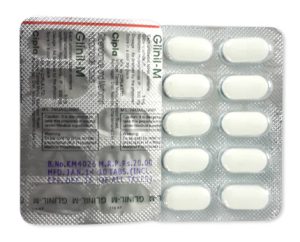
In brief
- Metformin + glyburide is a prescription-only medicine in most countries; availability varies by pharmacy and region, and while some local or online sellers may sometimes dispense it without a prescription, legitimate purchase should require a prescription.
- It is used to treat type 2 diabetes mellitus by combining two mechanisms: metformin reduces hepatic glucose production and improves insulin sensitivity, while glyburide (a sulfonylurea) stimulates insulin release from pancreatic beta cells.
- Usual dosing starts at 1.25 mg glyburide / 250 mg metformin once or twice daily with meals, titrated every 2 weeks as needed; typical tablet strengths include 1.25/250 mg, 2.5/500 mg, and 5/500 mg, with a usual maximum total daily dose of about 20 mg glyburide / 2000 mg metformin.
- The medication is given orally as tablets.
- Glyburide begins lowering blood glucose within about 1–2 hours; metformin’s glucose-lowering effects start within hours but maximal benefits develop over days to weeks with continued use.
- Glyburide’s hypoglycemic effect can last up to about 24 hours per dose; metformin’s glucose control is maintained with regular dosing and does not cause prolonged hypoglycemia on its own.
- Avoid excessive alcohol consumption — alcohol increases the risk of metformin-associated lactic acidosis and can worsen glycemic control and hypoglycemia risk.
- The most common side effects are gastrointestinal (nausea, diarrhea, upset stomach), plus risk of hypoglycemia (shakiness, sweating, hunger) mainly from the glyburide component; headache may also occur.
- Would you like to try metformin + glyburide without a prescription?
Basic Metformin + Glyburide Information
- INN (International Nonproprietary Name): Metformin and Glyburide
- Brand Names Available In United States: Glucovance (original brand); generics produced by Teva, Apotex, Sandoz and others are commonly available.
- ATC Code: A10BD03
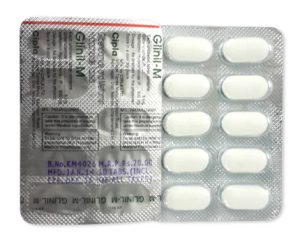
- Forms & Dosages: Oral tablets in 1.25mg/250mg, 2.5mg/500mg, and 5mg/500mg (glyburide/metformin)
- Manufacturers In United States: Various generic manufacturers (Teva, Apotex, Aurobindo, Sandoz) — Glucovance was the original branded product.
- Registration Status In United States: Glucovance tablets approved by FDA (NDA 021178); generics are authorized and widely marketed.
- OTC / Rx Classification: Prescription only (Rx)
Instructions, Warnings, And Daily-Life Integration
Worried about stomach upset, low blood sugar, or mixing pills with your busy day?
- Before starting: get baseline labs — A1c and eGFR (kidney function) and liver tests.
- Carry fast-acting carbs at all times (glucose tablets, juice, hard candy).
- Always take the tablet with a meal to reduce nausea and to lower hypoglycemia risk.
- If you feel dizzy, sweaty, confused, or shaky — check your blood glucose immediately.
- If severe symptoms occur (loss of consciousness, seizures, persistent vomiting) — call emergency services.
- For travel, keep tablets in original packaging and bring a printed list of current meds and recent labs.
Everyday Use & Best Practices
Morning Vs Evening Dosing
Which dose goes in the morning and which at night is a common question.
Start dosing is often given in the morning because many people eat a larger breakfast or want one blood-sugar-lowering dose early in the day.
If your provider prescribes twice-daily dosing, take one dose with breakfast and one with dinner to reduce the risk of hypoglycemia at night.
Avoid taking doses late at night unless your clinician specifically advises it because glyburide can cause nocturnal hypoglycemia.
Taking With Or Without Meals
These combination tablets are designed to be taken with food to blunt gastrointestinal side effects and reduce low blood-sugar episodes.
Typical initiation is 1.25mg/250mg once or twice daily with the largest meal(s), and titration is done every two weeks up to a max of 20mg/2000mg per day.
If you miss a dose, take it when you remember unless it’s close to the next scheduled dose; do not double the dose.
- Morning Routine Checklist: take your pill with breakfast, check fasting glucose if advised, and keep glucose tablets handy.
- If You Skip A Meal: skip the tablet associated with that meal or check with your clinician; monitor your blood sugar more often.
- Signs Of Low Blood Sugar To Watch For: sweating, shaking, hunger, dizziness, confusion — treat immediately with fast-acting carbs.
Safety Priorities
Who Should Avoid It
Not everyone can safely take a metformin and glyburide combination.
Absolute contraindications include severe renal impairment (eGFR <30 ml/min), metabolic acidosis or diabetic ketoacidosis, known hypersensitivity to either ingredient, and Type 1 diabetes.
Avoid use in pregnancy, lactation, and pediatric patients unless a specialist instructs otherwise.
Activities To Limit
Some everyday activities raise the risk of adverse events while on this combination pill.
Limit heavy alcohol use and avoid binge drinking because alcohol raises lactic acidosis risk with metformin and increases hypoglycemia risk from glyburide.
Avoid prolonged or intense exercise without adjusting carbohydrate intake because glyburide increases hypoglycemia risk during exertion.
| Contraindication / Caution | What To Do |
|---|---|
| Severe renal impairment (eGFR <30 ml/min) | Do not use; stop drug and seek alternative therapy. |
| Hepatic impairment | Use not recommended or use with close monitoring. |
| Major surgery, iodinated contrast procedure | Temporarily hold medication per clinician guidance. |
| Older adults | Start low, monitor renal function frequently, watch for hypoglycemia. |
| Heavy alcohol use | Avoid alcohol; seek counseling if needed. |
- Pre-Start Labs Checklist: baseline eGFR, liver tests, A1c, and a current medication list.
- Emergency Actions For Low Blood Sugar: give fast-acting sugar, recheck in 15 minutes, call for help if severe.
- If You Suspect Lactic Acidosis: seek immediate emergency care for severe muscle pain, rapid breathing, and extreme fatigue.
Dosage & Adjustments
General Regimen
Most adults begin at the lowest fixed dose and titrate up based on blood-glucose readings and tolerance.
Standard initiation is 1.25mg/250mg once or twice daily with meals, titrated every two weeks with monitoring of fasting glucose and A1c.
The maximum recommended total daily dose is 20mg glyburide with 2000mg metformin.
Special Cases
Elderly patients and those with borderline renal function require lower starting dosages and frequent monitoring.
For contrast imaging, surgery, severe illness, or dehydration, temporary suspension of therapy may be required to lower lactic acidosis risk.
| Population | Starting Dose | Titration Schedule | Max Dose |
|---|---|---|---|
| Adults With Type 2 Diabetes | 1.25mg/250mg once or twice daily with meals | Increase every 2 weeks as tolerated and guided by fasting glucose/A1c | 20mg glyburide / 2000mg metformin per day |
| Elderly Or Borderline Renal | Start at lowest available strength | Slow titration with frequent renal checks | Individualized; consider dose reduction or discontinuation if eGFR declines |
| Renal Impairment (eGFR <30) | Contraindicated | Hold and choose alternative therapy | N/A |
- Baseline Labs To Have: A1c, fasting glucose, eGFR, liver enzymes.
- Titration Schedule: reassess every two weeks during dose changes and document effects in a medication diary.
- Red Flag Thresholds: withhold drug and call clinician for eGFR <30 ml/min or recurrent severe hypoglycemia.
User Testimonials
Positive Reports
- “After switching to the combo pill my morning glucose readings stabilized and I reduced pill clutter.” — patient report.
- “My A1c improved without needing insulin, and taking the pill with food helped avoid stomach upset.” — typical feedback.
- “Generic Glucovance worked similarly to the brand for me, and it was cheaper.” — cost-conscious user.
Common Challenges
- Early GI upset from metformin: nausea and loose stools in the first 1–4 weeks.
- Occasional low-blood-sugar episodes if meals are delayed or during unexpected exertion.
- Need for closer monitoring during dose changes or illnesses.
| Symptom | Frequency (User Reports) |
|---|---|
| Mild Gastrointestinal Upset | Common |
| Hypoglycemia (mild) | Occasional |
| Severe Adverse Events | Rare |
- Practical Coping Tips From Users: carry glucose tablets, request slow titration, and match tablet strengths to your prescribed dose for simplicity.
- Note On Generics: many users report equivalence between Glucovance and generic metformin and glyburide combinations, but availability and price vary by supplier.
Buying Guide
Pharmacy Sources
In the United States the metformin and glyburide combo is prescription-only at most pharmacies, and brand Glucovance is often superseded by generics.
For convenience, check local chain pharmacies, regional compounding suppliers only for special cases, or large mail-order services for 90-day supplies.
In our online pharmacy, metformin + glyburide is available without a prescription, with discreet delivery to United States in 5-14 days.
Price Comparison
| Region | Brand / Generic | Typical Strengths |
|---|---|---|
| United States | Glucovance / Generics (Teva, Apotex, Sandoz) | 1.25/250, 2.5/500, 5/500 mg |
| Canada | Apo- or Ratio- generics | Variably available tablet strengths |
| India / Asia | Glycomet-GP, Glyburmet, etc. | 500/5, 500/2.5 and other formulations |
- What To Bring To The Pharmacy: valid prescription (if required), allergy list, and insurance information.
- How To Ask About Generics: ask the pharmacist if a generic Glucovance equivalent is available and confirm the tablet strength.
- Ways To Save: compare local cash prices, use manufacturer coupons, or order 90-day mail-order supplies for lower per-tablet cost.
What’s Inside & How It Works
Ingredients Overview
- Active Ingredients: glyburide (a sulfonylurea) and metformin (a biguanide).
- Common Tablet Strengths: 1.25mg glyburide/250mg metformin, 2.5mg/500mg, and 5mg/500mg.
- Excipients: vary by manufacturer; check package insert or ask your pharmacist if you have allergies.
Mechanism Basics
Glyburide stimulates the pancreas to release more insulin, which helps lower blood sugar after meals.
Metformin reduces the liver’s glucose production and improves insulin sensitivity, lowering fasting glucose and overall glycemic control.
Together, the combination targets both insulin secretion and insulin resistance for complementary effects.
| Strength | Primary Mechanism | Common Side Effects |
|---|---|---|
| 1.25mg/250mg | Low-dose insulin stimulation + reduced hepatic glucose output | Mild GI upset; low hypoglycemia risk at low dose |
| 2.5mg/500mg | Moderate sulfonylurea action + metformin effects | Nausea, diarrhea; possible hypoglycemia with missed meals |
| 5mg/500mg | Stronger insulin release effect + metformin | Higher hypoglycemia risk; GI symptoms; monitor kidney function |
Because glyburide increases circulating insulin, watch for low blood-sugar events especially when activity or meals change.
Main Indications
Approved Uses
- Indicated for adult Type 2 diabetes when diet, exercise, and single-agent therapy are not sufficient.
- Typical initiation is 1.25mg/250mg once or twice daily with meals, titrated every two weeks up to 20mg/2000mg daily.
- Not indicated for Type 1 diabetes, pediatric use, pregnancy, or lactation.
Off-Label Uses
- Occasionally used by clinicians for adult patients needing inexpensive dual oral therapy when newer agents are unsuitable or unavailable.
- Not appropriate during acute illness, major surgery, or when renal/hepatic function is unstable.
- Always discuss alternatives and local guideline options with a specialist for complex cases.
- Checklist To Bring To Your Clinician: most recent A1c, prior medication trials, kidney/liver labs, and a list of side effects.
Interaction Warnings
Food Interactions
- Avoid heavy alcohol and binge drinking because alcohol increases the risk of lactic acidosis with metformin and can worsen hypoglycemia from glyburide.
- Taking the tablet with consistent meals reduces hypoglycemia risk tied to glyburide.
- There are no major food-binding interactions, but always take with food to reduce GI upset.
Drug Conflicts
Many commonly used drugs can interact with glyburide or metformin and change safety or effectiveness.
| High-Risk Medication | Interaction Effect / Action |
|---|---|
| Fluoroquinolones (certain) | May increase hypoglycemia risk with glyburide; monitor glucose closely. |
| Beta-Blockers | Can mask hypoglycemia warning signs (tachycardia); use caution. |
| Iodinated Contrast Agents | Risk of AKI and lactic acidosis; consider holding metformin per protocol around the procedure. |
| Cimetidine | May increase metformin concentrations; monitor renal function and side effects. |
- Always provide a full medication list (prescription, OTC, supplements) to your clinician or pharmacist.
- If starting or stopping other drugs, check for interactions with glyburide and metformin before changes.
Latest Evidence & Insights
- Metformin remains the first-line treatment for most Type 2 diabetes cases, and fixed-dose combos like metformin + glyburide have demonstrated improved glycemic control compared with monotherapy.
- Newer drug classes (SGLT2 inhibitors, GLP-1 receptor agonists, DPP-4 inhibitors) offer advantages for cardiovascular and renal outcomes and are increasingly preferred in many guidelines.
- The metformin and glyburide combo still plays a role when cost or tolerability limits access to newer therapies.
- Monitoring priorities include periodic renal function checks and A1c every 3–6 months during titration.
- Discuss with your clinician whether the trade-off between cost and potential hypoglycemia risk makes sense for your long-term goals.
Mini Bibliography To Ask Your Clinician About: guideline statements on first-line metformin therapy, comparative studies of sulfonylurea combinations, and recent trials on SGLT2/GLP-1 outcomes.
Alternative Choices
| Option | Pros | Cons | Hypoglycemia Risk |
|---|---|---|---|
| Metformin Monotherapy | Low cost, proven benefit for many patients | May be insufficient alone for some patients | Low |
| Metformin + DPP-4 Inhibitor | Low hypoglycemia risk, well tolerated | Higher cost than sulfonylurea combos | Low |
| Metformin + SGLT2 Inhibitor | Cardio-renal benefits for many patients | Costlier; not suitable with severe renal impairment | Low |
| Metformin + GLP-1 Agonist | Weight loss, CV benefits for some | Injectable options; higher out-of-pocket cost | Low |
| Switch Glyburide To Other Sulfonylurea | Possible lower hypoglycemia risk with agents like glimepiride | Class effects remain; monitor closely | Moderate |
- If hypoglycemia or GI intolerance is a problem, ask about DPP-4, SGLT2, or GLP-1 options that usually carry less hypoglycemia risk.
- For patients with renal impairment, many choices need dose adjustment or are contraindicated — consult your clinician.
Regulation Snapshot
| Region | Approval / Availability | Prescription Status |
|---|---|---|
| United States | Glucovance approved (NDA 021178); generics widely available | Prescription only |
| European Union | Generics authorized; original brand available in some countries | Prescription only |
| Canada | Generics on the market (Apo-, Ratio- brands) | Prescription only |
| India | Multiple local brands (Glycomet-GP, Glyburmet, etc.) | Prescription only |
- ATC Classification: A10BD03 — combinations of oral blood-glucose-lowering drugs.
- Check your local pharmacy and insurer for covered brands and any prior-authorization requirements.
- Verify the exact tablet strength on the prescription before accepting substitutions.
FAQ Section
-
Q: Can I drive on metformin + glyburide?
A: Yes if you are stable and not experiencing low blood sugar; avoid driving during or after hypoglycemia until you know how you react. -
Q: What if I skip a meal?
A: Skipping a meal raises hypoglycemia risk; carry fast-acting carbs and check glucose more frequently. -
Q: How often should I test kidney function?
A: Baseline eGFR before starting, then periodically as directed by your clinician; frequency increases with age or comorbidity. -
Q: Is this drug safe during pregnancy?
A: Not recommended in pregnancy or lactation; consult an obstetric diabetes specialist for alternatives. -
Q: How do I treat hypoglycemia?
A: Give quick sugar (juice, glucose gel, or glucose tablets), recheck in 15 minutes, repeat if still low, and follow with a carbohydrate snack if the next meal is not soon.
- Emergency Hypoglycemia Steps Checklist: give 15–20 g fast sugar, recheck blood glucose in 15 minutes, call emergency services for severe events or loss of consciousness.
- What To Carry: glucose tablets, a medical ID indicating you take glyburide, and a recent copy of your medication list and last labs.
Guidelines For Proper Use
Practical Daily Checklist
- Take the prescribed tablet with the meal(s) indicated on your prescription.
- Match tablet strength exactly to what was prescribed; confirm any pharmacy substitution.
- Keep a log of blood-sugar readings and any symptoms, especially during the first 2–8 weeks of dose changes.
- Carry glucose tablets and a small snack when you plan to exercise more than usual.
- Avoid heavy alcohol and report any repeated dizziness or fainting to your clinician promptly.
- Store tablets at room temperature (20–25°C) away from moisture and heat and transport in original packaging during travel.
When To Call Your Clinician
- Persistent vomiting or diarrhea leading to dehydration.
- Signs of lactic acidosis — severe muscle pain, rapid breathing, and extreme fatigue.
- Recurrent or severe hypoglycemia despite adjustments to meals or activity.
- Sudden drop in kidney function or eGFR falling below 30 ml/min.
- Planned contrast imaging, major surgery, or any hospital admission.
| Keep In Your Medication Folder | Details To Record |
|---|---|
| Emergency Contact | Clinician name, phone, and nearest emergency facility |
| Last Lab Dates | Record dates and results for A1c and eGFR |
| Current Dose | Tablet strength, number per day, and time-of-day dosing |
Delivery Across United States
| City | Region | Delivery time |
|---|---|---|
| New York | Northeast | 5-7 days |
| Los Angeles | West | 5-7 days |
| Chicago | Midwest | 5-7 days |
| Houston | South | 5-7 days |
| Phoenix | West | 5-7 days |
| Philadelphia | Northeast | 5-7 days |
| San Antonio | South | 5-7 days |
| San Diego | West | 5-7 days |
| Dallas | South | 5-7 days |
| San Jose | West | 5-7 days |
| Austin | South | 5-9 days |
| Jacksonville | South | 5-9 days |
| Fort Worth | South | 5-9 days |
| Columbus | Midwest | 5-9 days |
| Charlotte | South | 5-9 days |